The global functional beverage market has undergone a radical transformation over the last decade, transitioning from a niche health-food store curiosity to a ubiquitous grocery store staple. At the forefront of this movement is kombucha—a fermented, lightly effervescent, sweetened black or green tea drink. Once dismissed by many as a peculiar concoction involving a “mother” (the gelatinous SCOBY culture), it has now cemented its status as a sophisticated lifestyle beverage.
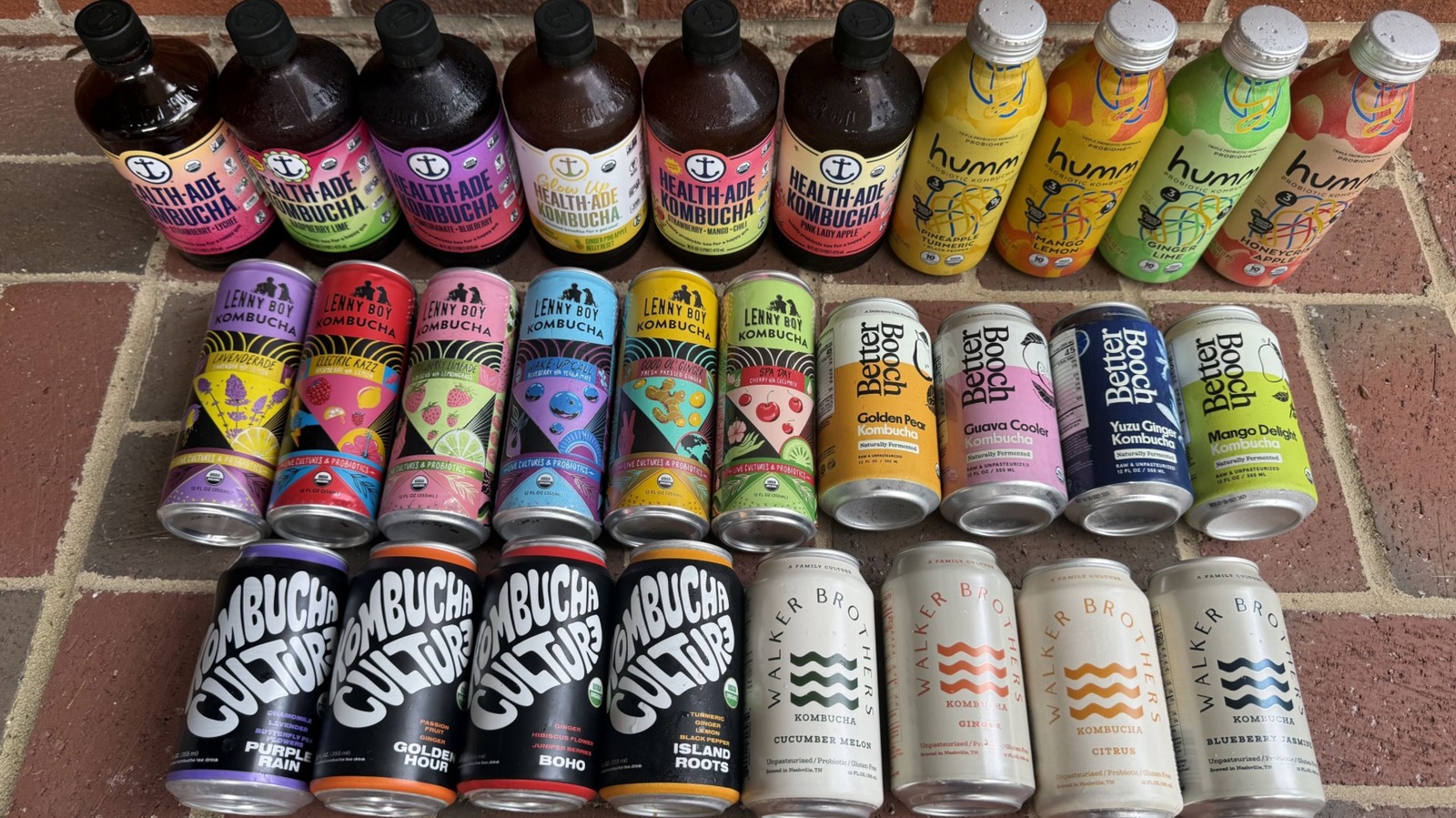
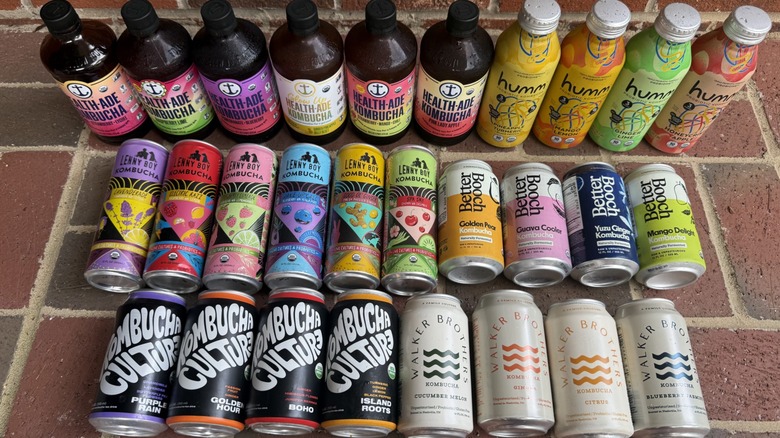
To navigate the crowded aisles of the modern supermarket, we conducted a rigorous, side-by-side comparative analysis of six major store-bought kombucha brands. This evaluation focuses on flavor profile, carbonation levels, aromatic complexity, and the elusive balance between the drink’s natural, vinegary acidity and the sweetness required for mass-market appeal.
The Methodology: Evaluating the Fermented Landscape
To ensure a fair and objective ranking, we established a standardized set of criteria for testing. A high-ranking brand required more than just a pleasant taste; it necessitated a diverse product range that distinguishes itself through genuine flavor clarity. In many lower-tier brands, the fermented tea base often overpowers the botanicals, fruits, and herbs introduced during the secondary fermentation stage, leading to a homogenized product line.
Key evaluation metrics included:
- Flavor Integrity: Does the drink taste like its advertised ingredients, or is the flavor profile obscured by the base?
- Carbonation Balance: Does the effervescence enhance the drinking experience, or does it mask the nuances of the ingredients?
- Aromatic Quality: A superior kombucha should offer a sensory experience before the first sip is even taken.
- Sweetness Calibration: While kombucha is naturally tart, successful commercial brands master the art of balancing this vinegar-forward acidity without becoming cloying.
The Ranking: From Refreshing to Remarkable
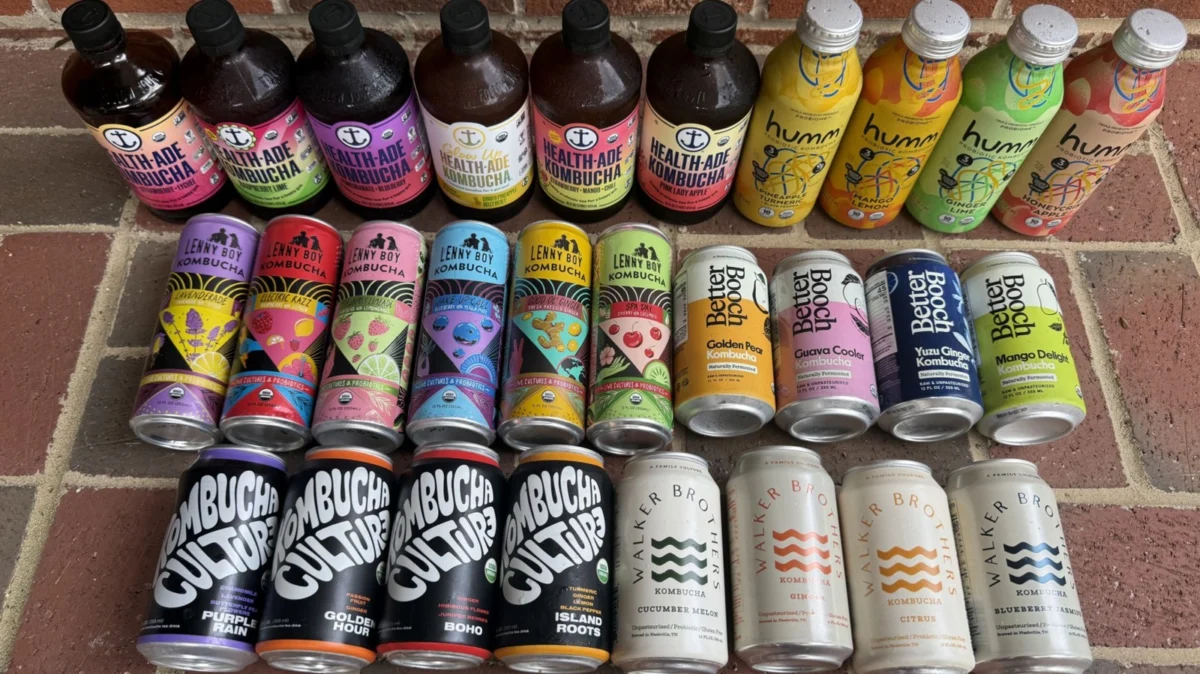
6. Lenny Boy: The Tart Contender
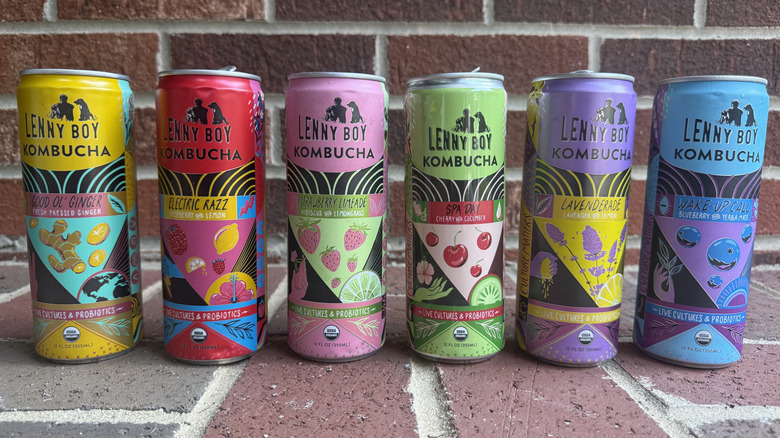
Lenny Boy, a brand with deep roots in North Carolina, offers a range of flavors that often lean into current culinary trends. During our testing, the "Lavenderade" stood out as a prime example of the brand’s philosophy: bold, sharp, and intensely tart. While the flavor is refreshing, we found that the sharpness of the kombucha base frequently overwhelmed the subtle floral notes of the lavender.
The primary issue with Lenny Boy is its aggressive carbonation and a lack of sweetness. While these traits make for a highly "refreshing" drink, they can be difficult for the average consumer to enjoy on their own. However, for those seeking a functional boost, their "Wake-Up Call" flavor—which incorporates yerba mate—is a standout. Providing 40 milligrams of caffeine, it serves as a unique alternative to traditional morning beverages, offering a jitter-free lift that most kombuchas lack.
5. Health-Ade: The Minimalist’s Choice
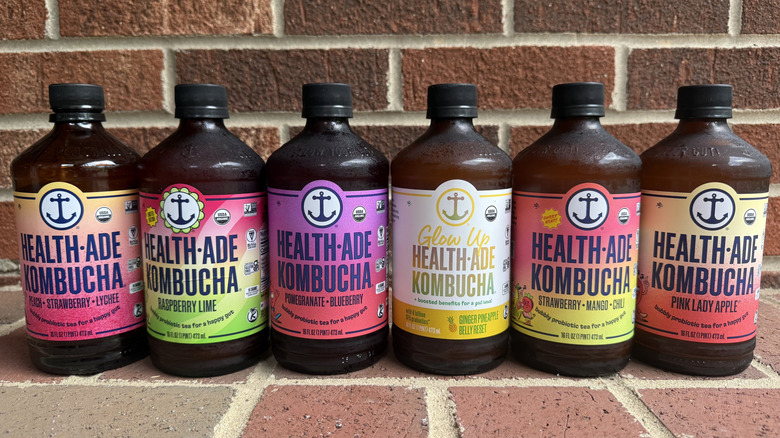
Health-Ade is perhaps the most recognizable name in the industry, and for good reason: their ingredient lists are clean, relying on cold-pressed juices and extracts rather than vague "natural flavors." Available in both glass bottles and cans, their range is impressively diverse.
However, Health-Ade often presents a more pronounced vinegar profile, which can be polarizing. In our testing, the "Pomegranate Blueberry" was the clear winner, successfully tempering the acidity with fruit sugars. Conversely, varieties like "Peach Strawberry Lychee" proved too vinegary for some palates. While they didn’t take the top spot due to this aggressive acidity, Health-Ade remains a reliable, high-quality option for those who prefer a less sweet, more authentic fermentation profile.
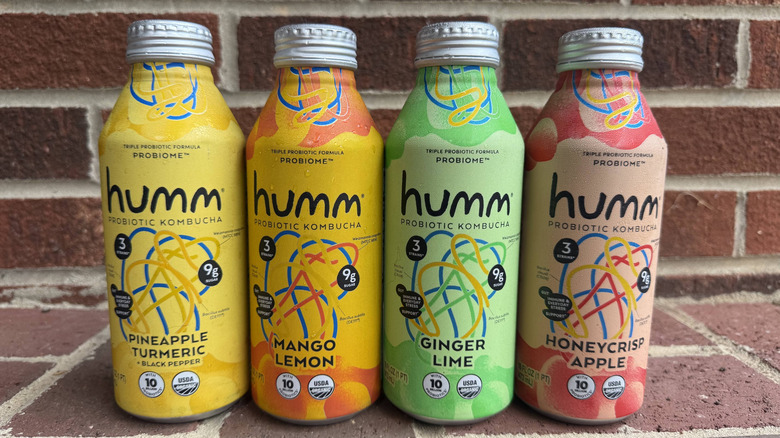
4. Humm: The Crowd-Pleaser
Humm Kombucha has built a reputation on approachability. With their "Probiome" line, they offer a product designed specifically for gut-health enthusiasts, boasting a significantly higher probiotic count than their standard offerings.
Humm succeeds where others fail: it bridges the gap between a health tonic and a genuine treat. The "Honeycrisp Apple" flavor, for instance, evokes the sweetness of a candied apple without the sugar crash, showcasing a remarkable ability to extract pure, fruit-forward notes. The "Pineapple Turmeric" also performed well, effectively masking the earthy, often bitter profile of turmeric with bright pineapple juice. Humm is a master of balance, making it an excellent entry point for those new to the world of fermented tea.
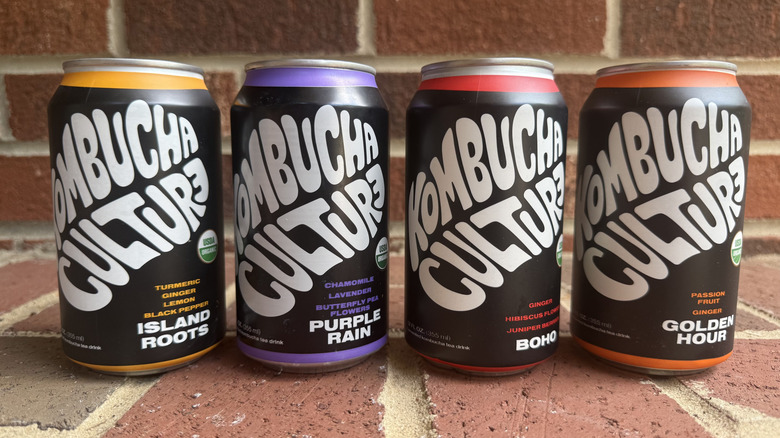
3. Kombucha Culture: The Tropical Specialist
Hailing from Costa Rica, Kombucha Culture brings a fresh, tropical perspective to the category. The "Golden Hour" flavor—a blend of passion fruit and ginger—is arguably one of the most vibrant flavors currently available on the market. Unlike many competitors where ginger dominates, here, the passion fruit takes center stage.
The brand’s "Purple Rain" flavor, which utilizes chamomile, lavender, and butterfly pea flower, provides a relaxing, herbal counterpoint to the more common fruit-forward options. The only reason this brand did not take the top spot was its inconsistent carbonation; while effervescent upon opening, the bubbles tended to dissipate far too quickly, losing their lively texture after the first 20 minutes of consumption.
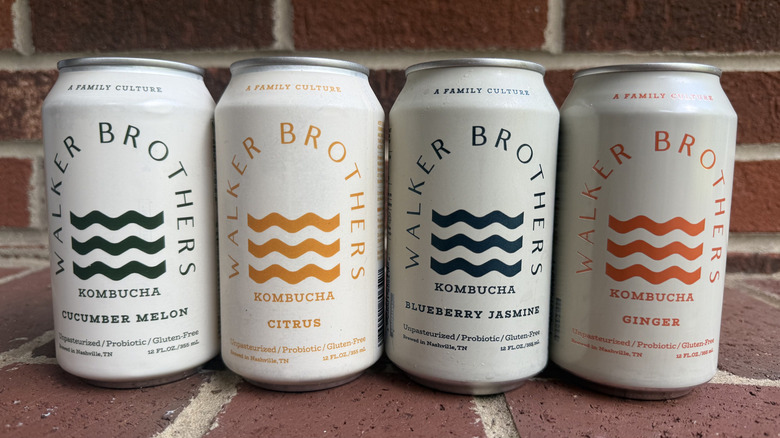
2. Walker Brothers: The Refined Alternative
Walker Brothers delivers a sophisticated experience that feels less like a soda and more like a craft beverage. Their flavor profiles are nuanced and gentle, avoiding the "aggressively bubbly" trap that ruins many other brands.
The "Cucumber Melon" flavor is a masterclass in complexity. While the aroma is distinctly vegetal, the palate experience is a perfect harmony of honeydew sweetness and crisp cucumber, finished with a subtle vinegar tang. Their "Ginger" flavor also deserves mention, acting as a elevated, healthier alternative to traditional ginger ale. It is smooth, aromatic, and lacks the fiery, throat-burning intensity found in many other ginger-based drinks.
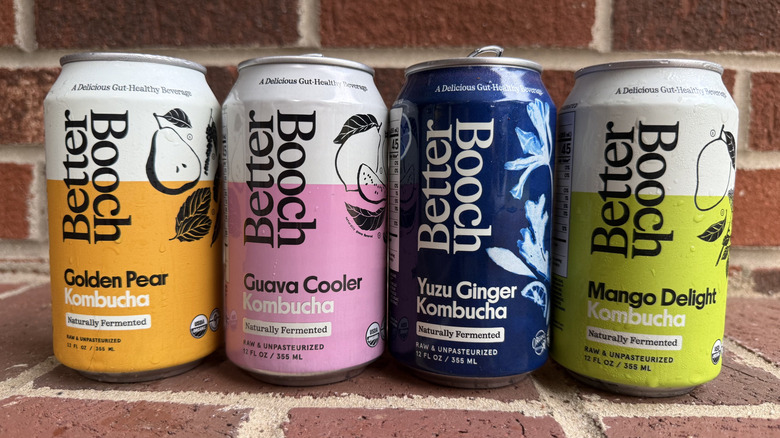
1. Better Booch: The Industry Leader
Better Booch takes the crown for its exceptional balance and transparency. Every flavor we tested—from "Golden Pear" to "Guava Cooler"—tasted fresh, authentic, and vibrant. What sets this brand apart is its clear commitment to quality ingredients; they list their botanicals clearly, often accompanied by helpful illustrations, which demystifies the drinking experience.
Beyond flavor, Better Booch utilizes a patented synbiotic blend (a combination of probiotics, prebiotics, and postbiotics), appealing to both the casual drinker and the health-conscious consumer. While we did find a minor fault in their "Yuzu Ginger" flavor—which contained yerba mate without sufficient labeling—the overall quality, mouthfeel, and nuanced flavor profiles make Better Booch the current benchmark for store-bought kombucha.
Implications of the Market Shift
The findings from this comparative study suggest a broader trend in the functional beverage industry: consumers are moving away from overly sweet, soda-like kombuchas and toward sophisticated, botanical-heavy profiles. As the market matures, manufacturers are being forced to refine their fermentation processes to control acidity, resulting in a more diverse and enjoyable selection for the average shopper.
The rise of "synbiotic" blends and the inclusion of functional ingredients like yerba mate and adaptogenic herbs (such as tulsi) indicate that the next wave of kombucha will likely prioritize specific health outcomes alongside sensory pleasure. For the consumer, this means that the days of settling for one-note, excessively vinegar-forward drinks are numbered. As competition increases, the brands that prioritize flavor clarity and consistent carbonation—like Better Booch and Walker Brothers—are poised to lead the market, setting a high bar for the rest of the industry to follow.