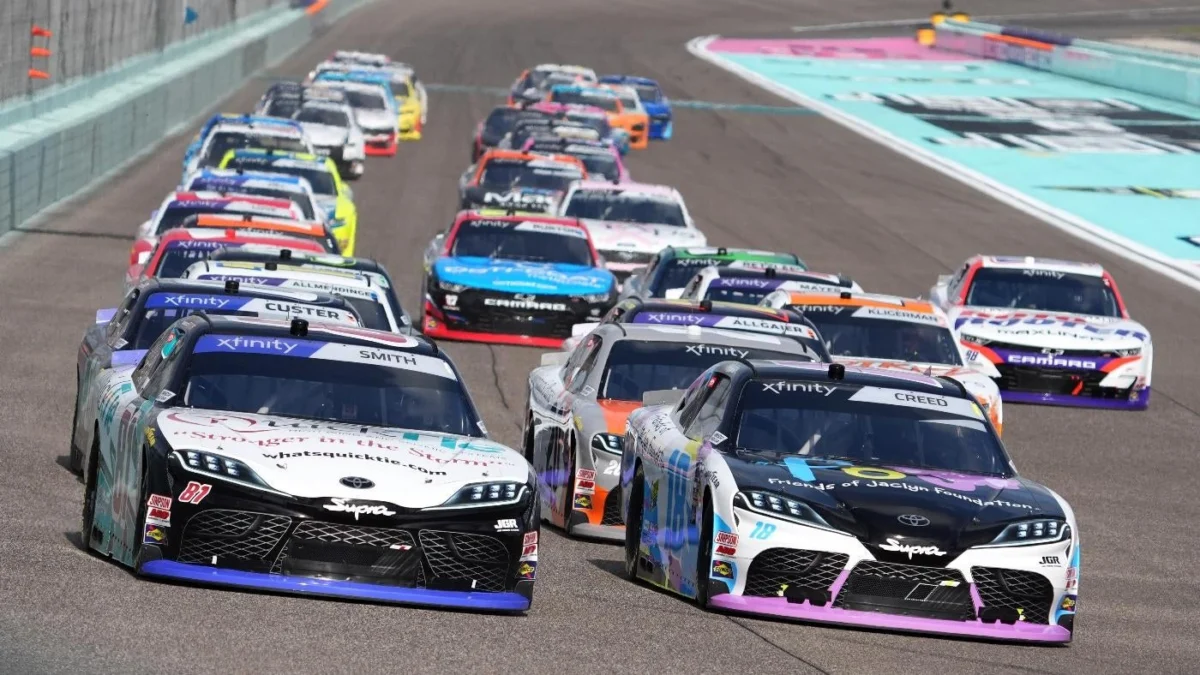
The global landscape of sports betting has undergone a seismic shift over the last half-decade. As Formula 1 (F1) experiences a renaissance in popularity—fueled by the success of docuseries like Drive to Survive—and NASCAR continues to solidify its place as a staple of American sports culture, millions of casual fans are transitioning into active participants. Betting on motorsports is no longer a niche hobby; it has become a sophisticated component of the mainstream sports wagering ecosystem.
Whether you are tracking the strategic nuances of an F1 Grand Prix or the high-stakes drafting at the Daytona 500, understanding the mechanics of motorsports betting is essential for any modern fan.
The Main Facts: Motorsports Betting in the Digital Age
At its core, motorsports betting is about predicting human performance under extreme mechanical and environmental pressure. Unlike stick-and-ball sports, where the playing field remains relatively static, racing involves an interplay between driver talent, engineering precision, pit-crew efficiency, and volatile track conditions.
Major sportsbooks, including DraftKings, FanDuel, BetMGM, Fanatics, and bet365, have responded to this demand by expanding their racing markets. These platforms now offer everything from simple "to win" wagers to complex prop bets involving qualifying speeds, head-to-head matchups, and even the manufacturer of the winning car.
Current Sportsbook Promotions
For those looking to enter the fray, sportsbooks are currently offering competitive incentives to capture the growing audience:
- DraftKings: Spend $5, Get $150 in bonus bets.
- FanDuel: Bet $5, Get up to $1,000 in Bet Reset Tokens.
- BetMGM: Up to $1,500 in bonus bets if your first bet loses (Use code: CBSSPORTS).
- Fanatics: 10x$100 Bet Match in FanCash (Use code: CBSFAN26).
- bet365: Bet $10, get $150 in bonus bets (Use code: CBSBET365).
Chronology and Lifecycle of a Race Weekend
Understanding when to place a bet is as important as knowing who to bet on. A standard race weekend follows a distinct rhythm, and the betting markets evolve in lockstep with that timeline.
1. Pre-Weekend Futures
Weeks or months before the green flag drops, bettors can wager on "Futures." This includes season-long outcomes, such as who will hoist the F1 World Drivers’ Championship trophy or which team will claim the NASCAR Cup Series title.
2. Practice and Qualifying (Thursday/Friday/Saturday)
The racing weekend typically begins with practice sessions, which serve as a litmus test for car setup. Following practice, qualifying occurs—usually on the day before the main event. Betting markets for qualifying are highly volatile; a driver securing "Pole Position" significantly alters their odds for the race. Savvy bettors track these sessions closely to gauge which cars have the best "one-lap pace" versus "race pace."
3. The Main Event (Sunday)
The race day is the peak of the betting cycle. Here, the focus shifts to race strategy, tire degradation, and potential weather impacts. Live betting—the ability to place wagers while the cars are on the track—has become the most popular way to engage with the sport, especially in NASCAR and IndyCar, where the sheer number of laps allows for dynamic adjustments in odds.
Supporting Data: Understanding Odds and Markets
To navigate a sportsbook, one must be fluent in the language of odds. In the United States, most platforms use the American odds system.
- The Favorite (-): A driver priced at -150 is the favorite. You must risk $150 to profit $100.
- The Underdog (+): A driver priced at +200 is an underdog. A $100 wager yields a $200 profit.
Diverse Betting Markets
- Outright Winner: The simplest form of betting—picking who finishes first.
- Placement/Top Finish: Wagering on a driver to finish in the Top 3, Top 5, or Top 10. This is often safer for those betting on consistent drivers rather than volatile race winners.
- Matchups/Head-to-Head: Sportsbooks pair two drivers against each other. You simply bet on which of the two will finish higher, regardless of where they place in the overall standings.
- Dual Forecast: Predicting both the first and second-place finishers in the exact order.
- Stage Betting: Exclusive to NASCAR and IndyCar, this allows bettors to wager on who will be leading at specific milestones (e.g., at the end of Stage 1).
Official Perspectives: The Role of Prediction Markets
Beyond traditional sportsbooks, newer "prediction markets" such as Kalshi and Polymarket have emerged. These platforms function as federally regulated trading exchanges where users can bet on the outcomes of future events.
- Kalshi: Currently offers a promotion where trading $25 or more grants users up to $500 in bonus trading credits.
- Polymarket: A global favorite that allows users to deposit $20 to receive $50 in trading credits.
These platforms are gaining traction because they allow for a more "stock market" approach to racing, where the value of a bet can fluctuate based on real-time news, such as a mid-week announcement of a team principal change or a driver injury.
Implications: The Strategic "How-To" of Betting
Successful motorsports betting requires more than just picking a favorite; it requires a deep analysis of external variables.
The Impact of Team Strategy
In F1, the "undercut" (pitting earlier than your rival to gain an advantage on fresh tires) is a vital tactical maneuver. Bettors who understand how a team handles pit stops often have an edge over those who only look at driver statistics.
Weather and Track Conditions
Weather is the great equalizer. A wet track in an F1 race can turn a dominant favorite into a liability. Bettors must monitor weather forecasts leading up to the race; some teams and drivers are historically better at managing "intermediate" or "wet" tires, which can lead to significant upsets.
Safety Cars and Cautions
In NASCAR, the "Caution Flag" is a frequent game-changer. It compresses the field, negating the leads built by front-runners and often creating a "sprint to the finish" scenario. Knowing the propensity of a specific track to produce yellow flags is a critical component of betting on race length and finishing order.
FAQ: Clearing the Air
Q: Can you parlay motorsports wagers?
A: Yes. While traditional "race winner" parlays are risky, many bettors use "Top 5" or "Top 10" parlays to increase their potential payout.
Q: Is there an advantage to betting on F1 versus NASCAR?
A: F1 is often more predictable in terms of car dominance, whereas NASCAR’s high-frequency cautions make it more volatile and potentially more lucrative for high-risk bettors.
Q: Where can I find the best lines?
A: "Shopping the lines" is a golden rule. Because different sportsbooks have different algorithms, checking multiple sites before placing a bet can mean the difference between a standard payout and a premium return.
Q: Are there risks to live betting?
A: Live betting offers immediate engagement, but the odds shift rapidly. Ensure you have a stable connection and a clear strategy before engaging, as the speed of the market can sometimes lead to impulsive, emotional decisions.
Conclusion: The Path Forward
As the lines between digital entertainment and sports wagering continue to blur, the motorsports betting market is poised for even greater expansion. By combining a deep knowledge of racing mechanics with a disciplined approach to bankroll management, fans can transform their viewing experience into a tactical, rewarding endeavor. Whether it is the spectacle of the Indianapolis 500 or the global prestige of the Monaco Grand Prix, the thrill of the race is now mirrored in the thrill of the bet.
Disclaimer: Betting involves risk. Please gamble responsibly. If you or someone you know has a gambling problem, help is available through local resources and national helplines.