In the fast-evolving landscape of automotive design, the interior cabin has become the latest battleground between minimalist digital aesthetics and the practical, tactile needs of the driver. As the automotive industry pushes aggressively toward "glass cockpit" designs—where physical switches are sacrificed at the altar of expansive touchscreens—a counter-movement is brewing. Toyota, the world’s largest automaker, finds itself at the center of this debate, with internal discussions revealing that the sixth-generation RAV4 may be the first of a new wave of vehicles to potentially walk back its minimalist design choices.
The Digital Shift: A Design Philosophy Under Pressure
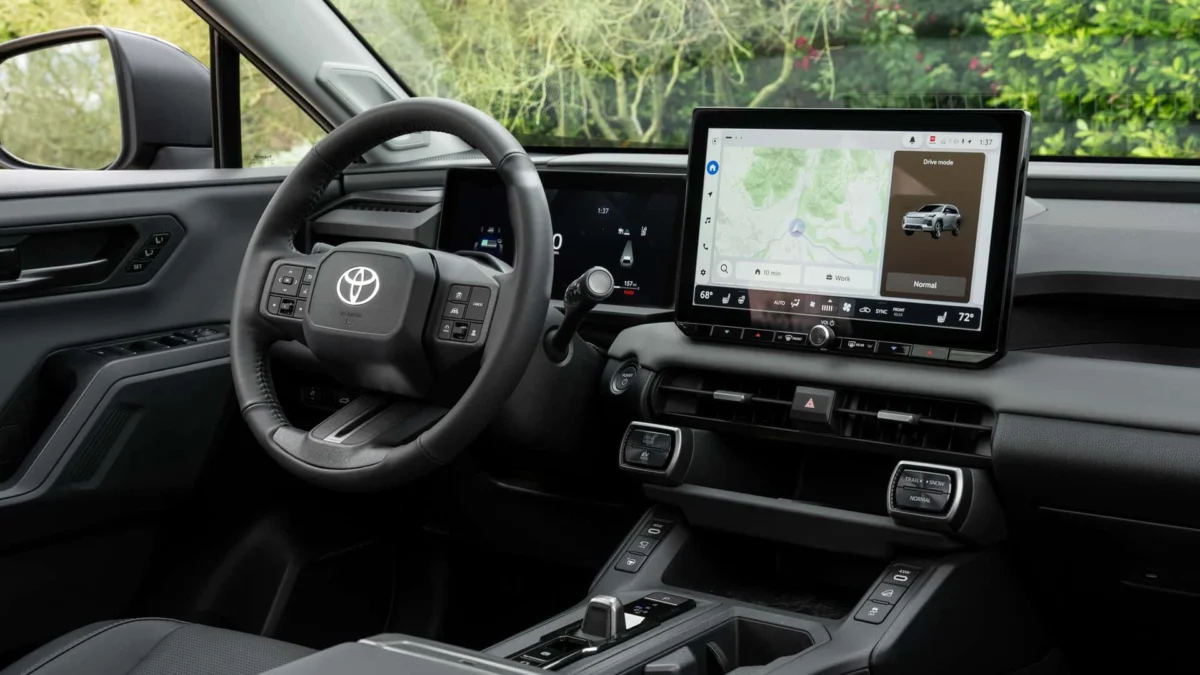
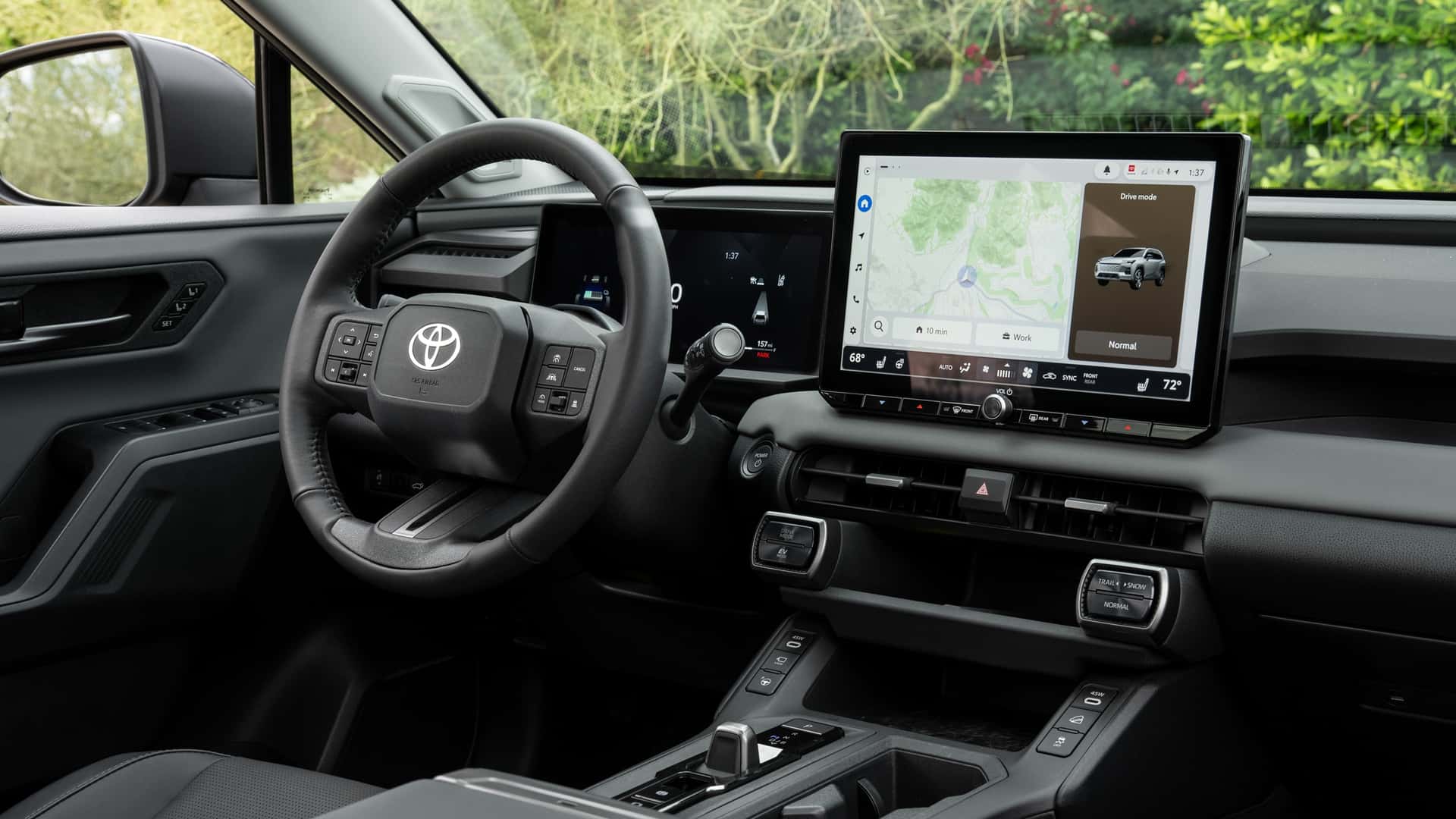
When Toyota set out to design the sixth-generation RAV4, the directive was clear: modernize the cabin experience by consolidating functions into a centralized infotainment display. Like many of its peers, Toyota sought to minimize clutter, aiming for a sleek, futuristic aesthetic that prioritized screen real estate over the traditional tactile feedback of knobs and buttons.
The result was a cockpit where essential functions were migrated to the digital realm. While Toyota wisely retained physical controls for critical functions like temperature and volume—a decision that has spared the model from some of the more vitriolic criticism leveled at rivals—the reliance on the screen for secondary tasks became a point of internal contention. Engineers and designers faced "a lot of drama" during the development phase as they debated which controls to keep physical and which to relegate to the digital menu.
Yoshinori Futonagane: An Open Dialogue with Customers
The current status of the RAV4’s interior is not necessarily a permanent one. In a candid interview with the Australian publication Drive, Yoshinori Futonagane, the chief engineer behind the RAV4, acknowledged that the automaker is actively evaluating the feedback loop between the vehicle and its users.
"It’s an open item at the moment," Futonagane admitted, referencing the ongoing internal deliberations regarding whether the company needs to reinstate physical switches for a broader range of vehicle functions. When pressed on the possibility of a design pivot, his answer was direct: "If necessary, yes, we will."
This level of transparency from a high-ranking engineer is significant. It signals that Toyota is not merely following a design trend for the sake of market alignment, but is treating the ergonomics of the cabin as an evolving requirement dictated by the end-user.
The Global Pushback: Why Buttons Are Making a Comeback
The resistance to button-less interiors is not merely a niche complaint from automotive journalists; it is a global phenomenon. In recent years, consumers have voiced growing frustration with "menu-diving"—the act of navigating multiple layers of digital interfaces just to adjust basic settings like fan speed, drive modes, or driver assistance toggles.
The backlash has been particularly intense for brands that pushed the digital-first approach too far. Volkswagen, for example, faced significant criticism for its implementation of capacitive touch controls in its steering wheels and center consoles, which users found unintuitive and prone to accidental activation.
Interestingly, the demand for tactile feedback is universal. Futonagane noted that even in the Chinese market, where consumers typically embrace cutting-edge technology and expansive digital displays, there was pushback against the total removal of knobs. "They didn’t want it. They wanted knobs and switches," he told Drive. As a direct result of this consumer sentiment, Toyota is already beginning to reintroduce physical switches to various models specifically tailored for the Chinese market, proving that the company is willing to adapt its design language to regional preferences.
Industry Trends: A Divided Landscape
The automotive industry is currently split into two distinct camps regarding interior ergonomics. On one side are the "minimalists," such as Mazda, which has doubled down on its screen-centric philosophy. Despite the broader industry chatter, Mazda has defended its move to eliminate almost all buttons, arguing that voice control and steering-wheel-mounted inputs are sufficient for the modern driver.
On the other side are the "traditionalists," including brands like Kia, Audi, and increasingly, those reacting to the vocal demands of their customer base. These manufacturers are finding that physical buttons serve a functional purpose that screens simply cannot replicate: muscle memory.
When a driver needs to adjust the climate control while navigating heavy traffic, the ability to reach out and turn a physical dial without diverting their eyes from the road is not just a preference—it is a safety feature. The haptic feedback provided by a click or a turn is instantaneous and requires no cognitive load, whereas navigating a digital submenu requires visual verification.
The Psychology of Tactile Interaction
To understand why this shift is happening, one must look at the ergonomics of driving. Human beings are tactile creatures. We rely on the physical sensation of a button depressing to confirm an action has been taken. When a screen is used, the driver must look at the interface to confirm that the input has been registered, especially if there is no acoustic or haptic feedback from the display.
As vehicles become more autonomous and feature-rich, the complexity of these menus has grown exponentially. What was once a simple adjustment of the radio has become a multi-step operation. For Toyota, the risk of alienating its loyal, reliability-focused customer base by forcing them into a "tech-heavy" experience that feels cumbersome is a risk they seem increasingly unwilling to take.
The Implications for the RAV4 and Beyond
If Toyota does decide to reintroduce physical buttons to the RAV4, it would represent a landmark shift in the industry’s trajectory. It would serve as a powerful validation of the "consumer-first" design philosophy, demonstrating that even a global giant is willing to walk back an aesthetic trend if it interferes with the core utility of the product.
For the RAV4, a vehicle that prides itself on practicality and versatility, adding back buttons could arguably enhance its value proposition. It would bridge the gap between the modern, high-tech infotainment systems that buyers expect and the reliable, easy-to-use interface that has made the RAV4 a perennial best-seller.
Furthermore, this pivot could influence other manufacturers. If Toyota—a company known for its massive scale and disciplined manufacturing processes—decides that buttons are a necessary feature, it provides a "green light" for other automakers to abandon the minimalist trend.
Conclusion: A Balanced Future
The battle over the car interior is far from over. While the digital revolution in automotive design has brought us incredible advancements in navigation, connectivity, and entertainment, it has also highlighted the irreplaceable value of physical, tactile controls.
Toyota’s openness to listening to its customers suggests that the future of the cabin might not be entirely digital, nor entirely analog. Instead, we are likely to see a "best-of-both-worlds" approach: large, high-resolution screens for deep information and entertainment, paired with physical switches for the functions that drivers use every single day.
As we look toward future iterations of the RAV4, the question remains: will the next model feature a return to the classic knob? Given the signals from Toyota’s engineering team and the growing global chorus of drivers demanding more intuitive cockpits, it is a development that seems increasingly likely. In the end, the most advanced car is not the one with the most screens, but the one that makes the driving experience as seamless, safe, and intuitive as possible. And sometimes, the most sophisticated solution is still the simplest one: a button.