The history of the automobile is often written in boardrooms and measured in quarterly earnings, but the true soul of the industry resides in the grease-stained workshops where the impossible was first dared. In 1926, six brothers—Alfieri, Bindo, Carlo, Ettore, Ernesto, and Mario Maserati—did just that, emerging from a humble garage in Bologna to challenge the established titans of the automotive world. Their journey, a saga of engineering brilliance, familial loyalty, and unparalleled grit, is now being immortalized in a major motion picture: Maserati: The Brothers.
With the release of the film’s official trailer, the automotive and cinematic worlds have collided. Directed by Bobby Moresco, the project promises to be more than a simple brand history; it is a high-stakes drama about the birth of a legend. Boasting a star-studded cast that includes industry heavyweights Al Pacino, Anthony Hopkins, Andy Garcia, and Jessica Alba, the film is poised to introduce the story of the Trident to a global audience that may know the logo, but not the men behind it.
The Narrative Arc: A Story of Italian Resilience
At its core, Maserati: The Brothers chronicles the early, tumultuous years of the Maserati family. Unlike the corporate giants of their era, the Maserati brothers were artisans who relied on ingenuity rather than vast capital. The film navigates their transition from specialized mechanics to racing legends, focusing heavily on the technical and emotional hurdles they faced while trying to establish an Italian marque that could compete on the world stage.
Filming, which took place between the industrial heartland of Modena and the historic soundstages of Cinecittà in Rome, sought to capture the grit of the 1920s and 30s. The production team has invested heavily in period accuracy, ensuring that the transition from a cramped Bologna workshop to the sleek, high-speed world of international grand prix racing feels visceral and authentic.
The Italian cast brings a necessary layer of cultural authenticity to the project. Michele Morrone steps into the pivotal role of Alfieri Maserati, the visionary leader of the group, while Salvatore Esposito and Lorenzo De Moor portray Bindo and Carlo Maserati, respectively. Their performances are expected to ground the film in the familial bonds that were the true fuel for the brothers’ ambition.
A Chronology of the Trident: From Workshop to Legend
To understand the gravity of the film, one must look at the timeline of the Maserati rise. The following chronology highlights the key moments that shaped the brand:
- 1914: Alfieri Maserati establishes "Società Anonima Officine Alfieri Maserati" in Bologna. Initially, the operation focused on the development and modification of existing race cars.
- 1926: The turning point. The brothers design and build the "Tipo 26," the first car to wear the Maserati badge and the famous Trident logo, inspired by the Fountain of Neptune in Bologna.
- 1932: The tragic death of Alfieri Maserati. The family is forced to regroup, with the surviving brothers showing immense resolve to keep the company’s racing aspirations alive.
- 1937: The Adolfo Orsi family purchases the company. While the brothers remain involved in engineering for a period, the brand transitions into a new corporate phase.
- 1939–1940: The "Golden Era." Maserati achieves back-to-back victories at the Indianapolis 500, cementing their status as a global superpower in motorsport.
- 1947: The introduction of the A6 1500, marking the company’s successful pivot toward grand touring road cars while maintaining their competitive racing edge.
The Indianapolis 500: The Climax of the Narrative
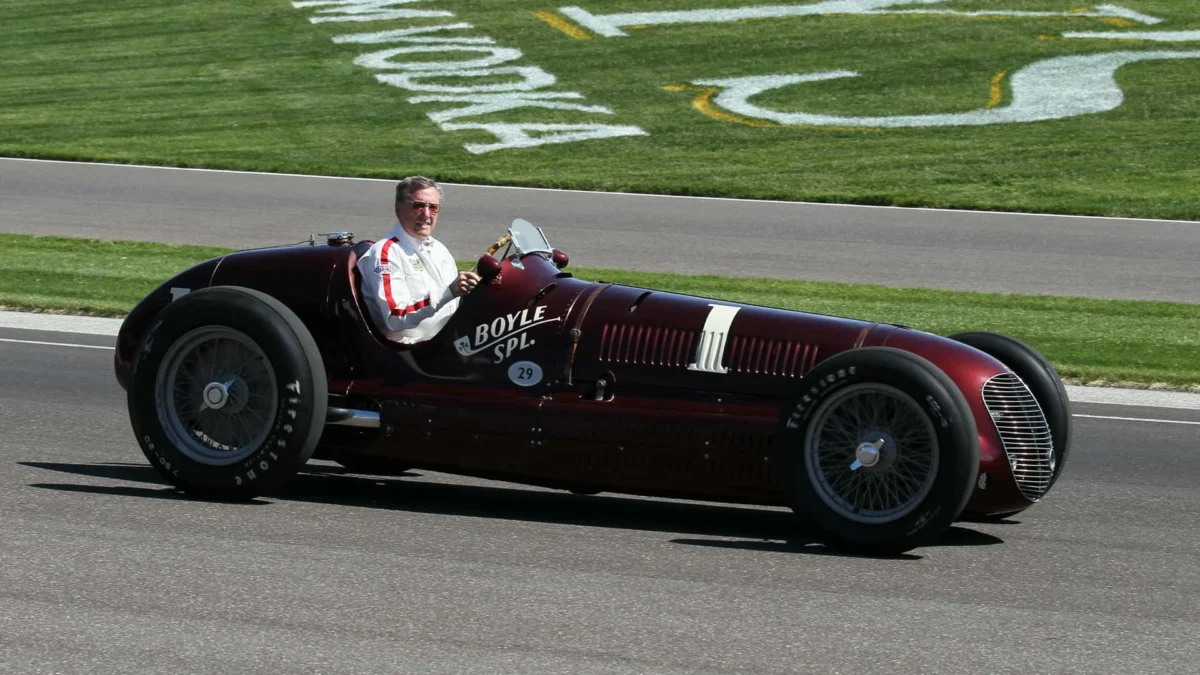
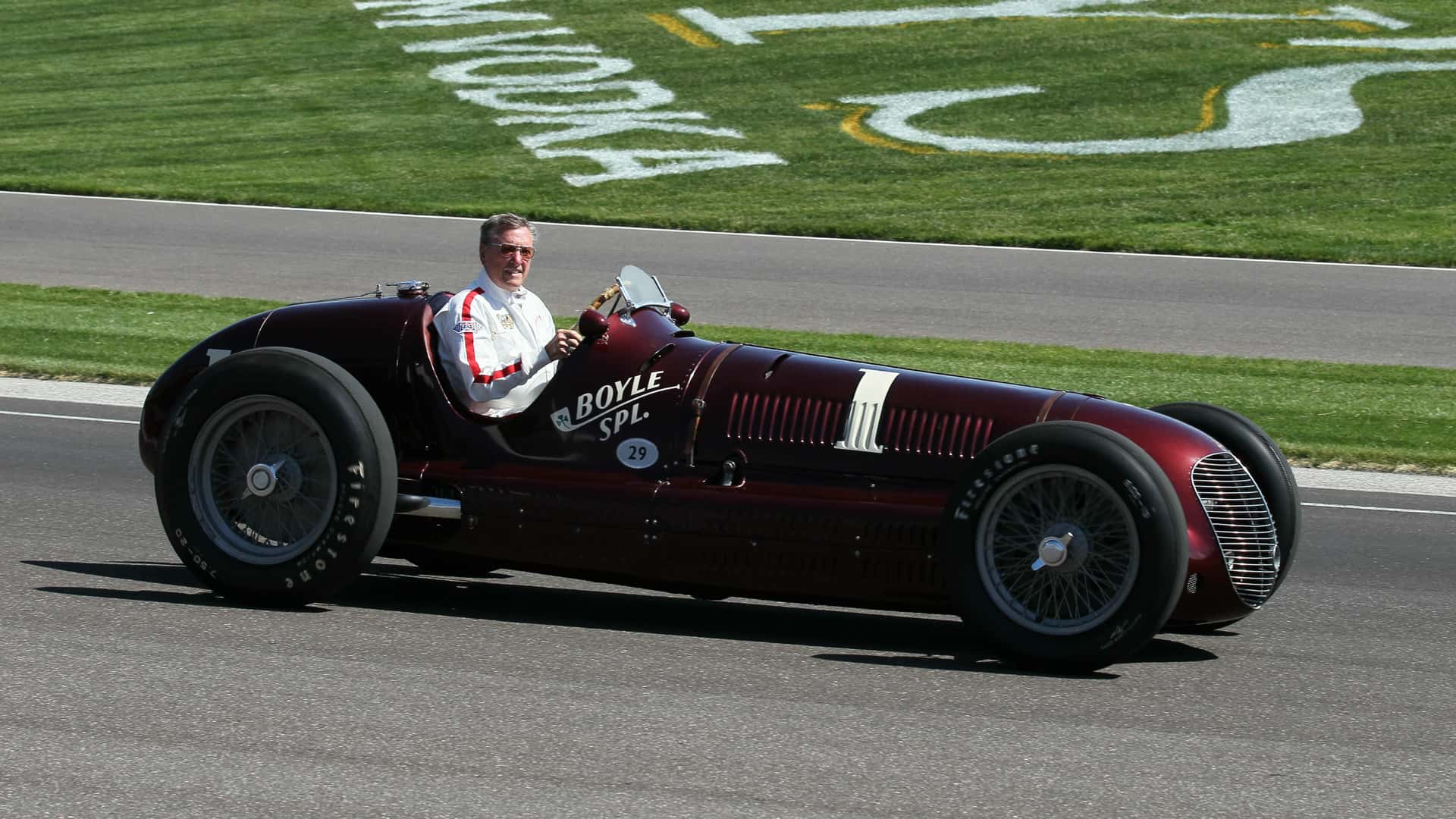
Perhaps the most dramatic segment of the film focuses on the 1939 and 1940 Indianapolis 500. During this era, the 8CTF "Boyle Special" dominated the Brickyard. This was not merely a racing victory; it was a cultural triumph. Even today, Maserati remains the only Italian manufacturer to have won the Indianapolis 500 under its own name at the finish line.
While other Italian companies have found success at Indy as chassis suppliers or technical partners, the Maserati victory was a total triumph of the marque. The film uses this chapter as the narrative climax, illustrating how a small, family-run business from Bologna managed to outmaneuver the well-funded American and European racing teams of the pre-war era. For the filmmakers, this represents the ultimate "David vs. Goliath" story, serving as the bridge between their origins and the global status the brand holds today.
Supporting Data: The Legacy of Innovation
Maserati’s current marketing and brand identity remain inextricably linked to this history. The recent release of the GT2 Stradale—a vehicle explicitly designed to honor 100 years of the Trident—is part of a broader strategy to connect modern performance with historical excellence.
Data from the automotive sector suggests that the "heritage factor" plays a massive role in luxury vehicle sales. For Maserati, the story of the brothers serves as a cornerstone of their brand equity. By framing their current engineering projects, such as the Nettuno engine or the Project GT4, within the context of their historical racing pedigree, Maserati effectively bridges the gap between the 1926 garage and the 21st-century showroom.
Official Responses and Industry Reception
While the film is currently deep into post-production, the industry reception has been overwhelmingly positive. Magenta Light Studios, which is handling the US distribution, has expressed high confidence in the film’s crossover appeal. The combination of an underdog story and Hollywood A-listers is seen as a winning formula to capture both gearheads and fans of historical biopics.
Notorious Pictures, responsible for the Italian release, has penciled in a tentative target of October 15, 2026. This date is symbolically significant, as it would mark the centennial decade of the brand’s first formal car launch. While the date is not yet set in stone, it underscores the strategic importance of the film to Maserati’s global brand strategy.
The Implications: Why Now?
The production of Maserati: The Brothers comes at a time when the automotive world is undergoing its most radical transformation since the invention of the internal combustion engine. As the industry pivots toward electrification and software-defined vehicles, manufacturers are increasingly looking back to their "DNA" to remind consumers of the human element behind their machines.
For Maserati, this film is a statement of identity. In an era where many car companies feel like faceless, multinational conglomerates, the story of the six brothers is a reminder of the passion, risk, and personal sacrifice that built the automotive landscape.
The film is expected to:
- Elevate Brand Awareness: By reaching audiences outside of the traditional automotive enthusiast circles, the film will broaden the appeal of the Maserati brand.
- Solidify Heritage: It provides a definitive version of the company’s history, effectively "owning" the narrative of the Italian automotive pioneer.
- Drive Interest in Modern Classics: Much like the Ferrari biopic did for the Prancing Horse, Maserati: The Brothers is likely to spark a surge in interest regarding the company’s vintage racing machines and the current lineup.
Conclusion: A Cinematic Milestone
As we look toward the 2026 release, it is clear that Maserati: The Brothers is more than a film; it is a legacy project. It captures the essence of the Italian spirit—a mixture of mechanical obsession and emotional fervor—that defines the Trident. For the audience, it offers a glimpse into a time when cars were hand-built, races were won with raw courage, and a small family in Bologna could dream of changing the world.
Whether or not the film achieves the same critical success as its predecessors in the "automotive biopic" genre, its impact on the Maserati brand will be profound. It serves as a bridge, connecting the past to the future, and ensuring that the names Alfieri, Bindo, Carlo, Ettore, Ernesto, and Mario are remembered not just as founders, but as the architects of a legend that continues to race, evolve, and inspire.