Executive Summary: A Region on the Brink
The geopolitical stability of the Middle East—and by extension, the global economy—faces its most precarious moment in decades. Following a series of kinetic military exchanges in the Strait of Hormuz, United Nations Secretary-General António Guterres has issued an urgent, high-level appeal for the United States and Iran to resume diplomatic negotiations immediately.
The volatility follows a weekend of rapid-fire military escalations that have transformed a vital commercial artery into a burgeoning theater of war. With the US launching a massive retaliatory strike against 140 targets and the Iranian Islamic Revolutionary Guard Corps (IRGC) retaliating against regional US assets, the international community is bracing for the potential of a full-scale regional conflict. The UN warning, delivered on Sunday, underscored that any further escalation could trigger "catastrophic consequences" for global security and economic stability.
Chronology of the Crisis
The current cycle of violence represents a significant deviation from previous "shadow wars" in the region. The escalation unfolded in a rapid, cascading sequence of events over the weekend of July 11–12, 2026:
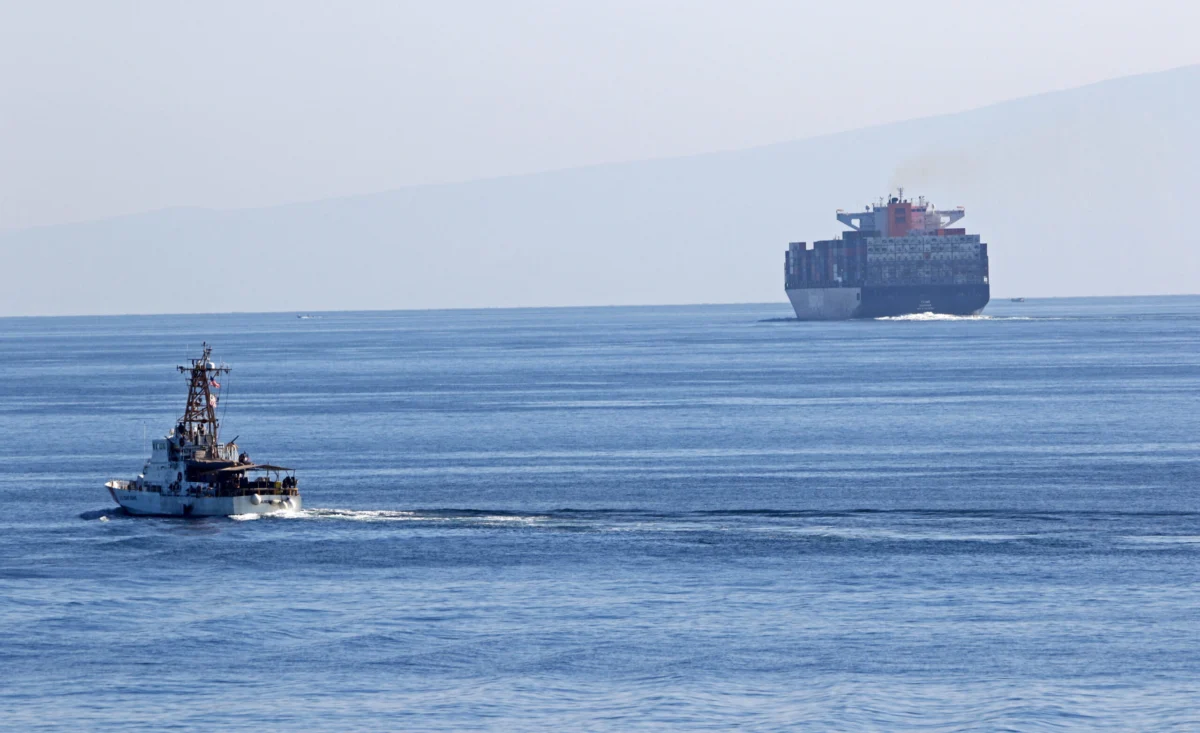
- The Catalyst: On July 11, US Central Command (CENTCOM) reported that a Cyprus-flagged commercial container ship was targeted by the IRGC while transiting the Strait of Hormuz. CENTCOM labeled the act as a "blatant attack" on international shipping.
- The Initial Retaliation: By Saturday, the United States responded with a comprehensive military operation, striking approximately 140 targets linked to Iranian military infrastructure.
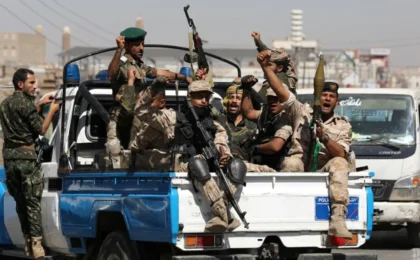
- The Regional Conflagration: In a rapid counter-move, the IRGC claimed responsibility for ballistic missile and drone strikes against US military bases in Jordan. Furthermore, intelligence reports indicate that Iranian-aligned projectiles targeted key infrastructure in the United Arab Emirates, Bahrain, Kuwait, and Oman.
- The Closure: Amid the chaos, the IRGC declared the Strait of Hormuz "closed," claiming that their initial action was merely a warning shot against a vessel utilizing an "unauthorized" shipping route.
- Humanitarian Impact: By Sunday, the UK Maritime Trade Operations (UKMTO) confirmed that a container vessel near the Strait had been set ablaze, forcing the crew to abandon ship. The vessel remains unidentified, but the incident highlights the extreme physical danger now faced by commercial mariners in the region.
The Strategic Importance of the Strait of Hormuz
The Strait of Hormuz is not merely a waterway; it is the world’s most critical energy chokepoint. Located between Oman and Iran, it connects the Persian Gulf with the Gulf of Oman and the Arabian Sea.
Supporting Data and Economic Vulnerability
- Energy Flows: Approximately 20% of the world’s total petroleum consumption passes through this narrow passage. Any sustained closure or threat of violence in this region historically triggers an immediate, aggressive spike in global oil prices.
- Commercial Seafarers: According to UN estimates, roughly 6,000 seafarers are currently stranded aboard dozens of vessels trapped in the conflict zone. These individuals are effectively being held in a high-risk combat environment, unable to safely proceed or turn back.
- Maritime Insurance: Following the attacks, maritime insurance premiums for vessels operating in the Persian Gulf have surged to record levels. Many shipping conglomerates have already begun re-routing vessels around the Cape of Good Hope, a maneuver that adds weeks to transit times and significantly inflates the cost of consumer goods globally.
The International Maritime Organization (IMO) has issued a formal recommendation for all commercial vessels to avoid the Strait until safety guarantees can be established. However, for many ships already inside the Gulf, evacuation is proving logistically difficult and dangerous.
Official Responses and Diplomatic Friction
The United Nations Perspective
Secretary-General António Guterres has positioned himself as the primary mediator, emphasizing the "serious escalation" of the conflict. In his statement, he specifically highlighted the need for the "full freedom of navigation." The UN’s concern is twofold: the immediate loss of life and the secondary economic collapse that would follow a prolonged closure of the Strait. Guterres has called on both Washington and Tehran to exercise "maximum restraint," a plea that currently appears to be falling on deaf ears as both sides harden their military postures.
The US Position: CENTCOM’s Stance
US Central Command maintains that the conflict was initiated by Iran’s "unprovoked" and "blatant" aggression against a civilian vessel. The US military argument rests on the principle of freedom of navigation, a cornerstone of international law. By striking 140 targets, the US has signaled that it will not tolerate the weaponization of the Strait. However, this aggressive posture has clearly backfired by triggering a multi-front response from the IRGC across several Gulf states.
The Iranian Narrative
The IRGC’s rhetoric remains defiant. By framing their actions as a response to "outside interference," Iran is attempting to justify the closure of the Strait as a domestic security measure rather than an act of international aggression. By claiming the vessel in question was on an "unauthorized route," the IRGC is asserting its own regulatory authority over the waterway—a direct challenge to the US-led maritime security frameworks that have governed the region for decades.
Implications for Global Security and the Economy
The Risk of Regional Spillover
The involvement of Bahrain, Kuwait, Oman, and the UAE in the recent missile strikes indicates that the conflict is no longer a bilateral standoff between the US and Iran. The threat of a multi-nation war is now a reality. Regional powers are now caught in the crossfire of a superpower rivalry, raising questions about the stability of the Gulf Cooperation Council (GCC) member states.
Economic Aftershocks
The global economy is currently fragile, still navigating the complexities of post-pandemic recovery and inflationary pressures. A sustained closure of the Strait of Hormuz would be an economic "black swan" event. Energy markets, already volatile, would likely enter a period of extreme, long-term disruption.
Furthermore, the "just-in-time" supply chain models that define modern global trade are heavily reliant on the predictability of the Strait. The uncertainty regarding whether a vessel will be fired upon, seized, or denied entry will likely lead to massive supply chain bottlenecks, causing shortages in everything from refined petroleum products to basic consumer electronics.
The Path Forward: Diplomacy or Deterrence?
The international community remains deeply divided on how to resolve the crisis. Some Western allies are advocating for a robust "maritime escort" mission, similar to Operation Earnest Will in the 1980s, to ensure safe passage. Others, led by the UN, insist that only a diplomatic reset can prevent the situation from spiraling into a total war.
As of Sunday evening, there were no indications of an immediate ceasefire. The IRGC continues to hold the Strait in a state of suspended closure, and US naval forces remain on high alert. The world is watching with bated breath, waiting to see if the rhetoric of the UN Secretary-General can overcome the momentum of military escalation. For the 6,000 seafarers caught in the middle, and for the global economy, the stakes could not be higher.
In the coming days, the international diplomatic community will likely convene emergency sessions at the UN Security Council. Whether these talks will lead to a de-escalation of the current hostilities or serve as a mere formality in a march toward broader conflict remains to be seen. What is clear is that the status quo in the Strait of Hormuz has been irrevocably shattered.