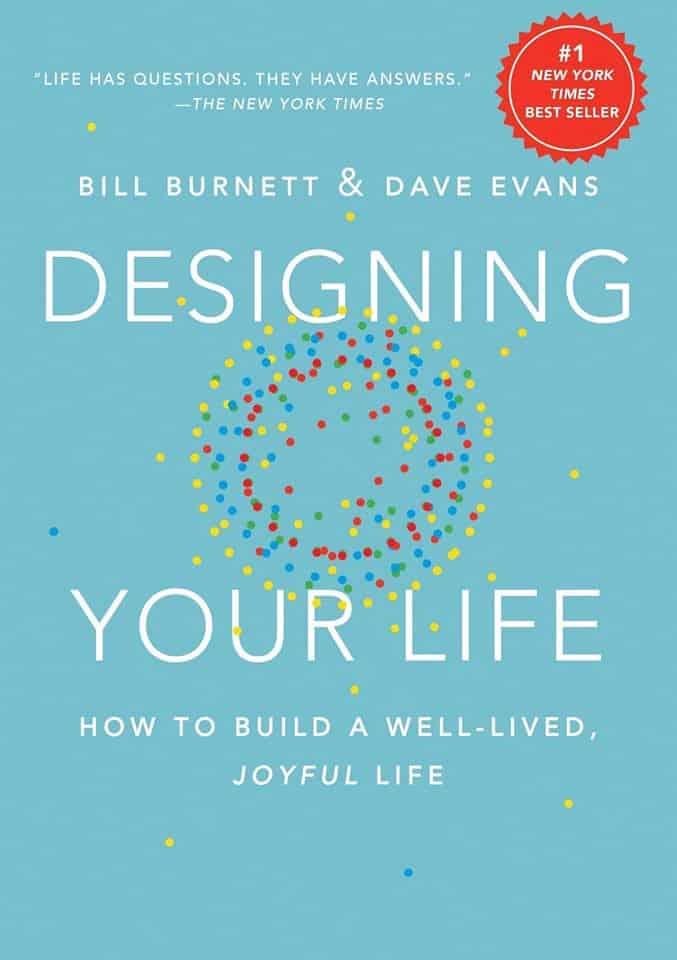
In an era defined by professional burnout and a pervasive search for meaning, the quest to "find oneself" has moved beyond the realm of philosophy and into the laboratory of design thinking. Last week, we explored the transformative potential of Designing Your Life, a seminal work by Stanford professors Bill Burnett and Dave Evans. The duo argues that the same rigorous principles used to build iconic technologies—prototyping, iteration, and empathy—can be applied to the most complex engineering challenge of all: the human life.
This report documents the initiation of a multi-month experiment, conducted in collaboration with a small cohort of peers, to apply these design principles to real-world career and life paths.
The Core Methodology: Starting Where You Are
The foundational principle of the Designing Your Life curriculum is deceptively simple: "Start where you are." While often cited in the context of personal finance—the equivalent of calculating one’s net worth before drafting a retirement plan—the concept holds equal weight in life design.
Before one can plot a trajectory, one must possess a clear, unvarnished map of the current landscape. Burnett and Evans advocate for a comprehensive self-assessment across four critical domains: Health, Love, Play, and Work.
This process is not designed to be an immediate call to action or a catalyst for drastic change. Rather, it serves as a diagnostic snapshot. Just as a physician requires blood work to assess a patient’s health, a life designer requires this "dashboard" to identify areas of stagnation versus areas of abundance. Once the current coordinates are established, the individual can begin the work of constructing a metaphorical compass.
Chronology: The Evolution of the Life Design Experiment
The decision to move from passive reading to active application was spurred by peer engagement. After recommending the book to friends, a collective agreement was formed: we would work through the exercises as a structured cohort. The participants include the author, my long-term partner Kim, and a former college classmate, Craig.
Phase 1: The Compass Building (Weeks 1-2)
The initial phase of the experiment focused on the "Compass"—the synthesis of a Workview and a Lifeview. A Workview is a formalization of one’s philosophy regarding labor, compensation, and the role of professional activity in a broader societal context. A Lifeview is a broader meditation on meaning, morality, and the individual’s role in the cosmos.
On Tuesday evening, a virtual working session was held to compare results. The findings were striking: despite divergent life paths, there was a profound alignment in core values. The discussion gravitated toward the concept of "Right Livelihood," a Buddhist principle concerning work that does not cause harm and contributes to the welfare of others, and "Ikigai," the Japanese term for the intersection of passion, mission, vocation, and profession.
Supporting Data: Comparative Perspectives on Purpose
The following reflections, shared by Craig and myself, offer insight into how two individuals with shared educational backgrounds interpret the intersection of labor and morality.
The Workview Comparison
Craig’s perspective on labor emphasizes the tangible:
"I work for money happily for a while, but experience, learning, and growth are essential if I am to remain happy for long. Work for money, or status, clouds any effort with petty concerns… Confidence that the work I am doing is fair, supports life, and does not do permanent harm to natural systems is important to me."
My own perspective, while focused on the professional landscape of digital resource creation, mirrors this sentiment:

"Work plays several roles for me. It’s my primary means to earn money, but it’s also a chance to spend time in a way that brings fulfillment while contributing something to society at large. My aim is to transform my professional output into a valuable, reliable resource for those mastering their money."
The Lifeview Comparison
The Lifeview exercise forced a deeper confrontation with existentialism. Craig noted:
"There is no god, but the human search for meaning… is somehow comforting. In the end, laughter is the only reasonable response to life’s vicissitudes."
My own conclusion aligns with the pursuit of rational self-centeredness:
"I believe that life has no inherent meaning. I choose to see it as an opportunity to create my own… Morality is about one thing only: How you treat other people. I believe I can make the most difference in the world by working from the center outward."
Intellectual Context and Official Perspectives
The striking alignment between these two sets of views suggests that our shared academic environment played a formative role. Both Craig and I attended Willamette University, an institution guided by the motto non nobis solum nati sumus—"not unto ourselves alone are we born."
This concept of "social capital"—a term popularized by Robert Putnam in Bowling Alone—served as a recurring theme in our discussions. We observed that the current erosion of social fabric in the United States may be a result of a decline in community-based engagement, and we hypothesized that intentional "life design" must account for the reconstruction of these bonds.
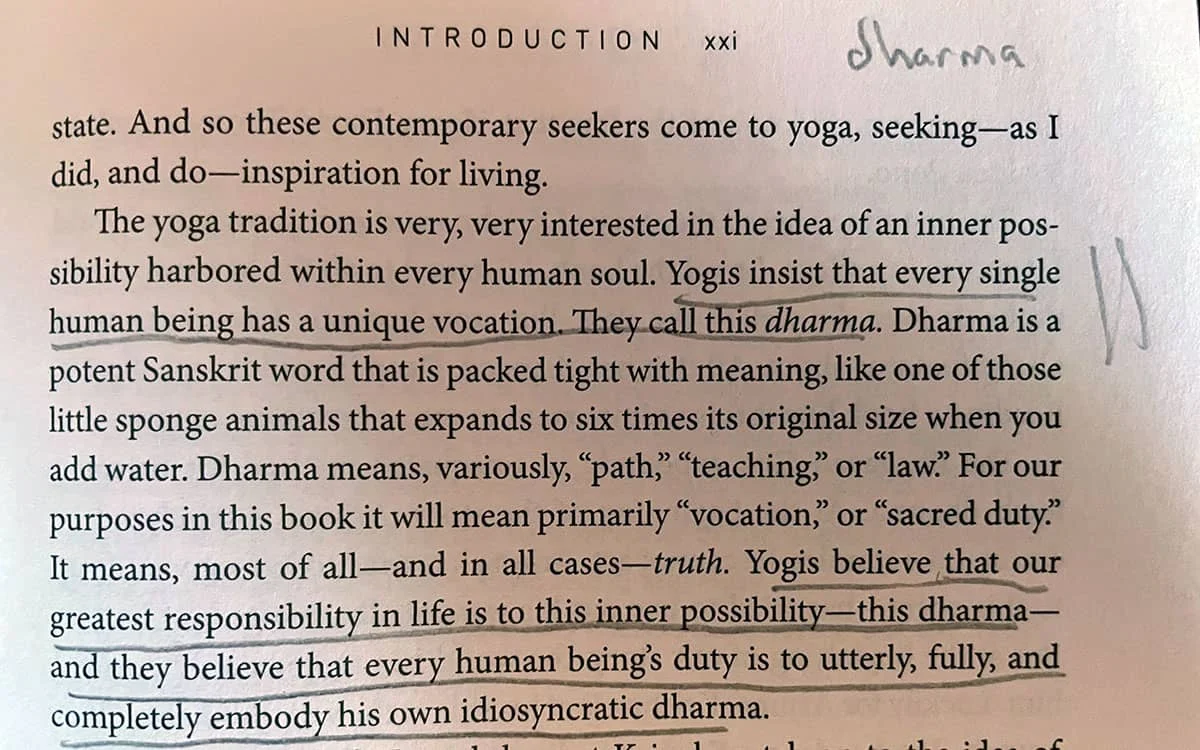
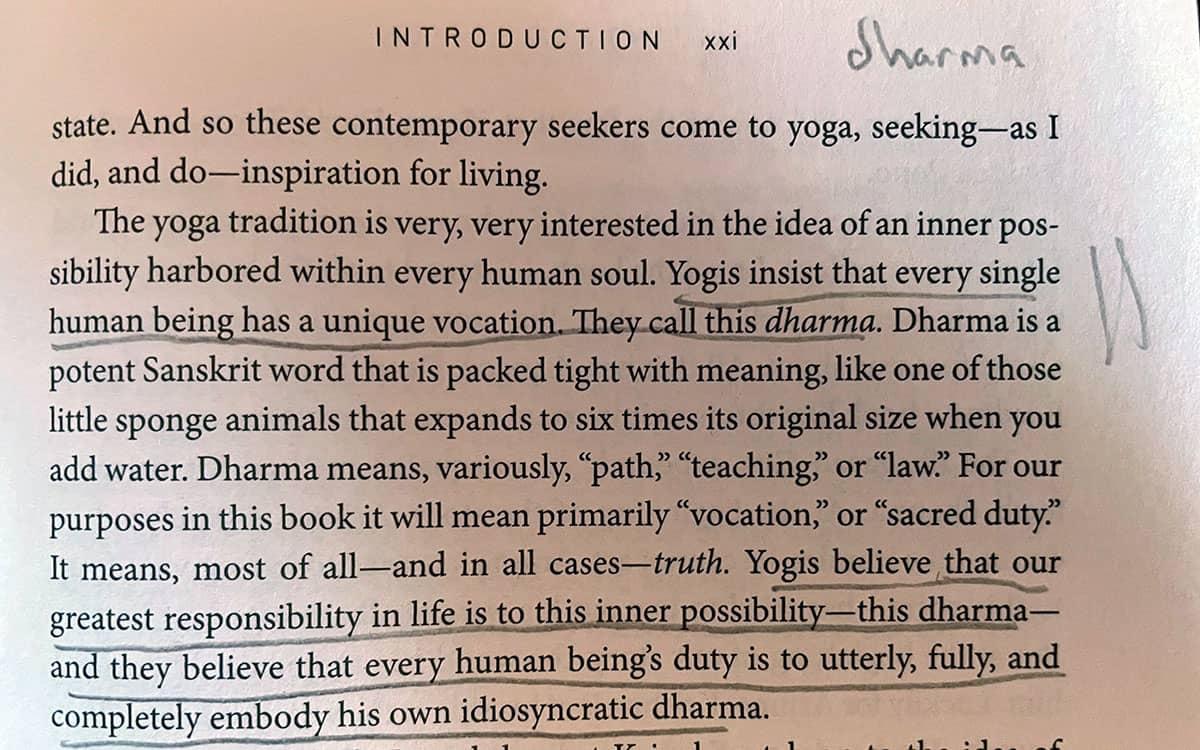
Furthermore, the work of Stephen Cope in The Great Work of Your Life offers an academic parallel to our findings. Cope’s exploration of "personal dharma" reinforces the idea that the internal compass is not merely an individual construction but an alignment with one’s natural duty to the collective.
Implications for Future Growth
The initial phase of this experiment has yielded three significant implications:
- The Necessity of Alignment: Without a clear Workview and Lifeview, professional decisions are often reactive. By defining these views, individuals can filter opportunities through a lens of personal mission, preventing the common trap of "career drift."
- The Power of Cohorts: Engaging in this process with others acts as a force multiplier. The act of sharing these essays with a trusted peer provides accountability and reveals blind spots that are often invisible to the individual in isolation.
- Iterative Refinement: Life design is not a static event. The "Good Time Journal"—our next planned exercise—will require us to log our activities and track energy levels, moving from theoretical mission statements to empirical data collection.
Looking Ahead: The "Good Time Journal"
For the next fortnight, our cohort will shift from the philosophical to the granular. We are implementing a "Good Time Journal," where we will log daily activities and rate them based on engagement and energy levels.
This tracking will allow us to conduct a "Mind Map" of our lives, identifying the specific tasks that lead to "flow states" versus those that lead to depletion. By applying this data-driven approach to our daily schedules, we aim to uncover the concrete patterns that constitute a meaningful, sustainable life.
In conclusion, the practice of Designing Your Life is not merely about finding a better job or a more fulfilling hobby. It is an exercise in intentionality. By starting where we are, building a compass through deep self-reflection, and remaining open to the iterative nature of the process, we are reclaiming agency over our futures. As we move into the prototyping phase of our experiment, we remain committed to the belief that the most important project we will ever manage is our own path through the world.