Washington D.C. – The intricate and often tumultuous landscape of collegiate athletics faces a pivotal moment as the Senate Commerce Committee prepares for a markup session on June 18. At the heart of the discussion is a bipartisan measure, the "Protect College Sports Act," which proposes sweeping changes to the financial and governance structures of university sports, a bill that has garnered the rare backing of President Donald Trump.
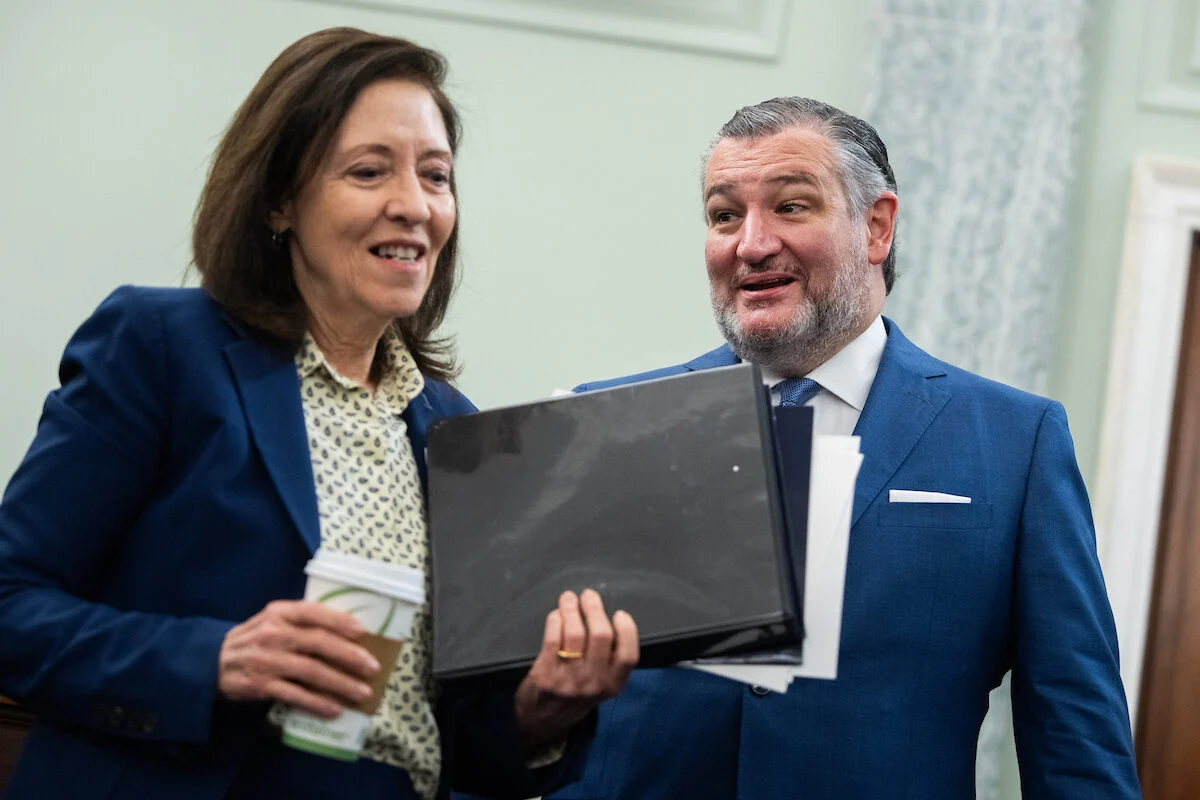
This legislative effort, co-authored by Ranking Member Maria Cantwell (D-Wash.) and sponsor Chair Ted Cruz (R-Texas), represents a monumental undertaking to standardize rules for student-athletes’ Name, Image, and Likeness (NIL) earnings, address the burgeoning "arms race" in revenue sports, and potentially reshape the power dynamics within the NCAA and its member institutions. However, the path to reform is fraught with contentious debates, with significant amendments anticipated and strong opposition from some of the nation’s most powerful athletic conferences.
Main Facts: A Bid to Stabilize a Shifting Landscape
The "Protect College Sports Act" emerges from a period of unprecedented upheaval in collegiate athletics. The advent of NIL compensation, the proliferation of the transfer portal, and escalating coach salaries have fundamentally altered the traditional amateur model, leading to calls for federal intervention to create a more equitable and sustainable system. The proposed legislation seeks to address these multifaceted challenges head-on, aiming to provide a national framework where a patchwork of state laws currently reigns.
Key provisions within the initial draft of the bill include:
- Nationwide NIL Rules: Establishing a uniform set of regulations for student-athletes to monetize their name, image, and likeness, replacing the current fragmented system that varies significantly from state to state. This aims to create a level playing field for recruitment and athlete compensation.
- Limited Antitrust Power: Granting the NCAA, or a newly established national governing entity, some limited antitrust authority to enforce its rules consistently across the country. This provision is designed to provide the regulatory body with the necessary tools to maintain order and prevent unfair practices.
- Potential Revenue-Sharing System: Introducing a framework for revenue sharing if a sufficient number of schools (specifically 102 of the 138 Football Bowl Subdivision institutions) agree to participate. This aims to distribute a portion of the vast revenues generated by college sports more directly to student-athletes.
- Neutrality on Employee Status: The bill deliberately remains neutral on the contentious question of whether student-athletes should be classified as university employees, a legal and financial quagmire that could have profound implications for institutions and athletic departments.
- Prohibition of Superconferences: A critical provision designed to prevent the formation of massive, breakaway leagues, such as a hypothetical merger of the existing members of the Southeastern (SEC) and Big Ten conferences. This aims to preserve competitive balance and prevent further consolidation of power among a few elite institutions.
The bill’s bipartisan authorship—a rare feat in today’s polarized political climate—underscores the perceived urgency and broad recognition of the issues plaguing college sports. President Trump’s vocal endorsement further amplifies its significance, signaling a strong desire from the executive branch to see comprehensive reform enacted swiftly.
Chronology: The Road to a Markup
The journey to this pivotal markup session has been a lengthy and arduous one, reflecting the complexity and deeply entrenched interests within collegiate athletics.
A History of Disruption: The seeds of the current crisis were sown years ago, with increasing scrutiny of the NCAA’s amateurism model and its restrictions on athlete compensation. Landmark court cases, most notably NCAA v. Alston in 2021, chipped away at the NCAA’s authority, paving the way for states to pass their own NIL laws. This created the very "patchwork" system the current bill seeks to rectify. The rise of the transfer portal, allowing athletes greater freedom to move between institutions, further destabilized the traditional recruitment and team-building processes.
Legislative Genesis: Recognizing the escalating chaos and the NCAA’s diminished capacity to regulate itself effectively, Senators Cantwell and Cruz embarked on drafting federal legislation. Their collaboration, described by Cruz as involving "hundreds, if not thousands of hours, negotiating this bill," highlights the immense effort required to bridge ideological divides on such a contentious issue. The bipartisan nature of their partnership, with Cruz representing a traditionally conservative stance and Cantwell often advocating for consumer and athlete protections, reflects a shared concern for the future of college sports.
Early Hearings and Discussions: The legislative process gained public momentum with a Commerce Committee hearing on June 3. During this session, senators expressed a clear urgency to act, with Sen. Ben Ray Luján (D-N.M.) articulating the need to address the "mess" in the market for coaches. This hearing served as a platform for various stakeholders to voice their perspectives and for senators to signal their intentions for potential amendments.
Roundtable Insights: A more recent roundtable discussion on June 10, referenced by Sen. Cantwell, further illuminated the areas ripe for amendment. Discussions specifically focused on safeguarding non-revenue sports, particularly women’s and Olympic sports, ensuring they are not "left behind" in the pursuit of revenue generation from football and basketball. The issue of exorbitant coach salaries and their frequent movement between institutions was also a prominent topic.
Presidential Backing: On June 4, President Trump publicly endorsed the "Protect College Sports Act," urging both chambers of Congress to pass the bill and send it to his desk "this summer." This presidential mandate adds significant political weight and pressure to the legislative process, emphasizing the urgency from the highest levels of government to resolve the ongoing challenges in college athletics before the start of the fall semester and the highly anticipated athletics season.
The Upcoming Markup (June 18): The scheduled markup session is where the bill will undergo its most critical review. Committee members will propose, debate, and vote on amendments, potentially altering the bill’s scope and specific provisions. This is a crucial step in the legislative journey, determining the final form of the bill before it can advance to a full Senate vote.
Supporting Data: Unpacking the Crisis
While the article doesn’t contain raw statistical data, the narrative implicitly points to several areas where deeper contextual information helps illustrate the challenges the bill aims to address.
The "Arms Race" and its Casualties: The phrase "arms race" vividly describes the escalating financial outlays in collegiate football and men’s basketball. This isn’t just about paying "stars"; it encompasses massive investments in state-of-the-art facilities, increasingly elaborate recruiting budgets, and, most significantly, the ballooning salaries of head coaches. Top football coaches routinely command annual salaries exceeding $10 million, with long-term contracts guaranteeing even more. This financial pressure creates a zero-sum game within athletic departments, where resources poured into revenue-generating sports often come at the expense of non-revenue sports.
- Impact on Non-Revenue Sports: This "arms race" directly contributes to the termination of Olympic sports programs. Universities, grappling with budget constraints, often cut sports like gymnastics, wrestling, swimming, or track and field to reallocate funds. This disproportionately affects female athletes, raising concerns about Title IX compliance, which mandates equal opportunities for men and women in collegiate athletics. Sen. Cantwell’s emphasis on amendments to protect women’s and Olympic sports directly addresses this critical vulnerability.
- The NIL Wild West: The current NIL landscape is a chaotic mosaic of varying state laws, institutional policies, and collective agreements. For instance, an athlete in a state with robust NIL protections might be able to sign lucrative endorsement deals, while a peer in a state with stricter regulations could be severely limited. This creates an uneven playing field for recruiting, complicates compliance for multi-state conferences, and leaves athletes vulnerable to exploitation or inconsistent guidance. The bill’s push for nationwide rules seeks to bring order to this regulatory free-for-all.
The Coaching Carousel and Market Instability: Sen. Luján’s characterization of the coaching market as "a bit of a mess" is an understatement. High-profile coaches frequently jump between major institutions, often mid-season, for more lucrative contracts. The example of Lane Kiffin leaving the University of Mississippi for Louisiana State University while the Rebels were still in playoff contention is a stark illustration of how coach mobility can disrupt team stability, disappoint fan bases, and undermine institutional investment. These rapid movements are driven by the immense financial incentives offered by desperate programs, further fueling the "arms race" and creating a climate of short-termism over long-term program building.
The Specter of Superconferences: The bill’s prohibition on superconferences speaks to a deeper fear within college sports: that the wealthiest and most powerful institutions could break away, forming an exclusive league that further marginalizes smaller schools and diminishes competitive diversity. Such a scenario could lead to unprecedented financial disparities, effectively creating a two-tiered system where only a handful of mega-conferences command the vast majority of media rights revenue and recruiting talent, irrevocably altering the fabric of collegiate athletics.
Official Responses: A Divided House
The "Protect College Sports Act" has elicited a spectrum of responses, revealing deep divisions among stakeholders regarding the best path forward for collegiate athletics.
Proponents: A Unified Vision for Stability:
Senators Cruz and Cantwell, as the architects of the bill, are its most vocal champions. They view it as a necessary and urgent intervention to prevent the further decay of college sports. Cruz, during the June 3 hearing, framed the effort as a critical fight to preserve "a uniquely American institution." Their arguments center on:
- Standardization: The imperative to replace the chaotic patchwork of state NIL laws with a clear, consistent national framework.
- Fairness: Ensuring that student-athletes, particularly those in non-revenue sports, are not left behind and that their opportunities are protected.
- Preservation: A belief that federal action is the "last best chance" to stabilize a system under immense strain, maintaining the integrity and competitive balance of college sports.
- Bipartisan Consensus: Highlighting the rare bipartisan nature of the bill as evidence of its broad appeal and necessity.
President Trump’s endorsement provides significant political tailwind, aligning the executive branch with the legislative effort and adding pressure for swift passage. Furthermore, a coalition of Football Bowl Subdivision (FBS) conferences—including the Atlantic Coast (ACC), American Athletic, Big 12, Pac-12, and Conference USA—have publicly backed the bipartisan measure. Their support likely stems from a desire for a national standard that could help them compete with the financial might of the SEC and Big Ten, and potentially a more predictable regulatory environment.
Opponents: Concerns over Overreach and Unintended Consequences:
The most significant opposition comes from the two most powerful conferences in college sports: the Southeastern Conference (SEC) and the Big Ten. In a joint statement issued on June 2, they expressed their intention to work with Cruz and Cantwell to make changes, but articulated several fundamental disagreements with the initial version of the bill:
- Revenue-Sharing Proposal: Their primary grievance is the proposed revenue-sharing pool. They argue that requiring 102 of 138 FBS institutions to participate would "result in fewer student-athletes receiving direct revenue share payments." This suggests a concern that their own, more lucrative revenue streams might be diluted to support a broader pool, potentially reducing the per-athlete payment for their own highly compensated athletes. They likely seek a system that allows them greater control over how their generated revenues are distributed.
- Lack of Preemption: The conferences contend that the bill "does not meaningfully preempt the patchwork of state laws or provide the protections needed to make and enforce consistent rules." This is a crucial point, as effective federal legislation would ideally supersede state laws to create true national uniformity. Their critique suggests the bill, as drafted, might still leave room for legal ambiguity and continued state-level challenges.
- Congressional Rulemaking: The SEC and Big Ten express worry that the bill "shifts ongoing rulemaking to Congress, limiting the ability to adapt quickly as the landscape evolves." They prefer a system where an athletic governing body, rather than a slow-moving legislative branch, has the flexibility to respond to changes in college sports.
- Increased Litigation: Contrary to the bill’s stated aim of reducing legal disputes, the conferences argue it "likely expands it without offering clear alternatives for dispute resolution." This suggests concerns about the bill’s language creating new avenues for lawsuits rather than resolving existing ones.
Other Stakeholders and Anticipated Amendments:
The upcoming markup is expected to feature a robust debate over several key amendments, reflecting concerns from various quarters:
- Protection for Non-Revenue Sports: Sen. Cantwell explicitly stated her expectation for amendments "geared at those non-revenue sports" to guarantee they "don’t get left behind." This is a direct response to the "arms race" and the threat it poses to Olympic and women’s sports, potentially including stronger financial protections or enforcement mechanisms.
- Coaching Market Regulation: Following Sen. Luján’s earlier comments, amendments are anticipated to address the volatility of the coaching market, potentially restricting the movement of coaches between programs or imposing penalties for mid-season departures.
- Student-Athlete, Labor, and Civil Rights Concerns: Sen. Lisa Blunt Rochester (D-Del.) highlighted concerns raised by student-athletes, labor unions, and civil rights organizations, though she did not elaborate on specifics. Her additional worry about the bill forcing players and their families to bear legal fees in disputes points to a desire for greater athlete protection in conflict resolution.
- Targeted Antitrust and Transgender Athletes: Sen. Bernie Moreno (R-Ohio) signaled intentions to propose more targeted antitrust language for the NCAA, potentially aiming to refine the scope of its immunity. He also indicated an amendment to prohibit "men playing in women’s sports," reflecting a broader cultural debate on gender identity and athletic competition.
Implications: Reshaping the Future of Collegiate Athletics
The passage and implementation of the "Protect College Sports Act," particularly in its final amended form, would carry profound implications for every facet of collegiate athletics.
For Student-Athletes: The most direct impact would be on their ability to monetize their Name, Image, and Likeness. A national standard could provide clarity, consistency, and potentially stronger protections against exploitation. However, the details of the revenue-sharing model and how it interacts with individual NIL deals would be crucial. The bill’s neutrality on employee status leaves a significant legal question unresolved, but any subsequent judicial or legislative action could drastically alter athletes’ rights, benefits, and unionization potential. Protections for non-revenue sports would be vital for thousands of athletes whose sports are perpetually at risk.
For Institutions and Athletic Departments: Universities would face a new regulatory environment. The bill could bring some stability to NIL and transfer rules, making recruiting more predictable. However, the financial implications of revenue sharing, especially for the SEC and Big Ten, could be substantial, potentially forcing a redistribution of wealth. The prohibition on superconferences would preserve the existing conference structure, preventing an even more dramatic shift in power. Athletic departments would need to adapt their budgets, compliance offices, and recruiting strategies to the new federal mandates. The unresolved question of coach mobility could also impact hiring and retention.
For the NCAA: The bill presents a complex future for the NCAA. Granting it limited antitrust power could restore some of its diminished authority, allowing it to enforce national rules more effectively. However, the legislation also contemplates the possibility of a "to-be-established national governing entity," suggesting a potential overhaul or even replacement of the NCAA itself. This bill could either empower the NCAA to lead the new era of college sports or set the stage for its eventual transformation or obsolescence.
For College Sports as a Whole: The overarching implication is a move towards a more centralized, federally regulated system. This could lead to greater uniformity, potentially addressing issues of competitive imbalance and financial disparity. However, it also introduces Congress as a more permanent player in the governance of college sports, raising concerns about political interference and the agility of rulemaking. The "amateurism" debate, while not directly settled by the employee status neutrality, would continue to evolve under this new framework. Ultimately, the bill aims to stabilize an industry vital to American culture, but its success will hinge on its ability to balance competing interests—from athlete welfare to institutional autonomy and financial sustainability—without stifling the innovation and passion that define collegiate athletics.
As the Senate Commerce Committee convenes on June 18, the outcome of this markup will determine not just the future of one piece of legislation, but potentially the very soul of college sports, a "uniquely American institution" that its champions believe is worth fighting for. The excruciating hours of negotiation, as Cruz noted, underscore the monumental task of legislating change in an arena where tradition clashes with modernity and billions of dollars hang in the balance.