For over a decade, the NASCAR Cup Series landscape has been defined by a three-way standoff between Chevrolet, Ford, and Toyota. While the racing remains as competitive as ever, a palpable void has existed for fans of the "Mopar" faithful—a void left when Dodge withdrew from the premier series at the end of the 2012 season. However, recent whispers from the garage, bolstered by reports from The Athletic, suggest that the thunder of the Pentastar could be returning to the track sooner than anyone dared to hope.
While initial industry projections pinned a potential Dodge return to the 2028 season, internal development breakthroughs have reportedly accelerated the timeline. As Stellantis looks to reassert its dominance in the American performance market, a return to the pinnacle of stock car racing appears to be moving from the realm of "if" to "when."
The Strategic Shift: From Trucks to the Cup Series
The breadcrumbs leading to this moment were laid last year when Ram—the truck division of Stellantis—announced its intention to compete in the NASCAR Craftsman Truck Series. At the time, then-CEO Tim Kuniskis made little secret of his ambitions, explicitly stating that he wanted to rejoin the Cup Series.
The immediate hurdle was an obvious one: Dodge currently lacks a sedan or coupe in its consumer lineup that fits the traditional NASCAR template. However, with the brand aggressively pivoting toward new platforms and performance-oriented electric and hybrid architectures, the engineering roadmap is finally aligning with the requirements of the sport.
Chronology of a Potential Return
The road back to NASCAR is paved with complex regulatory, aerodynamic, and engineering challenges. According to multiple industry sources, the current status of the project is as follows:
- Early 2023: Initial discussions regarding the feasibility of a Dodge return to the Craftsman Truck Series signal a renewed interest in the NASCAR ecosystem.
- Late 2023/Early 2024: CEO Tim Kuniskis publicly expresses the desire to elevate the brand back into the Cup Series, sparking intense speculation among fans and pundits.
- Mid-2024: Reports emerge indicating that Dodge has moved beyond conceptual planning and into active development.
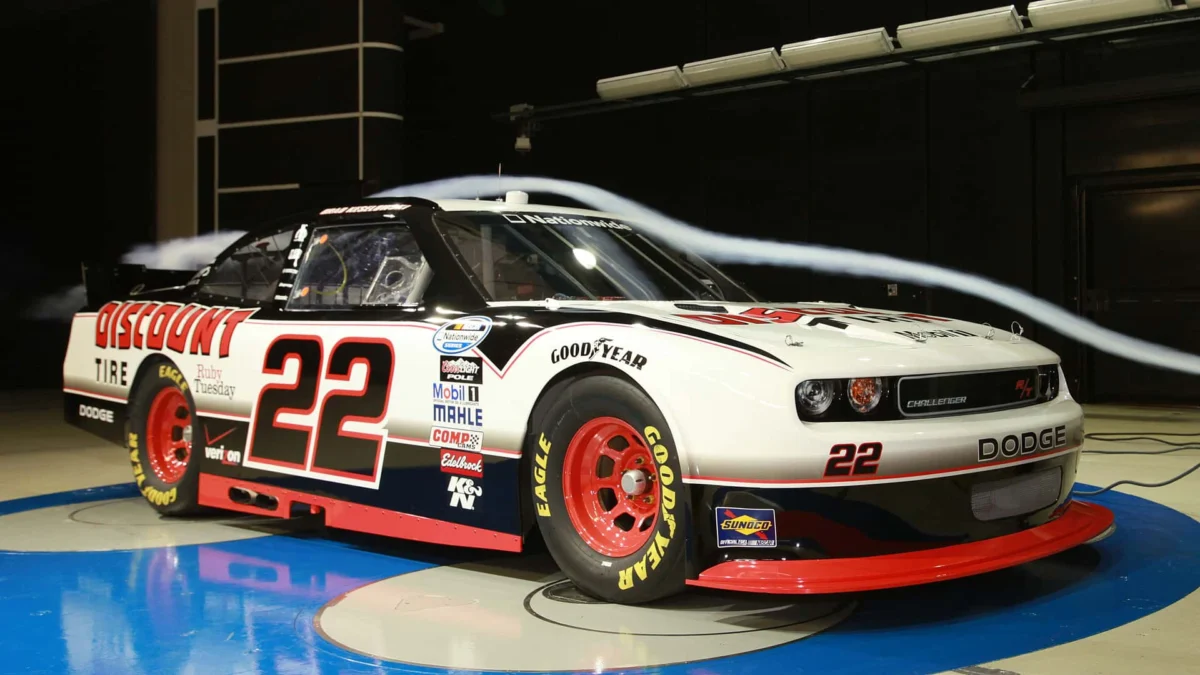
- Current Status: The manufacturer has allegedly completed initial wind tunnel testing. Engineering teams are currently tackling the most difficult hurdle: the powertrain architecture and the logistics of engine production.
Despite this momentum, industry experts caution against banking on a 2027 start date. With the NASCAR season traditionally kicking off in February, there is a narrow eight-month window to finalize, validate, and homologate a race-ready vehicle—a timeframe that, in the world of professional motorsport, is incredibly tight.
The Technical Hurdle: Engine Development
The primary obstacle facing the engineering team at Dodge is not the chassis, but the powertrain. NASCAR’s current "Next Gen" car utilizes a highly specific engine configuration that requires rigorous testing to meet parity standards with existing manufacturers.
For Dodge to enter, it must not only build an engine that meets NASCAR’s stringent performance output specs but also ensure that the engine can be manufactured at a scale and reliability level that supports multiple teams. Developing a competitive racing engine from scratch—or even heavily modifying an existing block to meet current NASCAR regulations—is an undertaking that usually spans years, not months. The fact that Dodge is currently in the thick of this phase explains why 2027 remains an ambitious, yet uncertain, target.
Supporting Data: Why Now?
Why would Stellantis, a massive global conglomerate, choose to dump millions of dollars back into the NASCAR ecosystem? The answer lies in the brand’s current identity crisis.
Dodge is currently undergoing a massive transformation, phasing out its legendary HEMI V8 engines in favor of high-performance electric and hurricane-powered inline-six platforms. To maintain its "Brotherhood of Muscle" reputation in the eyes of American consumers, the brand needs a high-visibility venue to prove that its new technology is as fast, loud, and durable as the machines of the past.
NASCAR provides the most efficient marketing vehicle for this. With millions of viewers tuning in every weekend, the "Win on Sunday, Sell on Monday" mantra remains as relevant today as it was in the 1970s. For Dodge, placing a car on the grid alongside the Chevrolet Camaro, the Ford Mustang, and the Toyota Camry provides the necessary brand validation to convince traditionalists that the "new" Dodge is still the same high-performance powerhouse.
Official Responses and Industry Sentiment
While Stellantis has remained relatively tight-lipped regarding specific dates, the consensus within the paddock is one of cautious optimism. The return of a fourth manufacturer would be a seismic shift for the sport. It would diversify the starting grid, invite new sponsorship dollars, and likely trigger a fresh wave of competition among the "Big Four."
The Athletic’s report, which highlighted the acceleration of the timeline, suggests that the project has garnered significant support at the highest levels of the company. However, the lack of an official "green light" statement from NASCAR or Stellantis leadership means the project remains subject to the whims of corporate budget cycles and technical validation.
Implications for the Sport
The return of Dodge would be a watershed moment for NASCAR. Since their departure in 2012, the sport has functioned in a stable, albeit somewhat stagnant, equilibrium. Adding a fourth manufacturer would introduce several key changes:
- Increased Parity Competition: A new manufacturer brings new aerodynamic data and engine tuning philosophies. This forces current manufacturers to innovate, potentially leading to faster cars and more aggressive racing.
- Market Diversity: The inclusion of Dodge would re-solidify NASCAR’s status as the ultimate proving ground for American performance brands.
- Fan Engagement: The "Mopar" fanbase is one of the most loyal and vocal in all of motorsport. Their return would likely result in a significant spike in viewership and merchandise sales, as fans of the brand flock back to the sport.
- Technological Innovation: As Dodge likely looks to incorporate elements of their new high-performance street technology into their race cars, we may see a more rapid evolution in how NASCAR approaches hybrid or electric integration in the future.
The Road Ahead: The Final Countdown
As we look toward the 2027 and 2028 seasons, all eyes will be on the Dodge development labs. The challenge is clear: they must condense years of R&D into a matter of months. If they succeed, we may soon see a new Charger (or a similar performance platform) battling for position at the Daytona 500.
The skepticism regarding the 2027 deadline is well-founded. Building a competitive race team from the ground up requires not just a car, but a supply chain, a talent acquisition strategy, and a logistical network that can sustain a 36-race schedule. However, if the rumors of accelerated wind tunnel testing are true, Dodge is signaling that they are not just "testing the waters"—they are preparing for a full-scale assault on the Cup Series.
For now, the racing community waits. The roar of the V8—or whatever the future of Dodge performance sounds like—is a sound that has been missing from the Cup Series for far too long. If Stellantis can navigate the remaining technical hurdles, the return of the brand would be a monumental victory not just for the company, but for the sport of NASCAR itself.
It is a high-stakes gamble, but in the world of automotive performance, the biggest risks often lead to the most iconic victories. As the calendar edges closer to 2027, the question is no longer whether Dodge wants to return, but how quickly they can make the dream a reality. The garage is ready. The fans are waiting. And the history books are open, ready for a new chapter in the Dodge NASCAR legacy.