Solo Leveling stands as a titan of the modern manhwa and anime landscape, a quintessential power fantasy that redefined the genre for a global audience. Based on Chugong’s seminal web novel and later immortalized by the late artist Dubu (Redice Studio), the series chronicles the meteoric rise of Sung Jin-woo, once the "world’s weakest" E-Rank hunter, as he transforms into the peerless Shadow Monarch.
While the series excels in delivering high-octane spectacle, kinetic action sequences, and the visceral satisfaction of a "zero-to-hero" progression, it often struggles with the collateral damage of its own focus. By centering so heavily on the solitary, relentless growth of its protagonist, Solo Leveling frequently leaves its supporting cast in the dust. Many characters, introduced with high stakes and deep backstories, are sidelined, killed off, or discarded the moment their narrative utility expires.
As the franchise continues to expand through the anime adaptation by A-1 Pictures and the ongoing spin-off Solo Leveling: Ragnarok, it is worth examining the characters whose potential was cut short—and what their absence says about the limitations of the series’ "solitary" power fantasy.
The Anatomy of a Power Fantasy
The core appeal of Solo Leveling is the "System." By introducing a video-game-like interface to a world of dungeon-crawling hunters, Chugong provided a structural blueprint for infinite growth. Sung Jin-woo’s progression is methodical, addictive, and visually spectacular. However, this structure inherently creates a vacuum. When one character is destined to become stronger than the entire world’s combined military might, the importance of everyone else inevitably wanes.
The series is, by design, about isolation. As Jin-woo levels up, the gap between him and his peers becomes a chasm. While this is thematic, it results in a narrative pattern where characters are built up as threats or allies, only to be rendered obsolete by Jin-woo’s next power spike.
Chronology of Lost Potential: A Character Breakdown
To understand the scope of this narrative imbalance, one must look at the key figures who suffered under the weight of the series’ relentless pacing.
1. Esil Radiru: The Demon Princess
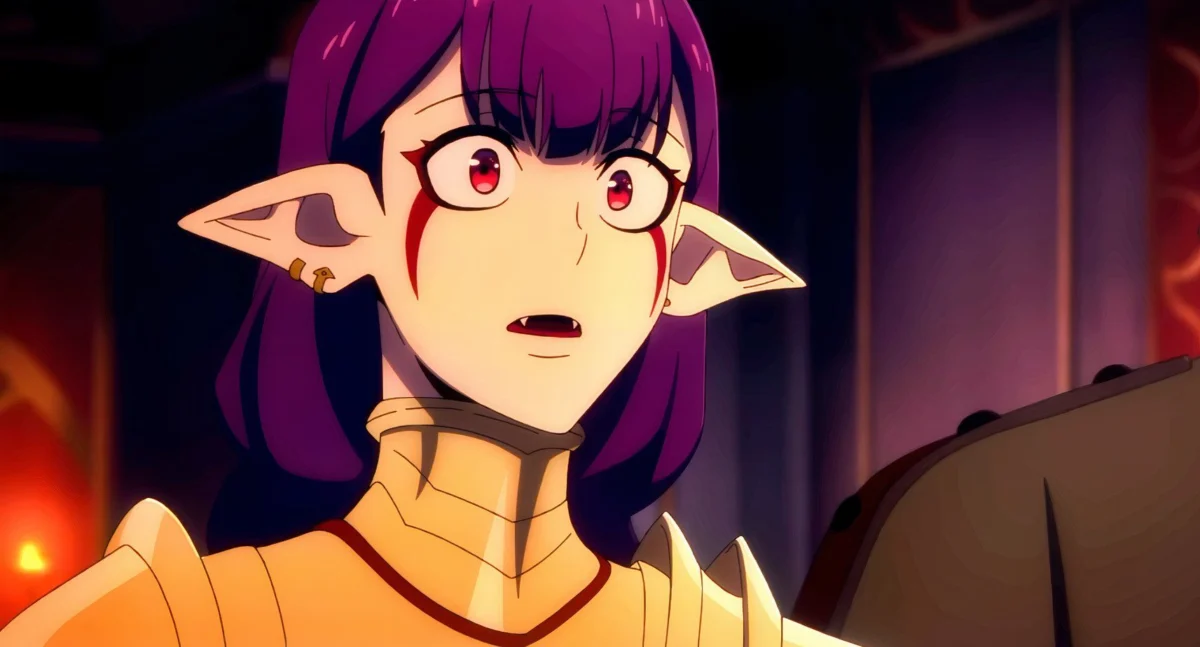
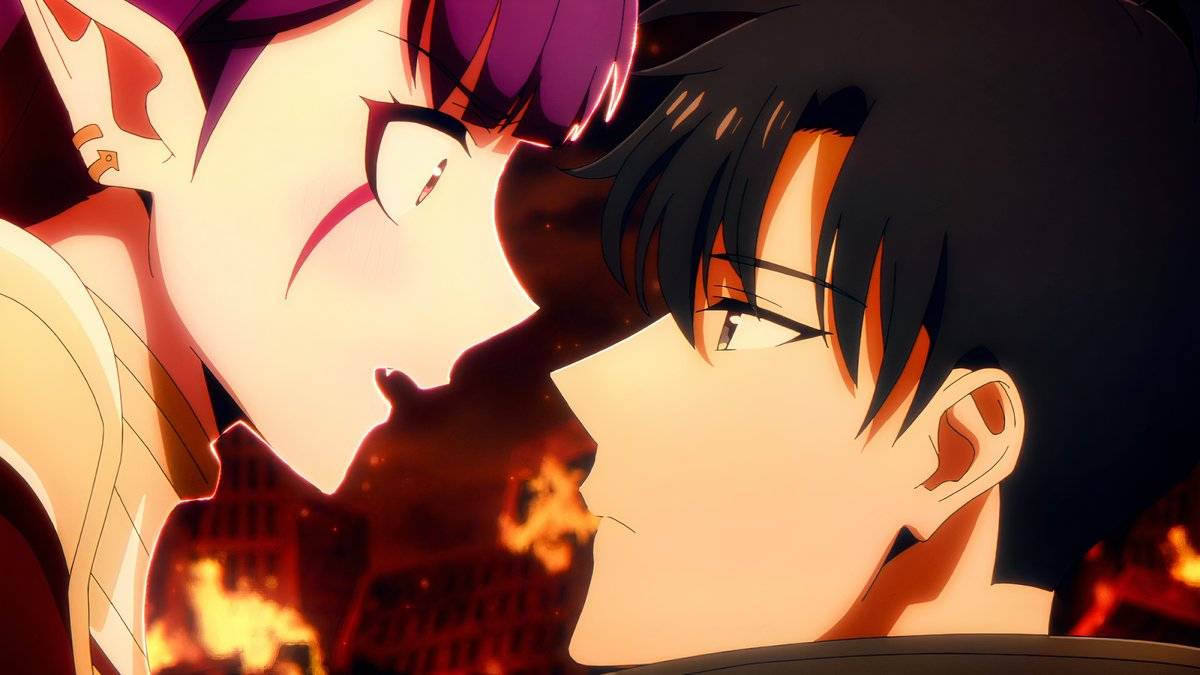
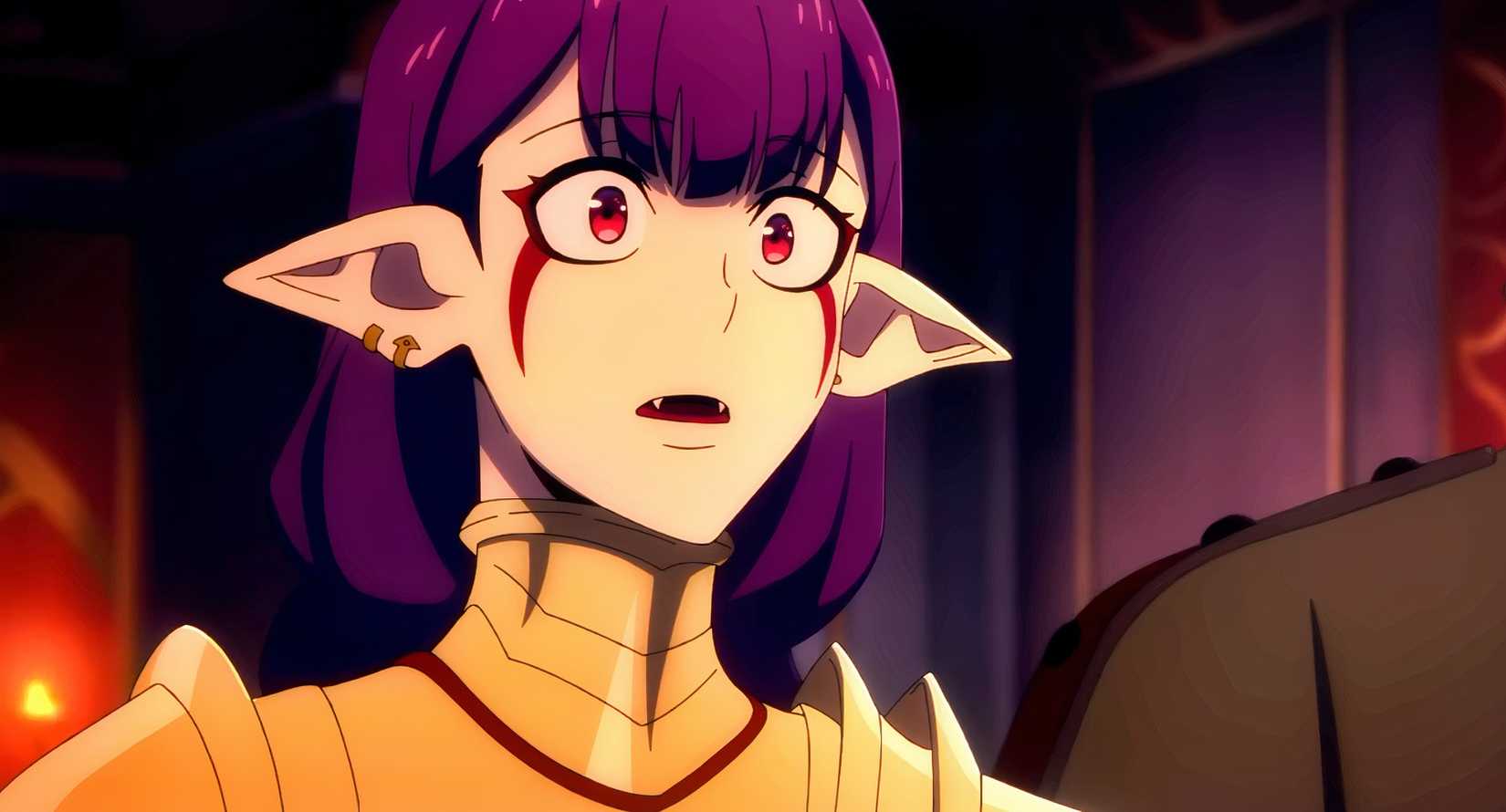
Esil is perhaps the most glaring example of a character whose potential was stifled by the brevity of her arc. Encountered on the 80th floor of the Demon Castle, the noble demon princess initially stands as an antagonist. Her transformation into an ally provides a rare, softer look at the world of the demons, hinting at a complex society that exists beyond simple monster-slaying.
Her eventual role in assisting Jin-woo against the Demon King Baran provided some much-needed levity and world-building. Yet, the manhwa largely discarded her immediately after the arc. While the Ragnarok sequel has rectified this by giving her a prominent role as the Monarch of Gluttony, the original series left her story feeling like a "one-and-done" encounter, denying readers a deeper exploration of the demon hierarchy.
2. Christopher Reed: The Fallen Icon
As one of the five National Level Hunters, Christopher Reed represented the pinnacle of human achievement. His introduction was meant to establish the sheer scale of the threat posed by the Monarchs. Instead, Reed was relegated to a plot device—a "power level" check that was killed off-screen to demonstrate how dangerous the antagonists had become.
His death at the hands of the Monarchs left a sour taste for many fans. We were given glimpses of his fire-based abilities and his status as a pillar of American defense, only to have his corpse discovered as a gruesome set-piece. Even in Ragnarok, his cycle of death continues, suggesting that for all his power, Reed was destined to be a victim of the narrative’s desire to raise the stakes for Jin-woo.
3. Lee Joohee: The Human Connection
If Jin-woo is the engine of the story, Lee Joohee was its heart. A B-Rank healer and one of the few people who genuinely cared for Jin-woo when he was a weak, struggling hunter, her presence anchored the story in human emotion. The tragedy of the Cartenon Temple was the catalyst for her trauma and eventual retirement from the hunting life.
While her choice to leave the life of a hunter is logically sound, her total disappearance from the narrative removed a crucial link to Jin-woo’s past. Her absence underscores the fundamental shift in the story: as Jin-woo moves toward godhood, the "human" stakes become less relevant, and characters like Joohee—who remind us of his humble beginnings—are pushed into the periphery.

4. Sung Il-Hwan: The Tragic Patriarch
The mystery of Jin-woo’s father, Sung Il-Hwan, was one of the most compelling subplots in the early chapters. His history as one of Korea’s first S-Rank hunters, combined with his long disappearance, promised a climactic reunion filled with emotional weight and revelations about the Rulers.
Instead, the reunion was brief, hurried, and ultimately hollow. Il-Hwan was forced into a role as a vessel for the Rulers, tasked with killing his own son. His death, which came before he could offer any real explanation or reconciliation, felt like a deliberate choice to keep Jin-woo isolated and singularly focused on his duty. For a character who spent a decade lost, the lack of a meaningful dialogue with his son remains one of the series’ greatest missed opportunities.
5. Goto Ryuji: The Flawed Antagonist
Goto Ryuji is a fascinating case because, unlike the others, he wasn’t meant to be "likable." As the strongest hunter in Japan, he represented the ugly side of the industry: political maneuvering, arrogance, and cold-blooded calculation.
His demise during the Jeju Island raid was the ultimate example of the "hubris trap." He sought to manipulate the raid to his advantage, only to be executed by the Ant King in seconds. While his death serves the narrative purpose of showing how far Jin-woo has surpassed even the best of his generation, it also cut short the story of a complex antagonist who could have provided a much more nuanced conflict than the faceless monsters that eventually took his place.
Supporting Data: The Cost of Scaling
Statistically, the "Power Gap" in Solo Leveling is exponential. By the end of the series, Jin-woo’s strength is categorized as "Monarch" level, rendering the existing ranking system (E-Rank to S-Rank) effectively meaningless.
- The S-Rank Fallacy: Out of the hundreds of S-Rank hunters mentioned, fewer than 10 are given meaningful character development.
- Death Rates: Among key supporting characters who are not part of Jin-woo’s inner circle (such as his shadow soldiers), the mortality rate exceeds 70% once they reach the high-stakes late-game arcs.
- Narrative Screen Time: In the final third of the series, over 85% of dialogue and action panels focus exclusively on Jin-woo or his immediate antagonists, leaving virtually no room for the secondary cast to resolve their internal arcs.
Official Responses and Creator Intent
The author, Chugong, has rarely addressed the criticisms regarding character depth directly. However, in various interviews surrounding the success of the webtoon, the creative team has emphasized that Solo Leveling was designed as a "refreshing" power fantasy. The intent was never to craft a sprawling epic with deep, interconnected character webs like One Piece or Fullmetal Alchemist. Instead, the focus was on the "pacing" and the "satisfaction" of the protagonist’s growth.
The producers at A-1 Pictures, when discussing the anime adaptation, have noted their desire to "expand" on the source material. By adding scenes that flesh out the secondary characters, the anime team is clearly aware that the original text is lean to a fault. They are actively attempting to provide more "breathing room" for characters like Lee Joohee and the various guild members who were glossed over in the manhwa.
Implications for the Future
The criticism of Solo Leveling’s character arcs is a reflection of the genre’s evolution. Readers and viewers today are increasingly demanding more than just "cool moments"—they want emotional payoff.
- The "Ragnarok" Correction: The existence of Solo Leveling: Ragnarok proves that the franchise is aware of its own history. By bringing back characters like Esil and giving them expanded roles, the sequel acts as a corrective measure, acknowledging that the original world-building had untapped potential.
- Adaptation as Expansion: The ongoing anime represents a second chance. If the production team continues to prioritize the internal lives of characters like Goto Ryuji or the guild members, it could elevate the franchise from a simple action series to a truly rounded epic.
- The "Solo" Problem: The fundamental question remains: Can a story about a god-like being ever truly support a rich ensemble cast? If the protagonist remains the only one capable of solving the world’s problems, then everyone else will remain a spectator. To fix this, future installments need to provide challenges that require teamwork, not just raw power.
Conclusion
Solo Leveling is a triumph of pacing and aesthetic, but it is a cautionary tale of what happens when a story’s protagonist grows too fast for its world to catch up. Characters like Esil, Reed, and Il-Hwan deserved to be more than just stepping stones or tragic footnotes. As the franchise evolves, one hopes it remembers that while Jin-woo may be the one who levels up, it is the cast around him that makes the journey worth taking. A power fantasy is only as strong as the world it threatens to destroy; by investing in its people, Solo Leveling has the potential to be much more than just a story about a man who stands alone.