For many prospective homebuyers and sellers, the current residential real estate landscape feels less like a functional marketplace and more like a stalemate. With high prices, stubborn mortgage rates, and a palpable sense of economic unease, the feeling that the market is "stuck" has become the defining sentiment of 2026.
However, beneath the surface of stalled sales and high-interest-rate anxiety, a vital distinction is emerging among economists: the U.S. housing market is not spiraling into a catastrophic collapse. Instead, it is navigating a profound, multi-year structural correction. To understand why, we must move beyond the fear-driven headlines and examine the fundamental metrics that separate today’s environment from the housing disasters of the past.
Main Facts: The Anatomy of a Correction
The current housing market is characterized by a "wait-and-see" approach. Buyers are deterred by the high cost of borrowing, while sellers are trapped by the "lock-in effect"—the reluctance to trade a historically low pandemic-era mortgage rate for today’s significantly higher borrowing costs.
This friction has resulted in a paradoxical environment:
- Sales Activity: Transaction volume has slowed significantly as the market absorbs the impact of higher rates.
- Negotiating Power: For the first time in years, the balance of power is shifting back toward buyers. Concessions, such as seller-paid closing costs or price reductions, are becoming standard practice.
- Price Stability: Unlike a crash, where values crater, we are seeing a "leveling out" in most of the country. Prices remain elevated due to a chronic supply shortage, but the breakneck growth of 2021–2022 has largely evaporated.
Chronology: How We Arrived at the Present
To understand the current state, we must look at the timeline of the last five years, which has been nothing short of a rollercoaster for the American homeowner.
2020–2021: The Pandemic Frenzy
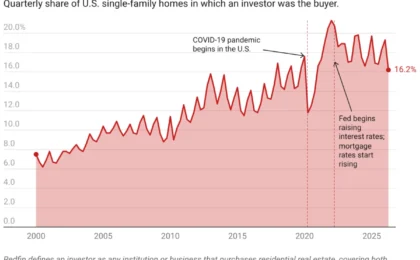
The COVID-19 pandemic acted as an accelerant for the housing market. As remote work became the standard, the desire for more space triggered a massive migration, particularly toward the Sun Belt. With interest rates at record lows, demand skyrocketed, leading to bidding wars and a rapid depletion of existing home inventory.
2022–2023: The Inflationary Shock
As the economy emerged from the pandemic, the Federal Reserve began an aggressive campaign of interest rate hikes to combat historic inflation. Mortgage rates jumped from the 3% range to over 7%, effectively slamming the brakes on demand and cooling the market overnight.
2024–2025: The Search for Equilibrium
This period was defined by a transition. The initial shock of higher rates gave way to a new, uncomfortable normal. Sellers stopped listing their homes, causing inventory to remain historically low, which paradoxically kept home prices from falling significantly, even as demand cratered.
2026: The Long-Term Correction
Today, we are in the midst of a slow-moving, structural adjustment. The market is attempting to reconcile the inflated asset prices of the pandemic era with the higher-for-longer interest rate environment. It is a period of "reset," characterized by volatility, political uncertainty, and a gradual improvement in inventory as homeowners finally decide to move despite the rate environment.
Supporting Data: Why "Crash" is the Wrong Term
The term "housing crash" implies a sudden, systemic collapse in home values fueled by oversupply and reckless lending. The data suggests we are nowhere near that scenario.
1. Stricter Lending Standards
The shadow of the 2008 Great Recession looms large over modern policy. The lending reforms enacted in the years following the 2008 crisis—specifically those requiring banks to hold more capital in reserve—have created a firewall against the kind of subprime lending collapse that defined the last crash. Underwriting is now rigorous, and borrowers today have significantly higher credit scores on average than they did in the mid-2000s.
2. Employment Stability
Historically, housing crashes are triggered by mass unemployment. When households lose their primary income, they are forced into distress sales and foreclosures. Despite recent volatility in job growth reports and the rise of AI-driven labor shifts, the national unemployment rate remains within a range that does not suggest a widespread inability to service mortgages.
3. Inventory Constraints
The "bubble" narrative is frequently countered by the reality of supply. While the Sun Belt saw a surge of new construction that has led to price drops in cities like Austin and San Antonio, the national picture remains one of a long-term housing shortage. Until the supply of available homes matches the demand of a growing population, prices are unlikely to face a sustained, catastrophic decline.
Official Responses: Insights from Industry Leaders
Redfin’s Chief Economist, Daryl Fairweather, provides a measured perspective on the current climate. "We’re in the middle of an uneven and long-term housing market correction, not a housing market crash," Fairweather notes. "The market needed a reset after the pandemic-era frenzy sent prices soaring. What we’re seeing now is a years-long comedown—slower sales, flatter prices, and buyers finally getting some leverage."
Chen Zhao, Redfin’s Head of Economics Research, echoes this sentiment, warning against the "crash" narrative that frequently emerges during seismic economic shifts. "The headlines about foreclosures and bond market yields are often overblown," Zhao explains. "Prices are slowly leveling out, and while the economy is in tumult, the fundamentals—such as wage growth and stricter underwriting—do not support the claim that we are on the precipice of a bubble bursting."
Implications: What This Means for You
For Potential Buyers
If you have the financial stability to enter the market, the current environment offers opportunities that were non-existent in 2021. You are no longer forced to participate in "blind" bidding wars or waive inspections. You can negotiate, request repairs, and take the time to find a home that fits your needs. While interest rates remain high, they are the "cost of entry" into an asset class that is slowly becoming more balanced.
For Sellers
The days of listing a home on a Friday and receiving twenty offers by Sunday are largely over. Sellers must adjust their expectations. Pricing your home realistically is the most critical factor today. Because buyers have more options and more time to deliberate, staging, transparency, and competitive pricing are the tools required to move a property in a cooling market.
The Long-Term Outlook
The path toward "normalcy" is likely to be a slow one. Experts suggest that we may not reach a state of true affordability—where the median earner spends 30% or less of their income on housing—until as late as 2031. This timeline is, of course, subject to the ebb and flow of the broader economy.
Conclusion: A Market in Transition
The anxiety felt by Americans today is understandable. We are living through a period of economic, political, and financial transition. However, conflating a "correction" with a "crash" serves only to distort the reality of the situation.
The housing market is not collapsing; it is normalizing. While the process is painful for those caught in the middle of shifting affordability, the current structure of the market—defined by higher capital reserves, stable employment, and a fundamental shortage of homes—suggests that the floor beneath home values is far more secure than it was twenty years ago. For the patient buyer and the strategic seller, this is not a time for panic, but a time for adaptation.