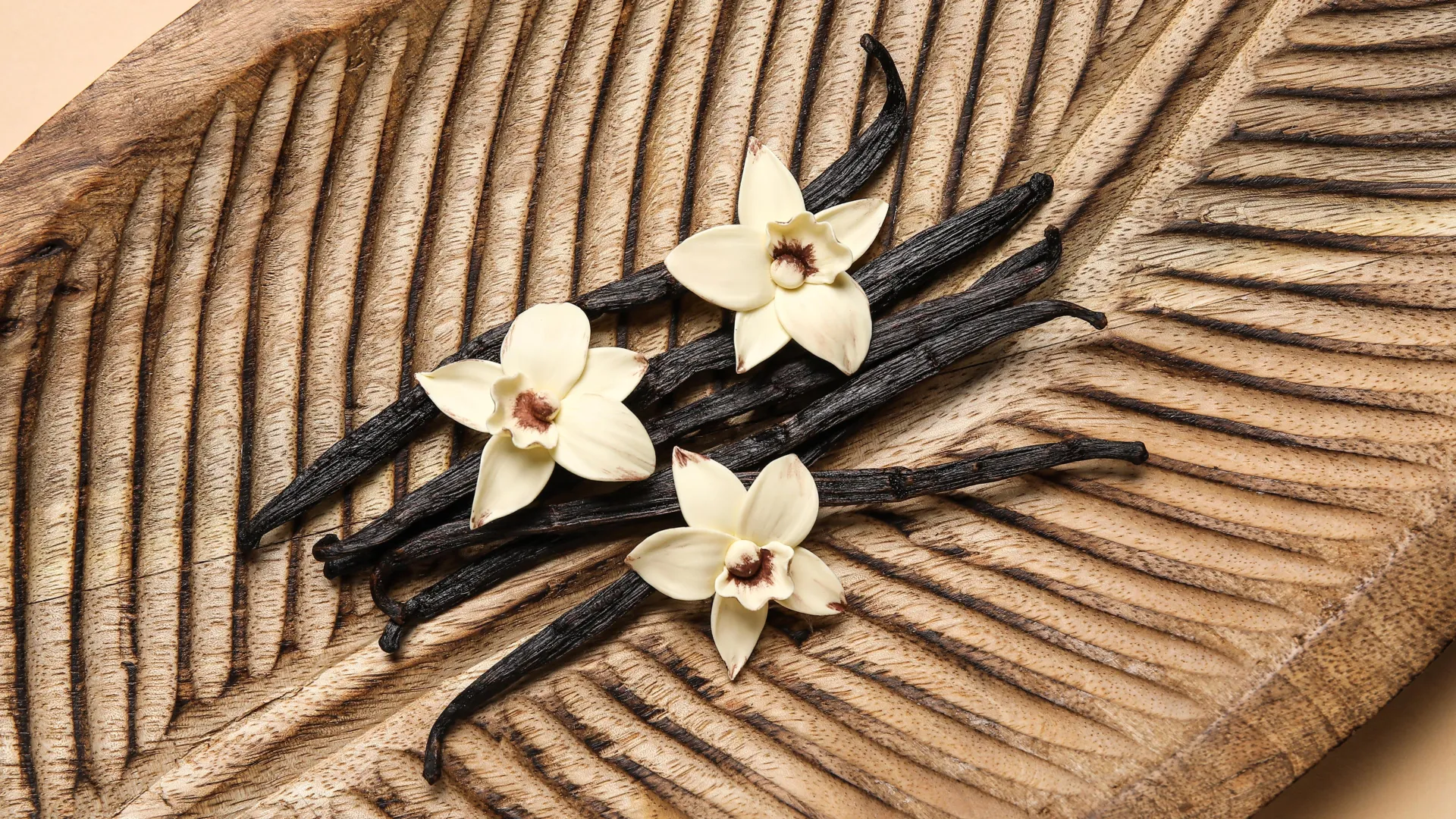
In the global culinary landscape, few scents are as universally recognized or as deeply comforting as vanilla. From the warmth of a freshly baked cake to the aromatic signature of high-end perfumes, vanillin—the primary component of the vanilla bean—has long been a staple of the human sensory experience. However, a groundbreaking investigation by scientists at Flinders University suggests that this humble flavor compound may soon transcend its role in the pantry to become a cornerstone of modern regenerative medicine.
Researchers at the university’s Biomedical Nanoengineering Laboratory have unveiled findings that position vanillin as a potent, multi-functional tool in the treatment of chronic wounds, persistent infections, and complex tissue damage. By leveraging its unique chemical architecture, scientists believe they can transform this widely available, food-grade molecule into a sophisticated medical agent capable of fighting inflammation, neutralizing bacteria, and accelerating the body’s natural healing processes.
The Chemistry of Healing: A Multidisciplinary Approach
The research, recently published in the International Journal of Pharmaceutics, delves into the molecular characteristics that make vanillin a "triple-threat" in a clinical setting. Led by Professor Krasimir Vasilev, the team identified that vanillin possesses significant antioxidant, anti-inflammatory, and antibacterial properties.
When a wound becomes chronic—such as those seen in diabetic ulcers or severe burns—the healing process is often stalled by a hostile environment. This environment is typically characterized by high levels of oxidative stress, where free radicals overwhelm cellular defenses, and persistent bacterial colonization that prevents tissue regeneration. Vanillin’s ability to act as a scavenger for reactive oxygen species (ROS) allows it to mitigate oxidative stress, effectively creating a more favorable climate for healthy cells to proliferate and repair damaged tissue.
Furthermore, its structure is remarkably versatile. As an amphiphilic molecule—meaning it possesses both hydrophilic (water-loving) and hydrophobic (water-repelling) regions—vanillin can interact effectively with both the watery environment of human tissues and the fatty components of cell membranes. This structural duality is what makes it a promising candidate for drug delivery systems, allowing it to act as a "carrier" for hydrophobic medications that would otherwise be difficult to stabilize or transport to the site of an injury.
Chronology: From Peppermint Tea to Medical Innovation
The journey toward utilizing food-derived compounds in medicine did not begin with vanilla; it was sparked by a moment of personal observation in the laboratory of Professor Vasilev.
In early 2026, the Flinders team made headlines with the publication of a study in the journal Small, which detailed the creation of a medical coating derived from peppermint oil. The inspiration for this research was surprisingly simple: Professor Vasilev noticed that consuming peppermint leaves from his tea significantly alleviated a sore throat. This anecdotal relief led to a rigorous scientific inquiry into the biological mechanism behind the plant’s soothing properties.
Using advanced plasma technology—a field in which Vasilev has over two decades of expertise—the team developed a way to apply peppermint-derived nanocoatings to medical surfaces. These coatings were engineered to combat infection and inflammation while remaining biocompatible. The success of this "peppermint project" served as a proof-of-concept, demonstrating that everyday ingredients could be harnessed through modern nanotechnology to solve clinical problems.
Following this success, the team expanded their search to other bioactive food compounds. Vanillin was a natural candidate due to its global availability, long-standing safety profile in the food industry, and distinct chemical stability. The transition from the peppermint study to the vanillin study represents a broader strategic shift at Flinders University: a systematic effort to map the "hidden" medical benefits of common substances, effectively bridging the gap between food science and advanced biotechnology.
Supporting Data: Why Vanillin Stands Out
The scientific appeal of vanillin is rooted in both its biological efficacy and its pragmatic industrial utility. In the study titled "Vanillin as a bioactive component in biomedical formulations for chronic wound healing and tissue regeneration," the researchers outlined several key factors that make vanillin a superior candidate for commercial medical development:
- Chemical Stability: Unlike many organic compounds that degrade rapidly when exposed to light or temperature changes, vanillin is exceptionally stable. This ensures that medical products containing the compound can maintain their shelf life and efficacy during transport and storage.
- The "Crosslinker" Advantage: In the creation of hydrogels and scaffolds for tissue engineering, a "crosslinker" is required to bond polymers together. Vanillin’s molecular structure allows it to function as a dynamic crosslinker, providing the necessary structural integrity for dressings that must remain in place on a patient’s skin for extended periods.
- Economic Viability: Many advanced wound care treatments involve expensive, synthesized peptides or rare biologics. Because vanillin can be mass-produced synthetically—often using materials derived from clove oil or rice—it is inherently cost-effective. This accessibility is a crucial factor for scaling production to meet the needs of hospitals and clinics worldwide.
- Safety Profile: Because vanillin is already consumed by billions of people and is recognized as safe by food regulatory bodies globally, the regulatory hurdle for its use in topical medical applications is significantly lower than for entirely new, synthetic chemical compounds.
Official Responses and Scientific Perspective
The potential for this research has been met with enthusiasm from the medical community, though the researchers remain cautious about the timeline for clinical deployment. Professor Vasilev emphasizes that while the laboratory findings are promising, the journey from the petri dish to the patient’s bedside is long and rigorous.
"Vanillin is among the most widely used flavor compounds in the global food system, valued for its sensory attributes, chemical stability and long history of safety," says Professor Vasilev. "That reliability can be transferred to other areas, such as medical uses. However, our primary focus now is to ensure that these formulations perform with the same consistency in complex human biological environments as they do in our controlled experiments."
The research team, which includes scientists Borislav Stoilov, Vi Khanh Truong, and Christopher Delaney, stresses that future work will focus on clinical testing and the optimization of delivery systems. "With coordinated engagement between academia, clinicians, and industry, vanillin has the potential to progress from an underutilized bioactive to a clinically deployable component of next-generation wound care and regenerative therapeutics," Vasilev adds.
The implications of this work are significant for the field of chronic wound management. Currently, chronic wounds—such as venous leg ulcers and pressure sores—place a massive burden on healthcare systems. These conditions are notoriously difficult to treat, often requiring long-term antibiotic therapy and frequent dressing changes. By introducing a material that simultaneously fights bacteria and promotes healing, doctors could potentially reduce the reliance on systemic antibiotics and shorten the healing cycle for vulnerable patients.
Implications for the Future of Healthcare
The broader implication of the Flinders University research is a shift in how we perceive the "bioactive" potential of our environment. For decades, the pharmaceutical industry has searched for "miracle molecules" in exotic rainforest plants or through complex computer-aided drug design. While these avenues remain vital, the work of Vasilev’s team suggests that we have been overlooking powerful, accessible, and safe compounds already sitting in our kitchens.
If vanillin-based wound dressings move into clinical use, they could represent a new paradigm in "green medicine." By utilizing sustainable, plant-based, and cost-effective ingredients, the medical industry could reduce its environmental footprint and lower the cost of advanced wound care.
Furthermore, the methodology established by the Flinders Biomedical Nanoengineering Laboratory—using plasma technology to integrate natural compounds into medical-grade materials—provides a roadmap for future innovation. Researchers are already looking at other food-derived molecules that might possess similar properties, potentially opening a pipeline of new treatments derived from familiar sources.
As the research moves toward the next phase of development, the vision is clear: creating a new class of "intelligent" bandages and coatings that do more than just cover a wound. These future products will actively participate in the healing process, cleaning the site, protecting it from further infection, and providing the structural support necessary for the body to knit itself back together.
While the "vanilla bandage" may still be a few years away from appearing in a local pharmacy, the research serves as a reminder that science often finds its most innovative solutions in the most unexpected places. Whether it is a peppermint leaf or a drop of vanilla, the answers to some of medicine’s most persistent challenges may be closer—and more familiar—than we ever dared to imagine.