The tech industry is currently gripped by a singular, all-consuming obsession: compute. As the global demand for AI-ready infrastructure skyrockets, the physical limitations of Earth-based data centers—ranging from power grid constraints to local zoning opposition—have pushed visionaries to look toward the ultimate frontier: space.
Elon Musk, the architect of SpaceX, has proposed an ambitious vision for orbital data centers, suggesting that the vacuum of space could solve the cooling and regulatory hurdles of the AI era. However, this vision has ignited a fierce debate among industry titans. Most notably, Masayoshi Son, the founder and CEO of SoftBank, has publicly dismissed the concept, arguing that the timeline for such a project is incompatible with the immediate, "do-or-die" nature of the current AI arms race.
The Core Conflict: Immediate Need vs. Long-Term Ambition
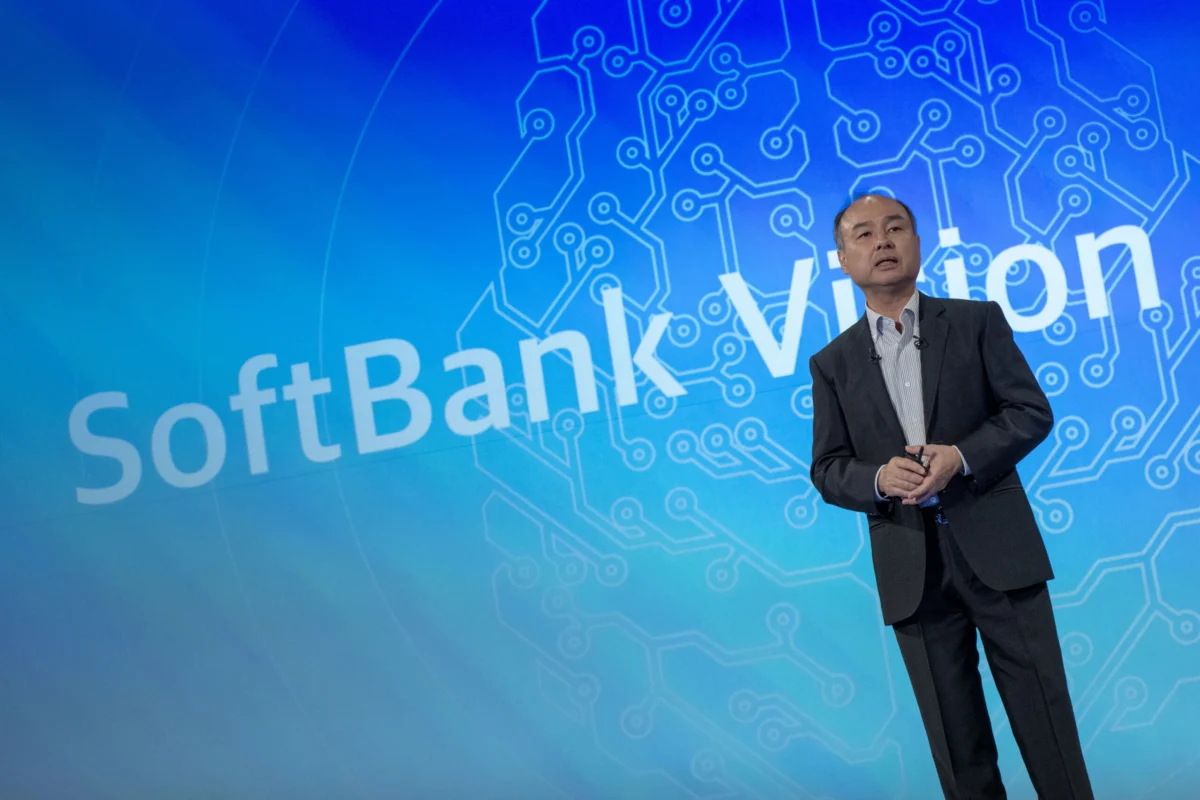
At a recent shareholder meeting, Masayoshi Son provided a sharp critique of the "space-first" data strategy. His argument is rooted in the temporal reality of artificial intelligence development. "In the battle for AI," Son asserted, "the next few years will be far more important than what might happen a decade or so from now."
For Son and his peers, the compute crisis is an immediate bottleneck. Companies are struggling to secure the tens of thousands of GPUs required to train frontier models. Building, launching, and maintaining a fleet of satellites capable of hosting high-density server clusters is, in Son’s view, a distraction from the urgent need to stabilize and expand terrestrial data infrastructure.
This skepticism is echoed by other industry heavyweights, including OpenAI’s Sam Altman, who has been vocal in his doubts regarding the feasibility and timeline of orbital computing. The consensus among these critics is that while space may hold long-term potential, it cannot serve as a bridge for the current generation of compute-constrained enterprises.
A Chronology of the "Neo-Cloud" Pivot
To understand why Musk’s orbital proposal is being treated with such scrutiny, one must look at the recent, rapid evolution of the "neo-cloud" sector. The following timeline illustrates the shifting priorities of major tech players:
- Early 2026: As the demand for AI compute reaches a fever pitch, companies that traditionally focused on hardware or consumer goods begin pivoting to become "neo-cloud" providers. This includes legacy firms and startups attempting to lease out excess compute capacity.
- April 2026: Musk publicly expands on his vision for orbital data centers, framing them as the logical conclusion for an AI-integrated economy with a total addressable market rivaling the U.S. GDP.
- May 2026: SoftBank announces a massive $75 billion investment in French terrestrial data centers, effectively putting their capital behind the "Earth-first" approach.
- June 2026: OpenAI unveils its first custom-designed AI chip in collaboration with Broadcom, signaling a move toward vertical integration to bypass third-party supply chain bottlenecks.
- Late June 2026: SpaceX secures yet another compute-leasing deal—its first since going public—with the AI lab Reflection AI. This confirms that SpaceX is actively monetizing its existing hardware while promising a future of orbital infrastructure.
The Economics of "Talking Your Own Book"
A recurring theme in the discourse surrounding orbital data centers is the concept of "talking your own book." In finance, this refers to an investor or executive promoting an idea because it aligns with their own portfolio or business interests.
In the case of Elon Musk, critics argue that orbital data centers serve a dual purpose: solving a hypothetical future problem while providing a guaranteed, long-term customer for his own launch business. As Sean O’Kane of TechCrunch recently noted, SpaceX’s dominance in the global launch market—currently sitting at 80% to 90%—is heavily bolstered by the internal demand created by its own Starlink constellation.
If Musk were to move forward with orbital data centers, those satellites would need to be launched, maintained, and frequently replaced due to the harsh conditions of space. This creates a perpetual, high-value cycle of demand for SpaceX’s rockets. By proposing a space-based data infrastructure, Musk is essentially ensuring that the primary beneficiary of the AI compute boom is his own launch platform.
Conversely, Masayoshi Son’s skepticism is equally self-serving. With SoftBank’s massive, multibillion-dollar commitments to land-based data centers in Europe and beyond, any shift in the industry toward space-based alternatives would represent a direct threat to the long-term utility of his terrestrial assets.
The Engineering and Economic Hurdles
Beyond the motivations of the players involved, the technical feasibility of orbital data centers remains a point of significant contention.
The Power and Cooling Paradox
While space offers an infinite heat sink (the vacuum of space is excellent for thermal radiation), the logistical challenges of delivering power to orbit are staggering. Solar power, while abundant, requires massive surface areas that are difficult to maneuver and maintain in low-earth orbit (LEO). Furthermore, the latency involved in transmitting massive datasets to and from space—even with high-speed laser inter-satellite links—creates a physical limit on the types of AI training that can be effectively offloaded from Earth.
The Replacement Cycle
Satellites in LEO operate in a degrading environment. Exposure to radiation, micro-meteoroids, and atmospheric drag necessitates a constant replacement cycle. Unlike a traditional data center, which can be upgraded and maintained for decades, a space-based server farm would require a permanent logistics train of rockets, fuel, and replacement hardware.
Implications: The Future of Compute Infrastructure
The industry is currently divided between two distinct philosophies:
- The Terrestrial Realists: This group, led by Son and backed by the current massive investment in data centers on Earth, believes that the solution to the AI compute crisis must be local, scalable, and immediate. They emphasize power grid optimization, custom silicon, and regional data hubs.
- The Orbital Visionaries: This camp, led by Musk, views the constraints of Earth—zoning, energy scarcity, and environmental pushback—as insurmountable obstacles to the next generation of AI growth. They see space as a "NIMBY-free" zone where the scale of operations is limited only by the frequency of rocket launches.
The Verdict on Market Sustainability
The current rush to "neo-cloud" services, where companies like Groq and even former shoe retailers are pivoting to lease compute power, suggests that the market is in a state of high-pressure experimentation. As Kirsten Korosec of TechCrunch observed, it is ironic that SoftBank—a firm famous for its "wild bets" on companies like WeWork—is acting as the voice of reason. This suggests that the risk profile of orbital data centers is viewed by the venture capital community as exceptionally high, perhaps even exceeding the threshold for traditional "moonshot" investments.
Conclusion
Whether orbital data centers become a reality or remain a visionary marketing maneuver, the debate itself highlights a profound shift in the tech industry. The "neo-cloud" era is defined by a desperate search for compute, where every player is attempting to secure an advantage by any means necessary.
As we look toward the next decade, the industry will likely see a hybrid approach. Terrestrial data centers will remain the workhorses of the AI revolution for the immediate future, while experimental projects in space—perhaps focused on niche applications like climate monitoring or secure government communications—will continue to be pushed by companies like SpaceX.
Ultimately, the battle for the future of AI infrastructure is not just a technical challenge; it is a battle for the narrative. As Musk, Son, and others continue to "talk their own books," the industry must remain focused on the underlying reality: the company that can deliver the most reliable, efficient, and accessible compute power will win the AI race, regardless of whether that compute is located in a warehouse in France or an orbit above the Earth.