For generations, the image of the Neanderthal in the popular imagination was that of a crude, brute-force inhabitant of the Pleistocene—a creature defined by heavy stone tools and survival through raw strength. However, archaeology has spent the last two decades systematically dismantling this stereotype. We now know that Neanderthals buried their dead, adorned themselves with jewelry, and mastered complex fire-making technologies.
Now, a groundbreaking study published in the journal PLOS One adds a fascinating new layer to our understanding of these ancient hominins: the possibility that they were not just engineers of stone, but budding pharmacists. Researchers have discovered that birch tar—the sticky, resinous "superglue" Neanderthals used to haft their tools—possesses potent antibacterial properties, potentially serving as a medicinal salve to treat wounds and stave off infection.
The Main Facts: A Dual-Purpose Material
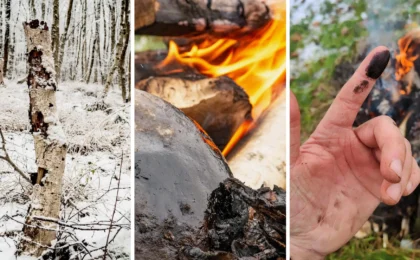
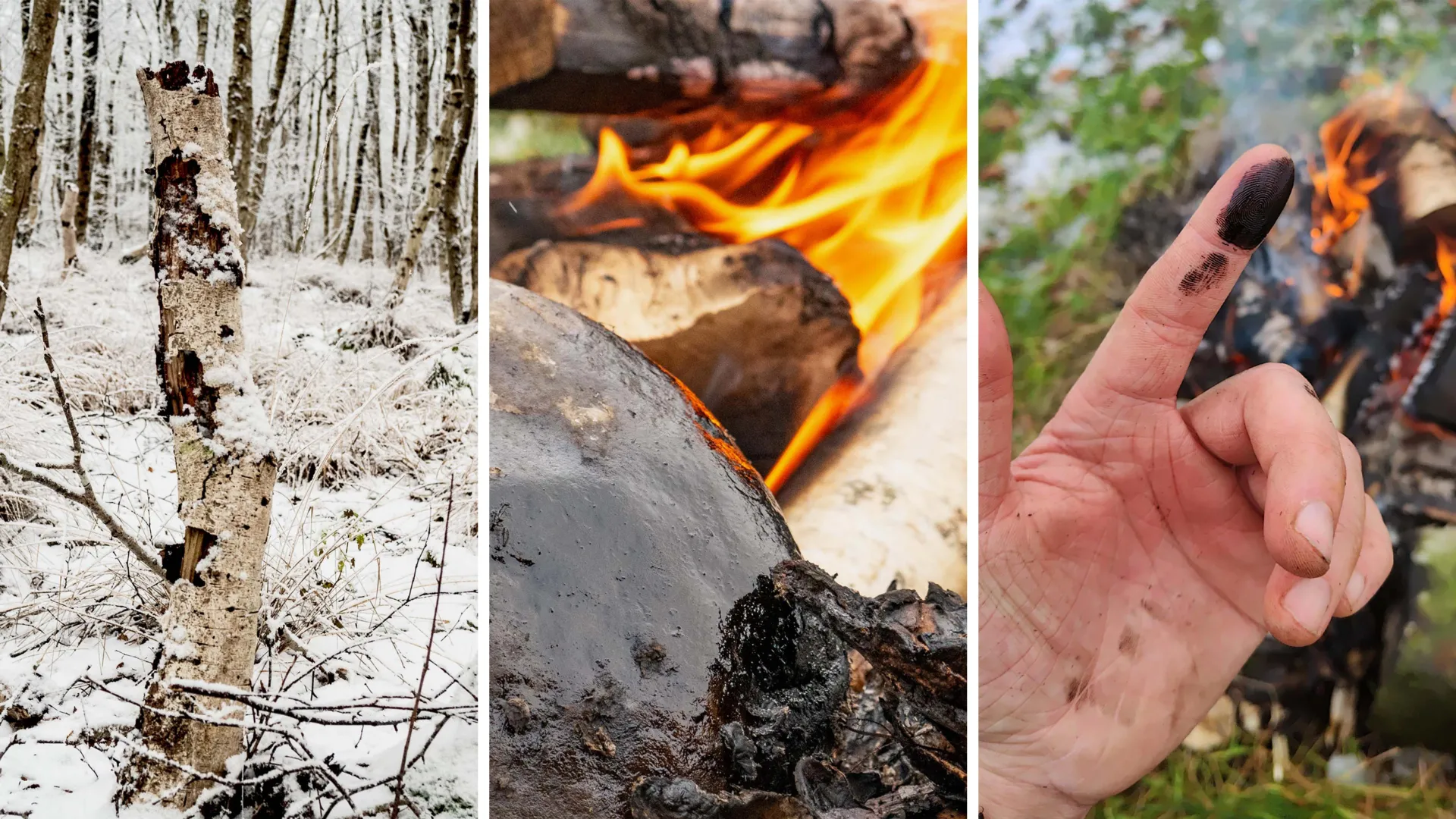
The research, led by a collaborative team from the University of Cologne, the University of Oxford, the University of Liège, and Cape Breton University, centers on birch tar (a black, viscous resin derived from birch bark). Historically, archaeologists have identified birch tar traces on stone tools throughout Europe, serving as the primary adhesive used in "hafting"—the process of attaching stone blades or points to wooden shafts. This innovation allowed for the creation of sophisticated spears and knives, significantly increasing the lethality and utility of Neanderthal hunting gear.
However, Tjaark Siemssen, the study’s lead researcher, posits that the utility of birch tar extended far beyond the workshop. By recreating authentic Neanderthal production methods and testing the resulting tar against modern bacterial strains, the team found that this substance effectively inhibits the growth of Staphylococcus aureus. This discovery suggests that what we have long categorized as a construction material may have been a vital component of the Neanderthal medicinal toolkit.
A Chronology of Discovery and Investigation
To understand the magnitude of this discovery, one must look at the evolution of our perspective on Neanderthal ingenuity.
The Era of "Simple Adhesive" (1960s–2000s)
For decades, the presence of birch tar on stone tools was treated as a technological curiosity. It was evidence of "hafting," a high-level cognitive behavior indicating that Neanderthals could perform multi-stage tasks: processing raw materials, creating an adhesive, and assembling complex tools. It was viewed strictly through the lens of physics and engineering.
The Shift Toward Ethno-Archaeology (2010–2020)
As anthropologists began studying traditional societies that utilized tree resins for various applications—ranging from waterproofing to ritualistic body paint and wound dressing—the focus shifted. Researchers began to ask: Could Neanderthals have been observant enough to notice the healing properties of the same substance they used to fix their spears?
The Experimental Phase (2021–2024)
The current research team moved beyond observation. They decided to bridge the gap between archaeology and microbiology. By sourcing tree species native to the Pleistocene, they embarked on a rigorous scientific recreation of Neanderthal production techniques. The objective was clear: determine if the chemical byproducts of these ancient methods possessed inherent biological efficacy.
Supporting Data: Recreating the Pleistocene Laboratory
The methodology employed by the research team was designed to minimize modern bias. They avoided industrial distillation, instead opting for techniques that align with the limited archaeological evidence of prehistoric fire pits and hearths.
Production Techniques
The team utilized two primary prehistoric methods:
- The Subterranean Pit Method: By placing birch bark in a sealed, oxygen-deprived pit and heating it, the team forced the material to undergo "dry distillation." This process breaks down the complex organic structure of the bark, yielding a concentrated, sticky tar.
- The Condensation Method: A simpler, more immediate approach involved burning birch bark near a cold, solid surface (such as a flat stone). As the tar-laden vapors hit the cooler surface, they condensed into a residue that could be scraped off and collected.
The Microbiological Trial
Once the tar was collected, the team introduced it to cultures of Staphylococcus aureus. This bacterium is a significant modern health threat, known for causing persistent skin and soft-tissue infections. The results were consistent: every sample of birch tar, regardless of the production method used, demonstrated a clear ability to inhibit the growth of the bacteria.
This is a critical finding. It suggests that the medicinal potential of birch tar was not a "happy accident" of one specific, complex method, but rather an inherent, easily accessible quality of the material itself. Whether a Neanderthal scraped a small amount from a stone near a fire or produced a larger batch in an underground pit, they were handling a substance capable of fighting off infection.
Official Responses and Expert Perspective
The implications of this study have rippled through the paleoanthropological community. Tjaark Siemssen notes that the research "suggests that antimicrobial properties played a role as far back as the time of the early Neanderthals and could have been used in a targeted manner."
The study does not claim to have "found" a Neanderthal medical kit, nor does it provide definitive proof that these hominins intentionally applied the tar to their own skin. However, it provides the "affordance"—a scientific term for the potential for a material to be used in a certain way. If a material is both sticky (for tools) and antibacterial (for wounds), the likelihood of it being used for both purposes by an intelligent, observational species becomes significantly higher.
"There is growing evidence of medicinal practices and the use of plants among Neanderthals," says Siemssen. "This study provides a biological mechanism that supports the theory that they were managing their health in ways previously attributed only to Homo sapiens."
Implications: The Future of Medicine and Human History
The "Neanderthal Apothecary" hypothesis has two major implications: one for our understanding of human history, and one for the future of modern medicine.
Rethinking Neanderthal Cognition
For years, the "cognitive gap" between Neanderthals and modern humans was cited as the reason for the former’s extinction. If Neanderthals were using chemical substances to manage bacterial infections, we must recalibrate our assessment of their survival strategies. They were not merely surviving; they were managing their environment through chemistry. This suggests a sophisticated level of oral tradition or observational learning that allowed them to pass down "recipes" for health, just as they passed down recipes for glue.
Lessons for the Modern Antibiotic Crisis
Perhaps most intriguingly, this research is a call to action for modern pharmacology. We are currently facing a global crisis of antibiotic resistance. As strains of S. aureus become increasingly immune to our modern pharmaceuticals, the scientific community is looking toward "bioprospecting"—the search for new, effective compounds in nature.
The research suggests that ethnographic and prehistoric contexts are a goldmine for such substances. If birch tar was an effective treatment for the pathogens of the Pleistocene, it contains specific phenolic compounds that have held their efficacy for millennia. While the team cautions that this is not a recommendation to treat modern wounds with ancient resins, it does open the door for a deeper analysis of these compounds.
"Our findings show that it might be worthwhile to examine targeted antibiotics from prehistoric contexts in greater depth," concludes Siemssen. By looking backward, we may find the keys to moving forward in our battle against drug-resistant bacteria.
Conclusion: A New Lens on the Past
The discovery that birch tar—the humble glue of the stone age—may have served as an early medicinal salve paints a picture of a more complex and human Neanderthal. It forces us to move away from the trope of the simple tool-user and toward a more nuanced understanding of a species that interacted with its environment with intent, observation, and ingenuity.
As we continue to analyze the artifacts of the Pleistocene, we must keep in mind that the objects Neanderthals left behind were not just utilitarian tools; they were the products of a mind that sought to solve problems. Whether it was the need to secure a spearhead or the need to heal a festering wound, the Neanderthals were masters of their world. In the charred residue of their fires, we may find not only the origins of technology but the very foundations of medicine itself.