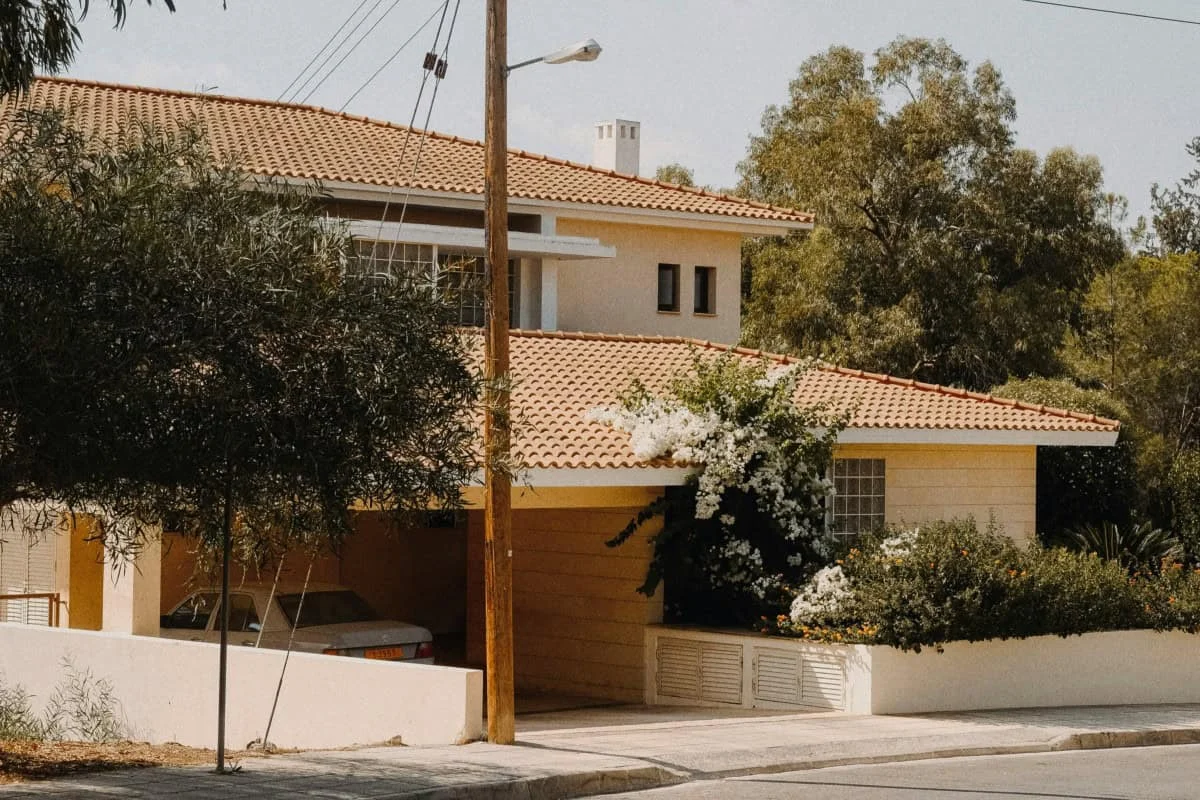
For many prospective homebuyers, the search for a new property often begins with a fundamental conflict: the allure of architectural character versus the peace of mind offered by modern construction. Whether you are browsing for a 1940s colonial in Buffalo, a mid-century modern gem in Cleveland, or a contemporary build in the master-planned communities of Provo, the age of a home is arguably the most significant variable in the buying process.
It is a decision that dictates your financial future, your lifestyle, and your capacity for ongoing home maintenance. To navigate this choice, it is essential to move beyond aesthetic preferences and delve into the technical, structural, and economic realities of property age.
Defining the "Age" of Real Estate
Before diving into the market, it is important to understand how industry professionals classify properties. Generally, any home built more than 50 years ago is categorized as an "old home." Structures that exceed the century mark are often classified as "historic" or "antique."
Conversely, the market segments newer homes into distinct categories:
- New Homes: 0–5 years old.
- Recent Homes: 6–10 years old.
- Modern Homes: 10–20 years old.
Understanding these classifications is the first step in aligning your expectations with reality. While an "old" home may provide curb appeal that is impossible to replicate, a "new" home offers a blank slate of integrated, modern systems.
The Case for Older Homes: Character Meets Community
Older homes remain a cornerstone of the American housing market, prized for their unique design elements and often superior locations.
The Appeal of Established Neighborhoods
Older homes are frequently situated in mature neighborhoods where infrastructure, landscaping, and community connectivity have had decades to flourish. You aren’t just buying a house; you are buying into an established environment with tree-lined streets and proximity to urban centers that newer developments, often located on the periphery of cities, may lack.
Architectural Craftsmanship
From Victorian-era intricate millwork to the sturdy foundations of mid-century craftsman bungalows, older homes possess a distinct "soul." Kayla Murphy, Marketing Director of Berkshire Hathaway HomeServices Laffey International Realty, notes: "From unique wallpaper and original millwork to cozy fireplaces, stunning architecture, and even hidden rooms, older homes can offer a sense of character and craftsmanship that’s difficult to replicate in newer construction."
Restoration vs. Replacement
There is a growing movement toward preservation. Will Glasco, CEO of Preservation Virginia, argues that many buyers are too quick to modernize. "Older properties have so much to offer, including construction materials and methods that really set them apart," Glasco says. "Like any home, older buildings have maintenance needs, but remember that repairing can often be better than replacing. With the right restoration craftsmen, things like historic windows can perform just as well as replacement windows, and original plaster can be repaired."
The Hidden Realities: Challenges of the Aging Home
While the charm of an older home is undeniable, the physical reality can be daunting. The infrastructure of a home built in the early 20th century was never designed to handle the electrical load of a modern household with multiple high-definition screens, electric vehicle chargers, and smart home appliances.
Infrastructure and Safety
Rich Noto of the Dalton Wade Real Estate Group emphasizes that buyers must look past the aesthetics. "When buying an older home, buyers should look at the current condition of the house and how much repairs or updating could cost," Noto warns. "Older electrical systems lack the latest safety features, and buyers should also look for signs of water damage, rotted framing, pests, and general wear and tear on components like shingles, pipes, and siding."
The "DIY" Legacy
One of the most significant risks in buying an older home is the "history of renovations." Doug from Cash House Closers notes that many older homes carry the scars of amateur projects. "Before my team and I purchase homes, we always check with the township or county to see what kind of permits and applications have been filed previously," he explains. "A new electrical panel in the basement, but no electrical permit, could be a red flag."
The Modern Advantage: Why Newer Often Means Easier
If your priority is predictability, a new build is the logical choice. These homes are designed for modern living, focusing on efficiency, safety, and low-maintenance lifestyles.

Efficiency and Technology
New homes are constructed to meet current, rigorous energy codes. With features like double-pane windows, high-efficiency HVAC systems, and modern insulation, a new home is significantly cheaper to operate in terms of monthly utility bills. Furthermore, they are often "smart-ready," featuring integrated tech that older homes struggle to accommodate.
Financial Incentives and Warranties
Builders frequently offer incentives to entice buyers, including assistance with closing costs or interest-rate buy-downs—a powerful tool in a high-rate environment. Additionally, new construction often comes with a builder’s warranty, providing a financial safety net against structural or mechanical failures that would be the sole responsibility of the owner in a resale scenario.
The Trade-offs: HOA and Competition
The primary drawback of new construction is the potential for restrictive governance. Most new developments are managed by Homeowners Associations (HOAs). While these associations maintain aesthetic standards and neighborhood value, they also come with monthly fees and strict rules regarding everything from fence heights to paint colors. Furthermore, in hot markets, the "new build" segment is highly competitive, often leaving little room for price negotiation compared to a private seller who may be more motivated to close.
Strategic Inspection: The Critical Step
Regardless of the home’s age, the home inspection is the most important document in your transaction. However, the focus changes based on the decade of construction.
For Older Homes, Focus On:
- The Foundation: Look for signs of settling, cracking, or water intrusion in the basement.
- The "Hidden" Systems: Galvanized plumbing (which corrodes from the inside) and knob-and-tube or aluminum wiring are major insurance and safety red flags.
- Hazardous Materials: Asbestos and lead paint are common in homes built before the late 1970s.
- Roof and Envelope: Ensure that the roof has been properly maintained and that the insulation meets current standards.
For Newer Homes, Focus On:
- Construction Defects: Even new homes can have issues, such as poor drainage, incomplete flashing, or subpar HVAC installation.
- Settling: While foundations are newer, minor structural settling is common in the first five years.
- Landscaping and Drainage: Ensure the builder has properly graded the lot to prevent water from pooling near the foundation.
Conclusion: Finding Your Equilibrium
There is no "perfect" age for a house. The decision ultimately rests on your personal threshold for risk and your capacity for home maintenance.
If you are a hands-on individual who views a home as a long-term project and an investment in history, an older home may provide the greatest return—not just in financial terms, but in satisfaction. Conversely, if your time is better spent elsewhere and you prioritize predictability and energy efficiency, a newer home will offer a frictionless entry into homeownership.
As the representative from Cape Fear Cash Offer aptly summarizes: "An older home can still be a great investment, but buyers should make sure the cost of bringing the property up to their standards makes sense compared with the home’s potential value after those improvements."
By evaluating the age of the house alongside its current condition, the cost of future repairs, and your own lifestyle requirements, you can make an informed decision that ensures your next house truly feels like a home.
Frequently Asked Questions (FAQs)
Q: How do I definitively determine the age of a house?
A: You can start by checking the property tax assessment or public records at your local county clerk’s office. A professional home inspector can often provide a more accurate estimate based on the construction techniques and materials used, and you can also search the National Register of Historic Places if you suspect your home is of historical significance.
Q: Do older homes always appreciate faster than new ones?
A: Not necessarily. While older homes in prime, "in-fill" locations often see consistent appreciation due to land value, newer homes in growing suburbs can also appreciate quickly if the area becomes a high-demand school district or business hub.
Q: Are there tax incentives for buying an older or historic home?
A: Yes. Many states and local municipalities offer tax credits or property tax freezes for the restoration of historically designated properties. It is highly recommended to consult with a local historic preservation office before finalizing your purchase if you are interested in these benefits.
Q: What is the single most expensive repair for an older home?
A: Foundation repair and complete system overhauls (replacing all plumbing and electrical throughout the house) are generally the most capital-intensive repairs. Always prioritize these "behind the wall" systems over cosmetic upgrades like kitchen counters or flooring.