In the modern age, travel has increasingly become an exercise in extraction. We fly, we photograph, we consume, and we depart. The typical itinerary—a checklist of iconic landmarks, guidebook-approved bistros, and nightlife hubs—rarely scratches the surface of a destination’s true identity. For most, travel remains a passive spectator sport. Even those who identify as "long-term travelers" often fall into the same trap, merely slowing down their pace without changing their methodology.
However, a paradigm shift is underway. As travelers become more socially conscious and weary of the "tourist bubble," a growing movement is prioritizing depth over distance. The goal is no longer just to see the world, but to be embedded within it.
The Problem with "Extractive" Travel
The romanticized notion of "dropping into a place and befriending the locals" rarely survives first contact with reality. In most cultures, residents view transient visitors as temporary fixtures—the background noise of a tourist economy. Genuine, deep-rooted connection is an outlier, not the norm.
The barrier is logistical as much as it is cultural. When you are only passing through, you lack the shared context—the daily rhythm of work, the local social circle, or the language—that facilitates meaningful friendship. True cultural immersion requires a fundamental change in status: you must stop being a consumer of a place and start being a participant in its life.
The Rise of the Working Holiday
For the last decade, the "digital nomad" has been the aspirational archetype for long-term travel. The premise is seductive: leverage a remote income, live in a lower-cost jurisdiction, and maintain a Western lifestyle while traversing the globe. Yet, this model is inherently exclusionary. It requires a specific career trajectory, a high level of digital expertise, and an income floor that many younger or less specialized travelers simply do not possess.
Enter the Working Holiday Maker. This new generation of travelers is flipping the digital nomad model on its head. Instead of bringing a remote job from home, they integrate into the local economy upon arrival.
By taking local jobs, these travelers gain access to a social framework that no hostel or co-working space can replicate. They have coworkers, a professional schedule, and a reason to stay in a city for months at a time. This is not just a "gap year" in the traditional, aimless sense; it is a structured, grounded experience that offers a more authentic view of how a country actually functions.
Scaffolding the Experience: The Role of Global Work & Travel
Transitioning from a tourist to an international resident is fraught with friction. The obstacles are significant: securing visas, navigating foreign labor laws, finding reliable accommodation, and competing with locals for job opportunities.
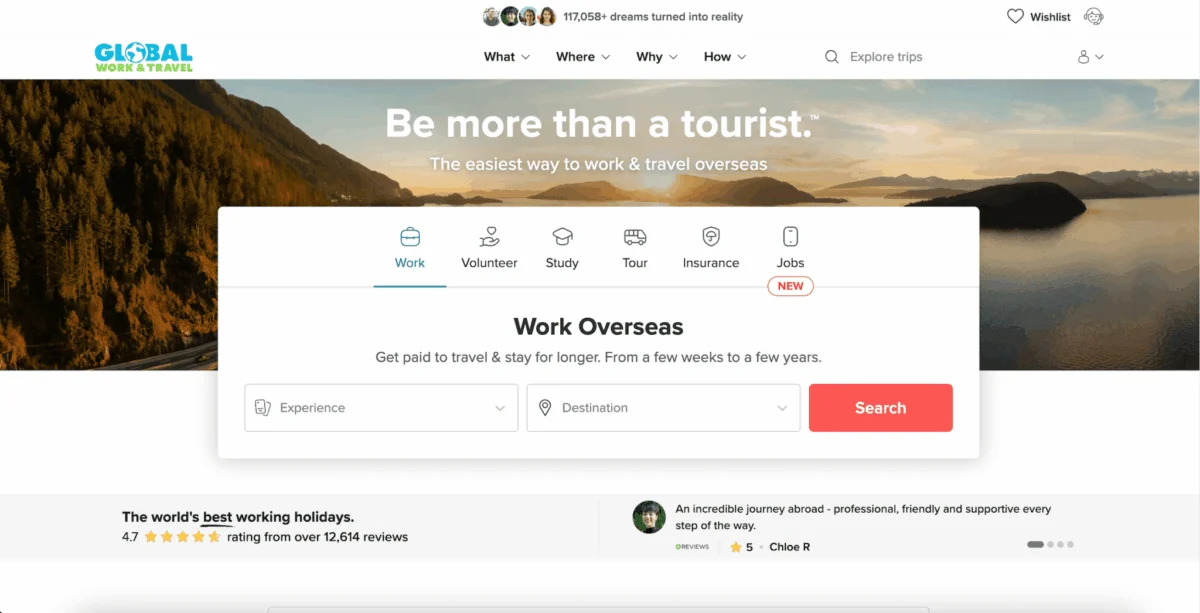
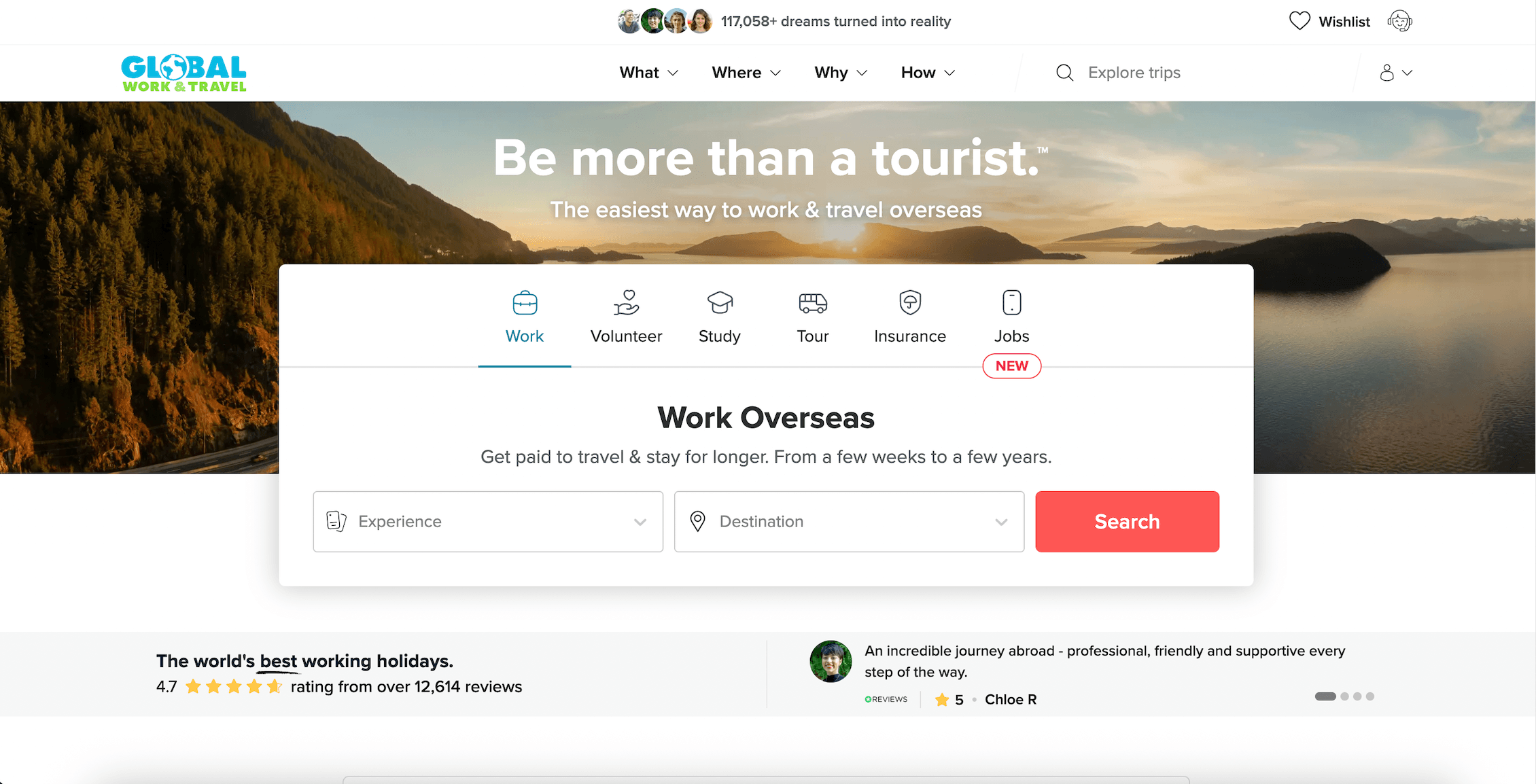
Companies like Global Work & Travel have emerged as the "scaffolding" for this transition. As the world’s largest gap year organization, they have spent two decades streamlining the process for over 116,000 travelers. By providing a safety net—ranging from pre-departure visa guidance to on-the-ground placement—they allow participants to focus on immersion rather than bureaucracy.
Chronology of a Successful Placement
- Strategic Planning (6–12 months pre-departure): Working with coordinators to identify destinations that match the traveler’s skill set and desired life goals.
- Visa and Logistics: The platform handles the complex legal requirements, ensuring the traveler is compliant with local regulations.
- The Arrival Phase: Utilizing the gWorld portal—a proprietary trip management app—travelers connect with peers and receive orientation support.
- Integration: Through job matching, the traveler enters the local workforce, beginning the process of long-term integration.
- Impact and Reflection: The traveler concludes their tenure with professional experience, a local network, and a deeper understanding of the destination.
The Ethics of Volunteering: A Critical Review
Volunteering abroad has long carried a stigma. Critics rightly point to "voluntourism," where profit-driven programs exploit the desire of young travelers to "do good," often resulting in more harm than help for the host communities.
The shift toward professionalized, vetted volunteering is therefore a vital development. Organizations like Global Work & Travel perform rigorous due diligence on their partners, focusing on sectors such as community development, wildlife conservation, and healthcare.
When a traveler works alongside local Zanzibar communities on projects they have defined as priorities, or assists in elephant rehabilitation in Thailand, the experience changes. It is no longer about the traveler’s "feel-good" moment; it is about the local need. This creates a reciprocal relationship where the visitor gains perspective and the host community gains tangible, sustainable assistance.
Supporting Data and Economic Implications
The economic impact of this shift is measurable. Unlike the average tourist who contributes primarily to the hospitality sector, the "working holiday" participant feeds directly into the local economy through payroll, taxes, and daily commerce.
- Professional Growth: Participants gain international work experience, a highly sought-after attribute in the modern, globalized labor market.
- Affordability: By earning a local wage, travelers can extend their trips significantly, making long-term travel accessible to those who do not have substantial savings.
- Sustainability: Longer stays reduce the carbon footprint associated with frequent short-haul flights and high-turnover tourist infrastructure.
Official Perspective: The "Deep Travel" Philosophy
According to veteran travelers and industry experts, the most profound memories from any trip are never the ones where you stood in a queue to photograph a landmark. They are the moments of connection.
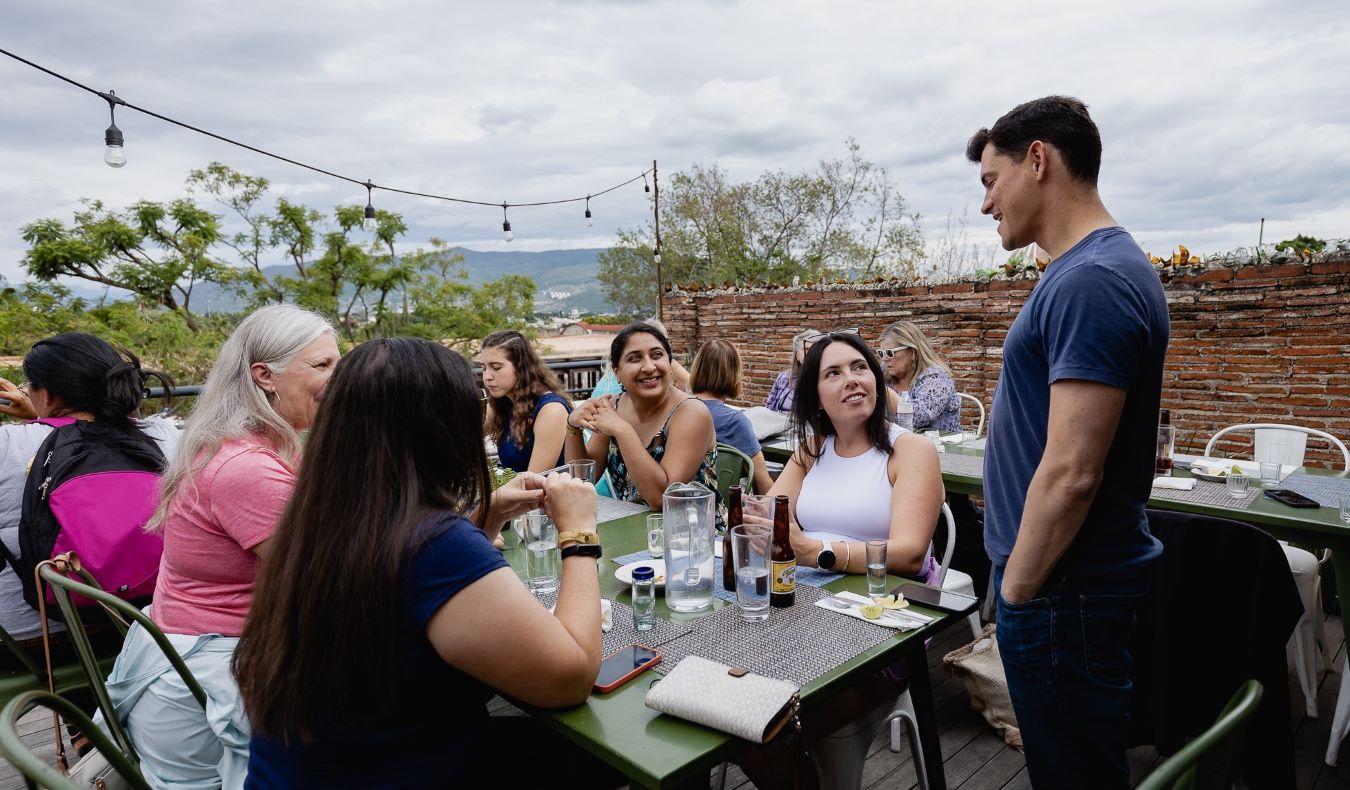
"If you want to understand a place, you need to stay," says travel advocate Nomadic Matt. "The most transformative travel experiences I’ve ever had involved contributing something and building real relationships. It was being embedded in a place rather than just passing through."
This philosophy is supported by the growing demand for "transformative travel." Modern travelers are increasingly rejecting the "checklist" approach in favor of programs that offer:
- Structured Mentorship: Ensuring that the traveler is an asset, not a burden, to the local environment.
- Cultural Reciprocity: Ensuring that the exchange of labor or time is beneficial to both parties.
- Long-term Integration: Moving beyond the temporary "vacation" mindset into a "life-lived" experience.
The Future of Global Mobility
The future of travel will likely be defined by a move away from hyper-speed, superficial tourism. As connectivity increases, the desire for "authentic" experiences will only grow, and the market will respond by providing more robust support systems for those who want to live like locals.
For those looking to transition from a tourist to a participant, the barriers are no longer insurmountable. With the right support—whether it is through Global Work & Travel’s organized placements or independent research—the opportunity to live and work abroad is more attainable than at any point in history.
Frequently Asked Questions
- Is experience necessary? For most programs, basic work experience or a willingness to learn is sufficient. Many teaching programs include comprehensive TEFL training.
- What are the age limits? While working holiday visas often cap at 35, volunteer and teaching programs are frequently open to individuals from 18 to 80 years old.
- How does this compare to traditional travel? Traditional travel is passive and time-bound. This model is active, integrated, and designed for longevity, allowing for a deep cultural dive that a two-week vacation simply cannot provide.
Conclusion
The era of the "tourist" is being replaced by the era of the "participant." By choosing to work, volunteer, and embed ourselves in foreign cultures, we do more than just see the world—we become part of it. Whether through the structured guidance of platforms like Global Work & Travel or through personal initiative, the move toward deep, immersive travel is a positive evolution for both the traveler and the world at large.
For those ready to take the step, using resources that prioritize ethical engagement and structural support is key to ensuring that your time abroad is as beneficial for the community as it is for you.