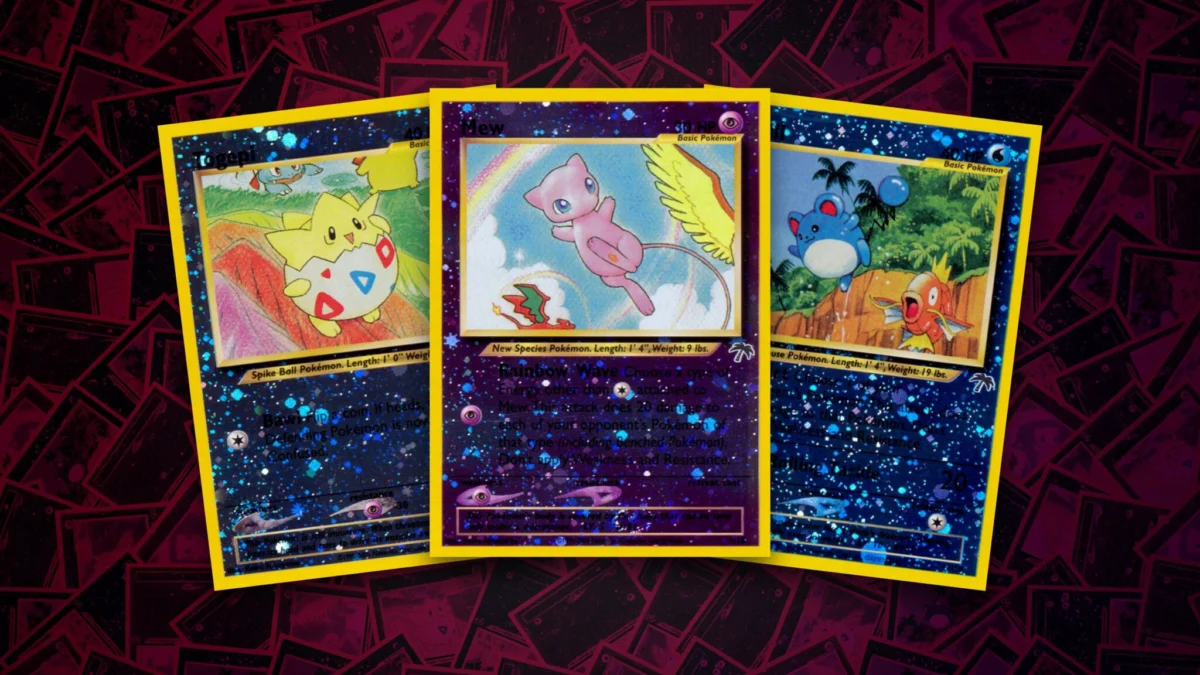
Paradise, it turns out, comes with a seven-figure price tag. In the high-stakes world of the Pokémon Trading Card Game (TCG) secondary market, where record-shattering sales have become a weekly occurrence, a new milestone has been reached. A trio of cards from the 2001 English Southern Islands promotional set recently hammered for a combined total of nearly $1.2 million at auction, signaling a seismic shift in how collectors value not just rare cards, but historically significant, artistically cohesive sets.
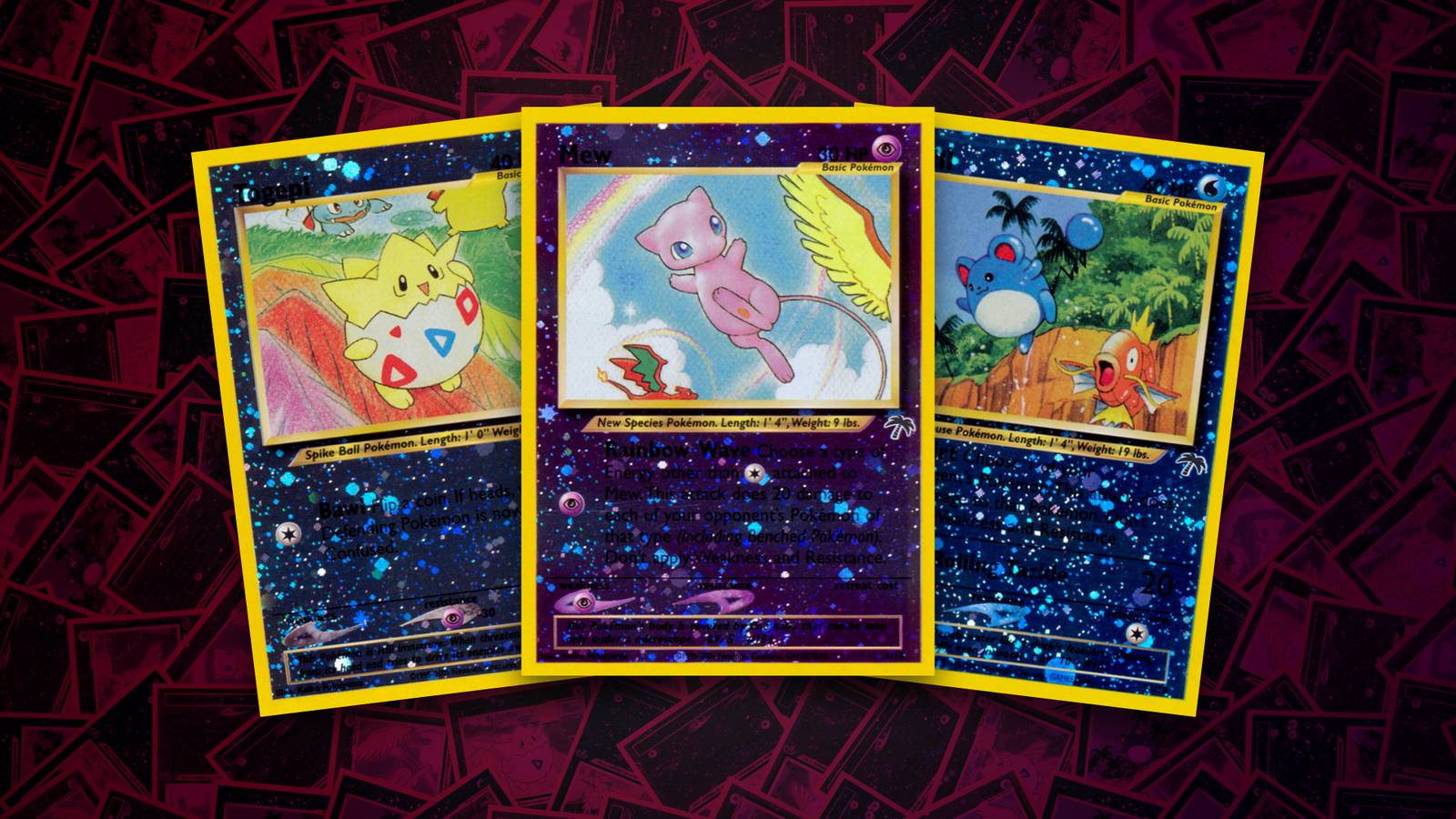
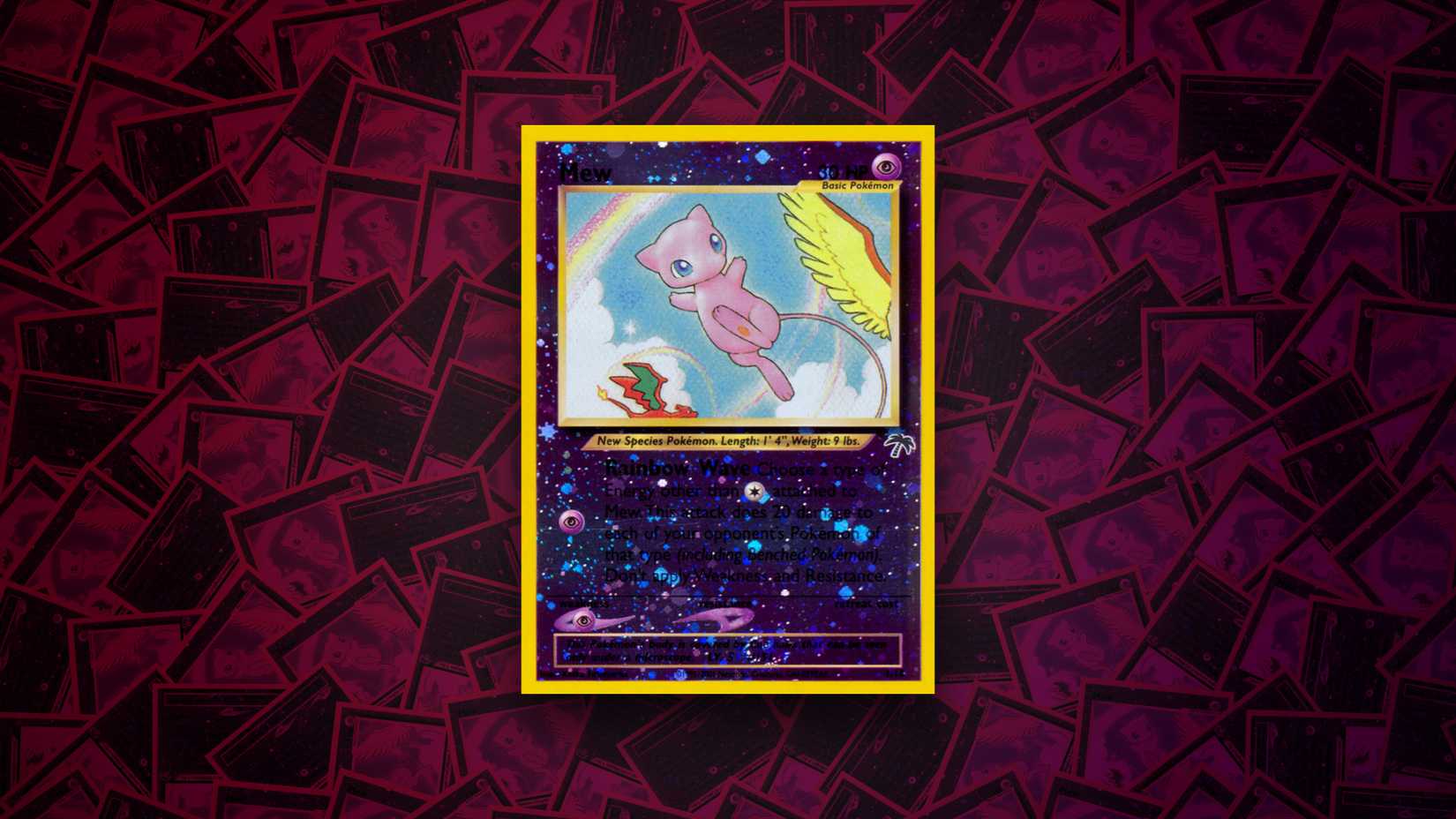
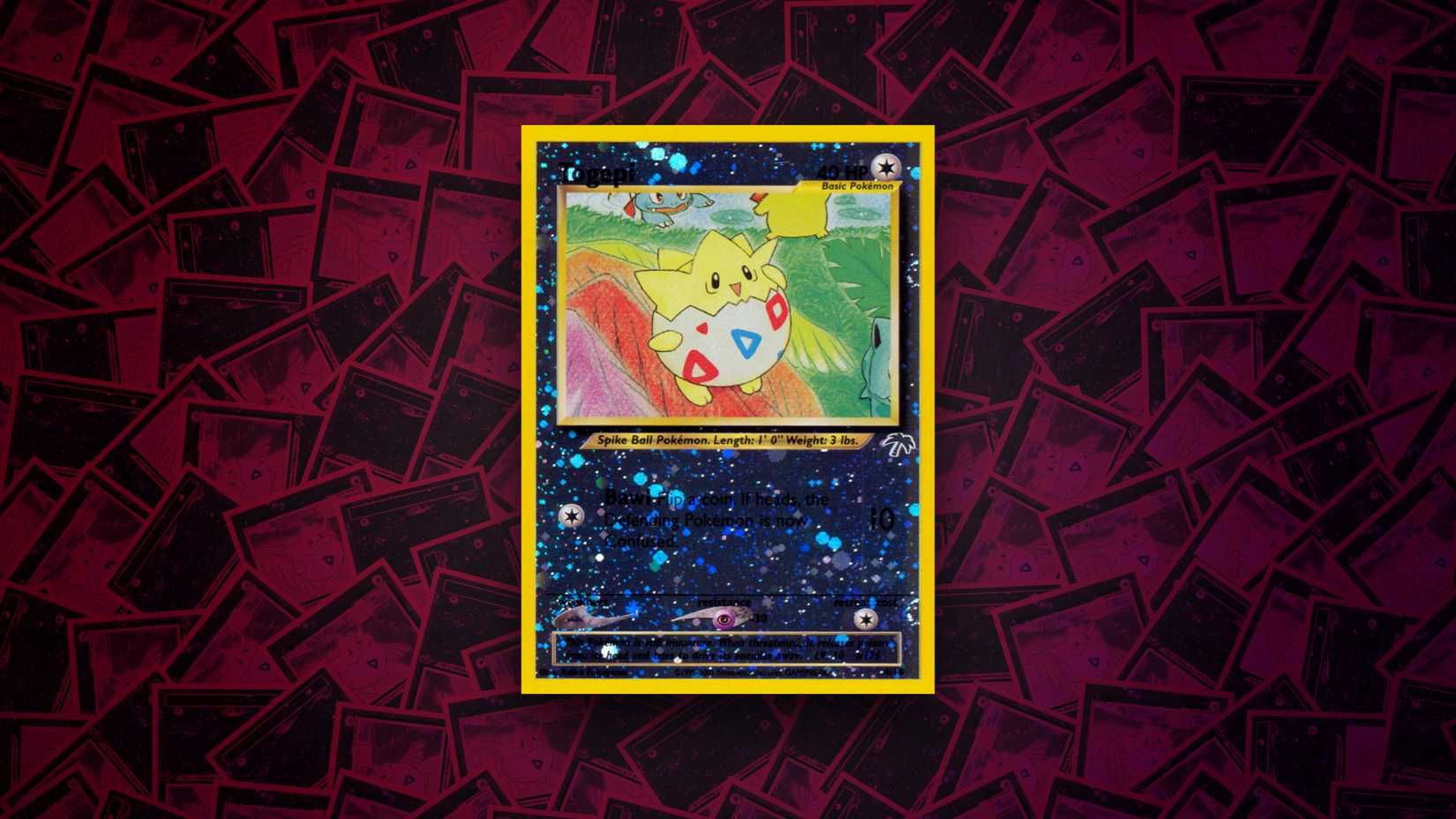
Leading the charge was a PSA 10 Gem Mint Southern Islands Mew #1, which fetched a staggering $840,000. It was joined by PSA 10 copies of the Southern Islands Togepi #4 and Marill #11, each commanding $168,000. These results serve as a vivid reminder that in the current market, scarcity and aesthetic provenance often outweigh the nostalgia of standard base sets.
The Origins of a Promotional Enigma
To understand the astronomical valuation of these cards, one must look back at their unorthodox release. Southern Islands was never a traditional booster expansion. It first materialized in Japan in 1999, timed to coincide with the release of the second Pokémon movie. The collection was comprised of 18 cards, split between two thematic portfolios: the Tropical Island set and the Rainbow Island set.
Unlike standard sets, where each card stands alone, the Southern Islands collection was designed as a puzzle. Each three-card sub-set, when placed side-by-side, formed a sprawling, seamless panoramic scene. This design philosophy elevated the cards from mere game pieces to visual art, a distinction that has served them well over the ensuing 25 years.
When Wizards of the Coast (WotC) brought the collection to English-speaking markets in 2001, they maintained the integrity of this vision. The 18 cards were sold as a boxed set, complete with decorative folders and three booster packs. This "all-in-one" packaging made them an anomaly in the TCG landscape, setting them apart from the frantic, randomized hunt for rare cards that defined the era.
Artistic Pedigree: Kimura and Fukuyama
The enduring appeal of Southern Islands is inextricably linked to its illustrators. Naoyo Kimura, a veteran of the TCG, handled the Tropical Island scenes with a delicate, atmospheric touch. Conversely, Keiko Fukuyama—who would go on to create some of the most sought-after cards of the e-Reader era—was responsible for the Rainbow Island cards.
Fukuyama’s style, characterized by deep saturation and a distinctive, whimsical character design, is particularly evident in the Togepi #4. The "chibi-like" aesthetic, featuring soft, rounded features and bold, expressive linework, provided a sharp contrast to the more rigid, anime-accurate art styles prevalent at the turn of the millennium.
The holographic treatment of these cards further cemented their status as "grails." Unlike standard holofoil cards of the time, which confined the shimmering effect to the artwork box, Southern Islands holos feature a sweeping, complex pattern that covers nearly the entire surface of the card. This "Reverse Cosmos" style, as it is often colloquially known, creates a light-refraction effect that remains one of the most visually arresting designs in the game’s history.

Chronology of a Record-Breaking Auction
The recent auction event at Fanatics Collect highlights a growing trend of "vintage consolidation," where collectors are aggressively pursuing high-grade examples of early 2000s promotional material.
- 1999: The Southern Islands collection launches in Japan. The unique panoramic art style is met with immediate praise from the Japanese collector community.
- 2001: Wizards of the Coast releases the English version. While popular, many collectors at the time viewed them as "collectible souvenirs" rather than high-performance assets.
- 2010–2020: As the broader Pokémon TCG market experiences a boom, the Southern Islands set begins to climb in value, driven by its limited supply and the fact that many folders were opened, resulting in damaged cards.
- 2026 (Present): With the market for "Blue Chip" Pokémon assets reaching new heights, the population count of PSA 10 examples—specifically the 20 known copies of the Southern Islands Mew—becomes the primary driver of value. The $840,000 sale of the Mew confirms that these cards have officially transcended the hobby and entered the realm of high-end alternative asset investment.
Supporting Data: Scarcity and Population Reports
The value of the Mew #1 is heavily dictated by its scarcity. With only 20 copies graded at a PSA 10, the card is technically rarer than many of the most famous cards in the Base Set (such as the Shadowless Charizard). This scarcity, when combined with the 2026 market climate, creates a "perfect storm" for price inflation.
Collectors are no longer simply buying the character; they are buying the "pop report." When a card has fewer than 25 copies in existence in top-tier condition, the supply-demand curve becomes vertical. The Togepi and Marill sales at $168,000 each further illustrate this. While these cards are more common than the Mew, they represent the "completionist" demand—collectors who have secured the crown jewel (Mew) and are now willing to pay massive premiums to complete the set in matching, perfect-grade slabs.
Official Perspectives: The Market’s "New Reality"
While The Pokémon Company International has remained largely silent on the secondary market fluctuations of their older cards, industry experts suggest that this price action reflects a broader maturation of the hobby.
"We are seeing the transition of Pokémon into the same tier as fine art or classic car collecting," says a prominent hobby analyst. "The Southern Islands set represents a moment in time where design and production values were at an apex. It isn’t about gameplay utility anymore; it’s about the preservation of a cultural artifact."
Indeed, the inclusion of the "Pikablu" phenomenon—the misidentification of Marill during the late 90s—adds a layer of "lore" to the card that appeals to the historical sensibilities of long-time fans. The fact that the Marill card itself now commands $168,000 is a testament to how that urban legend has transformed from a playground myth into a piece of documented Pokémon history.
Implications for the Future of TCG Collecting
What does this mean for the average collector? Primarily, it signals that the "middle-class" of card collecting is shrinking. As high-end cards continue to hit record prices, the barrier to entry for top-tier sets is becoming prohibitive.
However, the success of the Southern Islands set also provides a roadmap for future investment. Collectors are increasingly moving away from the "graded-everything" mentality and toward "narrative-driven" collections. Cards that possess a strong, interconnected story, limited release windows, and exceptional artistic pedigree are becoming the new standard for blue-chip assets.
Furthermore, the involvement of major auction houses indicates that the institutionalization of the Pokémon TCG is complete. These cards are being treated with the same level of due diligence and archival care as 19th-century paintings. As we look toward the future, it is likely that other unique promotional sets from the WotC era will see similar surges in interest, provided they possess the same "art-first" DNA that has made Southern Islands the current gold standard.
In conclusion, the $1.2 million auction result is not merely a headline-grabbing figure; it is a reflection of the deep, enduring love for the Pokémon brand. It proves that even after a quarter-century, the magic of that original, panoramic island artwork can still captivate the imagination—and the bank accounts—of the world’s most dedicated collectors. Whether these cards continue to climb or eventually find a price ceiling, they have already cemented their place as the undisputed crown jewels of the early 2000s TCG era.