For 55-year-old Edward (Ed) Waldner, the onset of his illness was as subtle as it was sinister. For months, he wrestled with a persistent, bone-deep exhaustion that defied explanation. No matter how much rest he achieved, the fatigue remained a constant shadow over his daily life. Initially, he suspected something as common as sleep apnea, but as the months progressed, the symptoms took a physical turn. He began noticing an awkward, dragging gait—a subtle stumble in his stride that signaled something was fundamentally wrong within his nervous system.
When a particularly severe episode drove him to the Emergency Department, the diagnosis arrived with the force of a tectonic shift: a mass on his brain. Subsequent testing confirmed it was a glioblastoma, an aggressive, relentless form of brain cancer known for its high mortality rate and tendency to recur even after the most rigorous interventions.
However, today, Waldner is part of a groundbreaking clinical trial at the University of Calgary that is challenging the status quo of neuro-oncology. By testing the therapeutic potential of high-dose Vitamin B3 (niacin), researchers are attempting to reawaken the body’s own immune system to fight a disease that has seen little progress in treatment outcomes for two decades.
The Silent Onset: A Patient’s Chronology
The journey from symptom to diagnosis is often the most harrowing phase for brain cancer patients. For Waldner, the "constant drain" he felt was not merely a lifestyle issue; it was the biological signature of a tumor compromising his brain’s function.
"When I left the hospital after surgery, I was told, ‘that’s it, that’s all we can do,’" Waldner recalls, reflecting on the grim prognosis that typically follows a glioblastoma diagnosis. Standard care for glioblastoma is a grueling trifecta: surgery to excise as much of the tumor as possible, followed by aggressive radiation and chemotherapy. Despite these efforts, the cancer often finds a way to return.
Desperate for options, Waldner was invited to join a clinical trial led by Dr. Gloria Roldan Urgoiti, a brain cancer specialist, and Dr. Wee Yong, a renowned neuroscientist. The decision to participate was driven by a mix of altruism and self-preservation. "I have no problem trying to help anybody. I agreed. I want to help myself, too," Waldner says. "Being part of this research helps me mentally because we’re trying."
Scientific Mechanism: Reawakening the Immune System
The trial is rooted in the work of Dr. Wee Yong, whose laboratory at the Hotchkiss Brain Institute focuses on the complex, often adversarial relationship between the immune system and the brain.
Understanding the Immune Suppression
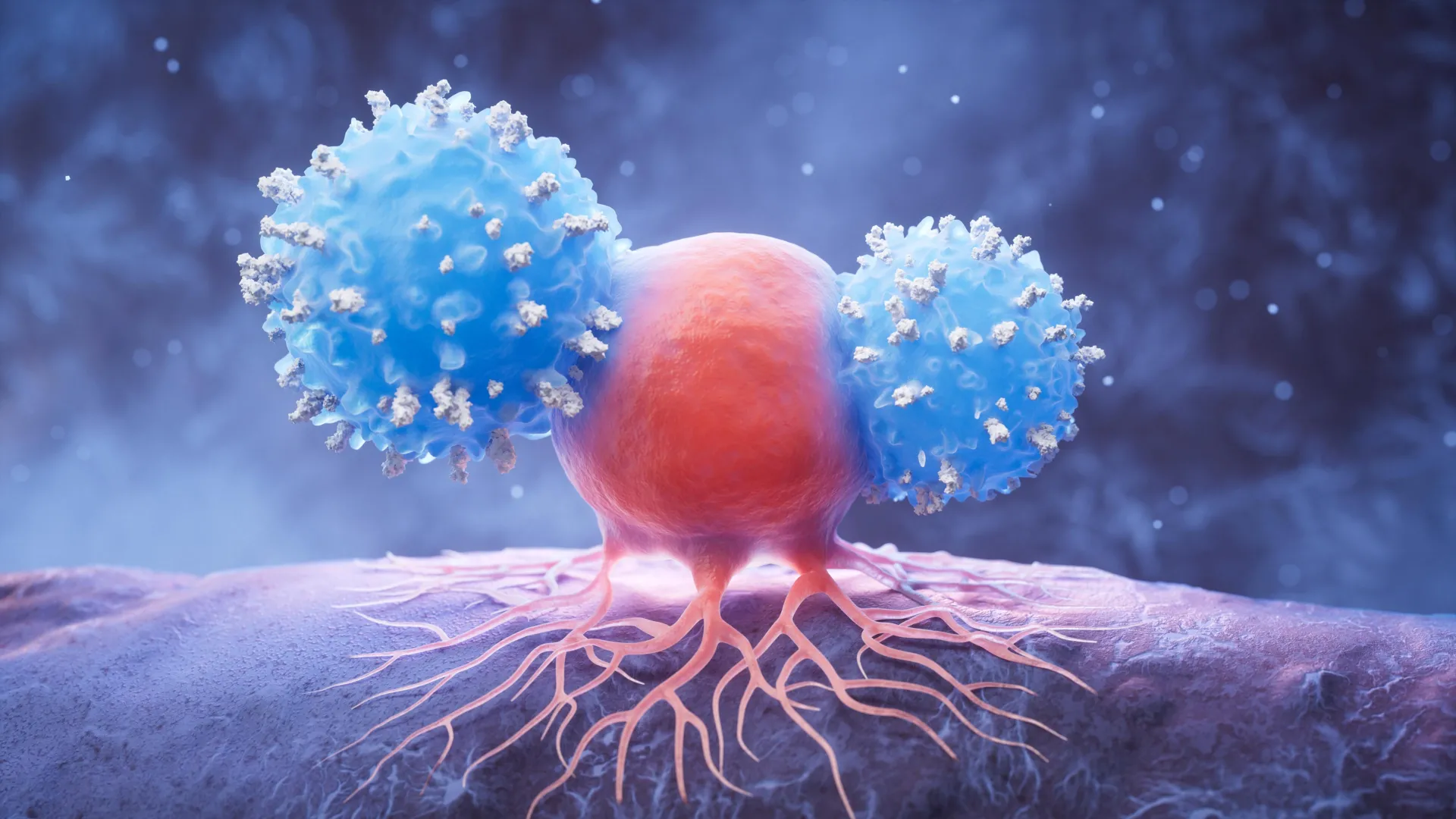
"Normally, the immune system will try to counter and prevent tumor growth; however, this brain cancer suppresses the immune system," explains Dr. Yong, a professor at the Cumming School of Medicine (CSM). Glioblastomas are notoriously adept at creating an immunosuppressive microenvironment, effectively putting the body’s "defensive forces" to sleep.
The research team hypothesized that niacin—a common B vitamin—could act as a metabolic catalyst to "rejuvenate" these weakened immune cells. The goal is to move the immune cells from a dormant, suppressed state back into an active, aggressive posture, allowing them to identify and eliminate tumor cells. Dr. Yong characterizes this approach as an ongoing "battle for the brain," where the vitamin serves as the ammunition for the immune system to reclaim its territory.
From Mice to Men
The project followed a rigorous path of validation. Initial experiments in Dr. Yong’s laboratory using mouse models showed that niacin supplementation could significantly extend survival. Encouraged by these findings, the team launched a Phase I and II clinical trial to test the safety and efficacy of controlled-release niacin when administered alongside standard chemotherapy and radiotherapy.
The Data: Exceeding Benchmarks
In clinical research, the stakes are high, and the bar for success is set strictly. The research team established a definitive benchmark before the trial began: if the progression-free survival rate at the six-month mark did not improve by at least 20 percent compared to historical data, the trial would be deemed a failure and stopped.
The results, however, defied those expectations. In an early analysis of 24 patients, the team found that 82 percent of participants showed no signs of disease progression at the six-month threshold. This represents a 28 percent improvement over previous studies—a significant margin in a field where stagnation has been the norm for 20 years.
"Glioblastoma is the most aggressive brain cancer in adults," notes Dr. Roldan Urgoiti. "Survival of patients with this condition hasn’t changed significantly for 20 years. Anything that may help should be explored, but it requires strict protocols and safety monitoring."
Official Perspectives and Safety Warnings
While the early results published in the Journal of Neuro-Oncology are undeniably promising, the medical community maintains a cautious stance. Both Dr. Roldan Urgoiti and Dr. Yong emphasize the importance of professional supervision.
It is critical to distinguish between the controlled, high-dose medical application of niacin in a clinical setting and the unregulated use of vitamin supplements. "High doses of vitamins, including niacin, can be toxic and may cause harm if they are not carefully monitored by medical professionals," the researchers warned in their report. Toxicity from niacin can include severe skin flushing, liver issues, and gastrointestinal distress, underscoring why these trials must be conducted under the watchful eye of oncology specialists.
The trial continues to evolve, with the team aiming to enroll a total of 48 participants by the end of 2026 or early 2027. This larger cohort will provide the statistical power necessary to determine whether this "rejuvenation" of the immune system can lead to long-term survival rather than just temporary stability.
Implications: A New Era for Neuro-Oncology?
If the final analysis confirms the early findings, the implications for neuro-oncology could be profound. Niacin is inexpensive, widely available, and relatively well-tolerated compared to traditional, highly toxic immunotherapy agents. If such a simple metabolic intervention can shift the balance in the body’s war against glioblastoma, it could change the standard of care for thousands of patients worldwide.
For Ed Waldner, the clinical trial has provided something more valuable than data points: it has provided time and quality of life. During his regular follow-up scans, he waits for the news that has become the gold standard of his existence. He doesn’t look for a miracle cure overnight; he looks for the word "stable."
As the Canadian Institutes of Health Research and the Alberta Cancer Foundation continue to support this work, the scientific community remains focused on the potential to turn a once-hopeless diagnosis into a manageable condition.
The battle for the brain is far from over, but for patients like Waldner, the front line has finally begun to move. In the sterile, high-stakes environment of the oncology clinic, a simple vitamin may be providing the most complex and vital defense yet seen in the fight against one of humanity’s most aggressive adversaries.