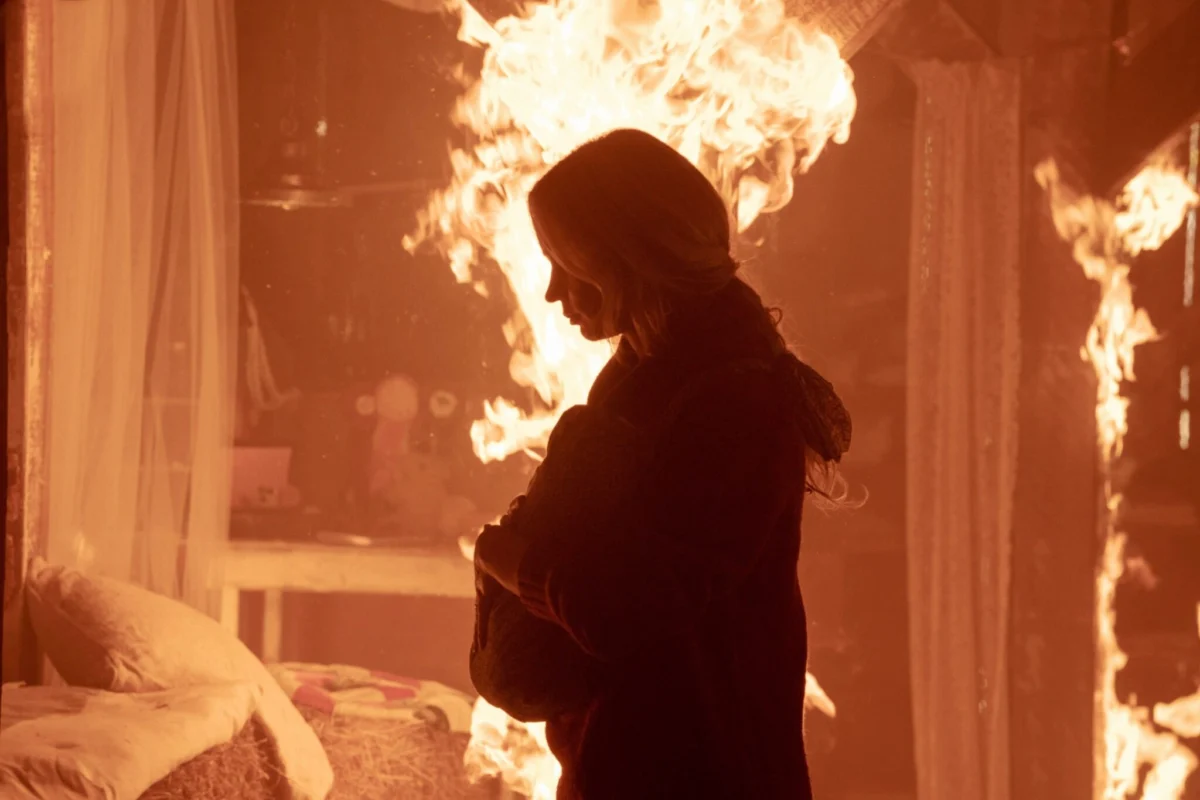
When John Krasinski’s A Quiet Place hit theaters in 2018, it was widely hailed as a masterclass in tension. With a premise as high-concept as it was terrifying—a post-apocalyptic world overrun by hyper-sensitive, sound-hunting extraterrestrials—the film didn’t just rely on jump scares. It utilized silence as a narrative device, transforming the theater experience into a collective, breath-holding exercise. At the time, it felt like a perfectly contained, singular cinematic experience. Yet, in an era where franchise fatigue is the industry norm, the Quiet Place universe has defied the odds, proving that a "one-off" can evolve into a sprawling, compelling saga.
As A Quiet Place Part II prepares to leave the Netflix catalog on October 11, it serves as a timely reminder of how Krasinski and his collaborators successfully navigated the treacherous waters of sequel-making and world-building.
The Genesis of an Unlikely Franchise
In the spring of 2018, just weeks after the film’s massive box-office debut, the prospect of a sequel felt secondary. Krasinski himself admitted to Deadline that he viewed the film as a self-contained story. "To be perfectly honest, [a sequel] was never really on my mind while we were making it," he noted. "I never really thought of it as an expanded world; I always thought of it as a one-off."
However, the creative spark eventually ignited when Krasinski began to envision the story not as a repetition of the first film’s farm-bound isolation, but as a deeper exploration of its characters. He realized that the Abbott family’s story wasn’t finished, particularly the journey of their daughter, Regan, played with profound nuance by Millicent Simmonds.

By shifting the narrative focus to Regan, Krasinski discovered a thematic goldmine. In the first film, Regan’s cochlear implant was a symbol of her struggle. In the sequel, it became the centerpiece of the resistance. This shift allowed the franchise to transition from a survival horror story to a narrative about hope and the ingenuity of the marginalized.
Chronology of the Quiet: From Farm to City
To understand the trajectory of this universe, one must look at the timeline of the invasion:
- The Day One Event (2024 Prequel): A Quiet Place: Day One shifted the perspective from the rural isolation of the Abbott family to the claustrophobic, high-decibel chaos of New York City. By depicting the initial arrival of the creatures in the most sound-dense environment on Earth, the franchise proved it could maintain its terror outside of the Abbott farm.
- The Abbott Farm (2018): The original film established the rules: don’t speak, don’t move, don’t make a sound. It introduced the audience to the terrifying efficiency of the predators.
- The Aftermath (2020/2021): A Quiet Place Part II picked up moments after the original concluded. It expanded the geography of the apocalypse, introducing viewers to industrial ruins, docks, and island sanctuaries, revealing that the creatures possessed a critical weakness: an inability to swim.
- The Future (2027): With A Quiet Place Part III on the horizon, the franchise is expected to reach its narrative crescendo.
Supporting Data: Why It Works
The success of A Quiet Place as a brand is not accidental. It stems from a strict adherence to internal logic. While many horror franchises dilute their impact through sequels that introduce "bigger and meaner" versions of the villain, the Quiet Place series has remained focused on the human element.
Data from box office returns and critical reception trackers indicate that audiences value the emotional tether provided by the Abbott family. While the first film sits at a high critical approval rating for its originality, the second film managed to retain an 80%+ audience score on major aggregators by successfully expanding the lore without sacrificing the intimacy of the first. The introduction of characters like Cillian Murphy’s Emmett provided a mirror to the audience—a "lost soul" who represents the cynical reality of surviving such an apocalypse, only to be redeemed by the hope represented by the younger generation.

Official Responses and Creative Direction
The creative philosophy behind the expansion has been remarkably consistent. John Krasinski, who co-wrote the original with Scott Beck and Bryan Woods, has remained the primary architect of the world. In discussions with Variety, Krasinski emphasized that the strength of the sequel relied on its ability to deepen themes rather than just provide spectacle.
"Not only did I think [Millie] would give an amazing performance… her character opens the door to all the themes I was dealing with in the first movie," Krasinski explained.
Emily Blunt, who stars as the matriarch Evelyn Abbott and is married to Krasinski in real life, has been instrumental in grounding the franchise. Her performance serves as the emotional anchor, and she has publicly confirmed that the upcoming Part III is intended to be the conclusion of the Abbott trilogy. This sense of a "defined end" is rare in modern horror and is a testament to the creators’ desire to maintain the integrity of their story rather than milking it indefinitely.
Implications: The Future of High-Concept Horror
The implications of this franchise’s success are significant for the horror genre. A Quiet Place proves that audiences are hungry for high-concept, elevated horror that respects the intelligence of the viewer. The spin-offs, including the IDW comic book miniseries Storm Warning, demonstrate that this world is elastic enough to accommodate different genres—be it survival, drama, or even action.

Furthermore, the franchise has shown that a "post-apocalyptic" setting doesn’t always need to be grim and nihilistic. By focusing on the resilience of the human spirit, the films have carved out a space that is both terrifying and oddly inspiring.
As we look toward the final installment, the question remains: what happens when the silence finally breaks? Whether the series concludes with a final stand or a new beginning, one thing is clear: John Krasinski has created a template for modern franchise building that relies on character, atmosphere, and a terrifyingly simple rule set.
If Paramount continues to treat the property with the same care they have shown thus far—ensuring that the world remains consistent and the stakes remain personal—the Quiet Place universe could eventually be remembered as the definitive horror franchise of the 21st century.
For now, audiences have until October 11 to revisit the middle chapter of this saga on Netflix. It remains a masterclass in how to expand a world without losing the quiet, terrifying heart of the original. Whether you are a fan of the Abbott family’s struggle or simply a lover of well-crafted suspense, the Quiet Place films remain essential viewing. As for the future? If the next installment is even half as thoughtful as its predecessors, we should all be ready to hold our breath once more.