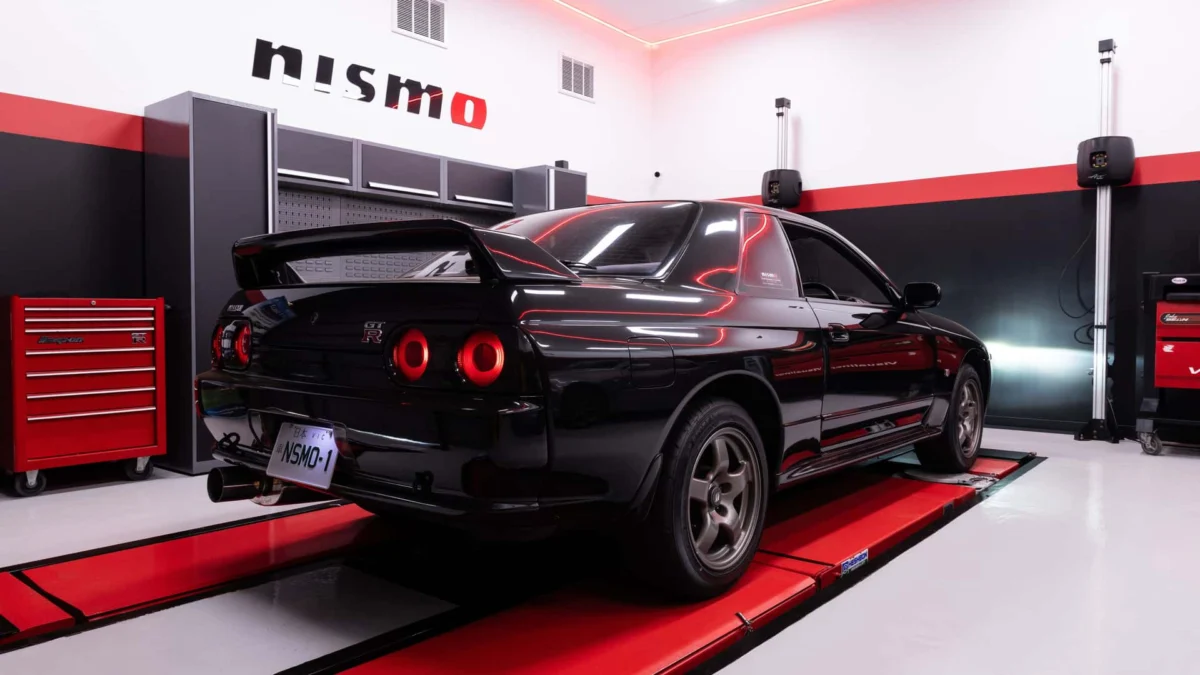
For decades, the name "Nismo" has been synonymous with the pinnacle of Japanese automotive engineering. From the hallowed halls of the Omori Factory in Tokyo to the grueling endurance races of Le Mans, Nissan’s motorsport and performance arm has cultivated a cult-like following. Until now, that experience was tethered strictly to Japanese soil. On October 4, 2026, that geographic barrier was finally shattered as Nissan officially opened its first-ever overseas Nismo Performance Center at Ferntree Gully Nissan in Melbourne, Australia.
This milestone represents more than just a new dealership service bay; it is a profound shift in how Nissan preserves its heritage and engages with the global JDM (Japanese Domestic Market) enthusiast community.
The Genesis of the Melbourne Hub: A Strategic Expansion
The selection of Melbourne as the inaugural site for a global Nismo Performance Center was not a decision made in haste. Australia has long been a sanctuary for Japanese performance icons, with a density of R32, R33, and R34 Skyline GT-R models that rivals many regions outside of Japan itself.
For years, Australian owners have navigated a complex web of logistics, often waiting months to source authentic parts or relying on third-party specialists who, while skilled, lacked the direct line to the original factory specifications. By establishing the Ferntree Gully Performance Center, Nissan is effectively "repatriating" the factory-grade support that owners have craved.
The opening ceremony, attended by a throng of die-hard enthusiasts, signaled a transition from the era of "gray market" uncertainty to an era of official, manufacturer-backed restoration and maintenance.
A Chronology of a Performance Legacy
To understand the significance of this move, one must look at the timeline of Nismo’s evolution:
- 1984: Nismo (Nissan Motorsport International Limited) is founded, unifying the various racing divisions of Nissan under one roof.
- 1986: The Omori Factory begins its operations, serving as the heartbeat of Nismo’s technical development and specialized vehicle assembly.
- 1989–2002: The "Golden Era" of the Skyline GT-R (R32, R33, R34) cements Nismo’s reputation globally as the premier tuner of the "Godzilla" platform.
- 2020s: As the value of vintage GT-Rs skyrockets globally, Nissan accelerates its "Heritage Parts" program, signaling a move toward long-term preservation.
- October 4, 2026: The official grand opening of the first overseas Nismo Performance Center in Melbourne, Australia, marking the first time the Omori Factory standards are physically exported to a foreign dealership.
The "Omori Link": Bridging the Technical Gap
The core offering of the Ferntree Gully facility is the direct integration of "Nismo Meisters." These are not merely dealership mechanics; they are technicians who have undergone rigorous training directly overseen by the experts at the Omori Factory in Japan.
Factory-Grade Restoration
The facility is equipped to handle everything from routine maintenance on modern Nissan Z models to full-scale, nut-and-bolt restorations of classic R-series Skylines. By utilizing factory-original techniques and, crucially, access to the genuine heritage parts supply chain, the center eliminates the need for aftermarket "substitutes."
For a collector, this is the difference between a car that simply runs and a car that maintains its provenance and value. When an R34 GT-R is serviced at this facility, it is returned to a state as close to its original factory delivery as modern manufacturing allows.
The Parts Supply Chain
One of the most persistent frustrations for Australian enthusiasts has been the supply chain. Previously, importing specific gaskets, engine components, or trim pieces from Japan was a gamble involving international shipping, language barriers, and the risk of counterfeit components. The Melbourne center now serves as a formal conduit, stocking authentic performance and heritage parts directly from Japan. This closes the loop on a system that had effectively been broken for enthusiasts for over three decades.
Official Perspectives: The Philosophy of Passion
The rhetoric surrounding the opening of the facility has been remarkably focused on "authenticity" rather than just commercial expansion.
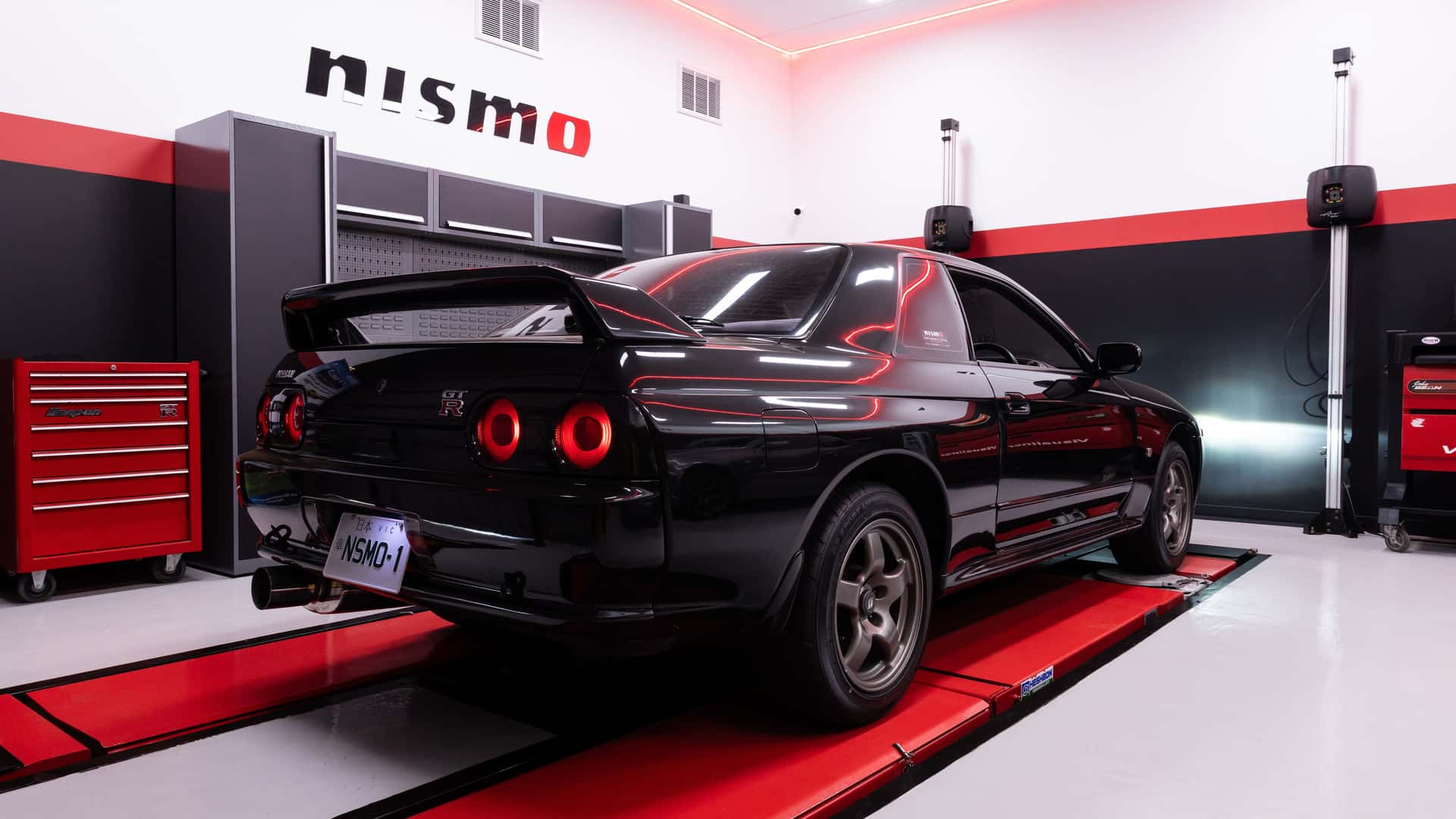
Yutaka Sanada, the global head of the Nismo brand, framed the move as a critical evolutionary step. "This is an important milestone in our global expansion," Sanada stated. "We recognize that the passion for the Nismo brand is not confined to Japan. By bringing our expertise to Melbourne, we are acknowledging the deep connection Australian owners have with our heritage."
Michael Banjanin, Dealer Principal at Ferntree Gully Nissan, emphasized the community aspect. "This isn’t about a ribbon-cutting; it’s a homecoming," Banjanin remarked. "For years, the Australian community has kept these cars alive through pure passion. Now, we are giving them a professional home that matches their enthusiasm."
Michael Hill, Director of Sales and Aftersales at Nissan Oceania, provided the most philosophical take on the initiative. "Nismo was never just about lap times or top speeds," Hill noted. "It is about the culture, the authenticity, and the human connection that surrounds our most iconic vehicles. We are protecting that culture for the next generation of owners."
Implications for the Global Enthusiast Market
The success of the Melbourne pilot program carries significant weight for the future of the brand. Nissan has already confirmed that the Melbourne site is merely the first phase of a broader Australian rollout, with plans for additional centers to open starting in 2027.
Standardization of Value
The presence of an official Nismo Performance Center provides a "gold standard" for vehicle valuation. In the collector car market, documentation is everything. A vehicle that has been maintained or restored by an authorized Nismo facility carries a level of verification that is essentially bulletproof. This will likely lead to a bifurcation in the market, where vehicles with official Nismo service histories command a significant premium over those maintained in independent, unofficial shops.
The Shift in Manufacturer-Owner Dynamics
This move signals that Nissan is taking a page out of the playbooks of elite European manufacturers like Porsche and Ferrari, who have long offered "factory restoration" services to preserve their brand’s history. By embracing its own past, Nissan is not only fostering loyalty among current owners but is also securing the prestige of its brand for future buyers of new performance vehicles.
What Comes Next?
While Nissan has remained tight-lipped about which cities will host the next performance centers, the success of the Melbourne site will serve as a template. If the model proves as successful as early demand suggests, it is highly probable that similar satellite centers will appear in other key markets, such as North America or Europe, where the JDM community is equally vibrant.
Conclusion: A New Era for the R-Series
For the Australian owner of an R32, R33, or R34, the opening of the Nismo Performance Center is a watershed moment. It signifies the end of the "scavenger hunt" era of vehicle maintenance and the beginning of a structured, sustainable future for these iconic machines.
As the automotive world pivots toward electrification, the preservation of combustion-engine legends like the Skyline GT-R becomes increasingly important. By establishing this center, Nissan is ensuring that the "Godzilla" legend does not fade away into the history books, but continues to prowl the roads of Australia, maintained by the same hands that built its reputation in Japan.
The Nismo Performance Center at Ferntree Gully is more than a garage; it is a statement of intent. It proves that a brand’s greatest assets are not just its new models, but the legacy it leaves on the road—and that sometimes, the best way to move forward is to honor exactly where you came from.