In a groundbreaking development that shifts the focus of neurology from reactive treatment to proactive intervention, a new study from UCLA Health has uncovered a potential biological blueprint for brain aging. The research, published in the journal eBioMedicine, suggests that the "biological clock" of the brain may be inextricably linked to the microscopic ecosystem residing within our digestive tract. By analyzing the communication patterns of the brain and correlating them with gut microbiome signatures, researchers have identified markers of neurological aging that may manifest decades before clinical symptoms like memory loss or cognitive decline become apparent.
The Paradigm Shift: Brain Age vs. Chronological Age
For years, neuroscientists have utilized advanced neuroimaging to estimate "brain age"—a metric that evaluates the structural and functional maturity of the brain compared to an individual’s chronological age. While we all age in time, our brains do not always follow the same trajectory. When a brain appears "older" than its chronological counterpart, clinicians have historically associated this discrepancy with accelerated cognitive decline, diminished executive function, and mood disorders.
However, the majority of this research has been confined to elderly populations or individuals already exhibiting clear signs of neurodegeneration, such as Alzheimer’s or Parkinson’s disease. This left a critical void in scientific understanding: does an "older-looking" brain hold clinical significance in younger, ostensibly healthy adults? The UCLA team’s findings suggest the answer is a resounding yes, pointing toward a process that begins much earlier in life than previously hypothesized.
Methodology: Mapping the Mind’s Network
To investigate this, UCLA Health researchers conducted a comprehensive analysis involving nearly 1,500 participants. The study cohort was divided into three distinct groups to ensure a robust representation of varying demographics and health profiles.
The researchers employed resting-state functional connectivity scans—a sophisticated method of neuroimaging that monitors how disparate regions of the brain communicate while the subject is at rest. By observing the synchronization of neural activity, the team developed a sophisticated computer model capable of estimating a person’s biological brain age based on these connectivity patterns.
By calculating the delta between this estimated age and the participant’s chronological age, the researchers established the Brain Aging Index (BAI). A positive BAI indicated that a participant’s brain appeared older than their actual age, while a negative BAI suggested a more youthful profile relative to their years. This index served as the primary variable for assessing cognitive and psychological health.
Supporting Data: Cognitive Performance and Emotional Health
The implications of a high BAI were consistent across all three study groups. Participants who exhibited a brain profile older than their actual years demonstrated a measurable decrease in performance on tests measuring "executive function" and "working memory."
Executive function refers to the high-level cognitive processes that allow humans to plan, organize, focus attention, and manage multiple tasks simultaneously. Working memory, meanwhile, is the "mental scratchpad" used to hold information for short-term processing. The study found that individuals with a higher BAI struggled with these tasks, indicating that the structural changes in the brain were already translating into tangible behavioral consequences.
Furthermore, the research highlighted a significant link between the BAI and mood regulation. Participants with higher scores reported higher frequencies of depressive symptoms. Notably, the neural patterns identified by the researchers were centered in brain regions known to be involved in memory consolidation and self-referential thought—the complex internal processes we use to evaluate our own experiences and construct a sense of self.
The Microbiome Link: The Gut as a Biological Compass
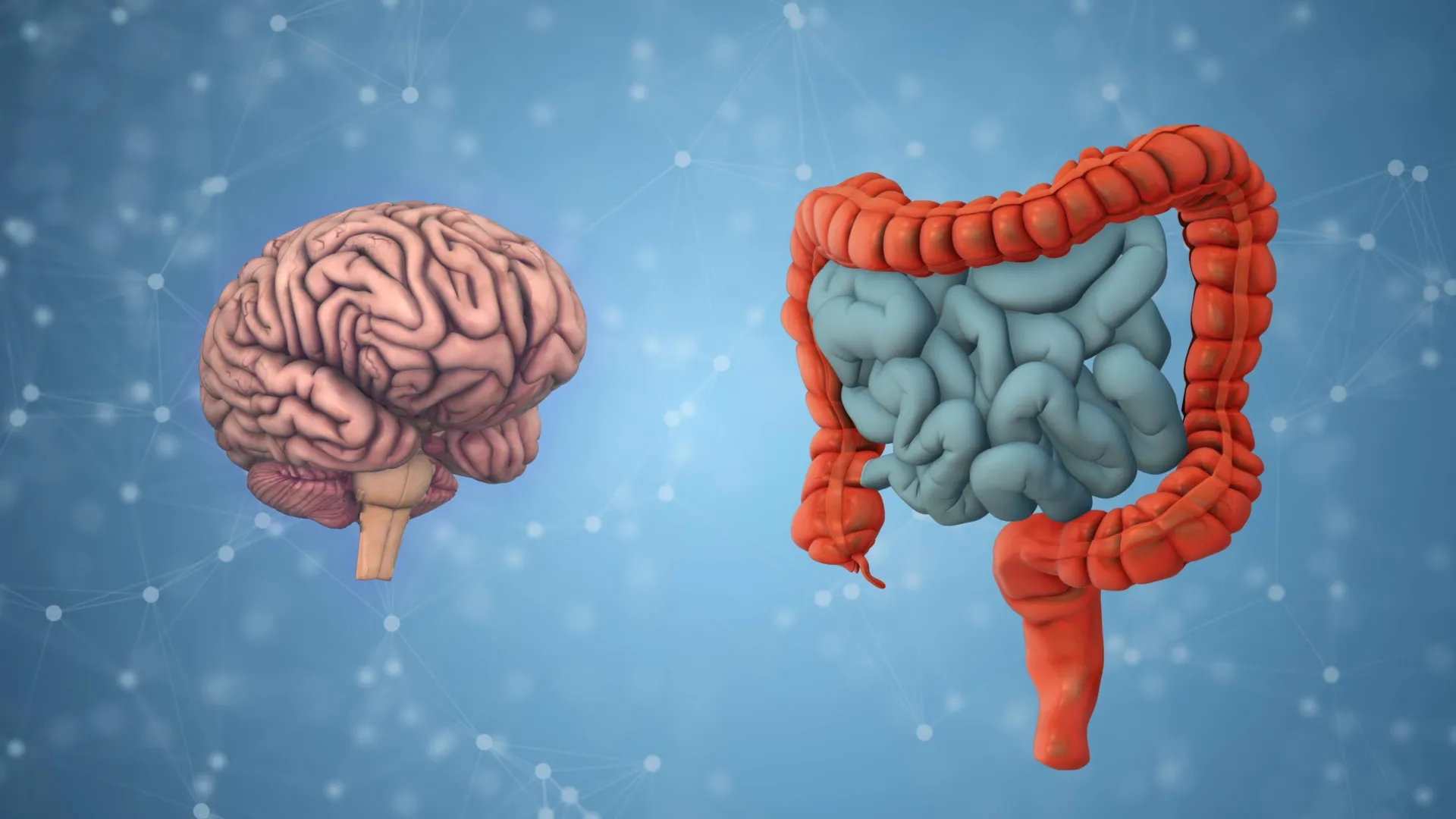
The most compelling aspect of the study lies in its exploration of the gut-brain axis. For one of the three study groups, researchers analyzed stool samples to determine whether the BAI was correlated with the composition of the gut microbiome and the chemical compounds—or metabolites—produced by these bacteria.
The results were striking. Higher BAI scores were strongly associated with specific bacterial signatures and a unique profile of metabolic byproducts. These included specific fat molecules, a cholesterol-related compound, and notably lower levels of estetrol, a hormone that may play a protective role in neurological health.
These biological signals were found to interact with several critical physiological pathways, including:
- The Immune System: Systemic inflammation, often regulated by gut health, appears to influence neural integrity.
- Vascular Function: The health of the blood vessels supplying the brain, which can be affected by metabolites produced in the gut.
- Synaptic Communication: The efficiency with which brain cells transmit signals.
- Metabolic Energy: The processes by which cells generate the energy required for cognitive labor.
Official Responses and Expert Insight
Dr. Arpana Church, the study’s senior author and co-director of the Goodman-Luskin Microbiome Center at UCLA Health, emphasized that the study does not suggest brain aging is a sudden event. Rather, it is a cumulative, detectable process.
"Brain aging doesn’t suddenly begin when we get older, but the biological signals may be detectable decades earlier," Dr. Church stated. "By linking these early brain changes with the gut microbiome and its metabolites, we are beginning to identify pathways that could ultimately help us understand who may be at risk and, importantly, where we might intervene to support healthier brain aging."
The academic community has received the findings with significant interest, as they provide a concrete, measurable link between diet, digestive health, and the most complex organ in the human body. Dr. Church’s team suggests that the gut may not just be a mirror of the brain’s condition, but a potential target for therapeutic intervention.
Implications: A New Frontier in Preventive Medicine
The UCLA findings open the door to a radical change in how we approach geriatric medicine and mental health. If the aging of the brain can be identified through markers in the gut microbiome, it suggests that "brain health" could be managed through nutrition, probiotics, or metabolic therapies long before a patient experiences the frustration of memory loss or the heaviness of clinical depression.
Early Detection and Screening
Currently, diagnostic tools for cognitive decline are often utilized only after the patient—or their family—notices an impairment. The Brain Aging Index provides a potential framework for a blood or stool-based screening test that could identify "at-risk" individuals in their 30s or 40s. Early identification could allow for lifestyle modifications that might slow or even reverse the progression of neural aging.
Future Therapeutic Targets
The involvement of specific metabolites—such as the cholesterol-related compounds and fat molecules identified in the study—suggests that the gut-brain axis is a chemical highway. Future research will likely focus on:
- Microbiome Modulation: Can diet-induced changes in gut bacteria lead to a reduction in the Brain Aging Index?
- Metabolic Supplementation: If low levels of certain compounds are linked to an "older" brain, can restoring these levels through supplementation offer neuroprotection?
- Personalized Medicine: Developing individual "microbiome profiles" to help patients understand their personal risk factors for cognitive decline.
Conclusion: The Long Road to Cognitive Longevity
The UCLA study serves as a poignant reminder that the human body functions as an integrated, holistic system. The divide between the gut and the brain is, in biological terms, increasingly porous. As researchers continue to map these connections, the possibility of preventing cognitive decline shifts from the realm of science fiction to a tangible, reachable goal.
While the study is a significant step forward, Dr. Church and her team acknowledge that this is only the beginning. Further longitudinal studies are required to confirm whether modifying the gut microbiome can causally influence brain aging over the course of a lifetime. However, the discovery provides a beacon of hope for a future where we don’t just treat the aging brain, but actively support its vitality from the inside out. By monitoring the gut, we may finally be gaining the tools to protect the mind.