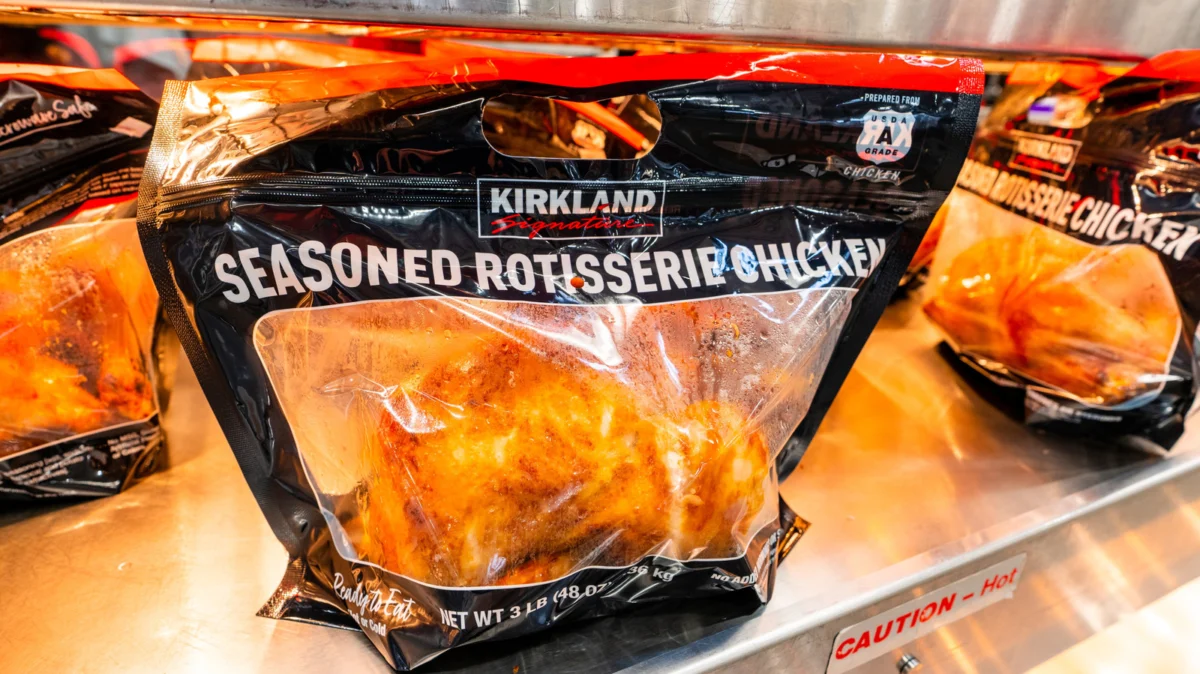
In the landscape of modern American retail, few items carry as much cultural weight or strategic significance as Costco’s rotisserie chicken. Priced at a steadfast $4.99 since its introduction in 1994, the bird has transcended its status as mere poultry to become a symbol of corporate consistency, consumer value, and sophisticated retail psychology. While inflation has eroded the purchasing power of the dollar, effectively making the chicken a bargain that should cost upwards of $11 in today’s currency, Costco has maintained its price point with ironclad resolve.
However, the history of this "loss leader" is not entirely devoid of volatility. Amidst the catastrophic economic downturn of the late 2000s, Costco faced a rare moment of fiscal pressure that forced its hand. This article explores the economic mechanics, the history of that single price hike, and the genius of a strategy that keeps shoppers returning to the warehouse week after week.
The Great Recession Exception: A Moment of Fiscal Necessity
To understand the resilience of the $4.99 price tag, one must look back at the most significant challenge in the company’s recent history: the Great Recession of 2008. From late 2007 through mid-2009, the United States endured an economic contraction that dismantled industries, decimated savings, and forced retailers to fundamentally rethink their survival strategies.
During this period, Costco, like many other major retailers, found its profit margins under siege. While the company famously avoided the mass layoffs that plagued its competitors—choosing instead to retain its workforce and maintain high levels of customer service—the macroeconomic environment was undeniably harsh. Unemployment soared, and the discretionary spending of the average American household plummeted.
In 2008, facing unprecedented pressure on its bottom line, Costco executives made a decision that felt almost sacrilegious to the brand: they increased the price of the rotisserie chicken by $1, bringing the cost to $5.99. This move was not a sign of corporate greed, but rather a surgical intervention designed to help the company stay afloat during a period of massive volatility. Once the worst of the economic storm had passed and stability returned to the markets, Costco promptly rolled the price back to $4.99. It has remained at that price point ever since, surviving the post-pandemic inflationary surges that have forced nearly every other grocery item to reach new price highs.
The Loss Leader Philosophy: More Than Just Chicken
To understand why Costco would choose to keep the price of a commodity artificially low, one must understand the business concept of the "loss leader." In retail, a loss leader is a product sold at a price lower than its cost of production or acquisition to stimulate the sales of other, more profitable goods.
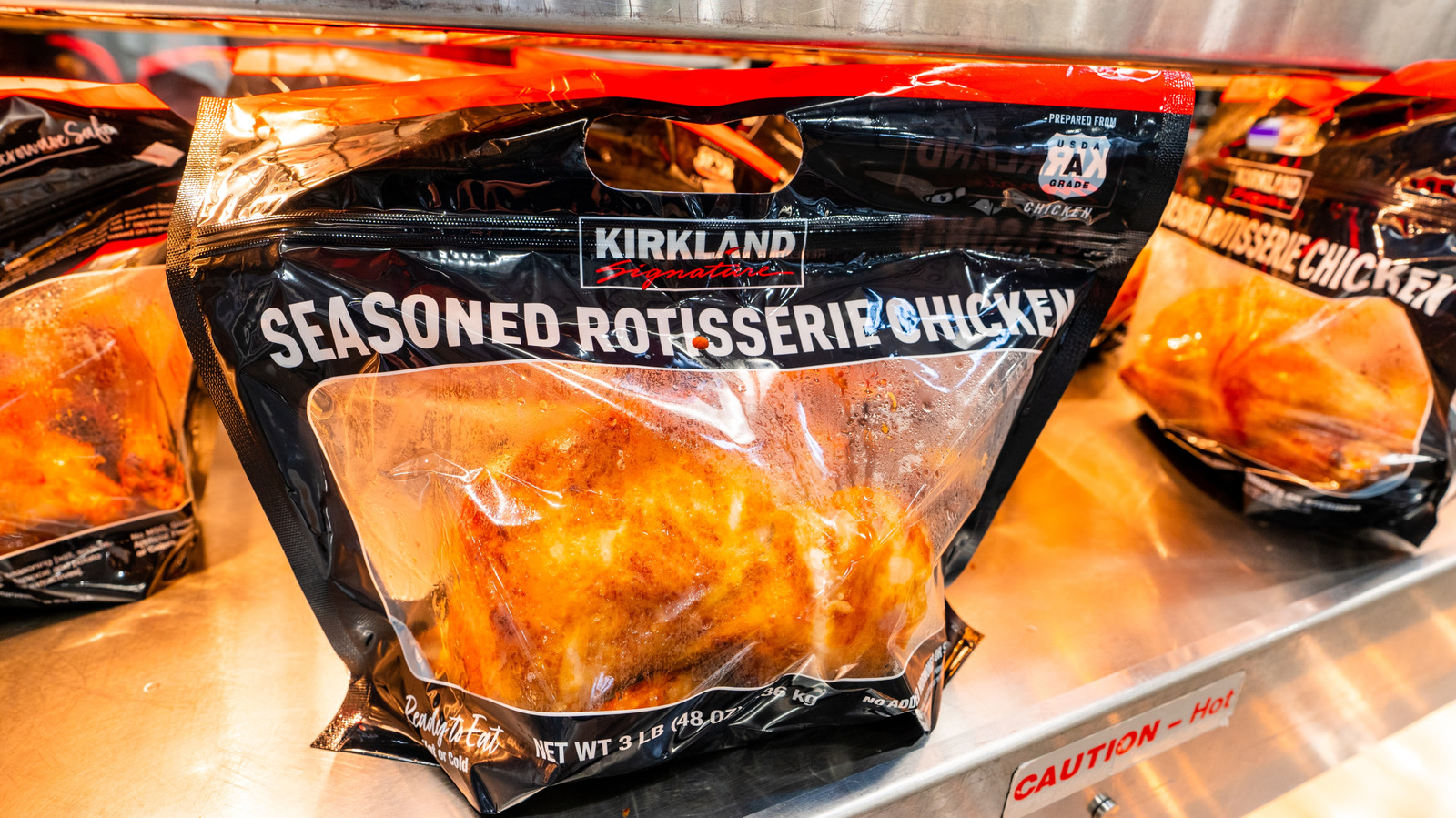
Costco’s rotisserie chicken is the quintessential example of this strategy. By keeping the price at $4.99, the company guarantees a constant stream of foot traffic. For many members, the rotisserie chicken is the primary reason for a trip to the warehouse; however, rarely does a member leave with only a chicken.
The placement of the rotisserie ovens is a masterclass in consumer psychology. They are almost invariably located at the very back of the warehouse. To reach the hot, aromatic birds, a customer must navigate through aisles stocked with high-margin electronics, seasonal goods, apparel, and bulk home items. By the time a shopper reaches the poultry section, their cart is often already filled with impulse buys or secondary necessities. The chicken effectively acts as a "gateway" product, subsidizing the overhead costs of the warehouse visit through the total basket value of the member.
The Anatomy of Supply: From Global Sourcing to Vertical Integration
The scale of Costco’s rotisserie operation is staggering. The company sells over 100 million chickens annually. Meeting this demand without compromising on the price point is a logistical feat that requires constant innovation.
For decades, Costco relied on external poultry producers to meet its massive demand. However, as global supply chain pressures intensified and the costs of grain, labor, and transportation fluctuated, the company recognized that it could not rely solely on third-party vendors. In 2019, Costco took a monumental step toward vertical integration by opening its own state-of-the-art chicken processing facility in Nebraska.
This facility was designed to streamline the supply chain, reduce middleman costs, and ensure that the price of the bird remained insulated from the volatility of the commodity markets. Despite this massive investment, demand continues to outpace internal supply. Even with its own processing plant, Costco still sources the majority of its chickens from external suppliers, balancing the need for massive volume with the need to keep costs low enough to maintain the $4.99 price point.
Official Responses and Corporate Philosophy
Costco’s leadership has long been vocal about their commitment to the $4.99 price point. Former CEO Craig Jelinek famously recalled a conversation with Costco co-founder Jim Sinegal regarding the price of the chicken. As the story goes, Jelinek suggested that they needed to raise the price because the company was losing money on every bird. Sinegal’s response was characteristically blunt: "If you raise the price to $5.99, I will kill you."
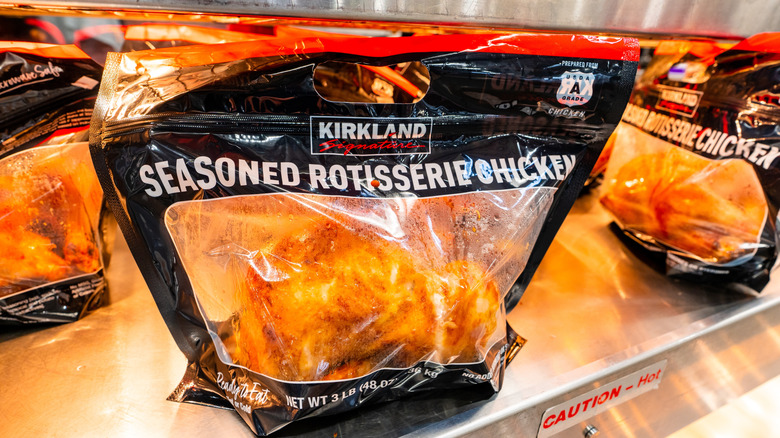
This anecdote underscores a core tenet of Costco’s corporate culture: the maintenance of trust. For Costco, the rotisserie chicken is not just a product; it is a promise. It serves as a physical manifestation of the value proposition that the membership fee buys. When inflation causes the price of milk, eggs, and bread to rise, the $4.99 chicken remains a constant, a baseline of affordability that keeps members feeling that their subscription is worth every penny.
Implications for the Future of Retail
The implications of the $4.99 chicken extend far beyond the poultry industry. It has set a benchmark for what consumers expect from membership-based retailers. As other retailers experiment with subscription models, they are often compared against the "Costco standard."
However, sustaining this model is becoming increasingly difficult. The costs of labor, electricity, packaging, and raw poultry have risen significantly over the last three decades. The fact that the price has remained static suggests that Costco is willing to accept a smaller margin on the chicken—or even a consistent loss—in exchange for the long-term customer loyalty and high-margin sales that the chicken facilitates.
There is also the question of environmental and ethical sustainability. As the demand for inexpensive protein remains high, the pressure on the supply chain to provide these birds at such a low cost raises questions about the long-term viability of industrial poultry farming. Costco has faced scrutiny from animal welfare advocates, prompting the company to invest more in its own facilities to exercise greater control over its supply chain standards.
Conclusion: The Anchor of the Warehouse
The story of Costco’s rotisserie chicken is a narrative of strategic discipline. By intentionally operating at a loss on one of its most popular items, the company has managed to build an almost cult-like following. The 2008 price hike serves as a historical reminder that while Costco is committed to the $4.99 price, it is not immune to the laws of economics.
As we look toward the future, the rotisserie chicken remains the anchor of the Costco warehouse. It is a symbol of stability in an unpredictable market, a tool for driving high-margin sales, and a testament to the power of a brand promise. Whether the company can maintain this price point for another decade remains to be seen, but for now, the $4.99 chicken stands as one of the most successful loss-leader strategies in the history of global retail.