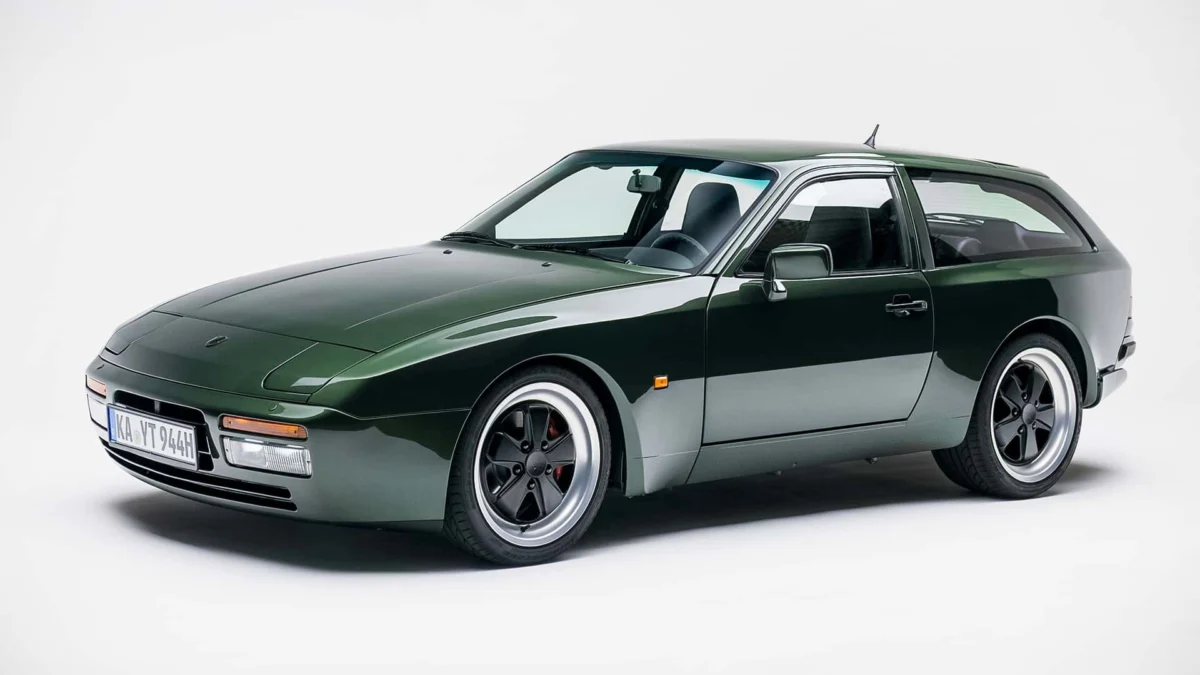
In the pantheon of automotive design, the Porsche 944 stands as a definitive icon of the transaxle era—a balanced, front-engine sports car that saved the Stuttgart manufacturer during the turbulent 1980s. Yet, for all its technical brilliance, the 944 was limited to the coupe and cabriolet body styles. Now, the German specialist workshop CarPoint is rectifying a historical omission, transforming the classic 944 into a bespoke shooting brake known as the GT-K44. Limited to a strictly controlled run of just 10 units, this project represents the intersection of vintage enthusiast passion and modern high-end craftsmanship.
A Legacy Reimagined: The Artz Connection
The genesis of the GT-K44 is not a mere flight of fancy, but a respectful nod to automotive history. In the early 1980s, the visionary coachbuilder Günter Artz created the 924 Turbo Kombi, a conversion that turned the Porsche 924 into a practical, long-roof wagon. These rare machines became cult classics, celebrated for their audacity and unconventional utility.
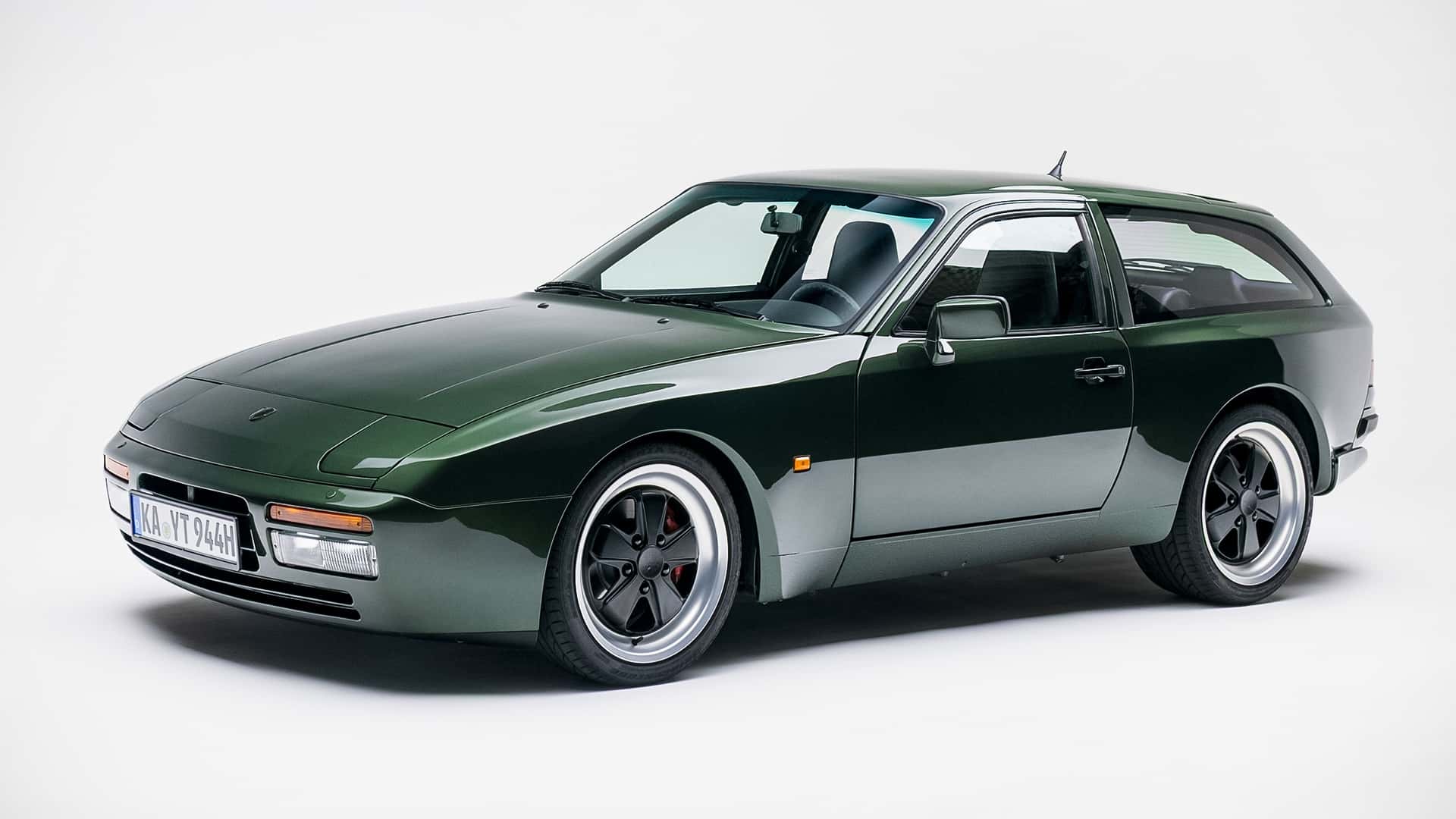
CarPoint founder Andreas Freund, who spent decades as an owner of an original Artz 924, felt that the concept deserved a modern, refined successor. Collaborating with designer Michael Söhngen, Freund set out to create a vehicle that looked as though it could have rolled off the Porsche production line in Zuffenhausen as a factory-authorized prototype. The result is the GT-K44, a design that retains the aggressive, wedged silhouette of the 944 while extending the roofline into a sophisticated shooting brake aesthetic.
Engineering the Transformation
The conversion process is an exercise in surgical metalwork. It is not a simple "bolt-on" kit; rather, it is a comprehensive structural re-engineering of the donor vehicle. Each project begins with a 1991 Porsche 944 S2 as the baseline, chosen for its robust 3.0-liter inline-four engine—the largest four-cylinder engine offered in a passenger car at the time, producing 211 horsepower.
The transformation involves a labor-intensive sequence of operations:
- Structural Modification: The B-pillars are reshaped, and the roofline is extended and raised to create a seamless transition into the new rear section.
- Tailgate and Glass: A custom tailgate is fabricated to accommodate the new rear profile, complete with integrated rear lighting clusters designed to harmonize with the 944’s original design language. Custom side and rear glass are fitted to ensure the greenhouse remains structurally sound and visually balanced.
- Interior Integrity: While the exterior undergoes a radical change, the interior retains the 2+2 seating configuration, ensuring that the car remains a true driver-focused grand tourer.
CarPoint notes that each vehicle requires hundreds of hours of cutting, welding, and bodywork. Every car is stripped and subjected to a full professional-grade exterior respray, ensuring the finish meets the standards of a concours-level restoration.
Chronology of a Commission
The GT-K44 is defined by its status as a commission-based project rather than a mass-produced restomod. The timeline for these builds is dictated by the availability of donor cars and the meticulous nature of the work.
- Sourcing: Customers may provide their own 944, or leverage CarPoint’s network to locate a suitable donor. The workshop recommends the naturally aspirated 944 S2 or the more potent 944 Turbo (220 hp or 250 hp).
- Consultation: The client specifies the aesthetic and performance parameters. Because CarPoint focuses on the coachwork, the mechanical drivetrain—be it the transaxle manual or the optional automatic—remains as the client dictates, though many opt for a full mechanical refresh alongside the body conversion.
- Fabrication: The "hundreds of hours" of metalwork phase, where the car’s identity is fundamentally altered.
- Refinement: The final assembly, where the bespoke interior trims, exhaust systems, and suspension components—all selected by the client—are integrated.
The Financial Reality of Bespoke Craftsmanship
Entering the world of the GT-K44 requires a significant financial commitment. The conversion cost is set at €100,000 before tax. With the German 19% VAT applied, the base price for the conversion sits at €119,000 (approximately $128,000 USD). It is crucial to note that this figure does not include the price of the donor car or any additional individualized upgrades, such as performance suspension kits, bespoke leather upholstery, or engine tuning.
This pricing structure positions the GT-K44 firmly in the territory of "one-off" commissions, similar to the special projects handled by Porsche’s own Sonderwunsch program. For the collector, the value proposition lies not in the utility of a wagon, but in the exclusivity of owning one of only 10 vehicles in existence—a "unicorn" that bridges the gap between classic German sports engineering and artisanal coachbuilding.
Market Context and Competitive Landscape
The GT-K44 arrives at a moment where the "restomod" and "reinterpretation" market for classic Porsches is at an all-time high. Companies like TechArt have set the bar with projects like the GTclassic 911, and the scene is flooded with modified 911s, 964s, and slantnose conversions.
However, the GT-K44 occupies a unique niche. By focusing on the 944, CarPoint avoids the overcrowded 911 market and targets a specific subset of collectors: those who appreciate the unique transaxle balance and the front-engine, rear-transmission layout that defined the 944. This is a car for the enthusiast who values the "oddball" history of the brand—the projects that Porsche considered but never put into full-scale production.
Implications for the Porsche Community
The existence of the GT-K44 raises interesting questions about the role of independent workshops in preserving and expanding the heritage of established manufacturers. While some purists argue that classic cars should remain strictly original, the growing trend of high-quality modifications suggests that many collectors prefer "living" classics—cars that can be driven and enjoyed in modern traffic while offering the unique aesthetic of a bygone era.
By limiting the run to 10 cars, CarPoint has ensured that the GT-K44 will remain a rare sight. This scarcity is a deliberate strategic choice. It prevents the dilution of the brand identity and ensures that each of the 10 owners possesses a vehicle that will likely appreciate as a historical curiosity.
Conclusion: A New Chapter for the 944
The CarPoint GT-K44 is more than just a wagon conversion; it is a testament to the enduring appeal of the 944 platform. By taking a car that was once considered an "entry-level" Porsche and elevating it through hundreds of hours of skilled labor and high-end design, CarPoint has transformed a mass-produced coupe into a limited-edition piece of art.
For the 10 individuals who secure a build slot, the GT-K44 will offer a driving experience that feels familiar, yet entirely unique. It is a bold, uncompromising answer to the question, "What if Porsche had built a 944 wagon?" In doing so, the workshop has not only honored the legacy of Günter Artz but has also carved out its own permanent place in the history of Porsche modifications. Whether viewed as an engineering feat or a collector’s dream, the GT-K44 proves that even decades after a car’s production has ended, there is still room for innovation, provided one has the vision and the metalworking skill to execute it.