In a move that signals a significant recalibration of its global product strategy, Mercedes-Benz has confirmed a major pruning of its vehicle portfolio. As the automotive industry navigates the volatile transition from internal combustion engines to full electrification, the German luxury titan is tightening its belt. For the 2027 model year, the automaker will discontinue at least three prominent models, signaling a shift away from specialized electric platforms and toward a more integrated, streamlined production philosophy.
The models facing the chopping block include the EQE sedan (encompassing both standard and AMG variants), the high-performance Mercedes-AMG S63 E Performance, and the ultra-luxurious Mercedes-Maybach EQS 680 SUV. This decision, confirmed by a company spokesperson to Car and Driver, represents more than just a reduction in headcount; it is a fundamental pivot in how Mercedes-Benz intends to manage its transition toward an electrified future.
The Evolution of the Strategy: From "EQ" to Integration
When Mercedes-Benz first introduced the "EQ" sub-brand, it was a declaration of intent. The company sought to create dedicated electric architectures that looked, felt, and drove differently than their combustion-powered counterparts. The EQE sedan, with its "one-bow" aerodynamic profile and distinct design language, was the poster child for this era.
However, market reception has proven that buyers often prefer the familiarity of the brand’s traditional design pillars. As Mercedes-Benz looks toward the late 2020s, the company is shifting its focus toward a more cohesive lineup where EV technology is integrated into the core product ecosystem rather than relegated to a standalone, experimental branch. The success of the electric CLA and the upcoming electric C-Class suggests that the brand’s future lies in "electrifying the icons" rather than creating new ones that clash with the brand’s historical identity.
Chronology of the Discontinuations
1. The EQE Sedan: A Short-Lived Experiment
Launched as the electric answer to the storied E-Class, the EQE sedan was designed to offer the benefits of an electric powertrain in a package that prioritized aerodynamics and efficiency. While it offered a whisper-quiet ride and cutting-edge cabin technology, it faced stiff competition from both internal rivals—like the EQE SUV—and external disruptors. By 2027, the EQE sedan will exit the stage, clearing the way for a new generation of electric mid-size offerings that align more closely with the C-Class and E-Class silhouettes.
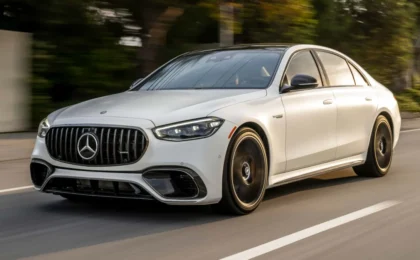
2. The Mercedes-AMG S63 E Performance: A Performance Paradox
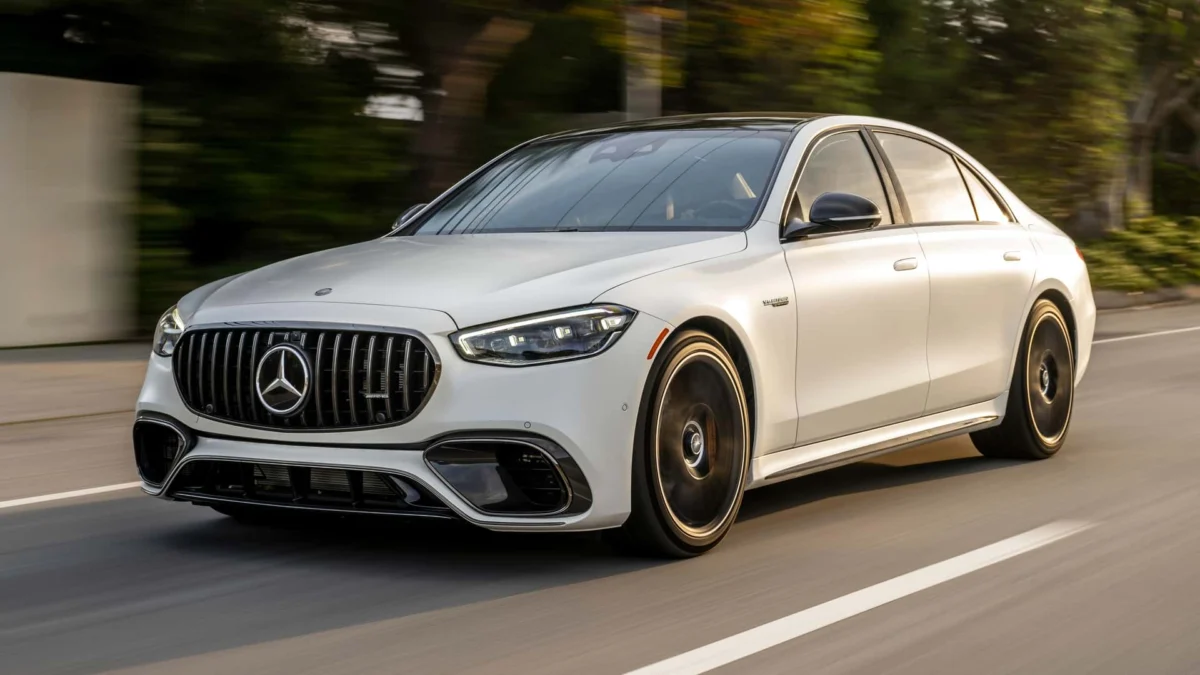
The S63 E Performance is a marvel of modern engineering, blending a twin-turbocharged 4.0-liter V8 with a sophisticated plug-in-hybrid system to churn out a staggering 791 horsepower and 1,055 pound-feet of torque. Despite these world-class figures, its inclusion in the 2027 cull highlights the difficulty of marketing complex, high-priced hybrids. As the S-Class family evolves, the S63 E Performance will be retired, though industry analysts anticipate that a successor—potentially utilizing a different performance powertrain architecture—will fill the void in the near future.
3. The Mercedes-Maybach EQS 680 SUV: Reimagining Luxury
Perhaps the most surprising cut is the Mercedes-Maybach EQS 680 SUV. As the pinnacle of the company’s electric luxury efforts, it was designed to offer the ultimate chauffeur-driven experience in an EV format. However, its high price point and the niche nature of an "electric Maybach" SUV have led the brand to reassess the viability of standalone electric ultra-luxury models. While the Maybach badge will undoubtedly continue to grace future vehicles, the current EQS 680 configuration will not survive the 2027 transition.
Supporting Data: The Cost of Complexity
The decision to discontinue these models is underscored by the broader economic reality of the automotive sector. Developing dedicated platforms—such as the EVA2 platform that underpins the EQE and EQS—requires massive capital investment. By phasing out models that do not meet internal sales volume targets, Mercedes-Benz is optimizing its manufacturing footprint.

According to recent reports, the company has been under pressure to improve margins as EV adoption rates have leveled off globally. The "slimming down" of the lineup is a direct response to this environment. By reducing the number of distinct body styles and specialized platforms, Mercedes-Benz can consolidate its supply chain, reduce the complexity of its manufacturing plants, and focus its R&D budget on the most profitable segments.
The "V8-Still-Alive" Doctrine: Official Stance
Despite the discontinuation of the S63 E Performance, Mercedes-Benz remains steadfast in its commitment to the V8 engine. In various official communications, the automaker has clarified that while it is committed to an electric future, it will not abandon its internal combustion heritage as quickly as some of its competitors.
The company has explicitly stated that it will continue to invest in the development of combustion engines for the AMG brand, ensuring that high-performance, gas-powered vehicles remain a pillar of their portfolio for the foreseeable future. The exit of the S63 E Performance should not be viewed as the death of the V8 at Mercedes, but rather as a tactical retreat to refine how that power is delivered in a changing regulatory and market landscape.
Implications: What This Means for the Consumer
For the prospective buyer, the 2027 lineup changes suggest a move toward a more predictable and traditional ownership experience. Mercedes-Benz is effectively signaling that it hears the feedback regarding its "EQ" styling and the complexity of its hybrid performance models.
What to Expect:
- Design Convergence: Future EVs from Mercedes-Benz will likely share more visual DNA with the gas-powered models they replace, moving away from the "jellybean" aerodynamics of the early EQ era.
- Performance Stability: The company is likely to focus on more reliable, high-performance powertrains that offer the brute force of a V8 without the added weight and complexity of massive, ultra-high-output plug-in systems.
- Simplified Choices: As the brand trims the fat, customers can expect a more logical, hierarchical progression through the range, making it easier to compare and select the model that fits their lifestyle.
The Road Ahead
The retirement of the EQE sedan, the S63 E Performance, and the Maybach EQS 680 SUV is a bold admission that even the most prestigious automakers are susceptible to the pressures of the current market. The "electric-first" strategy, while visionary, proved to be an expensive undertaking that required a constant flow of new models to sustain momentum. By hitting the reset button for 2027, Mercedes-Benz is positioning itself to be more agile, more profitable, and more responsive to its core demographic.
The industry will be watching closely as the company reveals its next generation of vehicles. Will the integration of electric powertrains into the traditional C-Class and E-Class platforms succeed where the EQ models struggled? If the brand’s history of reinvention is any indicator, Mercedes-Benz is not backing away from the challenge; it is simply changing its tactics to ensure it stays at the top of the luxury hierarchy.
As we move toward 2027, the focus will shift to how these gaps in the lineup are filled. With the G 580 Electric already making waves and new AI-driven technologies on the horizon, the brand’s "Strategy 2030" vision remains intact, even if the road map has been significantly redrawn. For the loyalists who have stuck with the three-pointed star through years of innovation, this period of consolidation may well be the most important chapter in the company’s modern history—a transition from the era of "Electric Only" to the era of "Electric Integrated."
Whether these cuts will stabilize the company’s bottom line or alienate the early adopters of their EV technology remains to be seen. However, one thing is clear: Mercedes-Benz is no longer willing to throw money at models that don’t serve the bottom line. The 2027 lineup will be leaner, meaner, and, if the company has its way, much more aligned with what the luxury buyer of the next decade actually wants.