Introduction: The Fragile Reality of Post-Conflict Gaza
Nearly one year has elapsed since the October 2025 ceasefire agreement brought an end to the most intense phase of the Israel-Hamas conflict. Yet, for the residents of the Gaza Strip, the promise of a return to normalcy remains an elusive goal. A report released this Wednesday by the United Nations paints a sobering picture: while active hostilities have diminished in scale, the fundamental human rights of Palestinians—including access to clean water, adequate housing, and education—remain under severe strain.
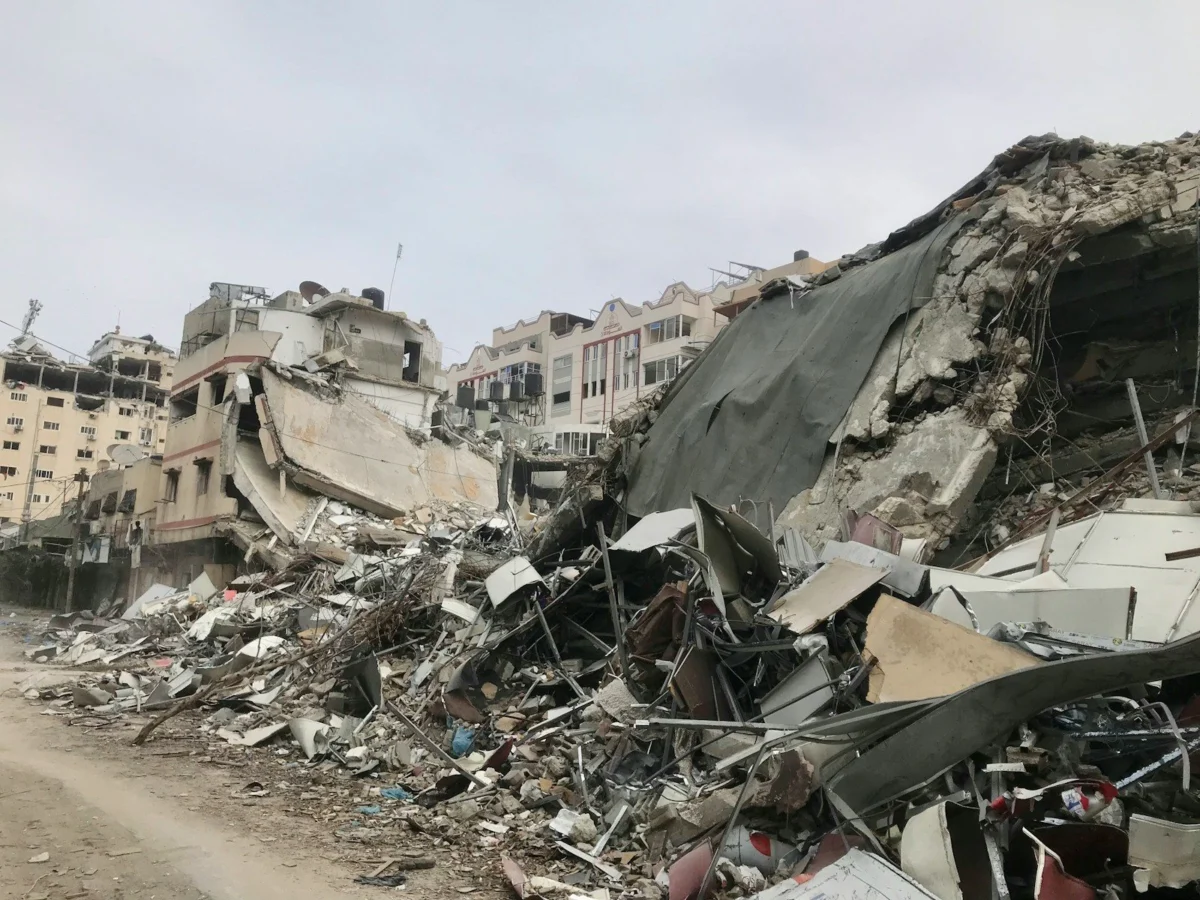
Despite the cessation of major combat operations, the "day-after" reality for Gaza is characterized by systemic deprivation. Humanitarian agencies operating on the ground report that the bottleneck of essential aid is not merely a logistical failure but a consequence of persistent administrative restrictions and a lack of political momentum. As the region braces for another winter, the international community is facing renewed calls to address the structural impediments preventing the reconstruction of a society left in ruins.
Chronology: From the October 2025 Ceasefire to Present
To understand the current impasse, one must examine the timeline of the post-war transition:
- October 2025: A landmark ceasefire deal is brokered, outlining a roadmap that included the withdrawal of Israeli troops, the disarmament of Hamas, and the initiation of a governance transition for a post-war Gaza.
- January 2026: Initial optimism fades as humanitarian groups report significant delays at customs checkpoints. Reconstruction materials, deemed "dual-use" by Israeli authorities, are frequently denied entry.
- May 2026: A nine-month progress report by international observers highlights that only a fraction of the necessary aid has reached the most vulnerable populations, citing "cumbersome bureaucracy" and ongoing security concerns.
- September 2026: Tensions flare as sporadic attacks continue. The month concludes with a lethal strike on the Gaza Strip that claims the lives of eight individuals, including the journalist Muhammad Abdel Aziz al-Najjar, serving as a grim reminder of the ceasefire’s fragility.
- October 2026: The UN issues its latest assessment, noting that the cyclical nature of water and sanitation crises has reached a breaking point, with no sustainable infrastructure repairs underway.
Supporting Data: The Statistics of Deprivation
The scale of the humanitarian emergency in Gaza is not merely anecdotal; it is defined by stark, quantifiable metrics that reflect a society in collapse. Even before the latest cycle of violence, Gaza faced one of the world’s highest unemployment rates. Today, the economic landscape is almost non-existent.
The Economic and Social Breakdown
- Unemployment: Approximately 80% of the working-age population remains unemployed, a figure that underscores the total evaporation of the private sector and the destruction of commercial infrastructure.
- Housing Crisis: Roughly 70% of the population is currently in need of basic shelter. Many families remain in temporary tents, facing the prospect of a second winter without adequate protection from the elements.
- Food Insecurity: An estimated 1.4 million people in Gaza face acute food insecurity, relying entirely on the inconsistent flow of humanitarian aid for their daily survival.
- Water and Sanitation: Perhaps the most critical issue is the lack of clean water. The destruction of sewage and water treatment facilities has created a public health time bomb, with the UN warning that without the entry of specialized materials for repair, water-borne diseases remain a constant threat.
Official Responses and Diplomatic Perspectives
The UN Assessment
Acting UN Special Coordinator for the Middle East Peace Process, Ramiz Alakbarov, has been the primary voice articulating the frustration of the international humanitarian community. In a recent briefing, Alakbarov stated: "One year after the ceasefire, while progress was made on bringing such essential elements like food items and nutrition, we still have not resolved a very cyclical matter related to water and sanitation."
Alakbarov’s comments highlight a "two-tier" success story: the international community has successfully prevented mass starvation, but it has utterly failed to foster the conditions for self-sufficiency. He noted that the residents of Gaza are exhausted by the uncertainty, stating, "Gazans are tired, they want back to normal life; they are asking to not live another winter in tents."
The Political Impasse
The Israeli government has maintained that its restrictions on aid and reconstruction materials are essential security measures to prevent the rearmament of Hamas and other militant groups. However, critics—including various human rights organizations—argue that these policies have transformed into a mechanism of collective punishment, delaying the recovery of the civilian population.
The lack of a clear, unified Palestinian governance structure has further complicated the situation. Without a central authority to coordinate reconstruction efforts and guarantee the security of aid convoys, the international community has been hesitant to commit to large-scale, long-term capital projects.
Implications: The Path Forward and the Two-State Solution
The Need for Structural Reform
The current state of affairs suggests that humanitarian aid alone is not a substitute for political and economic sovereignty. The "business as usual" approach of delivering aid while maintaining a blockade on reconstruction materials is, according to regional experts, a recipe for long-term radicalization and instability.
For real progress to be made, several conditions must be met:
- Administrative Reform: The simplification of customs and transit protocols for essential materials, specifically for water, electricity, and telecommunications infrastructure.
- Trust-Building: Both parties must commit to a verifiable adherence to the ceasefire. The continued, albeit sporadic, violence serves to justify the maintenance of restrictive security measures, creating a self-perpetuating loop of misery.
- Institutional Strengthening: International support must pivot from emergency aid to the capacity-building of Palestinian institutions capable of managing the territory’s reconstruction.
The Reinvigoration of the Two-State Solution
In the long term, the UN and various international stakeholders continue to advocate for a two-state solution as the only viable framework for peace. Alakbarov emphasized that the current crisis is a symptom of a deeper, unresolved political vacuum. He argued that the international community must renew its efforts to facilitate a political process that addresses the fundamental aspirations of both Israelis and Palestinians for security and self-determination.
However, the current sentiment on the ground is one of profound skepticism. After a year of "ceasefire" that feels like a slow-motion catastrophe, the population of Gaza is increasingly alienated from the diplomatic processes occurring in distant capitals. The demand is simple: they want to work, they want their children to return to school, and they want to participate in the recovery of their land.
Conclusion: A Race Against Time
As the winter months approach, the situation in Gaza is a race against time. The structural failures in water, housing, and education are not merely matters of "aid delivery"; they are the pillars upon which the future of the region rests. Without a significant shift in the policy regarding the movement of goods and a renewed commitment to the political roadmap established in 2025, the risk of a total societal collapse remains high.
The international community stands at a crossroads. It can continue to manage the decline of Gaza through incremental aid, or it can leverage the current ceasefire as a genuine foundation for reconstruction and political resolution. As Ramiz Alakbarov poignantly summarized, the people of Gaza are not merely waiting for food—they are waiting for the opportunity to rebuild their lives and contribute to a future that, as of today, remains frustratingly out of reach.