Overview: A Narrowing of Constitutional Redress
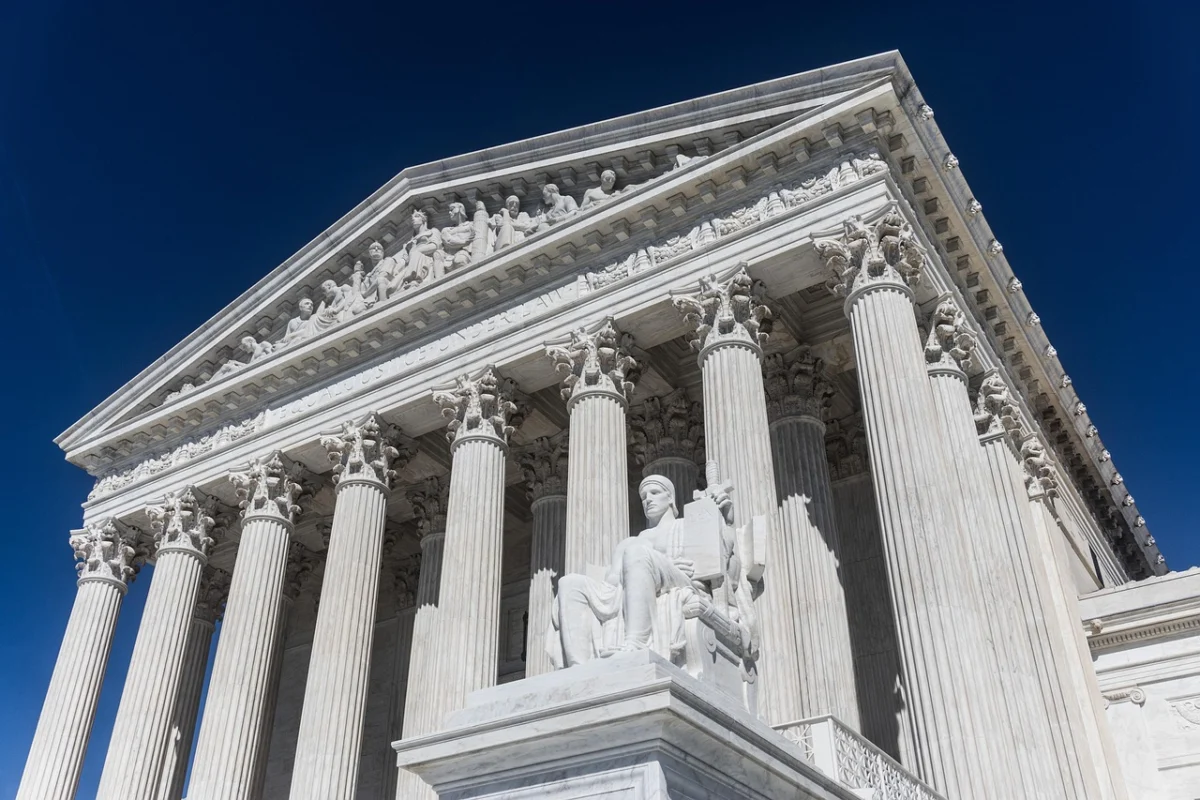
In a significant ruling that has sent shockwaves through civil rights circles, the U.S. Supreme Court ruled on Tuesday that Damon Landor, a Rastafarian man formerly incarcerated in Louisiana, cannot pursue a lawsuit against state correctional officers who forcibly shaved his head. The 6-3 decision, authored by Justice Neil Gorsuch, establishes a restrictive precedent regarding the reach of the Religious Land Use and Institutionalized Persons Act (RLUIPA) of 2000.
The Court’s majority opinion hinges on a novel "contractual" interpretation of federal spending power, effectively insulating individual state employees from personal liability for violating the religious rights of inmates. This ruling marks a pivot from a recent string of judicial decisions that have broadly favored religious freedom claims, raising urgent questions about the accountability of state actors when they infringe upon the constitutional rights of those behind bars.
Chronology of a Constitutional Crisis
The roots of the case, Landor v. Louisiana, lie in the intersection of sincere religious belief and the rigid, often punitive environment of state incarceration.
The Nazarite Vow
Damon Landor, a devout Rastafarian, has spent decades adhering to the biblical Nazarite Vow, as detailed in the Book of Numbers. Central to this practice is the requirement to "let the locks of the hair of his head grow long," a spiritual commitment that Landor upheld throughout his life.
Incarceration and Resistance
In 2020, Landor was incarcerated on drug-related charges. Even while navigating the prison system, he remained steadfast in his faith. Upon his transfer to the Raymond Laborde Correctional Center—with a mere three weeks remaining on his sentence—Landor was acutely aware of the potential for conflict.
He arrived prepared, armed with a copy of a 2017 Fifth Circuit Court of Appeals decision, Ware v. LDOC, which had previously affirmed the right of inmates to maintain dreadlocks under RLUIPA. However, instead of adhering to established legal precedent, prison officials reportedly discarded the documentation, forcibly restrained Landor, handcuffed him to a chair, and shaved his head.
The Legal Battle
Following his release, Landor sought legal recourse, arguing that the officials had violated his rights under RLUIPA. The case moved through the lower courts before arriving at the Supreme Court, setting the stage for a constitutional debate over whether federal funding conditions—which mandate that states respect the religious rights of inmates—extend to individual state employees acting in their official capacity.
Understanding the Legal Conflict
The Supreme Court’s majority opinion relies on a strict interpretation of the Spending Clause. Congress enacted RLUIPA in 2000 to ensure that state and local governments receiving federal funds do not impose a "substantial burden" on the exercise of religion. The statute explicitly covers "governmental entities," "officials of those entities," and "any other person acting under color of State law."
The Majority’s Contract Analogy
Justice Gorsuch, writing for the majority, framed the relationship between the federal government and state employees through the lens of a private contract. The Court reasoned that because individual employees did not "knowingly and voluntarily agree" to the terms of the federal funding agreement, they cannot be held personally liable for damages when those terms are breached. In essence, the Court ruled that while the state (as the recipient of the funds) can be sued, the individuals who committed the acts are shielded from personal financial accountability under this specific federal statute.
The Dissenting View
Justice Ketanji Brown Jackson, writing in dissent, offered a blistering critique of the majority’s logic. She characterized the contract analogy as an "effortless conflation of law making and agreement making."
Justice Jackson argued that the majority’s insistence on a formal "consent" by state employees is a "dramatic innovation" that ignores the historical use of the Spending Clause. Supported by the Necessary and Proper Clause, Congress has long held the authority to attach conditions to federal funds that reach indirect recipients. By requiring individual consent, the dissent argues, the Court has essentially created a loophole that allows state officials to violate federal civil rights mandates with impunity, provided they are not the primary signatories of the funding agreement.
Supporting Data: Amicus Curiae Perspectives
The case drew significant attention from a diverse coalition of religious and civil liberty organizations. Amicus briefs filed by the Christian Legal Society, the Jewish Coalition for Religious Liberty, and the Tayba Foundation underscored the potential ripple effects of the ruling.
These organizations argued that the ability to practice one’s religion is not a privilege that can be bargained away by bureaucratic technicalities. They emphasized that RLUIPA was designed specifically to protect the "most vulnerable among us"—those in state custody—from the arbitrary exercise of power. By narrowing the scope of who can be sued, these groups contend, the Court has stripped the law of its "teeth," rendering it a hollow protection for religious minorities.
Comparative Context: A Pattern of Inconsistency
Legal scholars have noted that this ruling sits in tension with several high-profile religious freedom cases decided by the current Supreme Court.
- 2020: The "No Fly List" Case: The Court permitted Muslim men to sue the FBI, recognizing that religious discrimination in the context of administrative state action requires a path to judicial remedy.
- June 2025: Parental Opt-Outs: The Court affirmed the rights of parents to opt their children out of LGBTQ-inclusive curricula based on religious objections, demonstrating a robust defense of religious practice in the public sphere.
- April 2026: Religious Ministries Protection: The Court ruled unanimously that faith-based ministries could seek protection from what they described as "threatening investigations" by state officials.
In all three instances, the Court prioritized the protection of religious expression against state intrusion. The Landor decision, however, appears to deviate from this trajectory, leading some analysts to suggest that the Court’s commitment to religious freedom may be contingent upon the specific demographic or institutional context of the plaintiff.
Broader Implications
The implications of this decision for the American prison system are profound.
The Erosion of Accountability
By insulating individual officers from liability, the Court has effectively removed the most significant deterrent against the violation of inmate rights. If an officer knows they cannot be held personally accountable for infringing upon a prisoner’s religious practices, the incentive to comply with RLUIPA is significantly diminished.
The Future of RLUIPA
Legislators and legal advocates are now left to ponder the future of federal oversight in state prisons. With the Supreme Court having limited the efficacy of RLUIPA, there is mounting pressure for Congress to revisit the statute and draft language that explicitly addresses individual liability, circumventing the "contractual" logic employed by the majority.
The Human Toll
For Damon Landor, the ruling is a bitter disappointment. Despite the legal setback, Landor has remained vocal, stating that he is "disappointed but not defeated." His commitment to "continue pursuing accountability" suggests that the legal fight over the treatment of religious minorities in the carceral system is far from over.
Conclusion: A Precarious Balance
The Supreme Court’s decision in Landor v. Louisiana represents a technical victory for state actors and a substantial blow to the protections afforded to religious individuals in state custody. By prioritizing a narrow contractual reading of federal law over the substantive protections promised by RLUIPA, the Court has signaled a shift in how it balances state authority against individual religious liberty.
As the dust settles, the legal community remains divided. While some applaud the Court for enforcing strict limits on the application of federal spending conditions, others fear that the decision leaves the nation’s most marginalized populations vulnerable to the unchecked discretion of those who hold the keys to their cells. The case serves as a stark reminder that in the eyes of the law, the path to justice is often paved with complex—and sometimes exclusionary—legal interpretations.