As the crisp air of autumn begins to replace the sweltering heat of summer, the beverage industry undergoes a familiar, cozy transformation. The transition from light, citrus-forward lagers to the robust, malt-heavy profiles of fall marks one of the most anticipated shifts in the beer calendar. For craft beer enthusiasts, this season is not merely a change in weather—it is an invitation to explore a complex landscape of pumpkin-infused ales, traditional German-style lagers, and dark, brooding brews that pair perfectly with falling leaves and backyard bonfires.
Main Facts: The Anatomy of Autumnal Brewing
The "fall beer" category is dominated by two distinct lineages: the traditionalist Oktoberfest lagers (Märzens and Festbiers) and the American craft innovation of pumpkin and spiced ales.
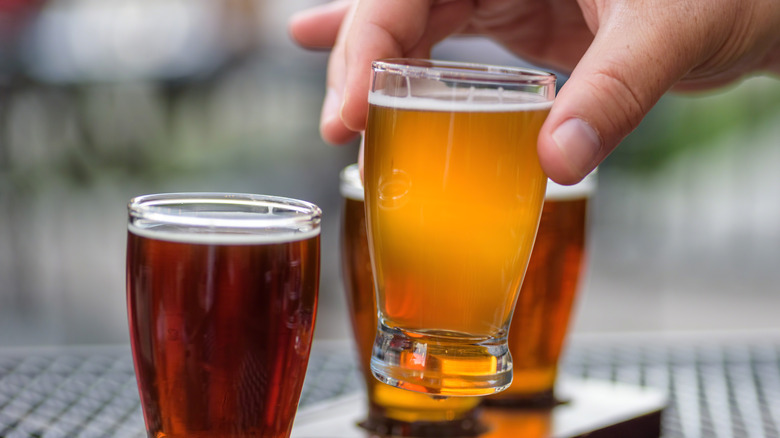
The traditional German styles are defined by their reliance on Munich and Vienna malts, which provide a foundational sweetness and a characteristic copper-to-gold hue. These beers are engineered for sessionability, offering a crisp, clean finish that masks their deceptively substantial malt backbone. Conversely, the American pumpkin ale tradition is a testament to the creativity of craft brewers who utilize everything from real roasted pumpkin to elaborate spice blends—including ginger, cinnamon, and nutmeg—to evoke the sensory experience of a holiday dessert.
Chronology of the Season
The seasonal beer market operates on a rigorous schedule. By late August, the first wave of "Oktoberfest" releases begins to hit shelves, often predating the actual Munich celebration by weeks. This early arrival is a strategic necessity for breweries looking to capitalize on the limited window of consumer interest before the winter stouts and holiday ales take over.
- Late August – Early September: The "Festbier" and "Märzen" rollout. These beers are designed to be light enough for the waning heat of late summer while providing the malt complexity that signals the coming change.
- Mid-September – October: The peak of the pumpkin and spice craze. As the temperatures drop, consumer preference shifts toward heavier, high-ABV options, including spiced stouts and coffee-infused ales.
- Late October – Early November: The final push. Breweries move their remaining inventory as the market prepares for the transition into heavy winter warmers.
Supporting Data: Top-Rated Seasonal Selections
To curate this list, we analyzed consumer sentiment from premier beer-rating platforms such as Untappd and BeerAdvocate, cross-referencing these scores with professional tasting notes and industry awards.
1. Schilling G’Suffa! (Festbier)
Translating to "drink up," this beer is an ode to the classic Bavarian festival. It features floral, peppery hops balanced by a backbone of toasty malts. While inconsistent lacing has been noted by some drinkers, it remains a gold standard for domestic festbiers.
2. Whole Hog Pumpkin Ale
With multiple Great American Beer Festival gold medals, this ale is a masterclass in balance. It utilizes a sophisticated spice blend that avoids the "over-spiced" trap, offering a clean, savory finish that emphasizes the natural character of the pumpkin.
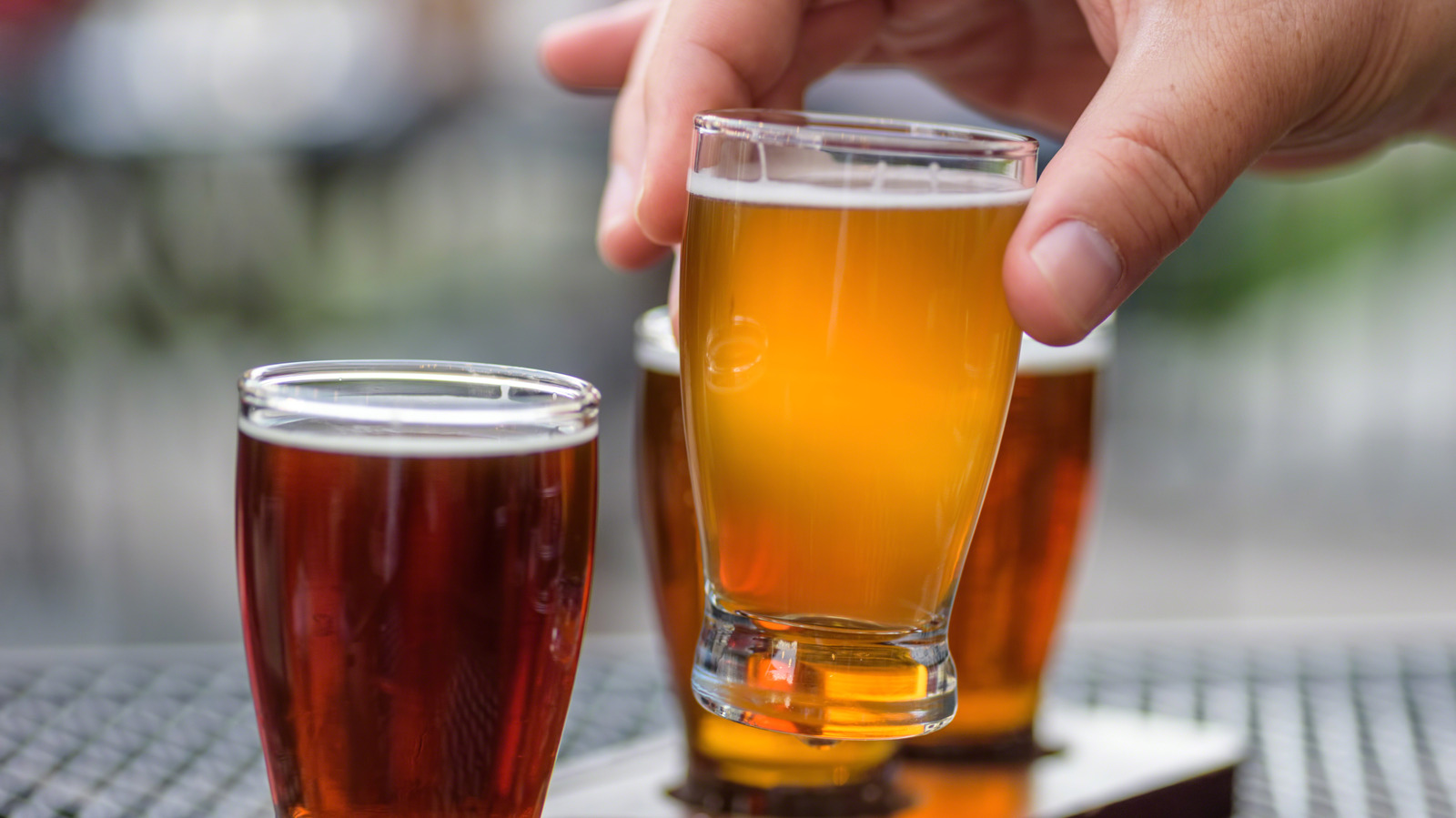
3. Weihenstephaner Festbier
Coming from the world’s oldest brewery, this beer is the benchmark for the style. It offers a smooth, honey-noted palate with a crisp finish. Despite a higher price point, it remains a consistent top-performer in blind tastings and consumer rankings.
4. Elysian Punkuccino Coffee Pumpkin Ale
This brew bridges the gap between the morning espresso and the evening pint. Infused with cold brew coffee, it features notes of milk chocolate and biscuit. Its success in both coffee-beer and pumpkin-beer rankings confirms its status as a modern classic.
5. Allagash Haunted House
For those who prefer a "dark" turn, this hoppy dark ale offers a break from the orange-hued crowd. With notes of pine, dark chocolate, and roasted barley, it provides a more brooding, complex profile that appeals to those who find traditional pumpkin beers too sweet.
6. Dogfish Head Punkin Ale
A long-standing staple of the industry since 1994, this brown ale is a foundational pillar of the American pumpkin beer movement. Its focus on the brown ale base—rather than just the spice—makes it a more approachable option for those who still want to taste the beer.
7. Jack’s Abby Copper Legend
A Märzen-style lager that excels through the use of decoction mashing. It offers a breadier, earthier profile than the modern Festbier, providing a nostalgic taste of tradition for those who appreciate the roots of the Oktoberfest style.
8. Southern Tier Nitro Warlock
An imperial stout that pushes the boundaries of the category. With an 8.6% ABV, it is a heavy hitter. The nitro version adds a creamy mouthfeel that softens the bitter roastiness of the charcoal and peppercorn notes, making it a luxurious, dessert-like experience.
9. Sierra Nevada Oktoberfest
A yearly collaboration project that highlights the intersection of German tradition and American ingenuity. Because the recipe changes annually to reflect the partner brewery’s influence, it remains a "must-try" each year, offering a fresh perspective on the style every autumn.
10. Night Shift Pumpkin Piescraper
By incorporating vanilla and lactose, Night Shift has successfully replicated the sensation of eating a slice of pumpkin pie. It is a creamy, decadent, and well-balanced ale that stands out for its dessert-like quality without becoming cloying.
Official Industry Responses and Methodology
The popularity of these seasonal releases has fundamentally altered the production schedules of craft breweries nationwide. Industry experts note that the "seasonal creep"—where fall beers are released earlier each year—is driven by consumer demand and the desire for shelf space.
Our methodology for this selection prioritized:
- Balance: The interplay between hop bitterness and malt sweetness.
- Flavor Integrity: Whether the advertised ingredients (pumpkin, spice, coffee) were identifiable.
- Consumer Consensus: High ratings across established beer-review ecosystems.
- Awards: Preference was given to beers with historical recognition from established competitions.
Implications: The Future of Fall Brewing
The shift toward more nuanced, less "gimmicky" fall beers is a direct result of a more educated consumer base. As drinkers become more discerning, breweries are moving away from artificial flavorings toward high-quality, whole-ingredient recipes. We are seeing a move toward "terroir" in pumpkin beers, where brewers highlight the specific variety of squash used, and a renewed appreciation for the traditional German lagers that were once overshadowed by the pumpkin craze.
As you head into the season, the key is variety. Whether you are looking for the crisp, sessionable comfort of a Weihenstephaner or the heavy, warming embrace of a Southern Tier Warlock, the current landscape of fall brewing offers something for every palate. The fall season is short, but for the beer enthusiast, it remains the most flavorful time of the year. Always remember to sample these brews responsibly, and perhaps use the cooling temperatures as an excuse to curate your own backyard beer garden.