By TechCrunch Editorial Team
October 2, 2026
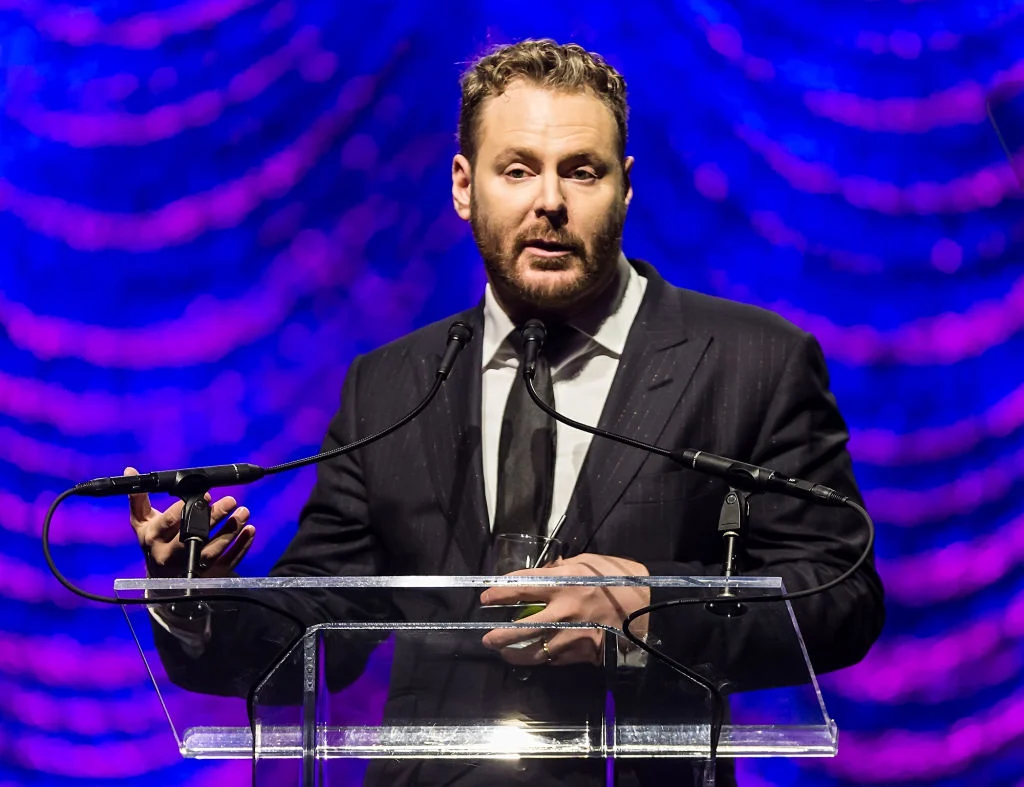
Decades after he sent shockwaves through the global music industry with the launch of Napster—an act of digital rebellion that famously prioritized "asking for forgiveness rather than permission"—Sean Parker is staging a calculated return to the soundstage. This time, however, the strategy is defined not by disruption from the outside, but by alliance from within.
As of October 2026, Parker, acting as a pivotal force behind the resurgence of Stability AI, has pivoted the company’s focus toward becoming the foundational architecture for professional AI-driven music production. By securing partnerships with the industry’s "Big Three" record labels, Parker is attempting to reconcile his past as the man who broke the music business with his present as a man helping to rebuild it.
The Strategic Pivot: Playing by the Rules
The narrative arc of Sean Parker’s career is one of the most storied in Silicon Valley. His early days at Napster were defined by a legal "death spiral" that forced the music industry into a defensive, reactionary posture. Today, Parker concedes that the confrontational approach of the early 2000s is ill-suited for the complex landscape of Generative AI.
In a recent interview with The Information, Parker emphasized that his current mission—integrating advanced machine learning into the creative workflows of musicians—is predicated on legal compliance and industry cooperation. This change in philosophy marks a profound evolution in his approach to innovation. He is no longer looking to circumvent existing copyright frameworks; he is actively funding and building the platforms that exist within them.
Chronology: From the Brink of Collapse to AI Powerhouse
The path to Stability AI’s current music-centric focus was far from linear. The company has navigated a turbulent two-year period that nearly saw it vanish from the AI ecosystem.
- Mid-2024: Stability AI, once the darling of the image-generation world, faced a critical juncture. Internal turmoil, excessive cash burn, and the ouster of founder Emad Mostaque left the company in a precarious position.
- June 2024: A pivotal $80 million rescue package was assembled, with Sean Parker playing a central role in the investment. The injection of capital stabilized the ship and paved the way for Prem Akkaraju to take the helm as CEO.
- August 2026: Following two years of intensive development, Stability AI successfully closed a $76 million funding round. This round was unique for its strategic participants: Sony, Warner Music Group, and Universal Music Group.
- September 2026: Leveraging these new partnerships, Stability AI launched three specialized audio models and a suite of AI-assisted music-editing tools, marking the company’s definitive entry into the professional music production sector.
The Technology: Bridging Text and Melody
The core of Stability AI’s value proposition lies in its proprietary audio models. Unlike early, experimental AI audio tools that often produced low-fidelity, erratic soundscapes, the new Stability suite is designed for precision and professional utility.
Current Capabilities
The platform allows creators to generate entire instrumental tracks or specific, high-fidelity snippets based on complex text prompts. A producer can describe a mood—"minimalist lo-fi hip-hop with a saturated analog synth texture"—and the AI provides a professional-grade starting point.
The "Human-in-the-Loop" Roadmap
Parker has hinted at a forthcoming update that promises to blur the lines between human intuition and machine generation. Users will soon be able to input audio via a microphone, allowing them to hum a melody or beatbox a rhythmic foundation, which the AI will then flesh out into a fully orchestrated arrangement. This shift is critical: it positions the AI as an extension of the artist’s intent rather than a replacement for it.
Supporting Data: Why the Big Three Are Buying In
The participation of Sony, Warner, and Universal in the August 2026 funding round is not merely a financial vote of confidence; it is a defensive and strategic masterstroke.

For years, record labels have been engaged in a "cat and mouse" game with AI companies over the use of copyrighted catalogs for model training. By investing in Stability AI, these labels have effectively gained a "seat at the table." Under the terms of the agreement, these labels have licensed their proprietary catalogs to Stability AI, ensuring that the models are trained on high-quality, cleared data.
This represents a departure from the "scraping" era of AI development. It establishes a template for a sustainable ecosystem where:
- Rights holders are compensated for the use of their assets.
- AI developers gain access to legally clean, high-fidelity training data.
- Producers receive tools that are ethically sourced and legally defensible.
Official Perspectives and Industry Implications
The implications of Parker’s move are twofold: it signals a maturation of the AI music market and a potential consolidation of the creative tools industry.
The Institutional View
Industry analysts note that Stability AI’s approach—securing label partnerships before a wide-scale product rollout—effectively shields it from the litigation risks that have plagued competitors. By aligning with the industry giants, Stability AI is positioning itself as the "Enterprise-Grade" option in a fragmented market.
The Creative Response
The artistic community remains divided. While some producers welcome the efficiency gains offered by Stability’s new editing suite, others remain wary of the long-term impact on copyright and creative originality. Parker’s response to these concerns is that his platform is designed to handle the "grunt work" of music production, leaving the high-level creative decisions—the "soul" of the track—firmly in the hands of the human creator.
Looking Forward: A New Era of Collaboration
Sean Parker’s career has come full circle. Having once been the face of music industry disruption, he is now positioning himself as the architect of its technological evolution. Whether this transition will result in a more efficient creative landscape or a further homogenization of the music industry remains to be seen.
What is clear, however, is that the era of "wild west" AI development in music is drawing to a close. As Stability AI integrates its tools into the professional DAW (Digital Audio Workstation) ecosystem, the industry is witnessing the beginning of a hybrid creative process.
The success of this venture will depend on the balance between algorithmic efficiency and the irreplaceable human spark. With the backing of the major labels and a renewed focus on legal, collaborative development, Parker is betting that the future of music is not one of conflict between man and machine, but one of a highly curated, AI-augmented synthesis.
As the industry watches to see if these tools truly empower creators, the question remains: Can the man who once famously challenged the status quo successfully become the one who defines it for the next generation? Given the current trajectory of Stability AI, the answer may well determine the sound of the 2030s.
For more updates on the intersection of artificial intelligence and the creative arts, subscribe to the TechCrunch AI Newsletter.