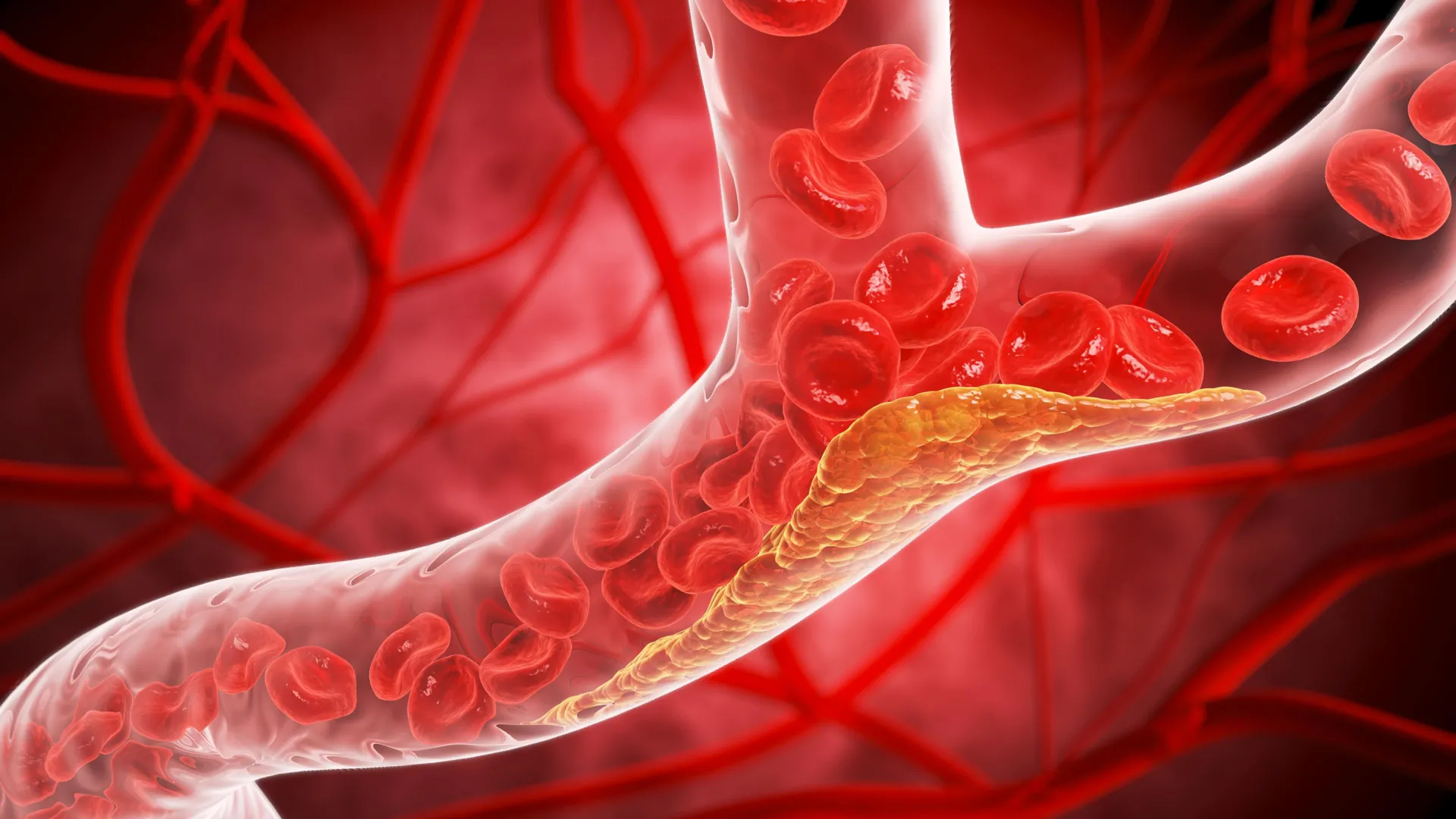
Atherosclerosis—the gradual, insidious buildup of fatty plaque within the arterial walls—has long been viewed as a disease of aging, a clinical shadow that only emerges in middle or late adulthood. However, a massive international study presented at the ESC Congress 2026 and published simultaneously in The New England Journal of Medicine has shattered this conventional wisdom. The findings suggest that the disease is not only widespread among seemingly healthy individuals but is also actively developing in young adults, decades before the first symptoms appear.
The research, led by Professor Henning Bundgaard of Rigshospitalet in Copenhagen and Dr. Borja Ibáñez of the Centro Nacional de Investigaciones Cardiovasculares (CNIC) in Spain, offers a new "atlas" of silent cardiovascular disease. By imaging over 16,000 asymptomatic participants, the team has provided the most comprehensive look to date at how plaque accumulation progresses across the human lifespan, challenging the global medical community to shift from estimating risk to identifying actual disease.
Main Facts: The Scope of the "Hidden" Epidemic
The REACT (Research on Atherosclerosis and Cardiovascular Risk) study is one of the most ambitious cardiovascular projects ever launched. Funded by the Novo Nordisk Foundation with a commitment of up to EUR 23 million for its initial phase, the project aims to fundamentally transform how physicians approach primary cardiovascular prevention.
The study’s primary revelation is the sheer scale of subclinical atherosclerosis. Among 16,808 participants between the ages of 18 and 70, who presented with no prior history of cardiovascular disease, an alarming 57.1% showed evidence of atherosclerotic plaque. This figure suggests that cardiovascular disease, which claims nearly 20 million lives annually, is far more prevalent in the "healthy" population than current clinical diagnostic models account for.
The researchers utilized high-resolution imaging to detect plaque in three critical vascular territories: the carotid arteries in the neck, the femoral arteries in the legs, and the coronary arteries that supply the heart. The data revealed that the disease does not appear suddenly in old age; it is a cumulative process that begins early in life, often silently, while individuals feel perfectly healthy and exhibit few "red flag" symptoms.
Chronology: The Evolution of the REACT Initiative
The journey toward these findings began with the realization that traditional medicine was looking in the wrong place—or rather, it was relying on the wrong tools. For decades, clinicians have used risk calculators (such as SCORE2) to estimate a patient’s probability of developing heart disease based on variables like blood pressure, cholesterol levels, and smoking status. However, these tools are indirect; they estimate the likelihood of disease rather than confirming its presence.
- 2024 (Phase 1 – REACT-DETECT): The first phase of the study officially launched, focusing on the mapping of silent atherosclerosis. Researchers recruited 16,808 participants in Denmark and Spain, creating a massive, multi-modal database that included advanced vascular imaging, retinal scans, blood biomarkers, and omics data.
- 2026 (The Breakthrough): The findings from Phase 1 were presented at the ESC Congress 2026. The data provided a clear picture of the prevalence of plaque across age groups, sex, and arterial sites.
- 2027–2032 (Proposed Phase 2 – REACT-PROTECT): Pending further funding, the second phase of the project is designed to pivot from detection to intervention. This phase aims to launch large-scale, randomized clinical trials to test whether imaging-guided preventive therapy can actively slow, halt, or even reverse the progression of plaque in high-risk, asymptomatic patients.
Supporting Data: Age and Sex Disparities
One of the most striking aspects of the REACT study is the demographic granularity it provides. The data confirms that atherosclerosis is not just an issue for the elderly; it is a lifelong trajectory.
Age-Related Prevalence
The study found that approximately 1 in 13 participants (roughly 7.7%) between the ages of 18 and 29 already possessed detectable plaque in at least one artery. As participants aged, the prevalence increased significantly:
- 18–29 years: ~8% prevalence.
- 60–70 years: ~90% prevalence.
This linear progression suggests that the foundation for heart disease is laid in early adulthood, highlighting a massive window of opportunity for early intervention that is currently being missed.
Gender Differences
The study also illuminated distinct biological patterns between men and women. Men tended to show signs of atherosclerosis at a younger age, with their disease progression occurring roughly five to ten years ahead of their female counterparts. Conversely, women exhibited a sharp, accelerated increase in plaque prevalence between the ages of 40 and 60. Researchers noted that this period significantly overlaps with the menopausal transition, suggesting that hormonal shifts may play a critical role in the rapid onset of vascular changes in women.
Official Responses and Strategic Shifts
The leadership behind the REACT project believes the results necessitate a fundamental change in the clinical paradigm.
"The vision of REACT is to transform primary cardiovascular prevention through a precision medicine approach," says Professor Henning Bundgaard. "Until now, preventive decisions have been based on an estimate of risk, but we did not know whether the disease was actually present. We now have the most comprehensive atlas of the evolution of the disease across adult life."
Dr. Borja Ibáñez emphasized the practical, real-world application of these findings: "The REACT study is based on a simple but revolutionary idea: moving from the current model, which estimates the probability of cardiovascular disease on the basis of traditional risk factors, towards a new paradigm in which the disease is detected directly through imaging before it causes symptoms."
Dr. Valentin Fuster, a key contributor to the study and Director General of CNIC, underscored the potential for intervention. "For years, we have proposed that early intervention in atherosclerosis could not only prevent its progression but might even make it possible to cure the disease. REACT will answer this question."
Implications: A New Era of Screening and Prevention
The implications of the REACT study extend far beyond the laboratory. Perhaps the most significant finding for daily clinical practice is the correlation between plaque in different areas of the body. The study found that most participants with coronary artery plaque also exhibited plaque in their carotid or femoral arteries.
This overlap suggests that physicians do not necessarily need to rely on invasive or costly heart-specific CT scans to identify patients at risk. Instead, portable, non-invasive ultrasound—which is quick, affordable, and accessible—could become the "gold standard" for routine cardiovascular screening.
Moving Toward Precision Medicine
The failure of traditional risk scores to identify a large percentage of individuals who already possess silent plaque is a wake-up call for the medical community. Under the current system, patients with "low risk" profiles are often told they are healthy, even as they harbor significant arterial disease.
The REACT team envisions a future where clinicians can use direct imaging to tailor treatment. By identifying atherosclerosis at its inception, doctors can move beyond "one-size-fits-all" advice and instead provide personalized, intensive interventions for those who need it most.
Global Validation
Recognizing that cardiovascular disease is a global burden, the REACT team is not stopping at European populations. Collaborations are already underway in India, Singapore, Tanzania, and Mexico. These international partnerships are designed to validate the study’s findings across diverse genetic and environmental landscapes, ensuring that the "atlas" of atherosclerosis is universally applicable.
If the upcoming Phase 2 (REACT-PROTECT) successfully demonstrates that imaging-guided intervention can prevent heart attacks and strokes, the medical world may be on the cusp of the most significant advancement in cardiovascular health in the 21st century. By shifting the focus from treating the consequences of heart disease to managing its silent origins, the REACT study provides a roadmap to potentially saving millions of lives, one ultrasound at a time.