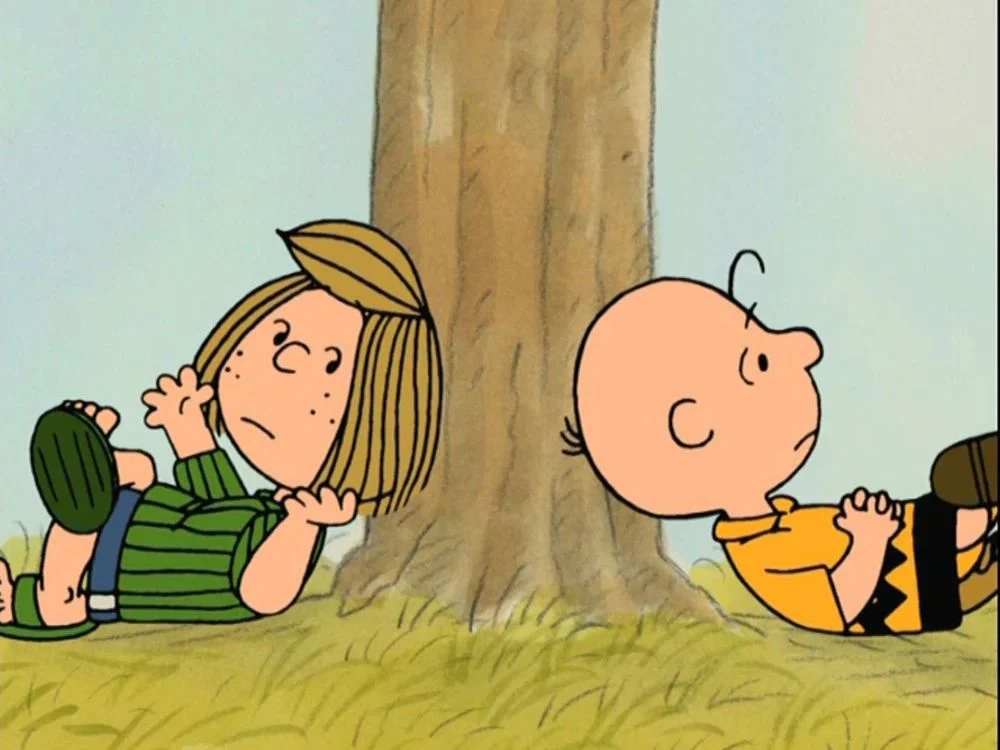
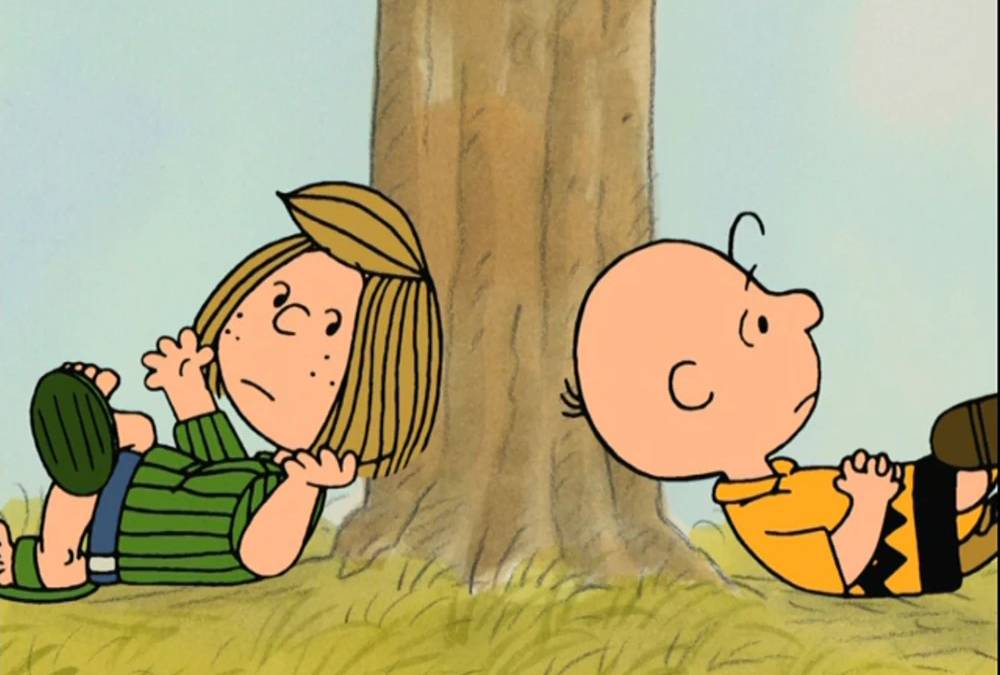
For decades, the cultural perception of Charles M. Schulz’s Peanuts has been filtered through the lens of seasonal television specials and licensed merchandise. In this sanitized version of the world, Charlie Brown is the perpetual underdog, Snoopy is the imaginative dreamer, and Lucy is the antagonistic force of nature. However, a deep dive into the source material—specifically the 26-volume The Complete Peanuts collection published by Fantagraphics—reveals a much more nuanced tapestry. Among the cast of eccentrics, one character consistently stands out not for her gags, but for her unwavering, if often clumsy, devotion: Patricia "Peppermint" Patty.
While the strip is famous for its punchlines, a comprehensive reading reveals a subtle, ongoing narrative about the true nature of friendship, with Peppermint Patty serving as its most unlikely, yet most sincere, ambassador.
A Legacy in Ink: The Evolution of Peanuts
To understand the significance of Peppermint Patty, one must view Peanuts as a living, breathing document. Running for 50 years, the strip evolved from a series of observational gags in the 1950s into a sophisticated character study by the late 1970s.
When fans commit to the full 26-volume collection, they aren’t just reading comic strips; they are witnessing the maturation of American humor. Characters who began as peripheral figures, like Violet or Patty, eventually gave way to a more solidified ensemble. Within this timeline, Peppermint Patty’s introduction in 1966 marked a pivotal shift. Unlike the established characters who were often defined by their specific neuroses—Linus by his security blanket, Schroeder by his piano, Lucy by her cynicism—Patty was introduced as a force of nature. She was athletic, academically struggling, and profoundly socially intuitive in ways the other characters were not.
Chronology of Compassion: The 1979 Hospital Arc
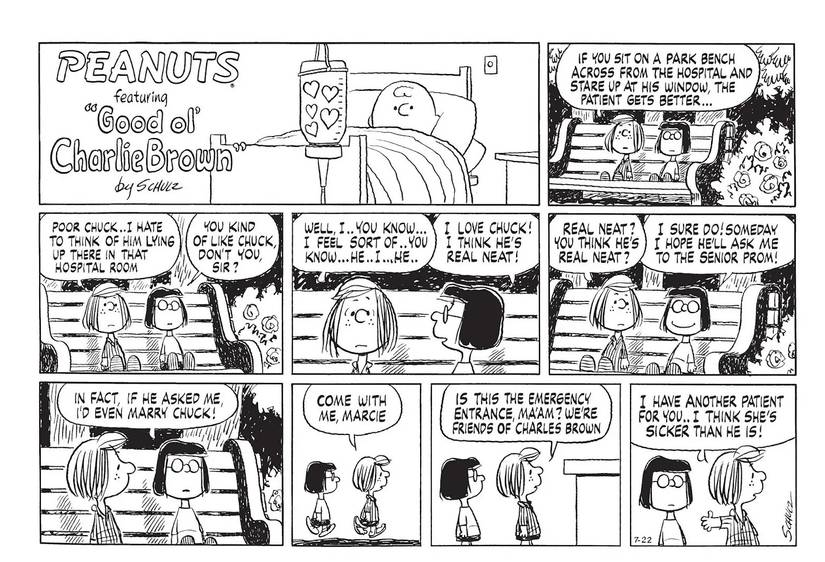
The most compelling evidence for Peppermint Patty’s status as Charlie Brown’s greatest friend occurs during a landmark storyline in July 1979. In a rare narrative departure for the strip, Charlie Brown is hospitalized for an unspecified illness.
In the world of Peanuts, the adults are notoriously absent, and the children often navigate crises with a mix of stoicism and absurdity. When Charlie Brown falls ill, the reactions of his peers serve as a litmus test for their underlying affection. Lucy, typically the source of Charlie Brown’s misery, admits to the reader—but never to him—that she genuinely cares for his wellbeing. Snoopy, ever the solipsist, oscillates between existential curiosity and his own internal fantasies.
However, it is Peppermint Patty and her sidekick, Marcie, who provide the narrative’s moral anchor. Driven by a fierce, protective instinct, the pair attempts to visit their friend. When they are barred from entering the hospital due to age restrictions, they do not simply turn away. They station themselves on a park bench outside the facility, staring up at the hospital windows, waiting for the lights to dim.
Patty’s reasoning is delivered with her characteristic blend of bold confidence and childlike logic: "It’s a well-known fact, Marcie, that a patient will recover faster if he knows a friend is staring up at his room." In that moment, the humor is secondary to the emotional weight of the action. It is a profound act of solidarity in a world that usually rewards Charlie Brown with nothing but a pulled football or a sarcastic remark.

Supporting Data: The Anatomy of a Friendship
Why is this interaction so significant? To understand the weight of Patty’s loyalty, one must look at the "frenemy" dynamics that permeate the rest of the strip.
Most of the Peanuts gang is caught in a cycle of competition or adversarial banter. Charlie Brown’s relationship with his peers is defined by his struggle to be accepted. He is often the butt of the joke, a target for psychological warfare, or an obstacle to his friends’ individual obsessions. Even his dog, Snoopy, maintains a relationship that can best be described as "weirdly adversarial."
Peppermint Patty, by contrast, is the only character who consistently seeks out Charlie Brown for the sake of his company rather than his utility. Her unrequited, poorly expressed crush on "Chuck" is one of the longest-running subplots in the series, but it is rarely framed as a means to mock him. When she calls him "Chuck," it is a term of endearment, even if she lacks the emotional vocabulary to express the complexity of her feelings.
Statistical analysis of panel time in the 1970s reveals that while Patty is often featured in gags regarding her academic underachievement, she is also the character most frequently depicted in active, supportive roles toward Charlie Brown. She doesn’t just hang around; she advocates for him.
Official Perspectives and Artistic Intent
Charles M. Schulz was famously guarded about the "meaning" behind his strips, often preferring to let the work speak for itself. However, critics and scholars have long noted that Schulz utilized the strip to process his own feelings of loneliness and inadequacy.
By creating Peppermint Patty, Schulz introduced a character who could bridge the gap between the "cool" kids and the "outcast" Charlie Brown. Unlike Lucy, who uses her power to belittle, Patty uses her social standing to bridge gaps. In the Peanuts Guide to Friendship (2016), an official collection released by the Schulz estate, these moments of quiet kindness are highlighted as the core of the brand’s enduring appeal.
The estate’s curation suggests that the "wholesomeness" often attributed to Peanuts is not a constant state, but a hard-won victory. True friendship in the strip is rare, making the moments where it manifests—like the hospital vigil—the most memorable parts of the series.
Implications: The Legacy of "Chuck"
The implications of Peppermint Patty’s role are significant for anyone studying the medium of comics. Schulz demonstrated that a character could be deeply flawed—even aggressive or abrasive—while still serving as a moral compass.
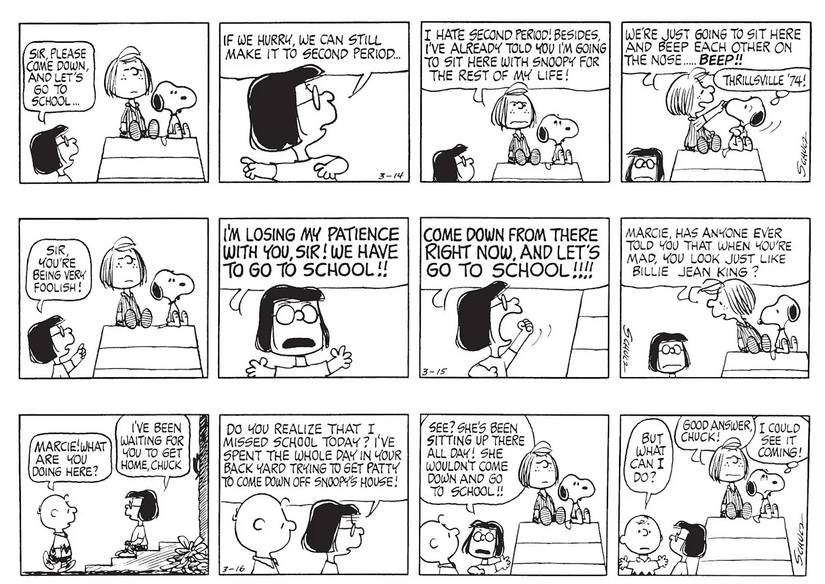
Patty’s "incidental strangeness" is a reflection of childhood itself: messy, loud, and sometimes irrational. Yet, her refusal to abandon Charlie Brown, even when he doesn’t fully understand her affection, elevates the strip from a simple gag-a-day comic to a poignant study of human connection.
As the world continues to revisit Peanuts through physical collections like the Fantagraphics set, the legacy of the strip is being reshaped. Readers are moving past the initial, superficial understanding of the characters to find the deeper, more human moments buried within the ink.
If there is a thesis statement to be found in the 50-year run of Peanuts, it is not that life is easy, or that it is always fair. It is that in a world filled with "Lucy" types—people who pull the football away at the last second—there is immense, transformative power in having one "Patty." We should all be so lucky to have a friend who, if we were hospitalized, would sit on a park bench and watch our window, simply to let us know that we aren’t alone. That is the true, lasting legacy of Peppermint Patty, and it is why she remains the heart of the Peanuts neighborhood.