In a significant policy shift, the British government has announced the formal termination of a landmark pilot programme designed to curb the flow of irregular migrants across the English Channel. The "one-in, one-out" deal, which was hailed as a cornerstone of post-Brexit diplomatic cooperation between London and Paris, will no longer process new cases, marking the end of a high-stakes attempt to manage the migration crisis through bilateral exchanges.
The collapse of this agreement arrives at a time of shifting political landscapes in both capitals and follows a series of operational difficulties that ultimately rendered the programme unsustainable.
Main Facts: The Anatomy of a Failed Pilot
The "one-in, one-out" arrangement was launched in 2025 as a pragmatic mechanism to deter small boat crossings. Under the terms of the pilot, asylum seekers who arrived in the UK via unauthorized small boat crossings were to be detained and returned to France. In exchange, the UK committed to accepting an equivalent number of asylum seekers who had applied through formal, safe, and legal routes.
The primary objective was twofold: to provide a tangible deterrent to those undertaking the perilous journey across the Channel and to foster a reset in diplomatic relations between the UK and France, which had long been strained by the recurring migrant crisis.
However, the Home Office confirmed this Wednesday that the programme has been effectively shuttered for new intake. While deportation flights for those already detained will continue in the coming weeks, the mechanism that facilitated the exchange has reached its operational conclusion.
Chronology: From Diplomatic Promise to Policy Decay
2025: The Launch of the "Reset"
The agreement was a signature policy of former British Prime Minister Keir Starmer. Following his election, Starmer sought to pivot away from the adversarial rhetoric that defined his predecessor’s dealings with French President Emmanuel Macron. By framing the "one-in, one-out" deal as a collaborative, rules-based system, both nations hoped to demonstrate that they could manage borders effectively without resorting to unilateral, inflammatory measures.
September 2026: The Final Lobbying
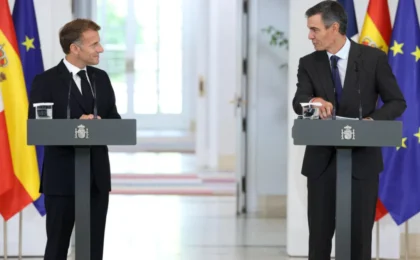
Despite the visible struggles of the programme, the current British administration—under Prime Minister Andy Burnham—made a last-ditch effort to keep the channel open. Reports from the French daily Le Monde suggest that Burnham pressed President Macron during high-level talks in September to extend or revitalize the agreement. According to insiders, the French government, however, was eager to end the cooperation, citing the complexity of the logistics and a desire to refocus domestic resources.
October 2026: The Formal Termination
Following a period of internal assessment, the UK Home Office officially declared that the programme would no longer process new cases, effectively ending the three-year pilot initiative well before its intended expiration.
Supporting Data: By the Numbers
The performance of the pilot programme has been subject to intense scrutiny, with critics pointing to the gap between initial ambitions and actual outcomes.

- The Exchange Totals: From August 2025 to June 2026, the Home Office recorded that 1,117 asylum seekers were transferred to the UK under the legal route provision, while 1,087 individuals were deported back to France.
- The Missed Targets: The programme was initially designed with an ambitious target of 2,600 exchanges. The failure to reach even half of this figure underscored the inherent difficulties in the administrative process.
- The Context of Declining Crossings: While the programme struggled, the broader trend of small boat crossings has shifted. As of early October 2026, approximately 19,135 people had crossed the Channel—a 42% decrease compared to the same period in 2025. This decline is largely attributed to increased French police patrols, enhanced surveillance technology, and intelligence-led operations aimed at dismantling smuggling networks before boats reach the water.
Official Responses: Navigating Political Turbulence
The UK government has been careful to frame the termination not as a total failure of cooperation, but as a recognition of reality. UK Interior Minister Shabana Mahmood acknowledged to Parliament earlier this month that the programme was "not without its challenges."
"What has been more operationally difficult is to scale up very large numbers of removals every week into the French system," Mahmood stated. This admission reflects the bureaucratic nightmare of verifying the identity and status of migrants in a manner that satisfies both the UK’s legal standards and the French judicial system.
Conversely, the French administration has remained relatively tight-lipped regarding the specific reasons for their lack of appetite to continue. However, experts suggest that France viewed the "one-in, one-out" model as an administrative burden that did little to address the root causes of the migration flow, which often begins far from the French coastline.
Implications: The Ongoing Humanitarian Tragedy
While the political debate surrounding the "one-in, one-out" deal focuses on administrative efficiency, the human cost of the English Channel route remains devastatingly high.
A Lethal Route
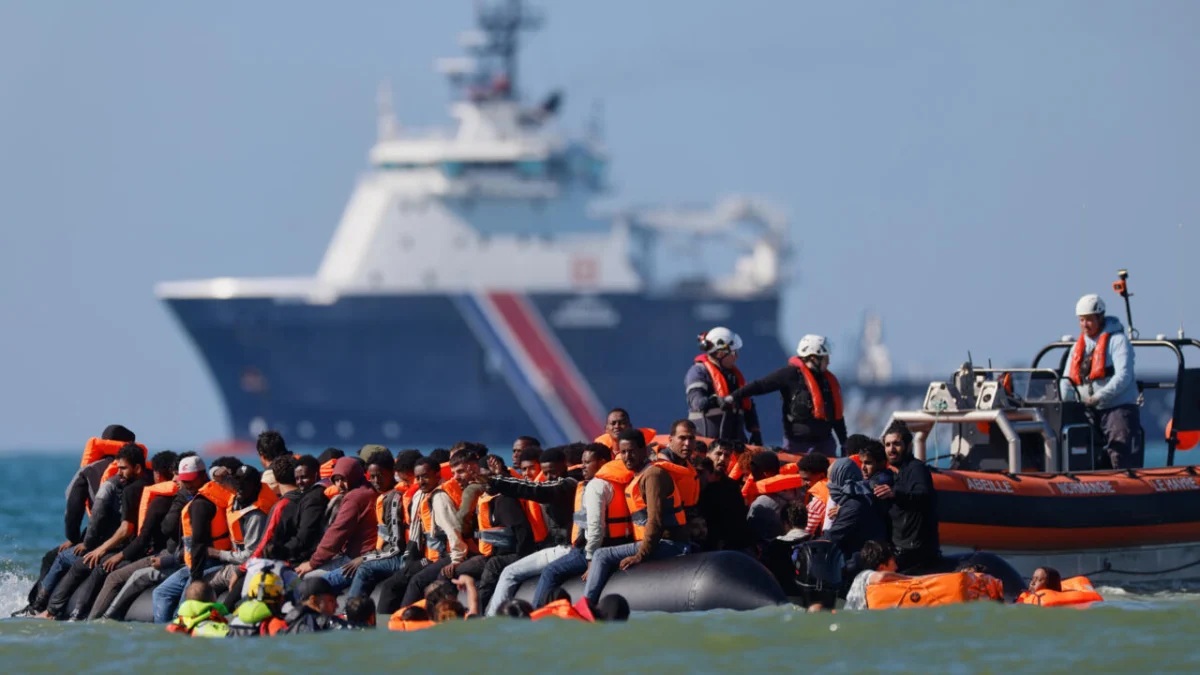
The danger of the journey was underscored just days ago when a 10-year-old child and two women lost their lives. Reports indicate the victims were trampled to death on an overcrowded vessel carrying more than 100 people—a stark illustration of the desperation that drives migrants to risk their lives even as surveillance intensifies. At least 22 people have died this year alone, according to an AFP tally.
The Judicial Reckoning
The failure to stop the human traffickers was highlighted by a French court on Wednesday, which sentenced six men to between six and 10 years in prison. The case concerned the tragic events of November 2021, when 31 people drowned in the deadliest single incident on record. The court’s ruling—describing the smugglers as "individuals driven by greed, with utter disregard for human life"—serves as a grim reminder that while governments debate policies and pilot programmes, organized crime networks continue to exploit the vulnerability of those seeking safety.
Future Policy Outlook
The scrapping of the deal leaves both the UK and France in a familiar position of uncertainty. With the "one-in, one-out" mechanism gone, the British government must now decide whether to pursue a new bilateral framework or focus entirely on domestic enforcement and intelligence-led disruption of the smuggling gangs.
For the migrants still gathering in makeshift camps near Calais, the news of the deal’s collapse is likely to have little impact on their determination. The dream of reaching the UK remains a powerful pull factor, and as long as the legal routes remain constrained or perceived as inaccessible, the illicit, dangerous, and often fatal attempts to cross the water will persist.
The end of the pilot is, in many ways, an admission of the limits of international cooperation when faced with the complexities of global migration. It highlights that no single, moderate administrative policy can easily resolve a crisis that is deeply rooted in international conflict, poverty, and the persistent failures of global asylum systems. As the UK and France look toward the next chapter of their bilateral relationship, the challenge of securing the Channel while upholding humanitarian standards remains as daunting as ever.