By Sam Hill
Published September 30, 2026
The Call of Duty franchise has long been defined by its fast-paced, arcade-style gunplay, where the thrill of the killstreak and the fluidity of respawn-heavy modes reign supreme. However, with the upcoming launch of Call of Duty: Modern Warfare 4, developer Infinity Ward and publisher Activision are signaling a dramatic pivot toward tactical, high-stakes competition.
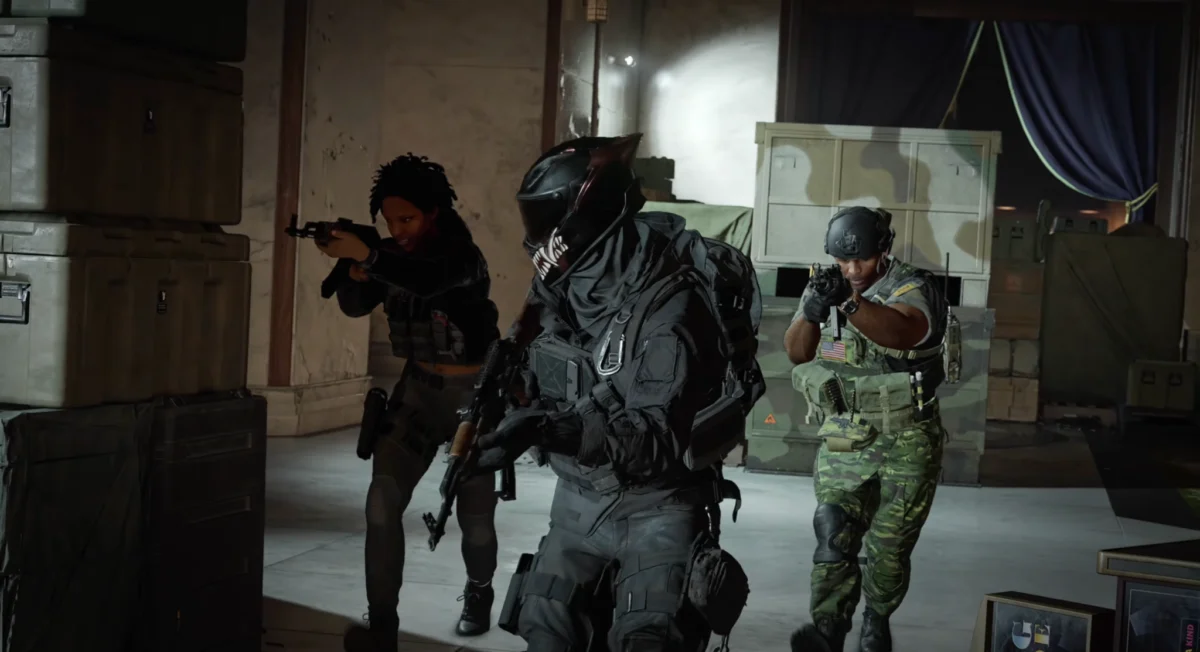
The centerpiece of this shift is "Collateral," a brand-new multiplayer mode that draws heavy inspiration from the rigid, economy-driven structure of Counter-Strike. By stripping away the comfort of permanent loadouts and automatic health regeneration, Modern Warfare 4 is forcing players to trade in their run-and-gun instincts for calculated financial management and tactical discipline.
Main Facts: The Evolution of Search and Destroy
At its foundation, Collateral is a structural evolution of the classic Search and Destroy (S&D) mode. For nearly two decades, S&D has been the gold standard for competitive Call of Duty, pitting two teams against one another in a "one life per round" scenario. Collateral retains the core objective—attacking or defending two bomb sites—but overlays a sophisticated in-game economy that transforms every engagement.
In this mode, the traditional "Create-a-Class" system is disabled. Instead, every player begins the match with nothing more than a standard-issue pistol and a modest amount of starting capital. To access the high-powered weaponry, armor, and tactical equipment that defined the series, players must earn cash through objective play and successful eliminations.
This introduces a layer of risk management previously unseen in the main Call of Duty series. If a player dies, they lose their purchased equipment for the subsequent round. While accumulated cash persists, the pressure to "save for a rainy day" versus "investing in a power-spike" introduces a psychological element to the game that feels distinctly different from the twitch-reflex gameplay of standard Team Deathmatch.
Chronology: The Road to Modern Warfare 4
The announcement of Collateral comes as part of a broader marketing push for Modern Warfare 4, which is scheduled for global release on October 23, 2026. The path to this announcement has been marked by a clear shift in how Activision handles its PC platform support, as highlighted in the latest developer blog.

- June 2026: Initial leaks suggested that Infinity Ward was experimenting with "hardcore" tactical modes that removed traditional arcade elements like Killstreaks.
- August 2026: Beta testers reported "unconventional" economy mechanics in private builds, leading to community speculation about a direct competitor to tactical shooters like Valorant and Counter-Strike.
- September 30, 2026: Activision officially unveiled Collateral as part of its technical deep dive into the PC version of the game.
- October 23, 2026: Official launch date for Modern Warfare 4 across all platforms.
The mode is being positioned as the crown jewel of the game’s competitive offerings, meant to satisfy a growing segment of the player base that has been requesting more skill-based, high-tension gameplay.
Supporting Data: PC Optimization and Technical Prowess
While Collateral is the headline feature, Activision’s recent blog post also clarified the technical ambition behind Modern Warfare 4. The game is being built with a "PC-first" philosophy, aiming to provide a level of customization that dwarfs previous entries.
The upcoming title includes:
- Over 800 Customization Options: Ranging from per-key bind mapping to advanced controller sensitivity curves and FOV (Field of View) scaling that caters to competitive professionals.
- Next-Gen Tech Support: Integration of DLSS 4.5 and AMD FSR Redstone, ensuring that the game maintains high frame rates even during the chaotic, high-density explosions typical of a bomb-site defense.
- Built-in Performance Benchmarking: A sophisticated tool that allows players to stress-test their hardware, ensuring their rig can handle the intense visual fidelity of the new engine before they enter a ranked match.
These technical improvements are crucial for a mode like Collateral. In a high-stakes, economy-based mode where one frame can be the difference between a winning round and a wasted investment, stability and visual clarity are not just luxuries—they are competitive necessities.
Official Responses and Developer Intent
Infinity Ward has been careful to frame Collateral not as a replacement for the traditional Call of Duty experience, but as a necessary evolution for the franchise’s competitive ecosystem.
"We wanted to see what happens when you take the most visceral, responsive gunplay on the market and constrain it with the cold, hard reality of economics," a spokesperson for Infinity Ward noted in the reveal. "Collateral isn’t about how many kills you can get in a minute. It’s about the value of your life and the value of your loadout. Every dollar spent is a tactical decision that ripples through the team’s ability to win the next three rounds."
The development team has emphasized that they are looking closely at how the community reacts during the launch window. They have already hinted that the "economy tuning"—the cost of weapons, grenades, and the team-wide UAV purchase—will be adjusted based on real-time data from player behavior.

Implications: Changing the Competitive Landscape
The introduction of Collateral carries significant implications for the future of the Call of Duty League (CDL) and the broader streaming landscape.
A New Meta for Competitive Play
By removing automatic health regeneration and Killstreaks, Collateral forces players to adopt a slower, more deliberate pace. The absence of "free" power-ups means that team coordination is now the only path to victory. A team that coordinates its finances to buy armor for everyone is significantly more likely to win a round than a team of "lone wolves" who spend their cash on individual high-powered sniper rifles.
The Streaming Factor
From an entertainment perspective, the stakes are undeniably higher. The "economy" aspect creates natural moments of tension. When a team is "broke" and decides to go for a "save round"—risking an entire round with nothing but pistols—the audience knows the gravity of the situation. This creates a compelling narrative arc for every match, something that is often difficult to capture in the chaotic, high-scoring matches of traditional Call of Duty.
Challenging the Genre Giants
Activision is clearly making a play for the audience currently split between Call of Duty and more tactical titles like Counter-Strike 2 or Rainbow Six Siege. By proving that the Modern Warfare engine can support high-stakes, economy-based tactical combat, they are effectively broadening the appeal of the franchise to a demographic that previously dismissed the series as "too casual."
Looking Ahead
As we approach the October 23 release, the gaming community remains in a state of cautious optimism. The success of Collateral will depend entirely on balance. If the economy system feels too punishing, or if certain weapons create "must-buy" scenarios that stagnate the meta, the mode could falter.
However, if Infinity Ward strikes the right balance between the frantic action of Modern Warfare and the cerebral depth of an economic shooter, Collateral could very well become the most important addition to the franchise in a decade. It is a bold experiment, one that challenges the very identity of a series built on excess, and asks a simple, terrifying question: When your resources are limited, do you have what it takes to survive?
Players will find out exactly how much their trigger finger is worth when Call of Duty: Modern Warfare 4 hits shelves and digital storefronts this fall. For now, the "buy menu" is empty, but the anticipation is already beginning to mount.