By International Desk
September 30, 2026
In a harrowing escalation of the ongoing conflict, Russia launched a massive, multi-wave aerial assault against Kyiv and its surrounding regions overnight, resulting in the tragic deaths of at least three civilians, including a child. The strikes, which involved a sophisticated combination of cruise missiles and swarms of Iranian-designed attack drones, have left the Ukrainian capital reeling and once again highlighted the volatility of the conflict as it stretches into its third year.
The intensity of the bombardment, which began in the early hours of Wednesday, September 30, prompted an immediate and rare reaction from neighboring Poland. As Russian projectiles tracked toward western Ukraine, Polish authorities were forced to briefly shutter airports in Lublin and Rzeszow, citing “military aviation activity” and potential risks to civilian airspace.
The Anatomy of the Attack
The assault commenced shortly after midnight on Wednesday, with early-warning sirens echoing across Kyiv. According to the Ukrainian Air Force, the Russian military employed a "coordinated strike package" designed to overwhelm air defense systems.
"The enemy utilized a mix of high-precision ballistic missiles and long-range drones, launching them from multiple vectors to mask their trajectory," said a spokesperson for the Kyiv City Military Administration. While Ukrainian air defenses successfully intercepted the majority of the incoming projectiles, the sheer volume of debris and several direct impacts caused widespread destruction in residential districts.
In the Kyiv region, a multi-story residential building suffered a direct hit, leading to a catastrophic collapse of several apartments. Emergency responders worked through the dawn hours, digging through concrete and twisted metal to recover the bodies of the victims. Among the deceased was a young child, whose death has sparked renewed international outrage. Several other individuals remain hospitalized, with authorities warning that the casualty count may rise as search and rescue operations conclude.
Chronology of the Night
- 00:15: The first wave of “Shahed”-type suicide drones enters Ukrainian airspace, triggering regional alerts.
- 01:30: Strategic bombers stationed in Russian territory release a salvo of cruise missiles, targeting energy infrastructure and civilian hubs.
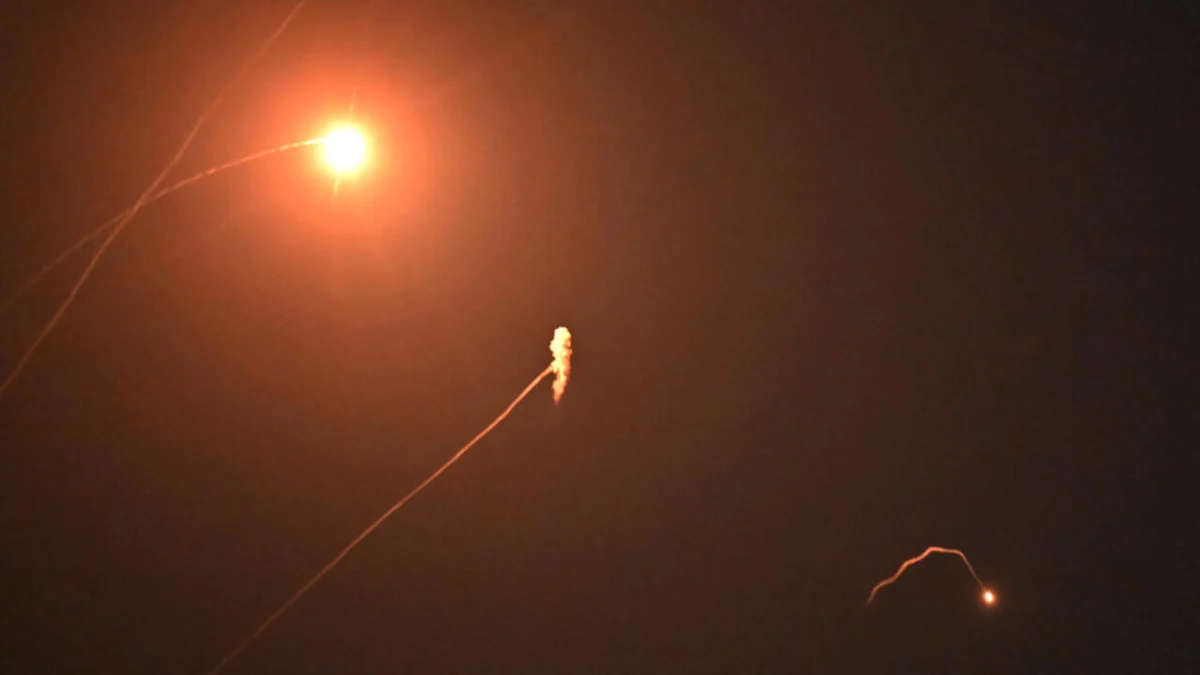
- 02:45: Kyiv’s primary air defense systems engage. Intense explosions light up the night sky over the capital as interceptor missiles strike incoming targets.
- 03:10: A residential complex in the outskirts of Kyiv is struck. Firefighters and medical teams are dispatched.
- 04:00: Polish authorities issue a formal "Safety Warning" for the eastern border region, resulting in the suspension of operations at Lublin and Rzeszow airports.
- 05:35: Official reports from the Ukrainian State Emergency Service confirm the death toll, including the death of a minor.
- 07:51: Cleanup and forensic investigation operations are initiated across the impacted zones.
Regional Implications: A Spillover of Tensions
The decision by Poland to close its airspace near the Ukrainian border represents a significant moment in the conflict’s geography. Rzeszow, in particular, serves as a critical logistical hub for NATO-supplied weaponry and humanitarian aid entering Ukraine. By closing these airports, Polish authorities acknowledged the "unacceptable risk" posed by stray Russian munitions and the necessary defensive maneuvers of NATO aircraft patrolling the alliance’s eastern flank.
This move underscores a growing anxiety among frontline NATO states. As the intensity of Russia’s aerial campaigns increases, the risk of accidental incursions into allied territory—or the necessity of emergency security measures—becomes a recurring logistical challenge. Warsaw has signaled that it will continue to monitor the situation closely, with defense officials warning that any violation of Polish airspace would be met with "decisive defensive measures."
Official Responses and International Condemnation
The Ukrainian leadership was swift in its condemnation of the strikes. President Volodymyr Zelenskyy, speaking via a secure video link, characterized the attack as a "calculated act of terror" directed against the most vulnerable segments of the population.
"The targeting of civilian infrastructure, particularly residential buildings where children sleep, is a defining characteristic of this war," Zelenskyy stated. "We require more air defense systems—specifically long-range capabilities—to push the Russian threat further from our borders and protect our people."

From the Kremlin, the official stance remained unchanged. A spokesperson for the Russian Ministry of Defense claimed that all strikes were focused on "military-industrial sites and energy infrastructure supporting the Ukrainian war effort," dismissing reports of civilian casualties as "propaganda intended to influence Western public opinion."
International observers, including representatives from the United Nations and the European Union, issued statements of concern. The EU High Representative for Foreign Affairs described the attack as a "grave violation of international humanitarian law" and reiterated the bloc’s commitment to providing continued financial and military support to Kyiv.
Supporting Data and Tactical Context
Military analysts suggest that Russia has shifted its strategy in the latter half of 2026. Rather than relying solely on massive, infrequent salvos, Moscow is increasingly utilizing smaller, highly frequent "nuisance raids" designed to deplete Ukraine’s stockpiles of high-value interceptor missiles.
- Air Defense Capacity: Ukraine’s ability to defend its airspace remains high but is under constant strain. The cost of intercepting a single, low-cost drone with a multi-million-dollar interceptor missile is a challenge that military planners are currently struggling to address.
- Drone Production: Intelligence reports indicate that Russia has expanded its domestic production facilities for long-range drones, allowing for sustained operations even when supply chains from international partners are disrupted.
- Infrastructure Resilience: Despite the attacks, the Ukrainian energy grid has shown remarkable resilience compared to previous years, largely due to decentralized power generation and advanced repair protocols developed by Ukrainian engineers.
The Human Cost and Psychological Impact
Beyond the physical damage and the tragic loss of life, the psychological toll on the population of Kyiv remains profound. For the citizens who have lived under the shadow of bombardment for years, these nights are a test of endurance.
In the wake of the latest strikes, local authorities have opened additional "Points of Invincibility"—hardened bunkers equipped with electricity, heating, and internet access—to support those displaced by the destruction. The sense of collective trauma is palpable, yet the resolve of the city remains unbroken. Residents were seen clearing debris from the streets as early as 8:00 AM, a testament to the "resilience of the Kyiv spirit," as described by Mayor Vitali Klitschko.
Looking Ahead: What to Expect
As the war enters this new, potentially prolonged phase, the strategic focus will likely remain on the "war of attrition." Ukraine is expected to press its allies for faster delivery of long-range strike capabilities, arguing that the only way to prevent such civilian tragedies is to disable the Russian launch platforms located deep within Russian territory.
Meanwhile, for the residents of Kyiv, the immediate future remains uncertain. With the onset of colder weather, the frequency of these attacks is expected to increase as Russia attempts to pressure the Ukrainian population through the deprivation of heat and electricity.
The international community is now left to grapple with the reality that the conflict in Ukraine is not nearing a diplomatic resolution. Instead, it is deepening, with the borders of security becoming increasingly porous and the humanitarian cost escalating with every passing night of bombardment.
For ongoing updates on this developing story, follow our liveblog, where our correspondents on the ground will continue to provide real-time reporting on the situation in Kyiv and the surrounding regions.