In an era defined by endless digital storefronts, algorithmic suggestions, and the constant friction of consumerism, most shoppers find themselves trapped in a reactive cycle. We head to a store—physical or digital—and we select from what is curated for us. We settle for the “best available” option, often compromising on utility, quality, or personal aesthetic to satisfy an immediate need. However, a growing cohort of mindful consumers is shifting this paradigm. By moving away from "store-centered shopping" and embracing a philosophy of "self-centered shopping," individuals are reclaiming their agency, reducing waste, and fostering long-term satisfaction.
Main Facts: Redefining the Consumer Journey
The core tenet of self-centered shopping is simple: define the requirements of the product before engaging with the marketplace. In traditional shopping, the merchant defines the universe of options. The consumer walks into a department store or clicks onto a massive e-commerce portal and browses the pre-selected inventory. The implicit message is: "Choose from this, or go without."
Self-centered shopping flips this script entirely. The consumer identifies their specific needs—size, material, functionality, and longevity—and creates a rigid set of parameters. Only then does the search begin. This transition from being a passive recipient of inventory to an active hunter of specific solutions changes the psychology of the purchase. It transforms shopping from a chore—often fraught with the anxiety of the "paradox of choice"—into a mission-oriented process. By focusing on personal needs first, the consumer ensures that the final acquisition is not merely a "good enough" substitute, but a bespoke-feeling tool that integrates seamlessly into their lifestyle.
A Chronological Shift: From Scarcity to Strategy
The evolution of this shopping philosophy is deeply rooted in how our access to goods has changed over the last three decades.
The Era of Limitation (1990s–2000s)
For many, early shopping experiences were dictated by geography and economic constraint. Living in small towns meant one’s universe was limited to the stock at the local pharmacy or the lone department store. During this period, shopping was a binary choice: either buy what was on the shelf or do without. There was no "long tail" of products; if the store didn’t carry it, it effectively didn’t exist for the consumer.
The Age of Information (2010s)
As the internet democratized retail, the problem shifted from scarcity to abundance. Suddenly, consumers had access to the global marketplace, but this created a new hurdle: choice paralysis. The sheer volume of available goods led to impulse buying and "satisficing"—the act of settling for a product that is "good enough" because the effort to find the "perfect" product feels insurmountable.
The Rise of Intentionality (2019–Present)
The current shift toward self-centered shopping represents the maturity of the internet-age consumer. Recognizing that the internet allows for the acquisition of almost any item, modern shoppers are using that connectivity to bypass local inventory constraints. By documenting requirements on an index card or a digital list before browsing, consumers have successfully insulated themselves from marketing tactics and impulse-driven retail environments.
Supporting Data: The Case of the Minimalist Wallet
The efficacy of this approach is best illustrated through the lifecycle of everyday carry items. Take, for example, the quest for a wallet. For decades, the standard behavior was to visit a department store when a wallet showed signs of wear, browse the display case, and pick the "least offensive" option.
In 2019, one consumer challenged this cycle. Faced with the dread of browsing "a wide selection of sameness," they abandoned the department store model. Instead, they defined their criteria: minimalist, non-leather, compact, and high-capacity for cards without the bulk of a traditional bifold.
After evaluating various high-end options, including Dutch-made metal card protectors, the consumer found these offerings too restrictive. By pivoting their search toward specialized travel gear companies—specifically Tom Bihn—they located a product that met every parameter. The result was not just a purchase, but a long-term resolution. This wallet has since served as a benchmark for quality, leading to brand loyalty and even influencing others to adopt the same product, demonstrating that intentional search leads to superior product longevity.
Implications: The Psychological and Financial Impact
The shift toward self-centered shopping carries profound implications for both the individual and the broader retail landscape.
1. Combating the Paradox of Choice
Psychologist Barry Schwartz famously argued that having too many choices leads to anxiety and dissatisfaction. Self-centered shopping acts as a filter. By establishing strict requirements, the shopper eliminates 99% of available products before the search begins. This reduction in options actually leads to greater confidence in the final decision and significantly lower rates of "buyer’s remorse."
2. The Death of Impulse Spending
One of the most powerful side effects of this methodology is the near-total elimination of impulse shopping. Impulse buys are almost always the result of a lack of clear intent. When a shopper knows exactly what they want—and has a written list of requirements—they are far less susceptible to the psychological triggers of "flash sales" or "limited time offers" that are not relevant to their actual needs.
3. Fostering Product Loyalty
When a consumer finds a product that perfectly aligns with their life, they become fiercely loyal. This creates a sustainable cycle. Instead of constantly searching for replacements every few years, the consumer returns to the proven brand. This "product loyalty" is the gold standard for businesses, as it lowers the cost of customer acquisition and creates brand advocates.
4. Prioritizing Quality Over Convenience
Self-centered shopping is often more expensive upfront. It requires time to research, wait for shipping, and vet sources. However, the long-term cost of ownership is often lower. By avoiding cheap, mass-market goods that require frequent replacement, the shopper invests in items that are "a pleasure to use." This aligns with the principles of Marie Kondo’s "sparking joy"—buying only what is truly functional and delightful.
Official Observations: The Future of Retail
Market analysts are beginning to notice this trend toward "curated" or "intentional" consumerism. Retailers who succeed in the future will not be those who rely on high-volume, generic inventory, but those who provide specialized, high-quality products that meet specific, niche requirements.
The "self-centered" shopper is also the "informed" shopper. They look for detailed specifications, read third-party reviews, and prioritize the materials and manufacturing standards of a product over the name on the label.
Summary of the Self-Centered Methodology:
- Define Needs: Write down exact requirements (e.g., size, material, utility) before browsing.
- Consult Trusted Networks: Use forums, specialized retailers, or expert reviews rather than general search engines.
- Patience as a Virtue: Accept that the ideal product may take time to locate. Avoid the temptation to settle for a "good enough" alternative.
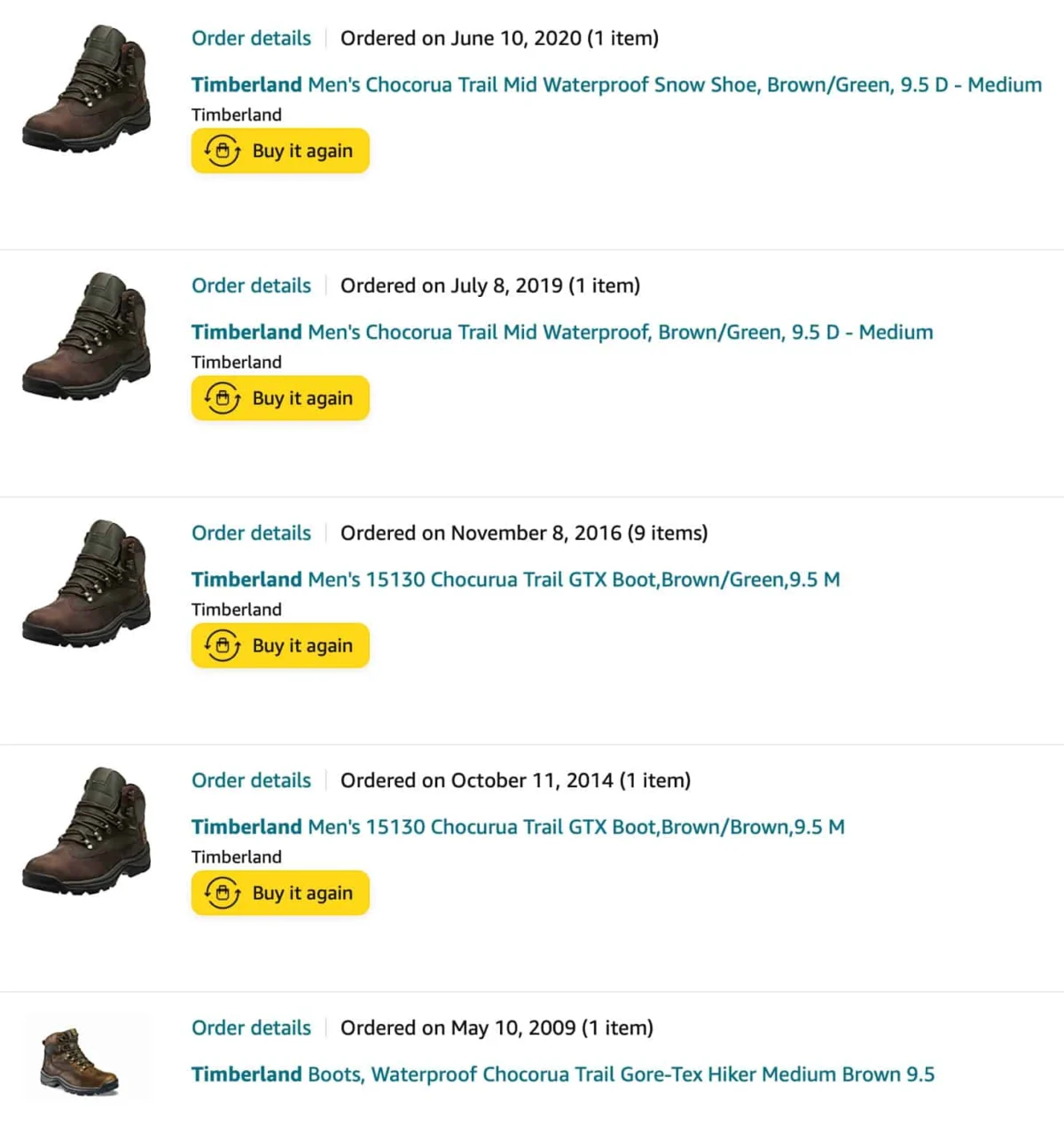
- Iterative Refinement: If a product is perfect, document the brand and model for future replenishment.
As we move forward, the "self-centered" approach suggests a future where shopping is less about the act of visiting a store and more about the precision of sourcing. By putting the user’s needs at the center of the process, we move away from the noise of the marketplace and toward a life filled with tools that actually work. Whether it is a backpack, a pair of hiking boots, or a desk, the items we own define our daily experience. It is only logical that we take the time to choose them with the care they deserve.