In the landscape of end-of-the-world cinema, the genre is often dominated by the spectacle of destruction—the crumbling skyscrapers of Roland Emmerich, the frantic survivalism of World War Z, or the gritty, radioactive wastelands of the Mad Max franchise. But hidden within the vast, often overwhelming library of Prime Video lies a film that dares to ask a more intimate, terrifying question: What do you do when you know exactly when the clock stops, and there is nowhere left to run?
Don McKellar’s 1998 directorial debut, Last Night, is a profound, melancholic, and deeply human exploration of the apocalypse. Eschewing CGI-heavy chaos for the quiet, creeping dread of an inevitable conclusion, it stands as one of the most significant pieces of Canadian cinema ever produced. As it finds a new audience on streaming platforms, it serves as a haunting reminder that the end of the world isn’t a bang—it’s a final, desperate attempt to find meaning in the time we have left.
The Premise: A World Without a Future
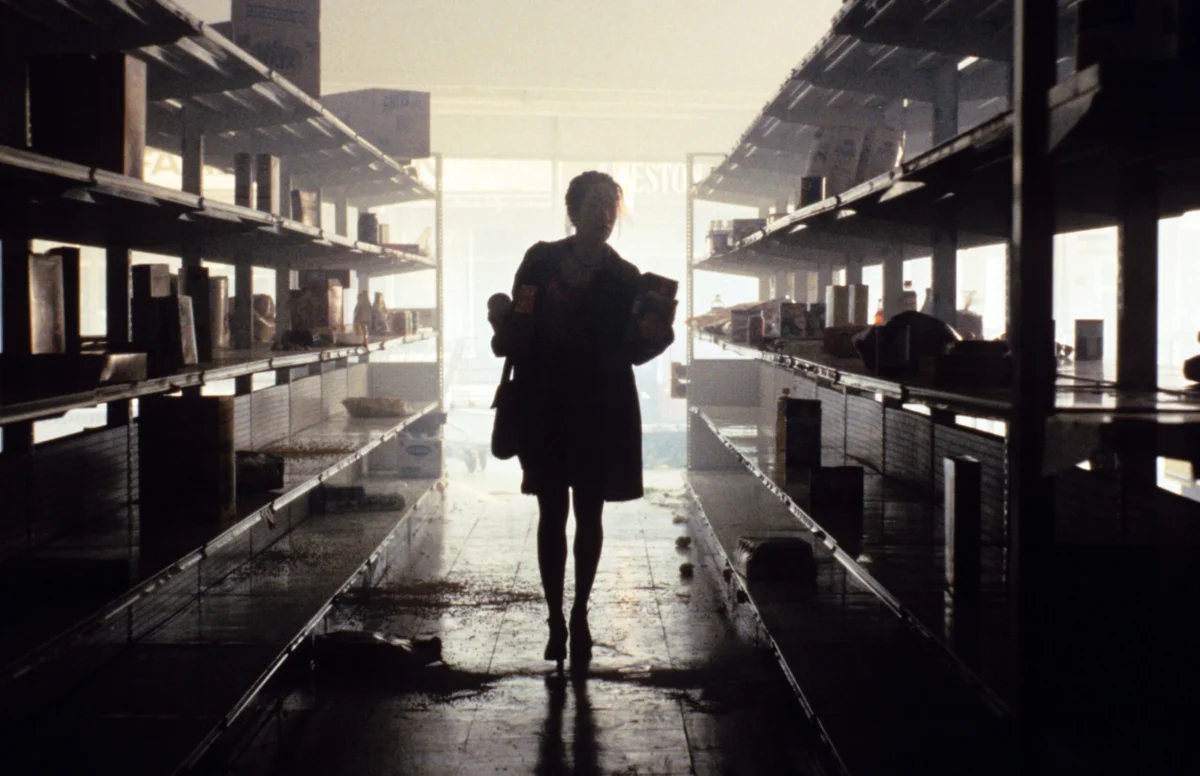
Last Night operates on a premise of elegant simplicity. The film begins with six hours remaining until the end of the world. The cause of this extinction event is never explicitly stated, nor does it matter. There is a celestial anomaly—a permanent, midday-bright light in the sky—that signals the end. The societal collapse has already occurred; the riots, the panic, and the mass hysteria have long since burned themselves out.
What remains is a strange, suffocating, and quiet acceptance. The film follows a disparate group of individuals in Toronto as they navigate the final hours. Some are attempting to fulfill lifelong bucket lists, others are sequestered with family, and many are simply wandering the streets, treating the encroaching void as a surreal, terminal New Year’s Eve.
A Cast of Icons: The Canadian New Wave
For viewers outside of Canada, Last Night is a hidden gem. For those familiar with Canadian cinema, however, it is a masterclass in ensemble acting featuring a "murderer’s row" of talent that has since become legendary.
The cast includes:
- Sandra Oh: Long before her global acclaim in Grey’s Anatomy or Killing Eve, Oh delivers a vulnerable, grounded performance as a woman desperate to reunite with her husband before the clock runs out.
- Don McKellar: The writer-director himself plays Patrick, a man who has decided that the only way to face the end is in total, stoic solitude.
- David Cronenberg: The legendary director of The Fly and Videodrome steps in front of the camera, providing a chillingly calm performance that anchors the film’s existential weight.
- Sarah Polley and Geneviève Bujold: Both contribute haunting performances that emphasize the breadth of the human reaction to inevitable mortality.
The synergy between these actors elevates the film from a standard "doomsday" drama into a character study that feels startlingly personal.
Chronology of the Final Hours
The structure of Last Night is linear, tracking the dwindling time with a clinical, almost documentary-like precision.
- The Six-Hour Mark: We are introduced to a city in a state of suspended animation. Public infrastructure is failing, and the characters are caught between the instinct to flee and the realization that there is no "away."
- The Mid-Point: As the hours tick down, the film focuses on the chance encounter between Patrick and Sandra. Sandra’s car has been rendered useless by vandals, forcing her to navigate a landscape of abandoned storefronts and surreal social gatherings.
- The Final Hour: The film shifts from observation to intimacy. The characters are forced to confront the fundamental question: With whom do you want to be when the lights go out?
Supporting Data: Why It Stands Apart
While many critics have compared Last Night to later films like Seeking a Friend for the End of the World (2012), such comparisons often miss the point. Most modern apocalyptic films lean into the "dark comedy" aspect, using the end of the world as a punchline.
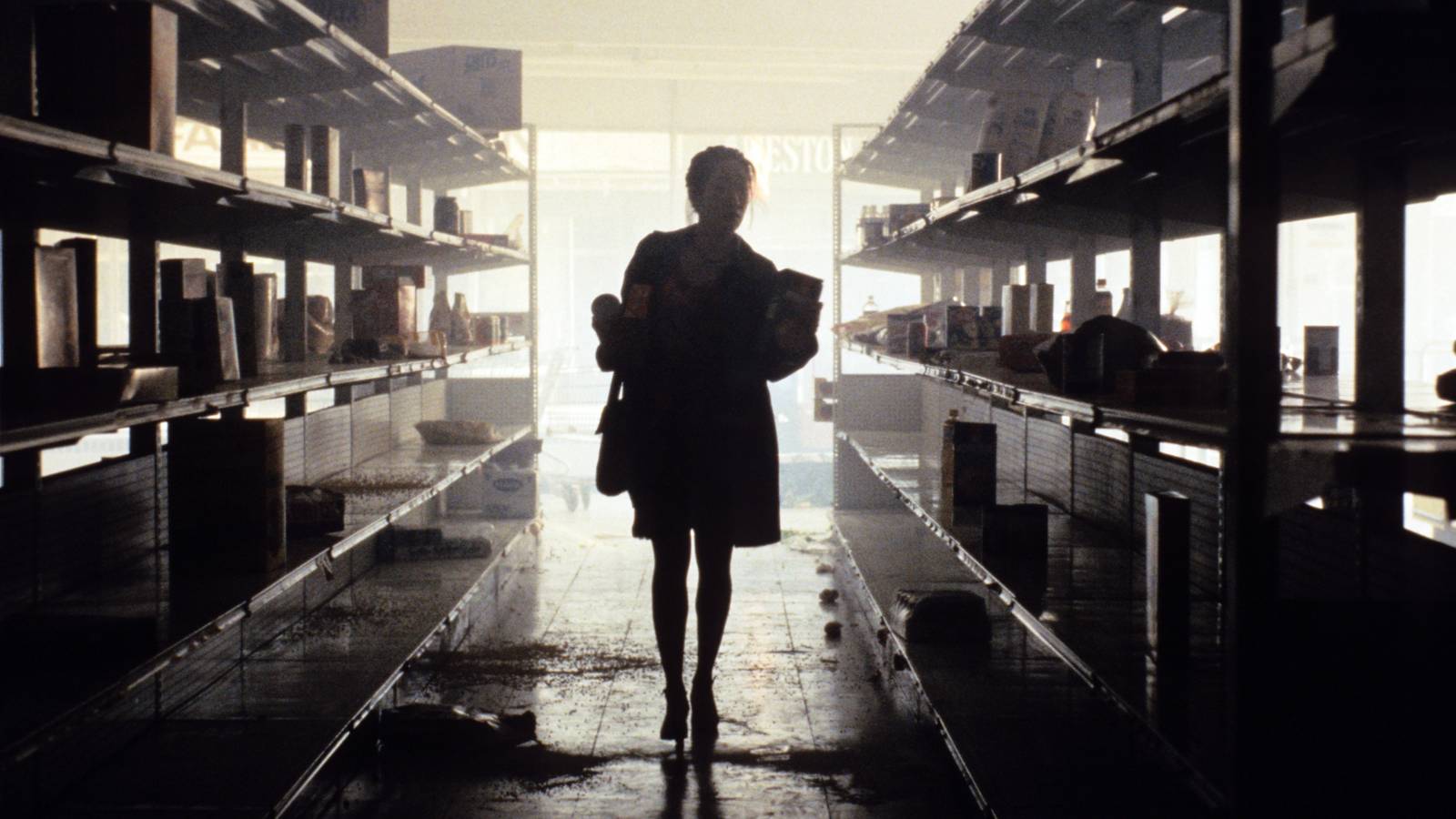
Last Night refuses this comfort. It is a bleak, bittersweet drama that demands the viewer sit in silence after the credits roll. Data regarding its production reveals a budget-conscious, highly focused vision; by stripping away the tropes of the genre, McKellar was able to focus on the psychology of grief. The film’s success at the Cannes Film Festival and its enduring status in the Canadian Film Institute archives highlight its pedigree as an art-house masterpiece rather than a genre-flick.
Official Responses and Critical Reception
At the time of its release, Last Night was hailed as a breath of fresh air in a decade obsessed with action-heavy disaster movies. Critics praised its ability to capture the "Canadian" temperament—polite, reserved, and quietly introspective even in the face of annihilation.
The film’s influence can be seen in the subsequent shift toward "low-fi" sci-fi, where the narrative focus is placed on the human reaction to high-concept scenarios rather than the mechanics of the event itself. It remains a staple in film studies programs, frequently cited for its use of lighting to create a sense of eternal, artificial "daytime" that makes the impending darkness feel all the more inevitable.
Implications: The Mirror Held to Humanity
Why watch a movie about the end of the world when the real world often feels like it is nearing one? The implication of Last Night is that the apocalypse is not just a physical event; it is a psychological one.
The film posits that we are all, in a sense, living in the final hours. By removing the possibility of a "tomorrow," McKellar strips away the masks his characters wear. We see the desperation of the lonely, the quiet resolve of the committed, and the terrifying paralysis of those who never lived the lives they truly wanted.
When one character remarks, "I have invested 80 years in this life. The children don’t know what they’re missing," it cuts to the heart of the film’s ethos: the tragedy of the end is not the loss of the future, but the sudden, sharp realization of what we have already lost in the past.
Final Thoughts: A Necessary Rediscovery
In an era where streaming libraries are cluttered with endless content, Last Night provides a rare, singular experience. It does not offer the catharsis of a hero saving the day, nor the adrenaline of a fight for survival. Instead, it offers something more valuable: a mirror.
It forces the viewer to confront the same question as its protagonists: If the sun were to stop, if the clock were to strike its final hour, what would you be doing? Who would you be holding? And, more importantly, could you find peace in the quiet?
Last Night is currently available on Prime Video. It is not a casual watch, nor is it a film to be consumed while multitasking. It is a film to be experienced—a beautiful, haunting, and necessary meditation on the fragility of our existence. Take an evening, turn off your phone, and let the quiet of the end wash over you. It is, quite simply, one of the greatest films of its kind.