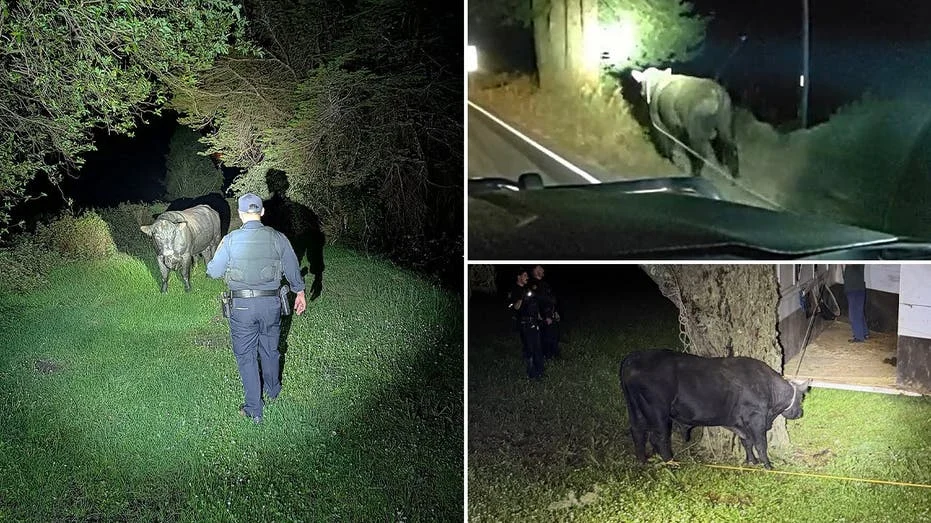
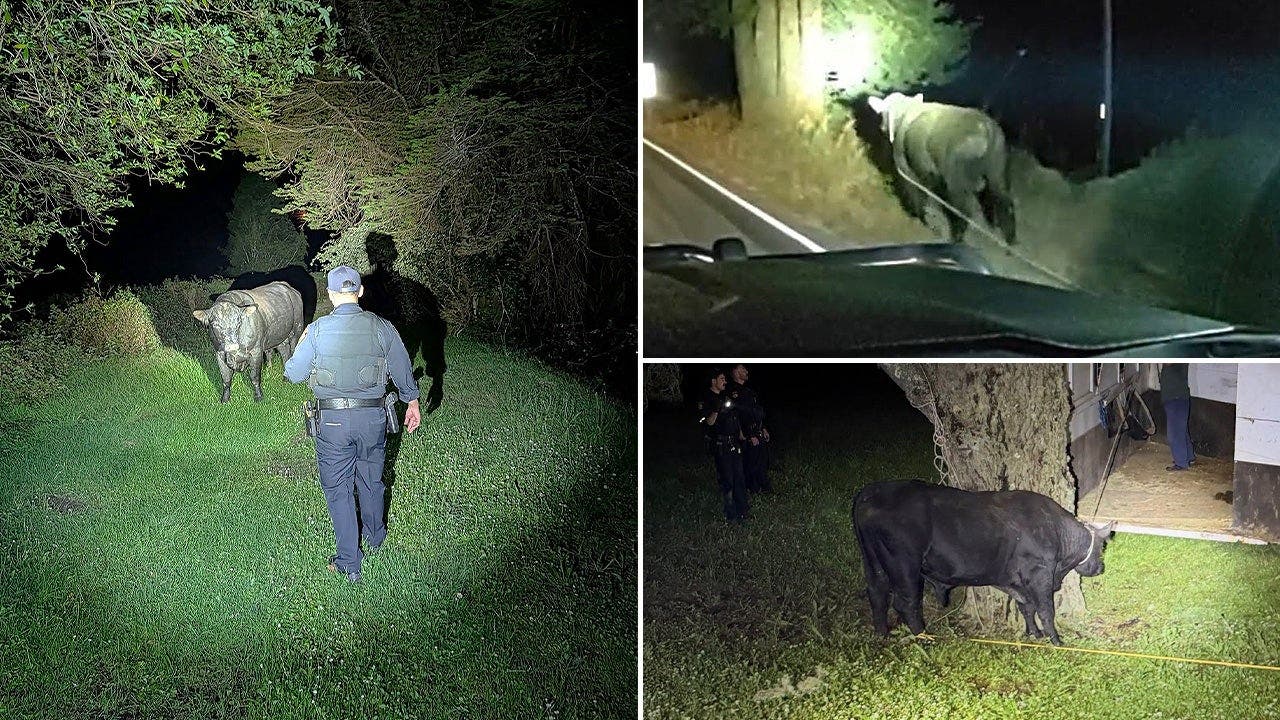
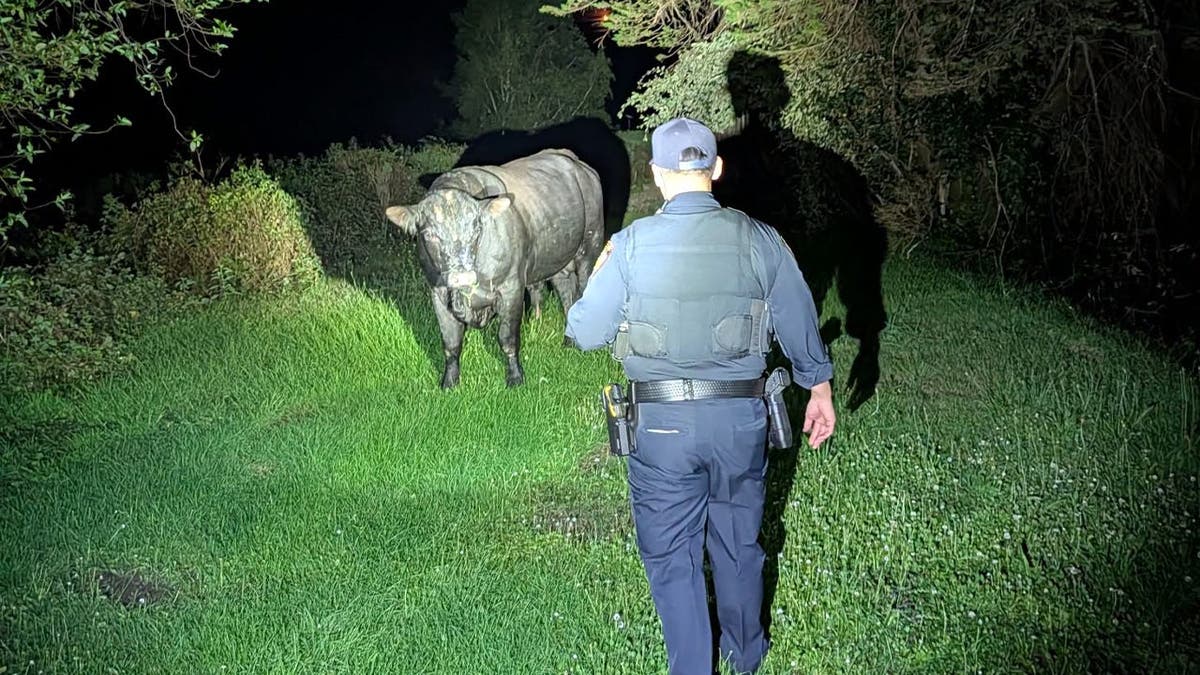
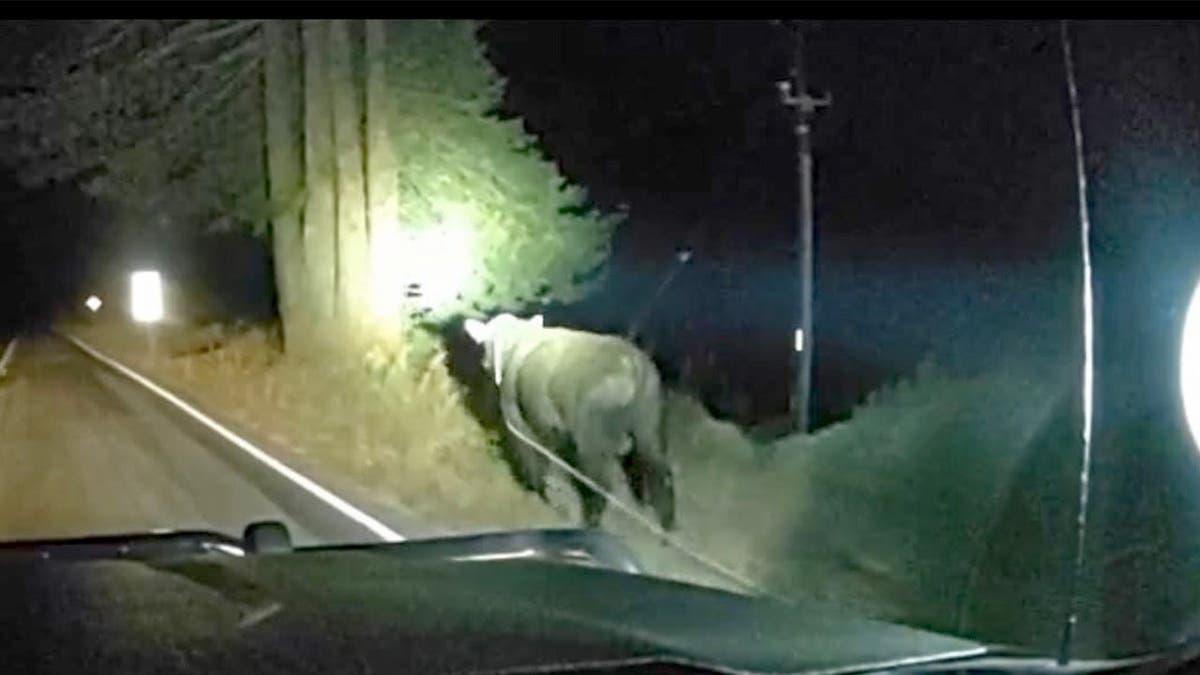
On a Tuesday evening that began like any other in San Mateo County, California, local law enforcement officers found themselves facing an unconventional and highly hazardous public safety threat. A large, unyielding bull escaped its enclosure and wandered onto Highway 35, a major arterial route also known as Skyline Boulevard. The presence of a massive, dark-colored animal on a high-speed, winding, and often fog-shrouded roadway presented an immediate and severe danger to passing motorists.
The incident, which drew a coordinated response from both the California Highway Patrol (CHP) and the San Mateo County Sheriff’s Office, quickly exposed the limitations of standard suburban law enforcement training when dealing with large, unpredictable agricultural animals. Despite hours of strategic maneuvering and attempts to contain the animal, deputies and officers were unable to secure the bull.
The situation was ultimately resolved through the intervention of a local Good Samaritan, Samuel Ramos Palomino. Palomino, a highly experienced ranch foreman from nearby Half Moon Bay, volunteered his time, equipment, and livestock expertise in the middle of the night. His intervention not only brought the hazardous situation to a safe conclusion but also highlighted the vital, interdependent relationship between agricultural community members and local law enforcement in semi-rural coastal regions.
Chronology of the Incident: From First Reports to Safe Resolution
The Initial Discovery and Escalation
The emergency began during the evening hours of Tuesday, when motorists traveling along Highway 35 spotted a large bull trotting along the shoulder and occasionally crossing into active traffic lanes.
Late Tuesday Evening: The California Highway Patrol received multiple emergency calls from startled drivers reporting a loose bull near the roadway. CHP officers dispatched units to the scene immediately, recognizing the extreme risk of a high-speed collision.
Tuesday Night: Upon arrival, CHP officers confirmed the presence of the bull. Realizing the scale of the animal and the potential for it to bolt into oncoming traffic, they requested assistance from the San Mateo County Sheriff’s Office. Deputies from the Coastside Patrol Bureau rushed to the scene to assist in setting up road blocks and attempting to corral the animal.
Midnight Approaching: For several hours, law enforcement personnel attempted to guide the bull off the highway and into a secure, fenced area. Using patrol vehicles, spotlights, and physical barriers, officers tried to herd the animal. However, the bull proved highly resistant, continually evading their efforts and traveling several miles along the highway corridor.
The Midnight Call to Action
By midnight, with the bull still unsecured and the danger to motorists mounting, the San Mateo County Sheriff’s Office decided to seek specialized external assistance.
Shortly After 12:00 AM (Wednesday): Deputies contacted Samuel Ramos Palomino, a local resident and the foreman of the Sea Horse Ranch in Half Moon Bay. Palomino, who has 35 years of experience handling large livestock, was fast asleep when his phone rang. He was scheduled to begin his grueling work shift at 4:00 AM that same morning.
12:15 AM: Without hesitation, Palomino agreed to assist. He dressed, prepped his heavy-duty utility truck, hitched his specialized livestock transport trailer, and drove to the active scene on Highway 35.
1:00 AM: Palomino arrived on-scene, immediately assessing the situation and collaborating with the assembled deputies and CHP officers.
The Capture and Containment
The operation to capture the bull required a combination of physical endurance, tactical coordination, and deep animal behavioral knowledge.
1:15 AM to 2:00 AM: Palomino, working alongside deputies and CHP officers, tracked the bull as it continued to move along the highway. Utilizing lassoing techniques and leveraging the positioning of law enforcement vehicles to block escape routes, the team gradually closed in on the animal.
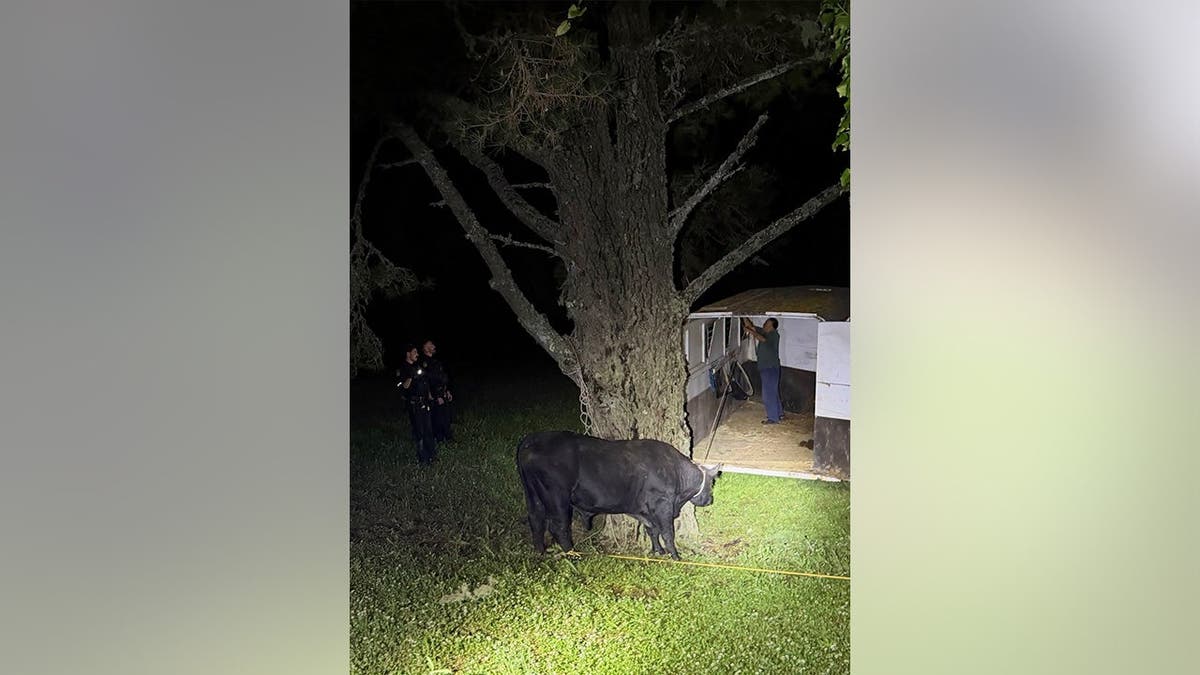
2:15 AM: After several intense, highly physical attempts, the team successfully took the bull "by the horns," securing it with ropes. Palomino then expertly guided the stressed and fatigued animal into his livestock trailer without further incident or injury to the bull or the personnel on scene.
2:30 AM: With the bull safely secured inside the trailer, the immediate hazard to Highway 35 was officially cleared. Palomino transported the bull to a secure holding area at his ranch to rest overnight, ensuring it could be safely returned to its rightful owner at daybreak.
4:00 AM: Just ninety minutes after wrapping up the grueling, dangerous operation, Palomino clocked in for his regular workday at the Sea Horse Ranch.
Supporting Data and Contextual Analysis
The Geography of Highway 35 and the Coastside
Highway 35, or Skyline Boulevard, runs along the ridge of the Santa Cruz Mountains. It is characterized by limited lighting, sharp curves, and heavy patches of coastal fog, particularly during late-night and early-morning hours.
Highway 35 Route Characteristics
Impact on Livestock Incidents
High-speed limits (typically 50–55 mph)
Reduces driver reaction time when encountering obstacles.
Limited shoulder space and dense roadside foliage
Restricts escape routes for both vehicles and loose animals.
Frequent low-visibility conditions (fog/mist)
Renders dark-colored livestock virtually invisible to oncoming headlights.
The geographical transition from the urbanized Silicon Valley corridor to the rural agricultural lands of the Pacific Coastside (including Half Moon Bay) creates a unique environment where suburban commuter traffic directly interfaces with active ranching and equestrian operations.
The Physics of Large Animal Collisions
An encounter between a passenger vehicle and a mature bull is statistically one of the most dangerous types of wildlife or livestock collisions.
Weight Dynamics: A mature bull can weigh anywhere from 1,200 to over 2,000 pounds.
Impact Mechanics: Because of a bull’s high center of gravity, a colliding vehicle often strikes the animal’s legs, causing the massive torso to crash through the windshield and onto the roof of the vehicle, frequently resulting in catastrophic or fatal injuries to the occupants.
Economic and Social Cost: Beyond the tragic potential loss of human life, livestock collisions result in significant property damage, prolonged highway closures, and the loss of valuable agricultural assets.
Official Responses and Community Gratitude
The successful resolution of the incident drew widespread praise from local government and law enforcement leadership, who highlighted the indispensable nature of community-minded citizens in modern public safety.
Statements from the San Mateo County Sheriff’s Office
The Sheriff’s Office publicly commended Samuel Ramos Palomino’s selfless actions, emphasizing that his willingness to sacrifice sleep and put himself in harm’s way averted a potential tragedy.
"Samuel, thank you for answering our call. Your skill, courage, and willingness to help made the Coastside a safer place that night. Your hands-on assistance likely prevented a serious collision or injury on a very busy highway."
Leadership Recognition
In the days following the incident, Coastside Patrol Bureau Captain Allen and Half Moon Bay City Manager Chidester organized an in-person meeting with Palomino. The meeting was designed to formally recognize his contributions and present the city’s and county’s deep gratitude.
During the meeting, officials noted that Palomino’s prompt response saved taxpayers thousands of dollars in emergency containment costs and prevented what could have easily been a multi-vehicle pileup. The City of Half Moon Bay emphasized that Palomino embodies the true spirit of the Coastside community—one defined by resilience, neighborly support, and a shared responsibility for public safety.
Implications: The Urban-Rural Interface and Public Safety
This incident on Highway 35 highlights several broader socio-ecological and operational implications for municipalities situated on the boundary between urban centers and agricultural zones.
1. The Challenges of Rural Policing
Modern law enforcement training academies focus heavily on tactical response, de-escalation, vehicle operations, and urban crisis management. However, deputies patrolling semi-rural counties like San Mateo frequently encounter incidents that require distinct agricultural skills, such as herding loose cattle, managing injured wildlife, or navigating equestrian trails.
This event demonstrates that law enforcement agencies must maintain robust, active relationships with local ranchers, veterinarians, and animal control specialists. When traditional policing methods fail to resolve an agricultural emergency, having a trusted directory of community experts who can be called upon at midnight is a critical operational asset.
2. Infrastructure and Fencing Maintenance
As suburban development continues to expand into historical ranching lands, the maintenance of perimeter fencing becomes increasingly critical.
Erosion and Weather: Heavy coastal rains, wind, and soil erosion can compromise fence lines, allowing livestock to escape.
Public Recreation: The proliferation of hiking trails intersecting with grazing lands sometimes leads to recreational users leaving gates open, creating opportunities for livestock to wander onto high-speed roads.
Policy Needs: Municipalities may need to consider stricter enforcement of fence-line integrity laws and public education campaigns targeted at recreational trail users to mitigate the frequency of livestock escapes.
3. The Power of the "Good Samaritan" in Modern Society
In an era where public services are often expected to handle all facets of emergency response, the actions of Samuel Ramos Palomino serve as a powerful reminder of the enduring value of civic duty. Palomino had no legal obligation to answer a midnight call, risk his personal safety, use his own equipment, or sacrifice his rest before a demanding 4:00 AM shift.
His actions illustrate that the safest communities are not merely those with the most heavily funded emergency services, but those where skilled citizens are willing to step forward, bridge the gap in public capabilities, and work hand-in-hand with first responders to protect their neighbors.