For over 15 years, a lingering mystery has haunted the field of gastrointestinal oncology: how does the toxin produced by Bacteroides fragilis (BFT) bypass the body’s defenses to wreak havoc on the colon? While the damage—chronic inflammation and the promotion of colorectal cancer—was well-documented, the precise molecular "key" the toxin used to unlock the cellular door remained hidden.
Now, a landmark study published in the journal Nature has finally identified the culprit. A multi-institutional team led by researchers at the Johns Hopkins Kimmel Cancer Center and the Bloomberg~Kimmel Institute for Cancer Immunotherapy has discovered that BFT relies on a host protein called claudin-4 to gain entry into colon cells. This revelation not only closes a decade-and-a-half-old scientific cold case but also provides a concrete roadmap for developing therapies to intercept the toxin before it can trigger malignant growth.
The Main Facts: Identifying the Missing Link
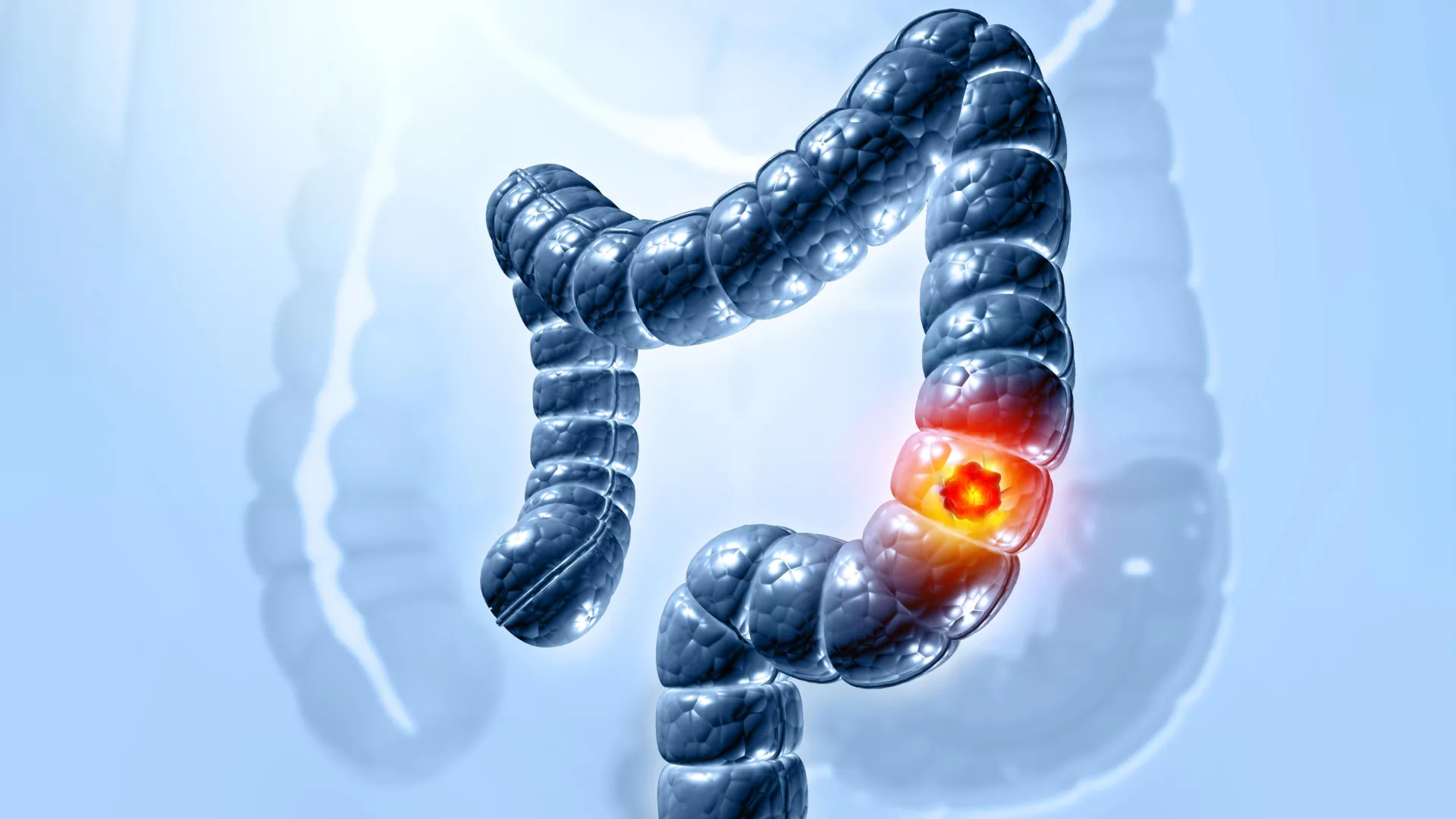
The human gut is a complex ecosystem, and Bacteroides fragilis—a common bacterium found in the colons of approximately 20% of the healthy population—is a standard inhabitant. However, certain toxigenic strains secrete the Bacteroides fragilis toxin (BFT), a potent molecule capable of slicing through the protective barriers of the colon.
Previous research, notably from the laboratory of Dr. Cynthia Sears at Johns Hopkins, had established that BFT functions by cleaving E-cadherin, a vital protein that maintains the integrity of the colon’s epithelial barrier. When this barrier is compromised, chronic inflammation ensues, creating an environment ripe for tumor development. Yet, for years, researchers were baffled: BFT did not appear to bind directly to E-cadherin. It needed a mediator—a receptor that would act as a docking station.
Through a massive, genomewide CRISPR screening effort, researchers have now identified that mediator: claudin-4. By systematically disabling individual genes within colon cells, the team observed that when claudin-4 was absent, BFT was rendered powerless. It could no longer latch onto the cells, and the E-cadherin barrier remained perfectly intact.
Chronology of a Scientific Breakthrough
The path to this discovery was not linear; it was a slow, methodical process of elimination and validation that spanned several years.
The Foundation (Pre-2010s)
Early studies identified that B. fragilis was associated with both diarrhea and inflammatory bowel conditions. It was established that the BFT toxin was a metalloprotease—an enzyme that breaks down proteins. By the early 2010s, the link between BFT-induced inflammation and the degradation of E-cadherin was confirmed in Nature Medicine, setting the stage for the search for the toxin’s "gatekeeper."
The Search (2018–2022)
The search for the missing receptor was led by Maxwell White, an M.D./Ph.D. candidate in the Sears lab. Collaborating with the laboratory of Matthew Waldor at Harvard Medical School, the team utilized CRISPR-Cas9 technology to knock out thousands of genes across colon epithelial cells. The goal was to see which cells survived BFT exposure.
"It took a while to get the assay working and validate the approach," White recalls. "But once we were able to do the screen, claudin-4 was a clear, resounding top hit."
Verification (2023–2024)
Following the identification of claudin-4, the team needed to prove the physical interaction. They partnered with structural biologists F. Xavier Gomis-Rüth and Ulrich Eckhard at the Molecular Biology Institute of Barcelona. Using biophysical techniques, they confirmed that BFT and claudin-4 form a tight, one-to-one complex. This marked the first physical evidence of the toxin docking with its host receptor.
Supporting Data: Why Claudin-4 Was Unexpected
The scientific community was largely surprised by the role of claudin-4. Many researchers had hypothesized that the receptor would be a classic signaling molecule, such as a G-protein-coupled receptor (GPCR). Claudin-4, however, belongs to the family of tight-junction proteins, which are primarily responsible for sealing the space between cells to prevent the leakage of molecules.
The discovery is unconventional in the world of microbiology. Typically, protease toxins—like the one produced by B. fragilis—act by binding directly to the substrate they intend to destroy. BFT’s two-step process—binding to a receptor (claudin-4) before moving to its target (E-cadherin)—is a sophisticated mechanism that highlights the evolutionary ingenuity of gut pathogens.
The Decoy Strategy
To test the clinical utility of this discovery, the team synthesized a "molecular decoy." They created a soluble version of claudin-4 that displayed the specific binding sites the toxin recognizes. When introduced in mouse models, the BFT toxin "mistook" the decoy for the actual cells of the colon. The toxin attached to the decoy instead of the host tissue, successfully preventing the degradation of E-cadherin and the subsequent inflammation.
Official Responses and Expert Commentary
Dr. Cynthia Sears, senior author of the study and the Bloomberg~Kimmel Professor of Cancer Immunotherapy, expressed relief and excitement regarding the finding.
"We’ve made several attempts over time to identify the receptor, so this is an exciting moment," Dr. Sears said. "Understanding how bacterial toxins work can open doors to new approaches for detection and therapy for associated diseases, including diarrhea, colorectal cancer and bloodstream infections."
The implications for medicine are vast. By preventing the toxin from binding, clinicians may eventually be able to reduce the risk of tumor initiation in patients who carry toxigenic B. fragilis. Maxwell White notes the potential for future development, stating, "This approach could be iterated upon with small molecules or other biologics that have better pharmacological properties."
Implications: A New Era for Cancer Prevention
The identification of the claudin-4-BFT interaction offers a paradigm shift in how we approach the microbiome’s role in cancer.
1. Therapeutic Development
The most immediate implication is the potential for a "blocking" therapy. If researchers can develop a drug that inhibits the interaction between BFT and claudin-4, they could potentially neutralize the toxin’s carcinogenic potential without needing to eradicate the B. fragilis bacteria entirely. This is crucial, as B. fragilis is a natural part of the human gut flora, and completely wiping it out could disrupt digestive health.
2. Diagnostic Potential
Knowing the receptor allows for the development of new diagnostic tests. Clinicians could monitor the levels of toxigenic B. fragilis in high-risk patients and potentially use the decoy protein as a prophylactic measure to protect the colon barrier during periods of high inflammation or infection.
3. Structural Challenges Remain
Despite the success, the research is far from over. One significant hurdle remains: the precise, high-resolution atomic structure of the BFT-claudin-4 complex. Even with state-of-the-art artificial intelligence modeling tools like AlphaFold, the exact way these two molecules lock together remains elusive. Capturing this "snapshot" is the next primary objective for the team, as it would allow for the rational design of small-molecule inhibitors that are even more effective than the current decoy.
Conclusion
The discovery that claudin-4 acts as the gateway for the Bacteroides fragilis toxin is a testament to the power of collaborative, cross-disciplinary research. By combining CRISPR screening, structural biology, and animal modeling, the team at Johns Hopkins and their partners have transformed a 15-year-old mystery into a viable target for medical intervention.
While further research is needed to refine the "decoy" into a clinical therapy, the study provides a vital piece of the puzzle in understanding how the gut microbiome contributes to colorectal cancer. As researchers move toward human trials and further structural analysis, the focus remains clear: intercepting the toxin at the door to keep the colon secure from the inside out.
This study was supported by the Bloomberg~Kimmel Institute for Cancer Immunotherapy, Janssen Research and Development, Cancer Research UK, the National Institutes of Health, and the Howard Hughes Medical Institute.