In the contemporary real estate landscape, the front door of your home is no longer the physical entrance on the street; it is the digital thumbnail on a smartphone screen. Whether it is an ultra-modern condo in the heart of Miami or a charming historic brownstone in Boston, the modern home-buying journey has migrated almost entirely to the digital realm. In this hyper-competitive environment, presentation is not merely an aesthetic preference—it is a critical economic driver.
As the industry shifts toward a "digital-first" model, the role of professional real estate photography has evolved from a luxury add-on to an essential pillar of a successful marketing strategy. This article examines why professional imagery remains the most influential factor in how a home is perceived, valued, and sold in today’s high-velocity market.
The Evolution of the "First Impression"
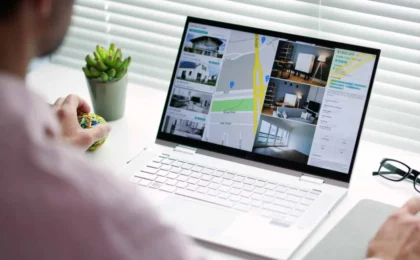
Historically, the first impression of a property was made during a drive-by or a scheduled open house. Today, that interaction occurs in a fraction of a second as potential buyers scroll through listings on platforms like Redfin, Zillow, or Realtor.com.
Psychological studies on consumer behavior suggest that users spend less than three seconds deciding whether a digital asset warrants further investigation. When a buyer is scanning dozens of properties in a single sitting, the "hero shot"—the primary listing photo—acts as the gatekeeper. If the lighting is poor, the angles are awkward, or the composition is uninspired, the buyer moves on.
Pekka, Co-Founder of Amplifiles, a leader in visual AI for real estate, emphasizes that professional photography is the highest-yielding investment a seller can make. "Your hero photo is the first, and often only, impression a buyer forms before deciding whether to click," he explains. "If that shot doesn’t move the needle in the first couple of seconds, the listing gets passed over. A professional understands how to light a room and capture space without distortion. These assets aren’t just for the initial click; they become the backbone of your social media clips, email campaigns, and targeted ads."
Supporting Data: The Measurable Impact of High-End Imagery
The data supporting the use of professional media is compelling. Industry benchmarks consistently show that listings with professional photography receive higher click-through rates (CTR) and, consequently, a higher volume of showing requests.
Beyond the initial engagement, there is a direct correlation between high-quality visuals and the "Days on Market" (DOM) metric. Homes that present as "magazine-ready" benefit from a halo effect: if the photos are high-quality, buyers subconsciously assume the home has been well-maintained. Conversely, dark, blurry, or cluttered mobile-phone photos can trigger skepticism. Even if a property is in pristine condition, poor imagery creates an "information gap" that leads buyers to question what the seller might be hiding.
Official Industry Perspectives: Trust and Credibility
In a digital market, trust is the primary currency. When a buyer views a series of professional, well-lit, and thoughtfully composed images, they are not just looking at a room; they are being sold a lifestyle.
Kenneth Purdom, Founder of Real Estate Photographer Pro, argues that high-quality media is a catalyst for trust. "In a digital-first market, poor-quality photos prompt buyers to scroll past, whereas magazine-quality media builds immediate confidence," says Purdom. "This deep visual connection drives higher click-through rates and can significantly reduce the time a home spends on the market. It’s about creating a narrative of value that the buyer can inhabit."
This sentiment is echoed by Andrew J. Rohm, owner of DMR Media, who views photography through the lens of performance marketing. "From a marketing standpoint, hiring a high-quality photographer is critical," Rohm notes. "It allows you to better leverage secondary marketing avenues like Meta, YouTube, and Google Display Ads. High-quality visual assets are the bedrock of paid advertising; without them, your ad spend is largely wasted."
The Science of Presentation: More Than Just "Clear" Photos
A common misconception is that professional photography is simply about resolution. In reality, it is about intentionality. A skilled photographer employs a variety of technical and artistic strategies to optimize a property:
1. Architectural Integrity and Wide-Angle Balance
Untrained photographers often use extreme wide-angle lenses that warp walls and distort the scale of a room. Professionals use specialized equipment to capture the full breadth of a space while maintaining geometric accuracy.
2. Lighting and Atmosphere
Professional photographers use HDR (High Dynamic Range) techniques and manual lighting to balance the exposure between bright windows and shadowed corners. This allows the viewer to see the details of the interior while still appreciating the view outside.
3. Staging and Composition
A professional knows how to "frame" a room to highlight its best features—be it a vaulted ceiling, a fireplace, or a custom kitchen island. They understand the "flow" of a home, guiding the viewer’s eye through the property in a way that feels natural and inviting.
Implications for Pricing and Market Momentum
Perhaps the most significant implication of professional photography is its impact on pricing power. How a home is presented influences how it is perceived, which directly affects the buyer’s willingness to offer the asking price.
When a property is presented with high-quality media, it enters the market with "authority." Buyers are less likely to nitpick or attempt lowball offers if the presentation suggests that the seller is serious, prepared, and has maintained the home to a high standard. In contrast, low-quality photos can lead to:
- Reduced showing requests: Buyers prioritize properties that "look the part."
- Extended market time: As a home sits on the market, it loses its "new listing" luster, often forcing price reductions.
- Lower final sale price: Buyers who do visit often perceive the home as having less value, leading to more aggressive negotiations.
The Chronology of a Successful Listing
To understand the necessity of professional photography, one must look at the lifecycle of a modern home sale:
- Preparation (The Pre-Shoot): The seller and agent declutter and "stage" the home. This is the moment to remove personal items and highlight architectural features.
- The Capture (The Shoot): The professional photographer arrives. This phase involves not just shooting, but editing, color-correcting, and ensuring the images are optimized for the specific digital platforms they will inhabit.
- The Launch (The First 48 Hours): This is the "golden window." A listing typically gets its highest traffic in the first two days. High-quality, professional imagery ensures that this surge of interest converts into scheduled showings.
- The Evaluation (The Showing Phase): As potential buyers walk through, they compare the physical home to the photos they saw online. Professional photos set a high bar, and when the home lives up to that bar, the buyer’s confidence to make a strong offer increases significantly.
Final Analysis: The Deciding Factor
In the modern real estate arena, photography is not a "line item" expense; it is a fundamental marketing investment. The cost of hiring a professional is negligible when measured against the potential loss of a higher sale price or the carrying costs of a home that lingers on the market for weeks due to unappealing digital content.
For sellers, the takeaway is clear: the first interaction a buyer has with your home is digital. By ensuring that interaction is professional, polished, and evocative, you are doing more than just selling a structure—you are selling a vision. In a market where every detail matters, high-quality photography is no longer just a "nice-to-have"—it is the deciding factor in a successful transaction.