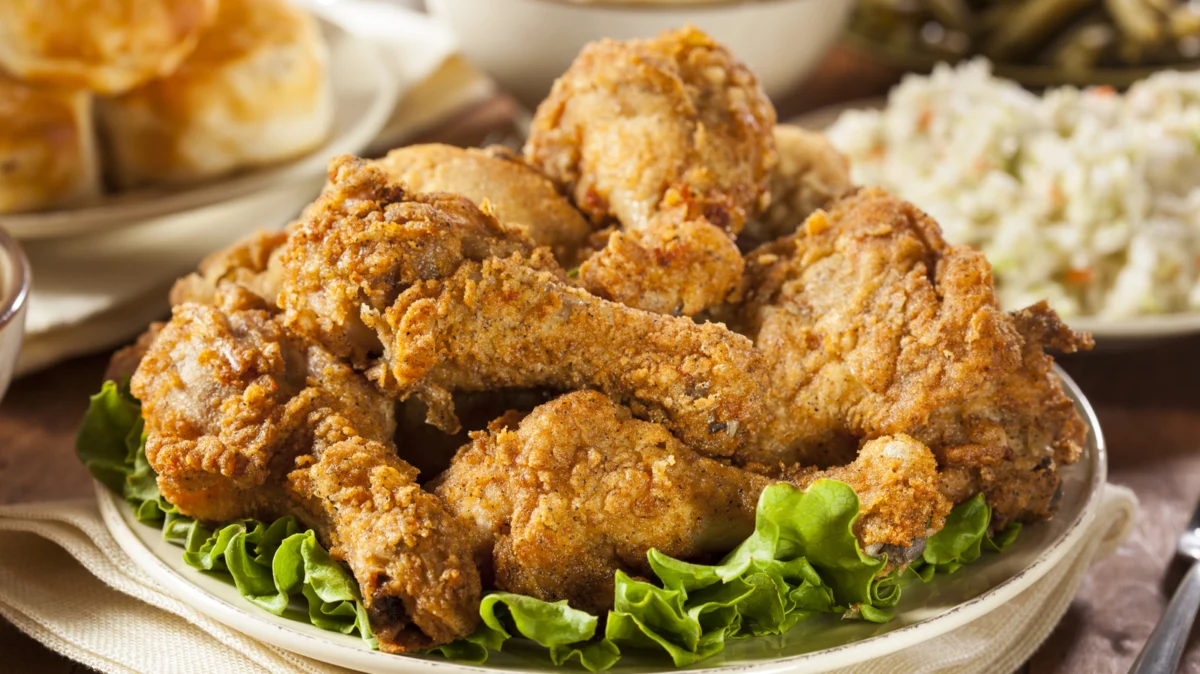
There is perhaps no greater culinary disappointment than the soggy, limp remains of yesterday’s fried chicken. Whether it was a labor-intensive batch prepared in your own kitchen or a premium bucket from a renowned local spot, the transition from golden-brown perfection to refrigerated leftovers is a treacherous one. Reheating fried chicken is a balancing act of thermodynamics: you must drive enough heat into the center of the protein to ensure food safety without overcooking the meat or turning the delicate, crispy breading into a greasy, unappealing shell.
While many home cooks instinctively reach for the microwave—the ultimate enemy of crispiness—culinary experts maintain that the oven is the only reliable tool for restoring fried chicken to its former glory. By understanding the science of moisture migration and heat distribution, you can achieve a result that is nearly indistinguishable from fresh.
The Core Problem: Why Reheating Fails
To master the reheat, one must first understand why the chicken degrades in the refrigerator. Fried chicken consists of a high-moisture core encased in a starch-heavy coating. When stored in the fridge, the moisture inside the meat migrates outward, seeping into the breading. This results in the "soggy bottom" phenomenon.
When you place this in a microwave, the internal water molecules vibrate rapidly, turning to steam. Since the microwave does not provide a dry, convective environment, this steam is trapped under the breading, effectively "steaming" the chicken from the inside out and obliterating any remaining structural integrity of the crust. Furthermore, microwaves heat unevenly, often leaving the center of the meat cold while the surface turns rubbery and tough.
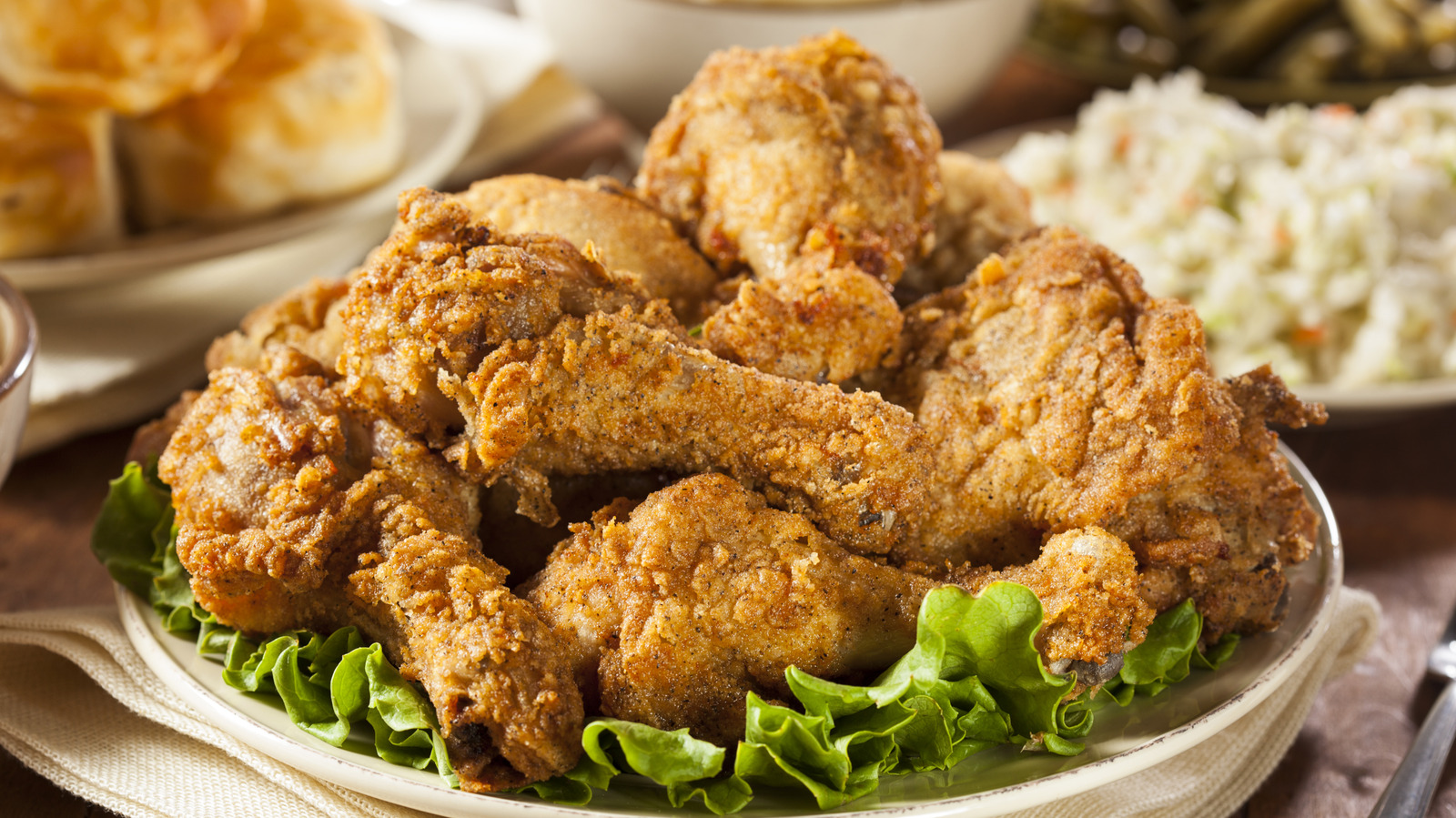
The Optimal Strategy: The "Oven-Rack" Technique
If you are looking for that "just-out-of-the-fryer" crunch, the oven is your primary ally. The goal is to dehydrate the surface of the breading while heating the center of the chicken through convection.
Step-by-Step Methodology
- The Tempering Phase: Never take your chicken directly from the refrigerator to the oven. Allow the pieces to sit at room temperature for 20 to 30 minutes. This reduces the temperature differential, ensuring the center reaches a safe heat level before the exterior dries out or burns.
- The Rack Setup: This is the most crucial step. Do not place chicken directly on a baking sheet, as the bottom will sit in rendered fat and moisture, preventing it from ever getting crispy. Instead, use a broiler pan with a rack or a cooling rack set inside a baking sheet. This allows hot air to circulate 360 degrees around the chicken, ensuring an even, crisp finish on both sides.
- Temperature Control: Preheat your oven to 400 degrees Fahrenheit. The high heat is necessary to "shock" the breading back into a crispy state without overcooking the meat inside.
- The Positioning: Place the rack in the center of the oven. If you are worried about mess, place a baking sheet on the rack below the chicken to catch any drippings, but keep the chicken elevated for maximum airflow.
Chronology of the Process
A successful reheat requires patience and precision. For standard, breaded, bone-in pieces, the process typically follows this timeline:
- 0–5 Minutes: The oven’s convective heat begins to evaporate the surface moisture of the breading.
- 5–10 Minutes: Heat begins to penetrate the meat. The fat within the skin begins to render, which helps "re-fry" the breading from the inside.
- 10–15 Minutes: This is the critical window for checking. Smaller pieces, like wings or tenders, will likely be reaching their peak.
- 15–20 Minutes: Larger pieces, such as breasts or thighs, require this additional time to ensure the center reaches the food-safe threshold of 165 degrees Fahrenheit.
Supporting Data and Food Safety Implications
Food safety is not a suggestion; it is a necessity. The USDA and various food safety organizations emphasize the "Danger Zone"—the temperature range between 40 degrees Fahrenheit and 140 degrees Fahrenheit where bacteria grow most rapidly.
Reheating is not merely about temperature; it is about time at temperature. If you pull the chicken out too early, you risk consuming meat that has spent too long in the danger zone. Always utilize an instant-read meat thermometer. Probe the thickest part of the meat—avoiding the bone, which conducts heat differently—and ensure a consistent reading of at least 165 degrees Fahrenheit.
Special Considerations: The Case of Sauced Chicken
If your leftovers are coated in a sticky glaze, such as buffalo, barbecue, or honey-garlic sauce, the 400-degree method will likely result in burnt sugar and an acrid, bitter crust. For these varieties, a "low and slow" approach is recommended:
- Lower the Heat: Preheat the oven to 325 degrees Fahrenheit.
- Extended Time: Expect to bake for 20 to 25 minutes. The lower temperature prevents the sugars in the sauce from caramelizing too quickly or burning.
- The Skillet Alternative: If you find the oven is still not providing the desired texture for sauced chicken, consider a hybrid method. Reheat the chicken in the oven until warmed through, then finish it in a hot skillet with a tiny amount of oil for 60 seconds per side to re-crisp the surface.
Pro Tips for Culinary Excellence
To elevate your leftovers, consider these professional finishing techniques:
- The Broiler Finish: If, after 15 minutes, the chicken is hot but not quite as crispy as you desire, turn the oven to "broil" for the final 60 to 90 seconds. Watch the chicken like a hawk during this phase; the transition from "perfectly crisp" to "charred" happens in the blink of an eye.
- The Fat Refresh: If the chicken appears particularly dry, lightly mist the pieces with an olive oil spray or use a pastry brush to apply a very thin layer of melted butter. This adds a subtle sheen and a boost of flavor that compensates for the moisture lost during the initial refrigeration.
- Avoid Foil: A common mistake is covering the chicken with aluminum foil. While this prevents the top from drying out, it also traps steam. You are essentially turning your oven into a steamer. For the best texture, keep the chicken exposed to the dry, hot air of the oven.
Conclusion: Respecting the Leftover
Fried chicken is an indulgence that deserves to be enjoyed in its entirety. By moving away from the convenience of the microwave and adopting a more scientific approach to oven-reheating, you can ensure that the second meal is nearly as satisfying as the first. Through proper temperature management, the use of a wire rack for airflow, and strict adherence to food safety guidelines, you can rescue your leftovers from the realm of the soggy and return them to the glory of the crispy. The next time you find yourself with a surplus of fried chicken, remember: it isn’t about just heating it up; it’s about re-engineering the crunch.