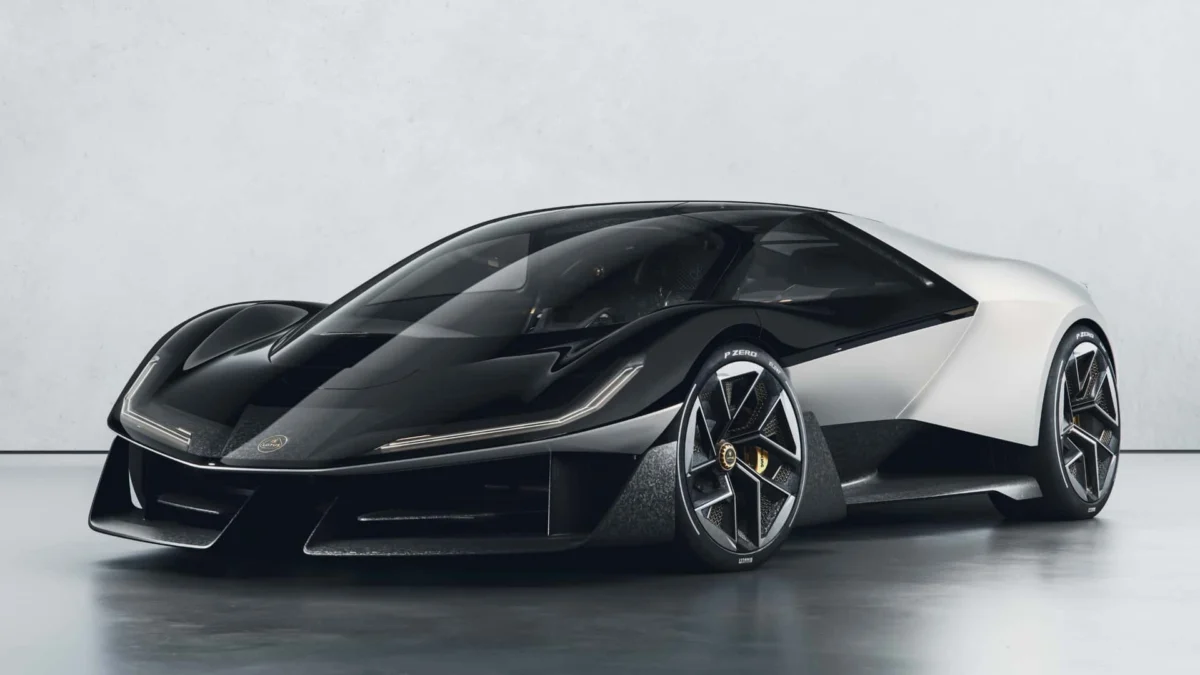
The automotive world has been set abuzz by a seismic shift in strategy from Hethel. In a direct pivot from the aggressive, all-electric-only trajectory previously charted by Lotus, the iconic British sports car manufacturer has confirmed the return of its most legendary nameplate: the Esprit.
During an investor earnings call held on August 27, Lotus CEO Feng Qingfeng officially signaled that the brand is embracing a multi-powertrain future. The upcoming Type 135, widely expected to carry the Esprit mantle, will not be a silent battery-electric vehicle. Instead, it will feature a potent mid-engine hybrid V8 powertrain, with secondary plans for a V6 variant, ensuring that the soul of internal combustion remains central to the Lotus identity well into the next decade.
The Strategy: A Bridge Between Eras
For enthusiasts who feared that Lotus would lose its mechanical character in the pursuit of pure electrification, the announcement of the Type 135 serves as a massive relief. The vehicle is being positioned as a crucial "bridge" in the company’s "Focus 2030" strategy.
This plan, as outlined by leadership, marks a deliberate move away from an EV-only mandate. Instead, Lotus will utilize a balanced portfolio of combustion, plug-in hybrid, and battery-electric models. The Type 135 is designed to sit comfortably between the lightweight, analog-focused Emira sports car and the record-breaking, all-electric Evija hypercar. By combining the emotional connection of a combustion engine with the high-performance technical benchmarks of the Emeya electric sedan, Lotus hopes to capture both the traditional purist and the modern technology enthusiast.
Chronology: From Concept to Reality
The journey toward the Type 135 has been defined by rapid evolution and, at times, internal debate regarding the feasibility of balancing high performance with weight reduction.
- Pre-2023: Lotus signals a full-scale commitment to electrification, highlighted by the debut of the Evija and the Eletre SUV.
- Early 2024: Development of the Type 135 platform begins in earnest, with engineers focusing on modularity.
- August 2024: During the Q3 investor call, CEO Feng Qingfeng officially confirms the V8 hybrid configuration and the intent to utilize hardware from "Horse," the strategic joint venture between Geely and Renault.
- Late 2024/2025 (Projected): Prototype development and testing on the Hethel test track to refine the hybrid powertrain and chassis dynamics.
- 2028 (Projected): Global launch of the new Esprit (Type 135).
Supporting Data: The Weight Challenge
The most significant hurdle facing the engineering team at Lotus is the physics of weight. Historically, Lotus has defined itself by "simplify, then add lightness." The challenge of integrating an 800V electrical architecture, a high-density battery pack, and a twin-turbo V8 engine while keeping the vehicle around the 1.5-ton mark is an engineering tightrope walk.
CEO Feng was transparent about this complexity during the investor call. "Achieving that target with an 800V architecture, a hybrid system, a V8 engine and electric motor in the car just is not easy," he noted.
To overcome this, Lotus is looking to the pinnacle of motorsport: Formula 1. The company is actively developing proprietary electric motor technology that prioritizes power-to-weight ratios above all else. In a previous briefing, Feng highlighted an F1-inspired electric motor design that weighs a mere 44 pounds—a significant reduction from the industry-standard 150-kilowatt units, which can weigh upwards of 209 pounds. This radical diet is essential if the Type 135 is to maintain the nimble, responsive handling that has been a hallmark of every Lotus since the days of Colin Chapman.
Official Responses and Technical Specifications
While technical details are still being finalized, the broad strokes of the Type 135 are beginning to emerge. The vehicle will leverage the expertise of "Horse," the Geely-Renault joint venture, to provide the combustion core of the powertrain. This collaboration ensures that Lotus benefits from the latest in efficient, high-output engine development without the need to manufacture every component in-house.
Power will be routed through a high-torque-capable dual-clutch transmission. While the exact gear count remains a topic of internal debate, the focus is on maintaining a direct, mechanical link between the driver and the road.
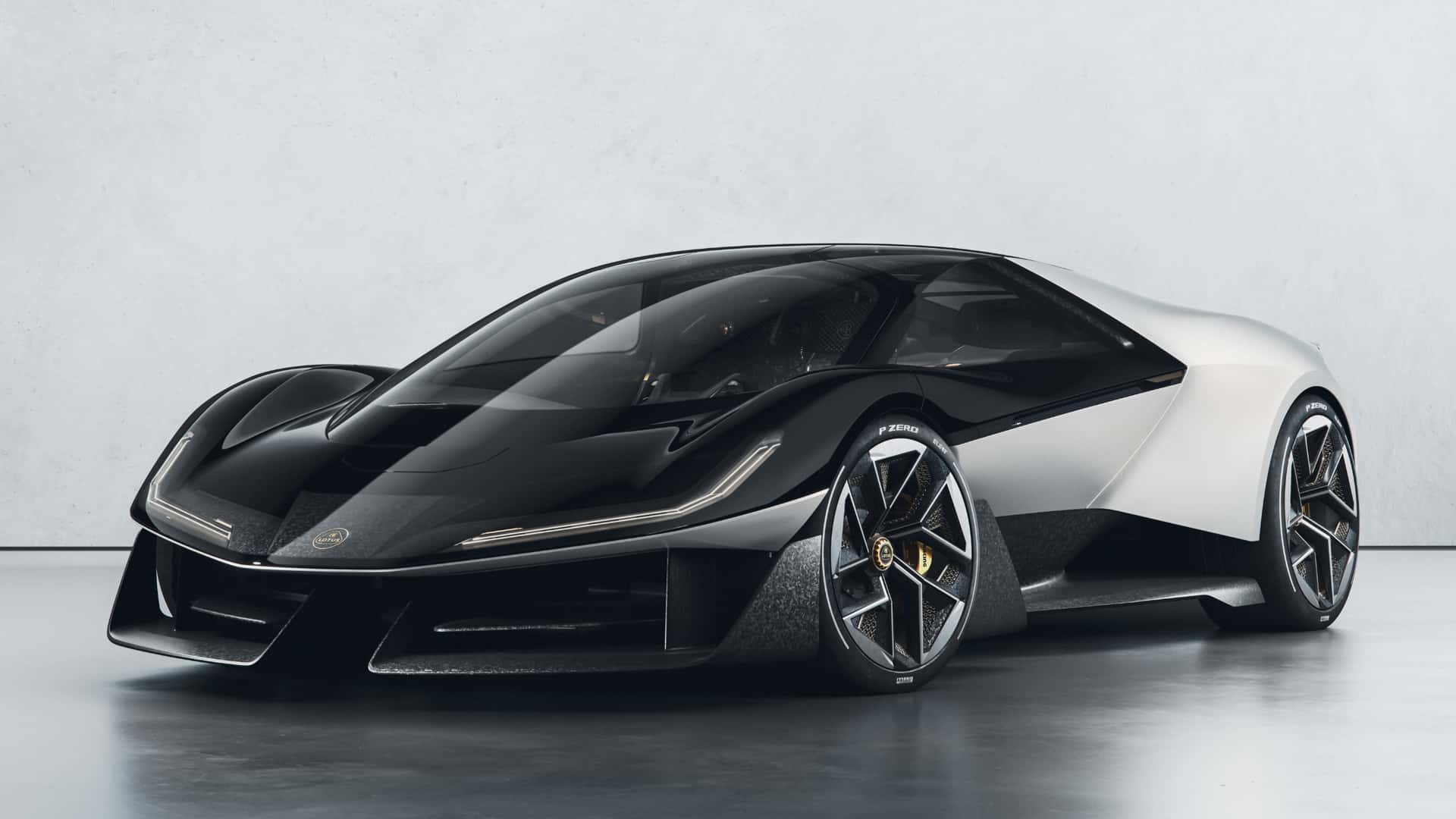
"The Type 135 will fill the gap between the Emira and Emeya," Feng stated, emphasizing that the car must preserve the "emotional connection" that Emira owners currently enjoy. The target is a power output exceeding 1,000 horsepower, which, when paired with a 1.5-ton curb weight, would place the new Esprit in an elite class of performance machines.
Unlike the various Esprit V8 restomod projects that have surfaced in the aftermarket over the last few years, the Type 135 is a clean-sheet, factory-built project. It is intended to be a modern iteration of the Esprit, not a nostalgic throwback, utilizing cutting-edge carbon fiber structures and aerodynamic efficiency developed through the brand’s recent EV efforts.
Implications for the Brand
The decision to reintroduce combustion power at this scale has profound implications for Lotus and the broader industry.
1. Reconnecting with the Core Base
For years, the loyal Lotus community has expressed concern that the brand’s soul was tied to the physical sensation of the engine and the chassis. By keeping the internal combustion engine alive through 2030 and beyond, Lotus is effectively securing its core customer base while simultaneously expanding into the luxury EV market.
2. The "Bridge" Philosophy
The Type 135 acts as a laboratory for the brand. The lessons learned in balancing battery density with combustion output will likely inform the development of future Lotus vehicles. If the company can successfully deliver a 1,000-horsepower machine that weighs 1.5 tons, it will have achieved a feat of engineering that many of its competitors have struggled to replicate.
3. Market Positioning
By positioning the car between the Emira (the entry-level sports car) and the Emeya (the grand touring sedan/hyper-GT), Lotus is creating a clear, tiered structure in its showroom. This allows the brand to appeal to a wider demographic: those who want a visceral, weekend-track car, and those who want a high-tech daily driver, with the Type 135 serving as the aspirational performance flagship for both.
The Road Ahead: A Critical View
The success of the new Esprit will ultimately depend on three factors: weight, price, and driving dynamics. The automotive market is currently saturated with "hybrid hypercars," many of which suffer from excessive weight that compromises their handling. If Lotus can maintain the "Lotus feel"—the steering feedback, the chassis balance, and the intuitive connection to the road—it will be a triumph.
If, however, the car becomes too heavy or loses its tactile edge, it risks becoming just another high-horsepower cruiser in a market dominated by established players. The 2028 timeline gives the engineering team enough runway to iterate, but the pressure to perform is immense.
As prototypes begin to hit the public roads for testing, the industry will be watching. The return of the Esprit is not just a marketing exercise; it is a declaration of intent. It is a signal that Lotus, even under new ownership and in a new era of electrification, remains committed to the fundamental principles that Colin Chapman established over 70 years ago. Whether this "bridge" leads to a new golden age for the brand or simply a transitionary phase remains to be seen, but for now, the future of the internal combustion engine at Lotus looks significantly brighter than it did just a few months ago.
As we look toward the 2028 debut, the automotive world waits with bated breath to see if the "Esprit" nameplate can once again define the pinnacle of the mid-engine sports car. One thing is certain: the spirit of Hethel is far from fading; it is simply evolving.