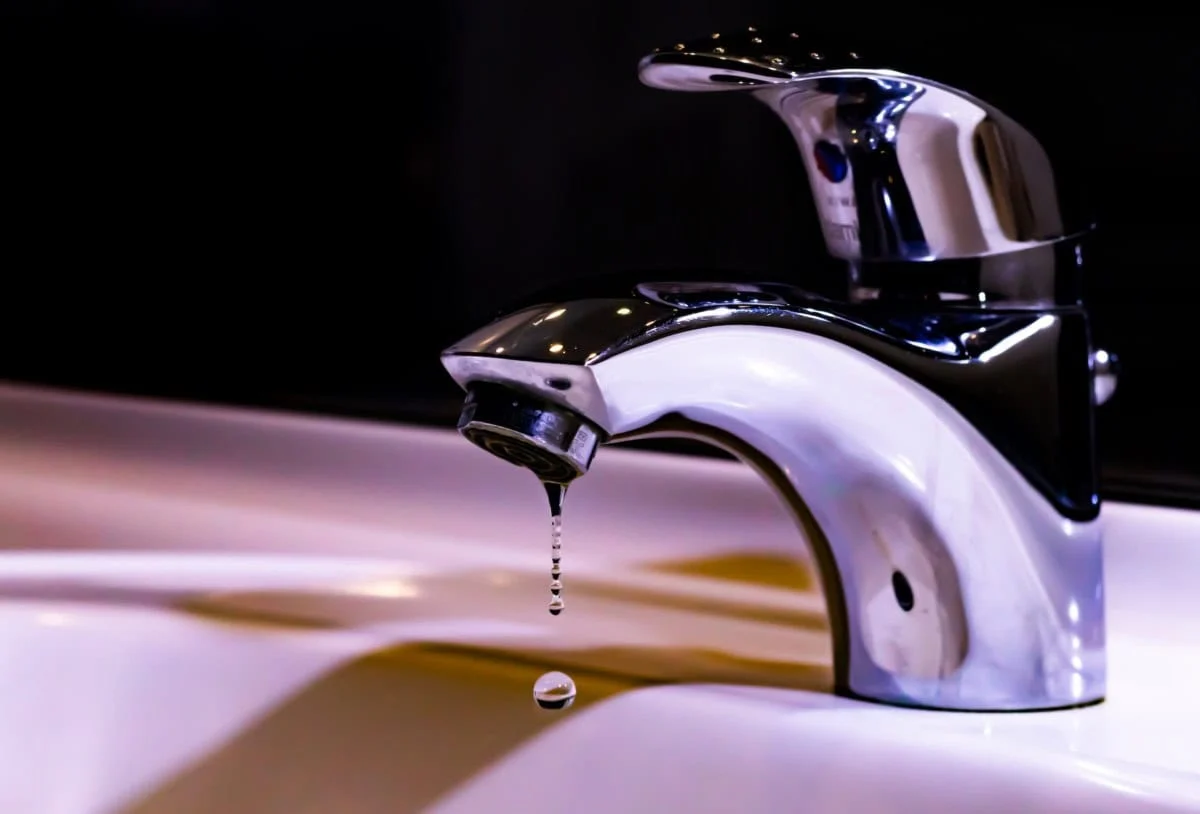
From the rhythmic, maddening drip of a kitchen faucet in the dead of night to the sudden, sweltering realization that your HVAC has failed in the peak of July, rental life is punctuated by unexpected maintenance hurdles. For the millions of Americans living in leased properties, understanding the intricate boundaries of maintenance responsibility is not merely a matter of convenience—it is a financial and legal safeguard. When a dishwasher begins emitting a concerning metallic grind or a mysterious stain appears on the ceiling, knowing exactly who is responsible for the fix can prevent unnecessary stress, costly out-of-pocket expenses, and protracted disputes with property management.
Whether you are navigating the competitive rental landscape of Seattle, Washington, or searching for a loft in the historic neighborhoods of Chicago, Illinois, the fundamental tenets of landlord-tenant maintenance remain consistent. While individual state laws and specific lease agreements provide the final word, the general rule is clear: landlords are legally bound to provide a safe, habitable environment, while tenants are responsible for maintaining the unit in a clean, damage-free condition. The friction, however, almost always arises in the "gray area" of day-to-day upkeep.
What Constitutes Apartment Maintenance?
At its core, apartment maintenance encompasses the broad spectrum of repairs and upkeep required to keep a rental unit—and the surrounding building infrastructure—functional, secure, and legally compliant. In most professional apartment communities, this is managed by an on-site maintenance team or a network of vetted contractors.
The division of labor is codified in your lease agreement. Before signing, tenants should view the lease as a technical manual for their residency. "The lease is your primary point of reference," says Miles Lerner, CEO of Shuk Rentals. "It outlines the specific obligations of both parties. When in doubt, start there."
The Scope of Landlord Responsibility: Core Systems
The general consensus among housing authorities is that the landlord maintains ownership of the building’s "core systems"—the foundational elements that were present when the tenant moved into the unit. If it is a structural component or a built-in amenity, it is almost certainly the landlord’s burden to keep it operational.
Heating, Ventilation, and Air Conditioning (HVAC)
Legally, landlords are almost universally required to provide a functional heating system, particularly in regions where winter temperatures pose a health risk. Air conditioning is a more complex subject; while not always a legal requirement in every jurisdiction, if an AC unit was provided by the landlord at the start of the lease, they are contractually obligated to maintain it. However, if a tenant chooses to purchase a portable unit to supplement the building’s climate control, the maintenance of that appliance falls entirely on the tenant.
Plumbing and Electrical Infrastructure
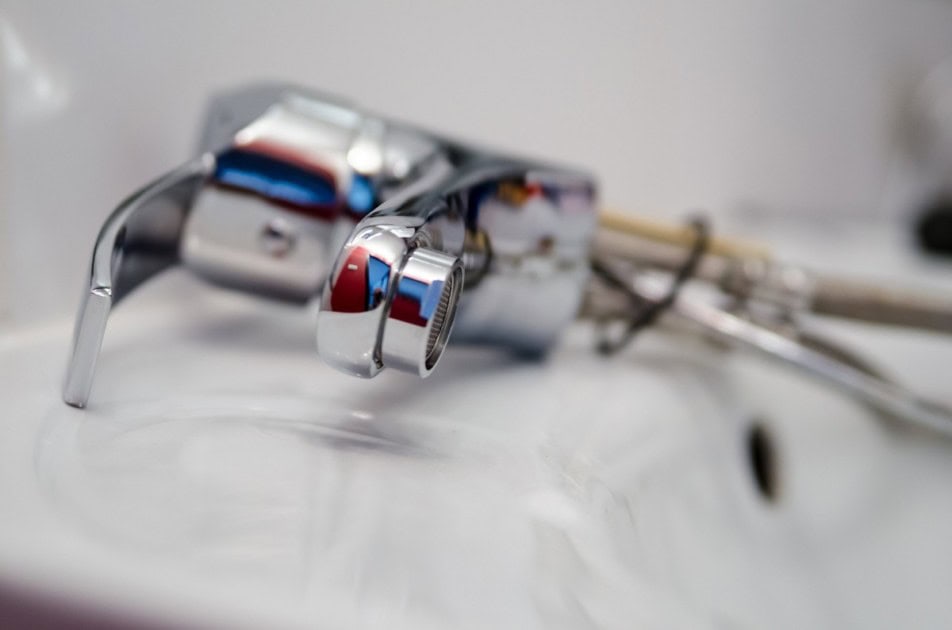
Plumbing issues—ranging from running toilets and leaking pipes behind walls to broken showerheads—are strictly the landlord’s domain. Similarly, electrical failures, such as malfunctioning outlets or broken switches, require professional intervention. Landlords generally do not expect tenants to perform electrical work beyond the simple act of replacing a light bulb. Any task involving the wiring or the electrical panel is a maintenance-level responsibility.

Built-in Appliances
If the refrigerator, stove, oven, dishwasher, or in-unit laundry machines were included in the rental price upon move-in, they are the landlord’s responsibility. This covers the natural decline of these machines due to standard usage.
Security and Safety Systems
Safety is non-negotiable. Landlords are required to ensure that all exterior doors have working, secure locks. Furthermore, they are responsible for the installation and testing of life-safety equipment, including smoke detectors, carbon monoxide monitors, and fire extinguishers. If a detector begins "chirping" or signaling a low-battery state, the tenant should notify management immediately. While replacing a battery is a minor task, it is the landlord’s responsibility to ensure the device is functional and compliant with local fire codes.
Pest Control and Common Areas
Significant infestations of pests, such as rodents or cockroaches, fall under the landlord’s duty to maintain a habitable environment. However, the distinction between a professional extermination service and a tenant-led solution often depends on the severity of the issue. Furthermore, common areas—including lobbies, hallways, gyms, and laundry rooms—are the sole responsibility of the building management, encompassing everything from custodial services to exterior landscaping and snow removal.
The Misconception of "Wear and Tear"
A common point of contention between landlords and tenants involves the definition of "damage" versus "normal wear and tear." Suzanne Comer, an association executive at the Lubbock Apartment Association, notes that this is one of the most frequent sources of conflict.
"A lot of people assume landlords are on the hook for every cosmetic imperfection," Comer explains. "But there is a distinct difference between damage and ordinary usage. Scuffed walls, faded paint, or slightly worn carpet resulting from years of living in a space are considered normal wear and tear. You cannot submit a maintenance request to have your carpet replaced simply because it looks ‘old,’ nor should a landlord charge you for that depreciation when you move out."
The Chronology of Neglect: Why Reporting Matters
The most dangerous habit a renter can adopt is the "wait-and-see" approach. When a tenant notices a minor issue—such as a small damp patch on the ceiling or a slow-dripping pipe—the instinct is often to ignore it until it becomes a genuine crisis. This is a critical error.
"A small leak left unreported can become the tenant’s responsibility once it causes secondary damage that could have been avoided," says Lerner. If a tenant notices a leak, fails to report it, and that leak eventually causes extensive mold growth or warped floorboards, the landlord may rightfully claim that the tenant’s negligence caused the escalation.
The Importance of a Paper Trail
Always submit maintenance requests in writing. While a quick phone call might alert a landlord to a problem, it leaves no evidentiary trail. Utilize the building’s online portal or send an email. This creates a timestamped record of when the issue was reported, which is crucial if the problem remains unresolved and evolves into a legal dispute.
Defining Emergency Maintenance
Not all maintenance requests are created equal. Emergency maintenance is defined as any situation that renders a unit immediately unsafe or uninhabitable. If you encounter the following, you must contact your property manager or their emergency line immediately:
- Major Plumbing Failures: A burst pipe or a sewage backup.
- Total HVAC Failure: In extreme weather conditions where the unit becomes unsafe for occupancy.
- Security Breaches: A door or window that will not lock, leaving the unit vulnerable to intruders.
- Electrical Hazards: Exposed wires, sparking outlets, or a total loss of power that is not caused by a utility company outage.
- Fire or Flood: These require immediate reporting, and if there is a threat to life, 911 must be called first.
Many apartment communities provide a 24/7 emergency hotline. It is highly recommended to save this number in your contacts immediately upon signing your lease.
Implications: The Financial and Legal Reality
Understanding the division of labor in apartment maintenance is about more than just keeping the lights on; it is about protecting your deposit and your rights. When both parties understand their roles, the relationship between landlord and tenant is significantly more stable.
According to data on property management, the most successful tenancies are those where communication is proactive. When a tenant provides clear, specific information about a problem—including the location, the nature of the defect, and any relevant photos—the maintenance team can resolve the issue with minimal disruption.
Summary Checklist for Tenants
To ensure you are protected, keep this guide in mind:
- Document Everything: Always keep written records of maintenance requests.
- Report Early: Do not wait for a minor issue to become a major repair.
- Know Your Lease: Understand what your specific landlord considers "tenant-responsible" versus "landlord-responsible."
- Use Proper Channels: Use the designated online portal or email address rather than casual text messages or verbal requests.
By shifting the perspective from "who is to blame" to "how do we solve this," both landlords and tenants can ensure that the rental experience remains professional, efficient, and, most importantly, livable. Whether you are moving into your first studio or transitioning into a long-term home, mastering the maintenance process is an essential skill for the modern renter.