In the fast-evolving landscape of electric vehicles, where manufacturers often compete to outdo one another with aggressive, angular, and increasingly polarizing styling, Polestar is choosing a different path. Under the guidance of its newly appointed head of design, Philipp Römers, the Swedish EV brand is pivoting toward a philosophy defined by approachability and elegance. This shift, set to be unveiled through the "Formula 2030" concept in October, marks a critical turning point for a company looking to transition from a niche performance brand to a mainstream premium powerhouse.
The Core Mandate: Design That Invites, Not Intimidates
Philipp Römers, who stepped into his role at Polestar in January 2025, has issued a deceptively simple directive to his design team: "Do not scare people." In an industry currently obsessed with "confrontational" design—think massive, gaping grilles and jagged, aggressive body lines—Römers is advocating for a return to super-attractive, human-centric aesthetics.
This is not a abandonment of Polestar’s identity, but rather a maturation of it. Römers describes the upcoming Formula 2030 concept as "a bold evolution built on our values" rather than a clean break from the past. By prioritizing visual harmony over shock value, Polestar aims to capture a broader demographic—buyers who appreciate the high-tech nature of an EV but are alienated by the "robotic" or "predatory" faces currently dominating the segment.
Chronology of a Transformation: From Legacy to Future
The roadmap for Polestar’s design evolution is already being plotted through a series of key releases and strategic developments:
- January 2025: Philipp Römers joins Polestar, assuming leadership of the design department with a mandate to refine the brand’s visual identity for the latter half of the decade.
- Ongoing (Pre-2025): The design of the Polestar 4 and other current-generation vehicles was finalized under previous leadership. These models established the dual-blade headlight signature and the trapezoidal grille, which currently serve as the brand’s North Star.
- October 2025: The highly anticipated debut of the "Formula 2030" concept. This show car will act as a physical manifestation of Römers’ new design language, testing public reaction to subtle shifts in surfacing and proportions.
- 2027: The anticipated arrival of the next-generation Polestar 2. This will be the first mass-production vehicle to fully embody the design lessons learned from the Formula 2030 project.
- 2028: The launch of the Polestar 7, a compact SUV intended to round out the brand’s offerings, utilizing the same unified design architecture as the Polestar 2.
The Design Language of Formula 2030: What Stays, What Changes?
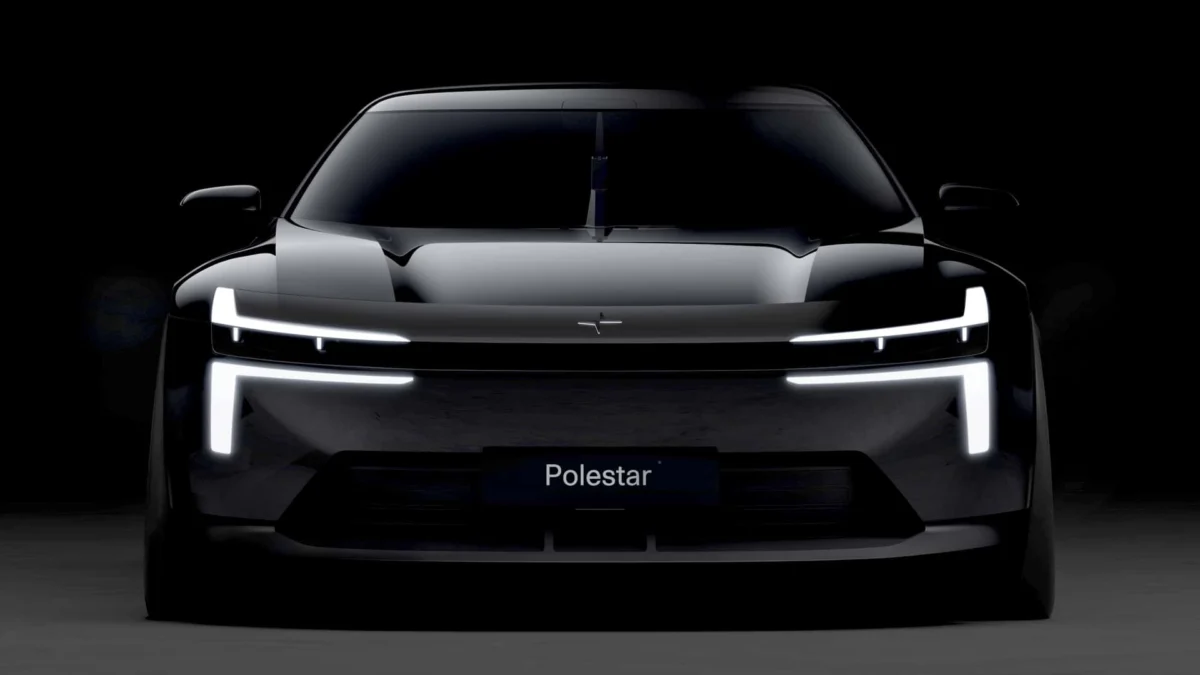
While the industry often chases the "next big thing" in lighting signatures, Polestar is choosing to double down on its successful heritage. The Formula 2030 concept retains the iconic blade-style daytime running lights. According to Römers, these lights have become a core pillar of the brand’s visual DNA; changing them now would be a mistake.
Instead of reinventing the light signature, the design team is focusing on the "sculpture" of the vehicle. The concept maintains a low, wide, and grounded stance—a hallmark of Polestar’s early design studies—combined with slightly cambered front wheels that give the car an athletic, ready-to-pounce aesthetic.
The goal is to maintain the "Polestar look" while adjusting the surfacing to make the vehicles feel fresher and more aerodynamic. By refining the way light plays across the body panels, Römers hopes to achieve a premium aesthetic that feels "ambitious, but not aggressive." This represents a delicate balancing act: keeping the cars recognizable at a glance while ensuring they don’t look like mere iterations of what came before.
Supporting Data: The Stakes for Polestar’s Model Offensive
The design shift is not merely aesthetic; it is a vital component of Polestar’s aggressive growth strategy. The company is currently targeting 100,000 annual global sales, a significant jump from the 60,000 units recorded in 2025. To achieve this, the brand must successfully compete with established premium titans like BMW and Mercedes-AMG.
Historically, Polestar’s appeal has been rooted in its minimalist, Scandinavian design language. However, as the market becomes saturated with EVs, the challenge is to scale up production without losing that "special" feel. The next-generation Polestar 2 and the forthcoming Polestar 7 must serve as a "common design language" that is flexible enough to accommodate the distinct needs of a sedan and a compact SUV.
If the design is too niche, sales will plateau. If it is too generic, it loses the brand cachet that differentiates Polestar from mass-market manufacturers. Römers’ approach of "attractive, not scary" is a calculated move to capture the "middle-ground" buyer—someone who wants the status and performance of a premium brand but prefers the understated confidence of a well-tailored suit over the flamboyant, "look-at-me" design of some of its competitors.
Official Stance and Future Sustainability
Polestar has confirmed that the Formula 2030 concept will explore more than just exterior styling. It will serve as a testbed for new, sustainable materials that reflect the brand’s commitment to a circular economy. The company is expected to preview the concept during a private event in Gothenburg, Sweden, ahead of the public October reveal.
Observers should note that the version unveiled in October may remain a "teaser" study. Much of the final production design will likely be contingent on the feedback received from the press and potential customers during the private exhibition. The company remains tight-lipped about the specific materials involved, but hinted that they are looking into bio-based composites and recycled textiles that fit the brand’s eco-conscious ethos.
Implications for the Industry
The shift toward "friendly" design is an interesting commentary on the current state of the automotive market. For years, designers believed that the electric vehicle needed to look futuristic, jagged, and imposing to signal its technological prowess. Polestar’s decision to move in the opposite direction suggests that the EV market has finally reached a level of maturity.
If Polestar’s "softer" design language resonates with consumers, it could trigger a trend across the premium segment. Buyers are increasingly showing signs of "design fatigue" from the overly busy, angular shapes that have dominated the last five years. A return to clean, approachable lines—supported by the signature blade lights—could be the key to unlocking broader market adoption.
Motor1’s Take: The Verdict
Polestar is in a precarious but exciting position. By sticking to its design guns—specifically the blade-style lighting—while softening the overall aesthetic, the brand is playing a long game. It is not trying to win the race for the most aggressive face in the parking lot; instead, it is attempting to be the most "livable" premium choice on the market.
The success of this strategy hinges on the production version of the next-generation Polestar 2. If the production model can translate the elegance of the Formula 2030 concept into a road-legal vehicle, Polestar will have successfully navigated the transition from a niche enthusiast brand to a formidable competitor in the global luxury market. Watch this space: the October reveal will likely provide the clearest indication yet of whether this "bold, not aggressive" approach is the winning formula for the decade ahead.