For the sixth consecutive year, Toyota Motor Corporation has firmly planted its flag atop the global automotive summit. As the dust settles on the 2025 sales data, the Japanese industrial titan—inclusive of its luxury division, Lexus, and subsidiary Daihatsu—has cemented its status as the world’s most prolific automaker. Yet, while the headline numbers suggest stability, the subtext of the industry tells a far more volatile story: the meteoric rise of Chinese manufacturers is no longer a distant threat; it is a fundamental shift in the global order.
The 2025 Sales Landscape: By the Numbers
The raw data for 2025 paints a picture of a market defined by two distinct speeds. Toyota reported a robust performance, moving approximately 10.5 million vehicles under the Toyota and Lexus brands alone. When factoring in the contribution of Daihatsu, that figure swells to roughly 11.2 million units.
In the rearview mirror sits the Volkswagen Group, the perennial challenger to Toyota’s crown. Despite maintaining a massive global footprint, the German giant recorded approximately 8.7 million vehicle deliveries, excluding full-size commercial vehicles. The widening chasm between the first and second-place finishers illustrates that while Volkswagen remains a dominant force in Europe and parts of Asia, it has struggled to match the sheer manufacturing velocity and global market penetration that Toyota has perfected over decades.
However, the most significant shift in the leaderboard occurred in the lower tiers of the top ten. Chinese automakers have moved from peripheral players to central protagonists. BYD, the battery and vehicle manufacturing juggernaut, secured sixth place globally, shipping 4.6 million vehicles—a 7.72 percent increase over 2024. Not far behind is SAIC Motor, the parent company of the MG brand, which occupied seventh place with 4.5 million units, representing a 12.3 percent year-over-year climb. Meanwhile, Geely, the parent company of Volvo, Polestar, and Lotus, witnessed a staggering 26 percent growth, delivering 4.12 million vehicles to take the ninth spot in the global rankings.
A Chronology of Disruption: The Rise of the New Guard
The ascent of Chinese manufacturers is not a sudden anomaly but the result of a multi-year strategy focused on rapid electrification, vertical integration of supply chains, and aggressive pricing models.
- 2020–2022: The Foundation: During the global pandemic, as traditional manufacturers struggled with semiconductor shortages and supply chain bottlenecks, Chinese firms leaned into their domestic battery production capabilities. While legacy brands were forced to slash production, companies like BYD accelerated their R&D and expanded their production capacity.
- 2023: The Export Pivot: Having saturated the domestic market, Chinese automakers turned their eyes toward international expansion. By leveraging favorable trade agreements and investing in massive shipping fleets, brands like MG and BYD began aggressively targeting Europe, Southeast Asia, and Latin America.
- 2024: The Breakthrough: This was the year that the global market realized the "Chinese threat" was not limited to low-cost economy cars. Advanced technology, high-end infotainment systems, and competitive electric vehicle (EV) ranges began appearing in showrooms worldwide, forcing legacy automakers to rethink their product cycles.
- 2025: The Challenge to the Crown: With three Chinese companies now firmly embedded in the global top ten, the narrative has shifted. BYD Chairman Wang Chuanfu has publicly declared his intent for the company to become the world’s number-one automaker within the next five years. This is not mere posturing; it is a reflection of a company that is currently out-innovating and out-pacing the established giants in the transition to electrification.
Supporting Data: Why Toyota Remains the Benchmark
Despite the rapid encroachment of these new entrants, Toyota maintains a formidable advantage rooted in what the company refers to as "QDR"—Quality, Durability, and Reliability.
John Pappas, Vice President of National Sales, Marketing, and Franchise Operations for Toyota Australia, recently articulated the company’s competitive philosophy in an interview with Drive magazine. According to Pappas, Toyota’s strength is not just in the hardware, but in the intangible asset of brand trust.
"Toyota premium really comes out of product value and the fact that we’re renowned for our QDR," Pappas explained. "Around brand trust in times of uncertainty, people always go to brands they trust. We saw it in COVID, and I feel like our brand trust has really enabled that over a long period of time."
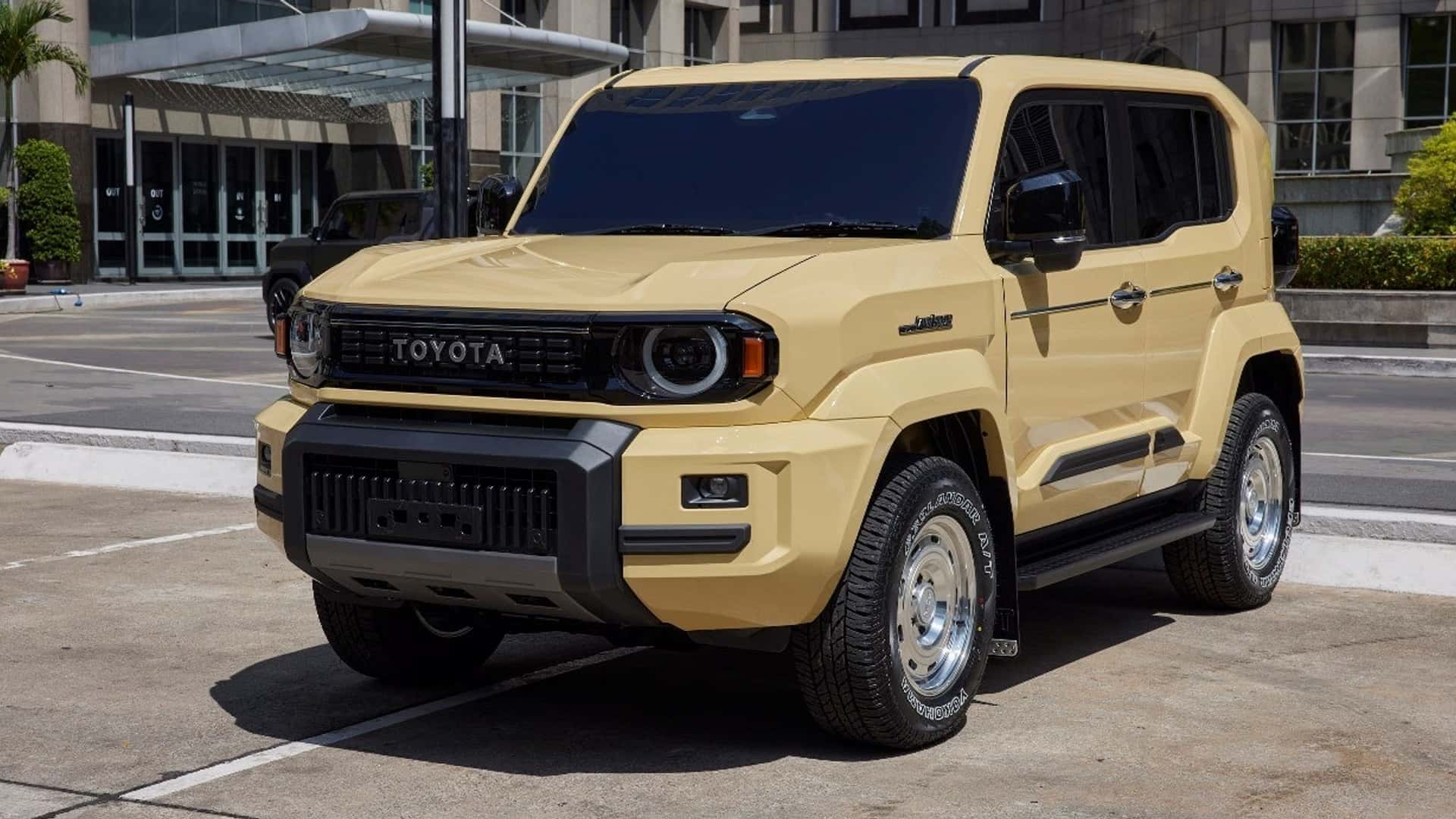
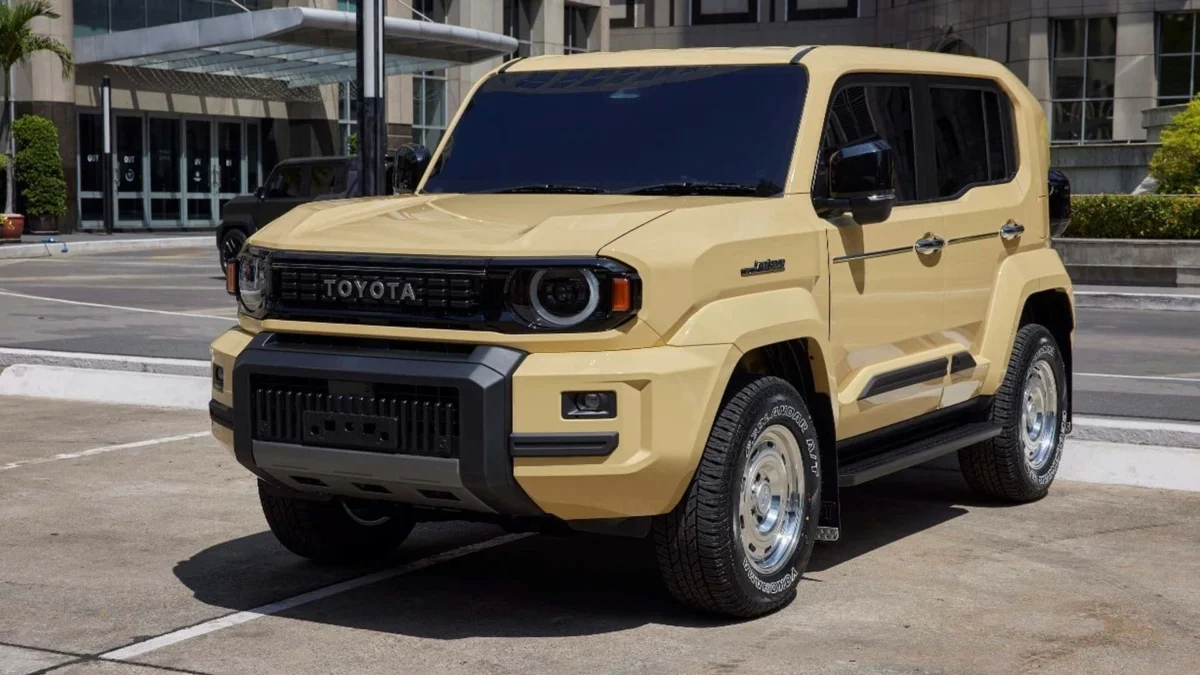
Beyond the vehicle itself, Toyota’s infrastructure remains its most significant moat. The company boasts an expansive, multi-generational dealership network and a comprehensive after-sales support system that provides peace of mind—a factor that newer brands are still working to establish. Furthermore, the residual value of a Toyota vehicle remains among the highest in the industry, providing a tangible financial incentive for buyers to stick with the brand.
Official Responses and Internal Reassessments
While public-facing statements emphasize confidence in their established brand equity, the internal reality at Toyota is characterized by a "sense of crisis."
Earlier this year, in a candid meeting with suppliers, former Toyota CEO Koji Sato provided a stark assessment of the company’s future. "Unless things change, we will not survive," Sato stated. "I want everyone to acknowledge this sense of crisis. Right now, we in the automotive industry are battling for our very survival."
This acknowledgment is a pivot point for the Japanese manufacturer. It indicates that Toyota leadership is fully aware that their historical dominance does not guarantee future success in an era of rapid technological disruption. The company is now actively looking for ways to streamline its operations. Reports suggest that Toyota is considering a "slimming down" of its massive global portfolio, which has become increasingly complex and expensive to maintain as the industry shifts toward a unified software-defined vehicle architecture.
Implications: The Road Ahead
The implications for the automotive industry are profound. The current landscape suggests a potential "bifurcation" of the market:
- The Survival of the Efficient: Legacy automakers that fail to optimize their cost structures—as Toyota is currently attempting to do—risk being hollowed out by Chinese competitors that can produce EVs at significantly lower price points due to state-supported supply chains and lower overheads.
- The Battle for Software Dominance: The next five years will be defined by software. While Toyota leads in manufacturing efficiency and mechanical longevity, Chinese firms like BYD and Geely are currently setting the pace in consumer electronics integration, over-the-air updates, and autonomous driving features.
- Regional Protectionism: As Chinese brands continue to gain market share, we can expect increased regulatory scrutiny in North America and Europe. Tariffs, safety standards, and data privacy regulations will likely be used as tools to shield domestic manufacturers while they attempt to catch up in the EV space.
Conclusion: A Crown Under Siege
Toyota remains the king of the road, but the crown is heavier than it has been in decades. The company’s success in 2025 serves as a testament to its enduring legacy and the loyalty of its global customer base. However, the rapid ascent of BYD, SAIC, and Geely serves as a constant, ticking clock.
For Toyota, the path forward requires a delicate balancing act: maintaining the legendary reliability that built its empire while simultaneously undergoing the most radical transformation in its history. As the automotive industry shifts toward a future that looks less like the mechanical marvels of the 20th century and more like the integrated, electrified platforms of the 21st, the margin for error is shrinking. Toyota has the capital, the brand equity, and the manufacturing prowess to stay on top, but in the high-stakes game of global automotive supremacy, history is rarely a guarantee of the future.