In the sprawling landscape of American snack culture, few items are as ubiquitous as the humble tortilla chip. Whether served as a base for mountains of nachos, a vehicle for vibrant salsas, or simply enjoyed straight from a crinkly bag, the tortilla chip is a cornerstone of the modern pantry. Yet, for all its current dominance—an industry now valued at over $35 billion globally—the origin of this snack is not found in a high-tech corporate test kitchen, but in the resourcefulness of one woman working in a small Los Angeles deli in the 1940s.
The story of the tortilla chip is the story of Rebecca Webb Carranza, a visionary whose refusal to let perfectly good food go to waste sparked a culinary revolution. Her journey from the backrooms of the El Zarape Tortilla Factory to the pantheons of snack food history is a testament to the power of innovation born from necessity.
The Genesis: A Solution to Industrial Waste
The 1940s were a transformative decade for the American food industry, marked by rapid mechanization and an increasing demand for efficiency. In Los Angeles, Rebecca Webb Carranza and her husband operated the El Zarape Tortilla Factory, a bustling enterprise that helped feed a growing population. At the time, the process of mass-producing tortillas relied on early-stage automated machinery. While this equipment allowed for high-volume production, it was far from precise.
The machinery frequently produced "imperfect" tortillas—those that were bent, misshapen, or torn during the pressing and cutting process. In any other industrial setting, these would have been relegated to the compost pile or the trash bin. Carranza, however, possessed an eye for value where others saw only refuse.
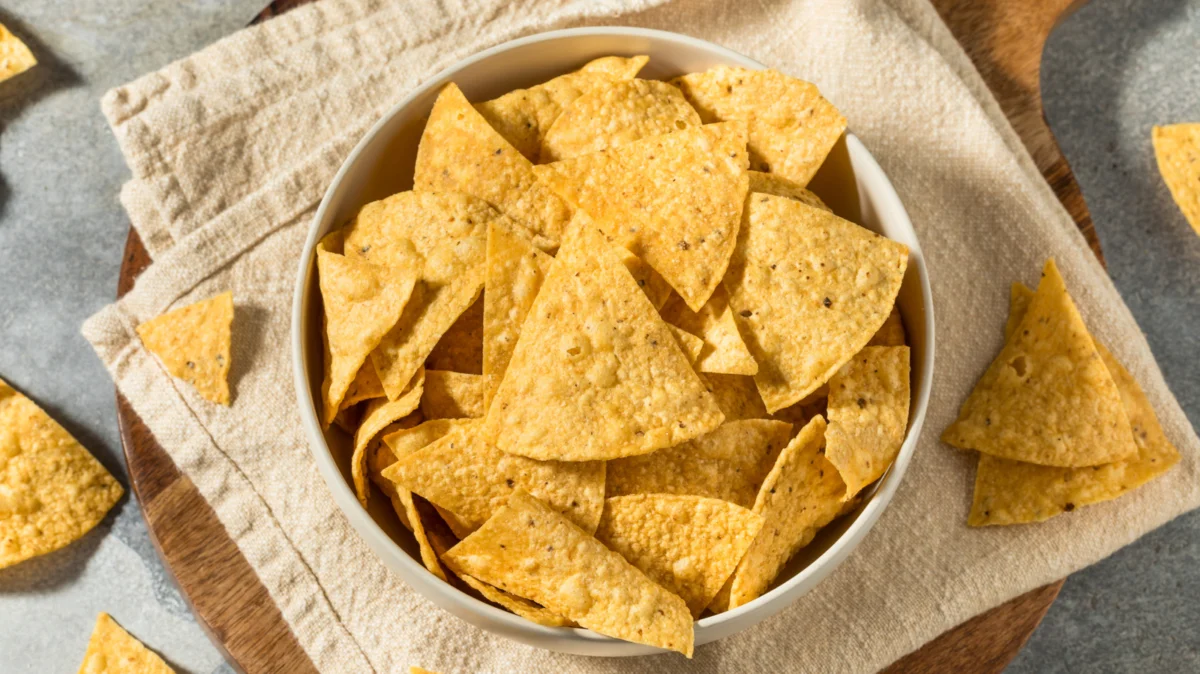
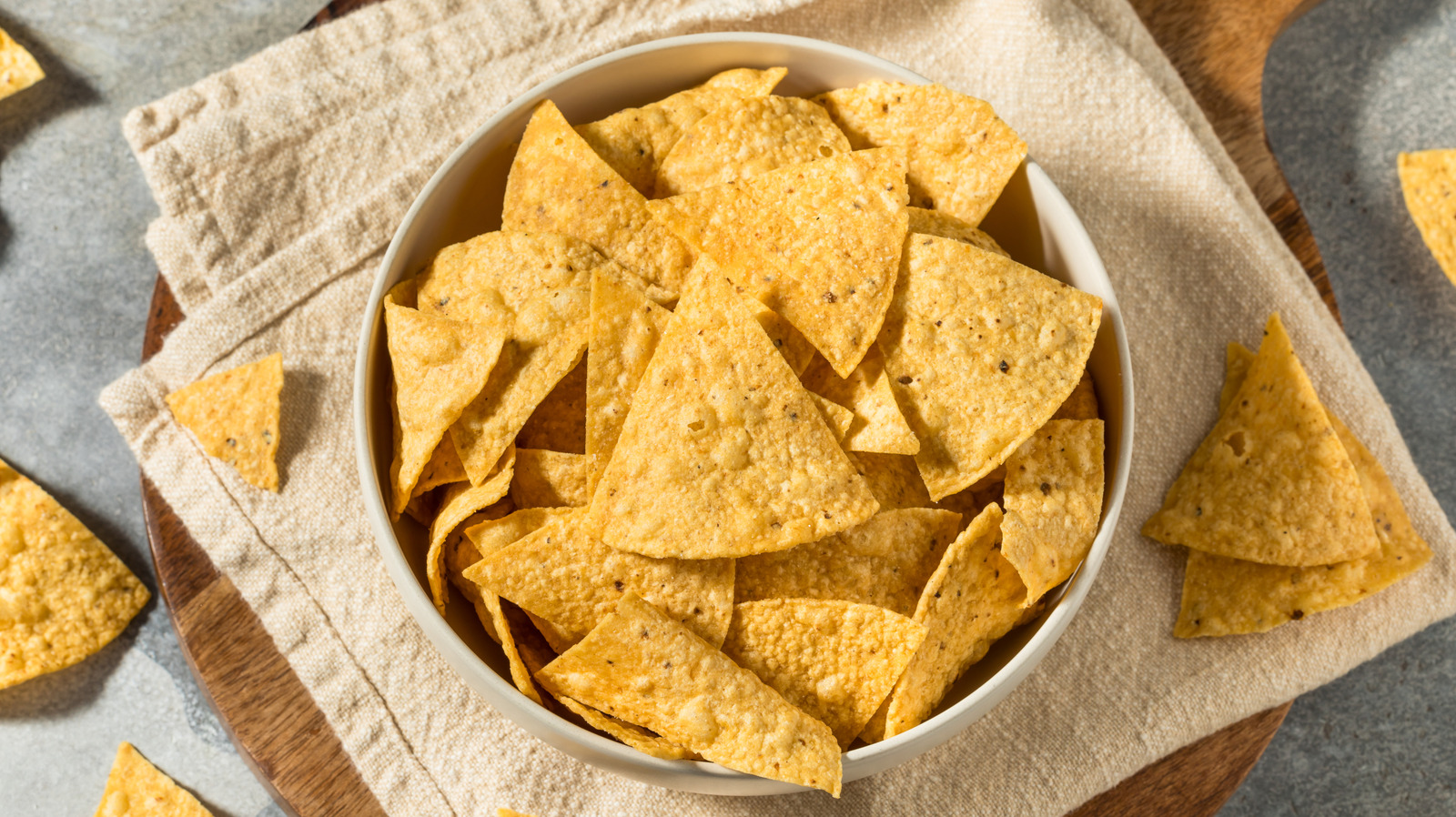
Refusing to accept the loss of raw materials, Carranza began experimenting. She took the discarded scraps, cut them into the now-iconic triangle shapes, fried them to a golden crisp, and seasoned them with salt. When she served these "test" batches at a family gathering, the reaction was immediate and enthusiastic. She realized then that she hadn’t just created a snack; she had created a market.
Chronology: From "Tort Chips" to Global Domination
The trajectory of the tortilla chip can be traced through several distinct eras of innovation and cultural integration.
1940s: The Birth of the "Tort Chip"
Following the success at her family gatherings, Carranza began selling her fried, seasoned triangles at the El Zarape deli. Packaged in simple bags, they were marketed under the name "Tort Chips." At a price point of just 10 cents per bag, they were an accessible, delicious novelty that quickly gained a cult following in the local community.
1960s: Commercialization and the Dorito Effect
While Carranza popularized the fried, triangle-shaped chip, the snack truly exploded into the mainstream in the 1960s. A pivotal moment occurred at Disneyland’s "Casa de Fritos" restaurant, where staff began seasoning the chips with various spices, moving beyond simple salt. This caught the eye of Arch West, an executive at Frito-Lay. Inspired by the potential of a flavored, crunchy corn snack, West oversaw the launch of Doritos in 1966. This marked the transition of the tortilla chip from a local delicacy to a mass-produced, heavily marketed powerhouse.
1970s–Present: Cultural Integration
The 1970s saw a massive shift in the American palate, largely fueled by the publication of Diana Kennedy’s seminal work, The Cuisines of Mexico, in 1972. As the American public became more educated about and enamored with authentic Mexican flavors, the tortilla chip cemented its place as a staple. The rise of fast-food chains like Taco Bell (founded in 1962) further normalized the chip, turning it from an "ethnic" snack into a household necessity.
Historical Context: The Ancestry of the Totopo
While Rebecca Webb Carranza is rightfully credited with the invention of the modern tortilla chip, it is important to acknowledge the long history of corn-based snacks in Mesoamerica. For centuries, the indigenous peoples of Mexico and Central America have produced totopos.
The word totopo is derived from the Nahuatl language—the language of the Aztecs—specifically the word totopochtli, which translates to "something toasted, crunchy, or noisy to eat." Unlike the deep-fried, salty chips we know today, traditional totopos were typically baked until dry and shelf-stable. They served as a practical way to preserve corn tortillas for travel or long-term storage. Carranza’s brilliance lay in the bridge she built between this ancient tradition and the American preference for fried, savory snack foods.
Supporting Data: The Multi-Billion Dollar Industry
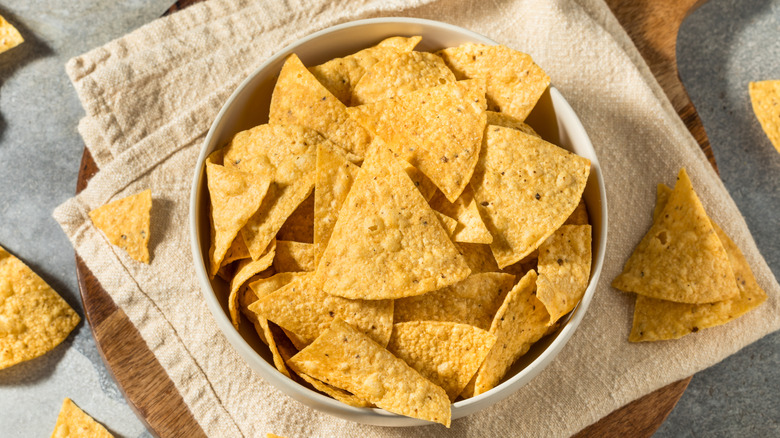
The economic footprint of the tortilla chip is staggering. Recent market analysis places the global tortilla chip market at a valuation exceeding $35 billion, with consistent growth projected through the next decade.
- Market Penetration: Tortilla chips now occupy a significant percentage of "salty snack" shelf space in supermarkets globally.
- Diversification: The industry has expanded beyond the standard salted variety to include organic, non-GMO, blue corn, sprouted grain, and high-protein variations, catering to a health-conscious consumer base.
- The "Dip" Economy: The success of the tortilla chip is inextricably linked to the massive salsa and guacamole industries. As the chip grows, so too does the demand for fresh and jarred dips, creating a symbiotic relationship that sustains thousands of jobs in the agricultural and manufacturing sectors.
Official Responses and Recognition
For much of her life, Carranza did not see the vast financial rewards that her invention would ultimately generate for major corporations. However, she lived to see her creation become a global icon, passing away in 2006 at the age of 98.
In her later years, her contributions were officially recognized by the City of Los Angeles, which honored her for her ingenuity. While she did not hold the patents that would have made her a billionaire, her legacy is preserved in the millions of households that enjoy her snack every day. Industry experts and food historians often cite Carranza as a quintessential example of "accidental entrepreneurship"—the process by which a simple, practical problem-solving moment evolves into an economic engine.
Implications for the Future of Food
The story of Rebecca Webb Carranza carries profound implications for the contemporary food industry, particularly in the realm of sustainability.
- The Zero-Waste Mandate: Carranza’s story is a foundational lesson in food waste reduction. In an era where the global food system is under intense scrutiny for its environmental impact, the ability to repurpose "imperfect" inventory into high-value products is more relevant than ever.
- Innovation Through Constraints: The history of the tortilla chip demonstrates that innovation does not always require massive capital investment. Often, it requires the creative observation of a process that is already in place.
- The Democratization of Flavor: Because tortilla chips are relatively inexpensive to produce, they remain one of the most democratic snacks in the world. They are found in gas stations, luxury supermarkets, and high-end restaurants alike, proving that a quality product can transcend socioeconomic boundaries.
Conclusion
Rebecca Webb Carranza’s legacy is as crisp and enduring as the snack she invented. From the humble, misshapen tortillas of a 1940s Los Angeles factory to the vibrant, global industry that exists today, her journey reminds us that the most successful products often start with the simplest of questions: What can we do with what we have?
As you reach for your next handful of chips, remember that you are participating in a tradition that spans centuries of Mesoamerican history and the sharp, resourceful mind of a woman who turned a potential loss into a permanent fixture of our collective culinary identity. Carranza may not have claimed the billions, but she certainly claimed a permanent place in the history of human food innovation.