As the 2026-27 college basketball season looms on the horizon, the LSU Tigers find themselves navigating an unprecedented landscape. While the university’s football program has dominated headlines—and courtroom dockets—due to its aggressive pursuit of former NFL talent, head coach Will Wade is orchestrating his own high-stakes drama on the hardwood. With just two months remaining until tip-off, Wade is betting the future of his program on a roster constructed almost entirely through the judiciary rather than traditional recruiting pipelines.
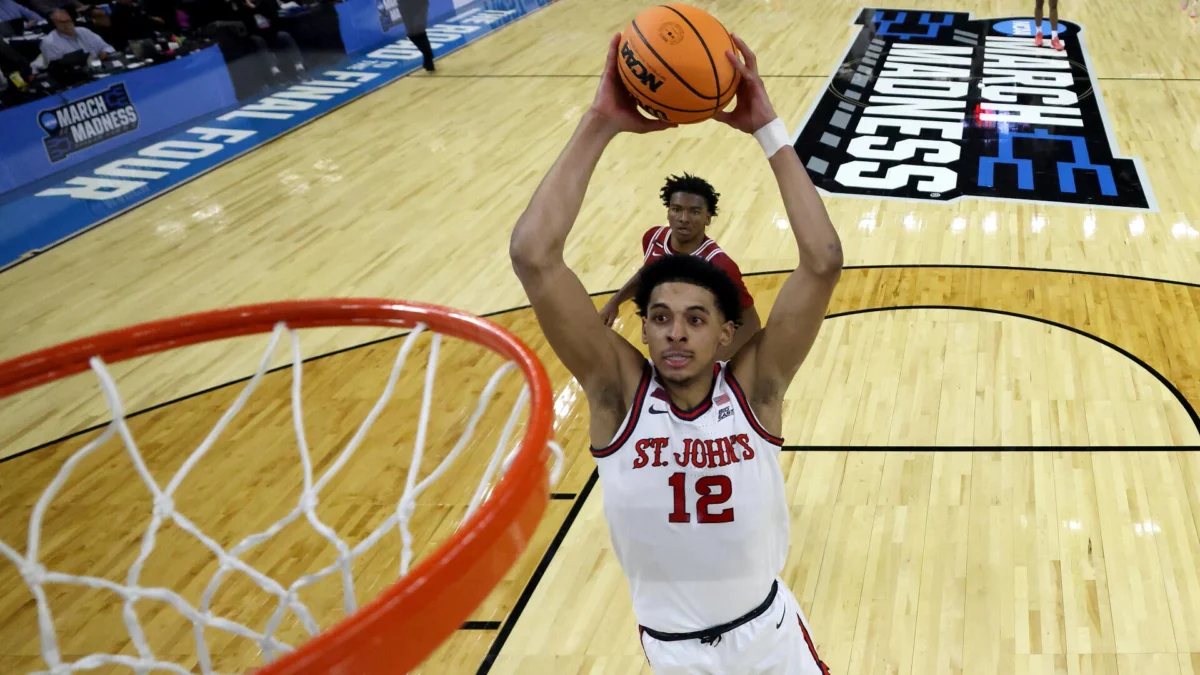
At the center of this maelstrom is RJ Luis Jr., the former St. John’s standout and Big East Player of the Year. His eligibility case has become the most polarizing narrative in college sports, serving as a litmus test for the SEC’s authority and the evolving legal boundaries of collegiate athletic participation.
The Epicenter of Controversy: LSU in the Crosshairs
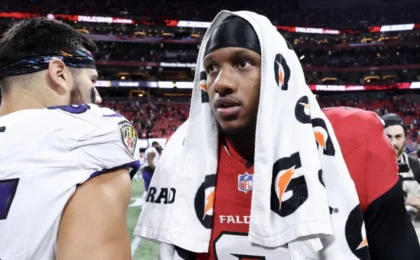
LSU has become the flashpoint for a fundamental shift in how college sports interacts with the legal system. The recent fallout regarding the football team’s attempt to roster former NFL players Dae’Quan Wright and Zxavian Harris triggered a catastrophic response from the SEC, which filed a federal court motion threatening to expel the university from the conference.
The volatility of these events highlights the friction between institutional ambition and governing bodies. While the football roster issues reached a stalemate with the finalization of the 105-player limit, the basketball program remains in a state of suspended animation. Will Wade, known for his relentless and often controversial approach to roster building, is currently relying on a strategy that places his team’s composition in the hands of Baton Rouge judges rather than the NCAA clearinghouse.
Chronology: The Road to the Courtroom
To understand the stakes, one must look at the path that led to the current impasse.
- 2022-2024: RJ Luis Jr. establishes himself as a rising star, beginning his career at UMass before transferring to St. John’s. His breakout performance under Rick Pitino leads to a Big East Tournament title, vaulting him into national prominence.
- Offseason 2025: Despite being projected as a late second-round draft pick, Luis makes the surprising decision to remain in the NBA Draft. He signs a two-way deal with the Utah Jazz, is traded to the Boston Celtics, and eventually remains sidelined for the season due to injury, never making an official NBA appearance.
- August 2026: A Baton Rouge judge grants a preliminary injunction in favor of Luis, clearing a temporary path for him to join the LSU roster.
- September 2026: SEC Commissioner Greg Sankey formalizes his opposition, filing an affidavit to uphold NCAA rules that prohibit athletes from returning to college after declaring for the draft and signing professional contracts. Simultaneously, the SEC adopts new bylaws specifically designed to close the door on "professionalized" athletes like Luis.
This sequence of events has left Luis in a legal limbo, where a court order currently supersedes the conference’s internal regulations.

Supporting Data: A Roster in Flux
The math of Will Wade’s current roster is stark. As of mid-September 2026, LSU officially lists only four active, eligible players: Divine Ugochukwu, Abdi Bashir Jr., Austin Nunez, and Mouhamed Dioubate.
Wade’s recruiting strategy has pivoted heavily toward the international market, securing commitments from high-level prospects including:
- Márcio Santos: Formerly of Maccabi Tel Aviv.
- Saliou Niang: A 2025 NBA draft pick (No. 58) by the Cavaliers who never signed a contract, creating a complex eligibility hurdle.
- Brice Dessert: Recruited from Anadolu Efes.
- Michael Ružić: Formerly of Joventut Badalona.
- Gilad Levy: A 7-foot-3 center from Israel.
The sheer volume of players whose eligibility status remains "unclear" is unprecedented for a Power Four program. Wade is essentially running a "recruiting by litigation" model, where the success of his season is contingent on lawyers winning arguments in courtrooms before he can win games on the court.
The Case of RJ Luis Jr.: Why It Matters
RJ Luis Jr. is not a typical transfer. Unlike players like Skyy Clark or Donovan Dent—who are navigating the standard fifth-year eligibility appeals—Luis represents a new class of "returning professional."
In the modern NIL era, the decision to leave for the NBA and then attempt a return is often viewed as a "bet on yourself" gone wrong. Luis turned down an estimated $1.5 million in NIL earnings to pursue a draft dream that ultimately ended in an injury-riddled season. Now, he stands to be the most impactful player in the SEC if his eligibility holds.
However, his presence creates a systemic threat to the SEC’s power structure. If a player who has already signed an NBA-affiliated contract can be granted a court-ordered return to the amateur ranks, it creates a precedent that the SEC is desperate to block. Commissioner Sankey’s intervention is not just about Luis; it is about protecting the sanctity of the league’s established transfer and eligibility rules against judicial overreach.

Official Responses and Institutional Tension
The friction between LSU and the SEC has reached a fever pitch. The SEC’s legal filings argue that allowing players like Luis back into the fold would undermine the integrity of the conference and create a "two-tier" system where only schools with the appetite for litigation can secure elite talent.
LSU, meanwhile, maintains that its actions are intended to protect the interests of its student-athletes and that the current NCAA/SEC rules are antiquated given the legal reality of Name, Image, and Likeness (NIL) and the blurring lines between professional and collegiate basketball. The silence from other SEC member schools suggests a growing unease; while they may envy the talent LSU is attempting to hoard, they are wary of the scorched-earth policy Wade is pursuing.
Implications: The High Cost of the Gamble
The implications of this strategy for Will Wade and LSU are profound and potentially transformative.
1. The Risk of Roster Instability
If the courts eventually side with the SEC, or if a higher court stays the current injunctions, Wade could be left with a shell of a team. Relying on players who may be declared ineligible in the middle of the season creates a precarious environment for coaching, team chemistry, and long-term development.
2. The "Recruiting by Courtroom" Precedent
If Wade succeeds, he will have successfully exploited a loophole that allows him to bypass traditional recruiting limits by "buying" talent through legal fees and injunctions. This would likely trigger a wave of copycat strategies across the nation, effectively shifting the recruiting budget from NIL collectives to high-priced litigation teams.
3. Impact on SEC Cohesion
The threat of expulsion, however hyperbolic it may seem, underscores a fracturing of the conference. The SEC is the most stable and lucrative league in college sports; for LSU to challenge the conference’s bylaws so openly risks the university’s standing, revenue sharing, and long-term reputation.

4. Competitive Reality
Even if Wade successfully clears every player on his list, talent does not always translate to team success. A group of international players, former draft picks, and domestic transfers who have not practiced together, and who are operating under the immense psychological weight of a legal battle, may struggle to gel. Even with an elite talent like Luis, the "top-three in the SEC" ceiling seems ambitious for a team whose primary identity is currently found in a court of law rather than a basketball practice facility.
Conclusion: Is It Worth It?
The question remains: Is the potential of one or two marquee seasons worth the potential long-term damage to the program’s relationship with the conference?
Will Wade has never been a coach to shy away from high-stakes decisions, but this current gamble feels different. It is not just a tactical play on the recruiting trail; it is a frontal assault on the governance of the sport. As the season approaches, the spotlight will inevitably shift from the courtroom to the arena. Whether that court is in Baton Rouge or the court of public opinion, one thing is certain: LSU’s 2026-27 basketball season will be remembered as the moment college athletics stopped pretending that the law and the game could be separated.
For the Tigers, the final buzzer may not come when the game clock hits zero, but when the final legal appeal is exhausted. Until then, the program remains a volatile, fascinating, and deeply polarizing experiment in the future of collegiate sports.