Introduction: A New Era for Classic Kanto
The release of Pokémon FireRed and LeafGreen on the Nintendo Switch and the upcoming Switch 2 platform in February 2026 served as a nostalgic bridge, reconnecting veteran trainers with the roots of the franchise while inviting a new generation to explore the Kanto region. However, as players began to fill their Pokédexes, a long-standing frustration resurfaced: the rigid isolation of these titles.
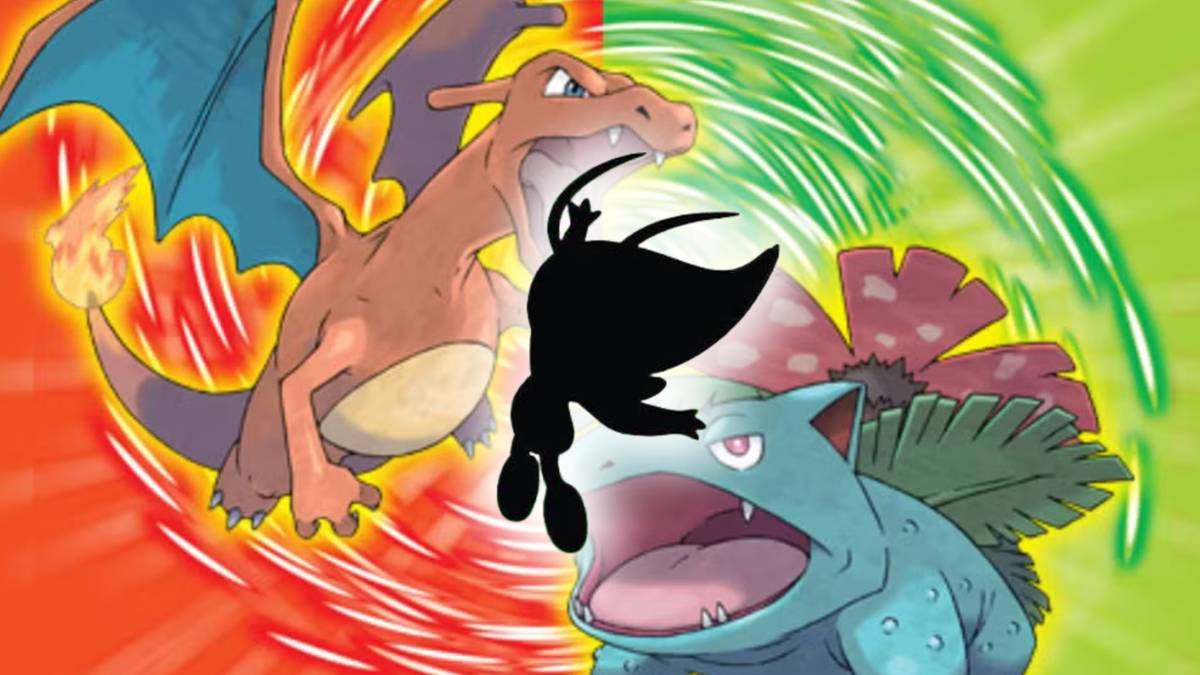
For decades, the Mythical Pokémon Celebi—a staple of the Generation 2 era—has remained elusive in the Kanto remakes. That limitation is now being challenged by a dedicated fan collective known as MercuryEnigma. By successfully engineering custom Mystery Gift events that interface directly with unmodded consoles, the group has effectively cracked the code of the Switch ports, opening the door for custom content, legendary encounters, and a level of interactivity previously thought impossible without full-scale game modification.
The Genesis of the Breakthrough: MercuryEnigma’s Methodology
The breakthrough hinges on a sophisticated understanding of how the Nintendo Switch handles local wireless communications. Historically, the "Mystery Gift" feature in Pokémon games was a closed loop, requiring a specific server handshake or a localized distribution signal from official Nintendo hardware.
MercuryEnigma discovered that the wireless protocol utilized by the Switch ports for FireRed and LeafGreen does not perform a high-level cryptographic verification of the "hosting" console’s identity beyond standard handshake parameters. By utilizing a standard Wi-Fi chip connected to a desktop computer, the team successfully emulated the broadcast signature of an official distribution event.
In their proof-of-concept video, the team demonstrated the injection of a Level 50 Celebi directly into a retail copy of the game running on a standard Switch 2. The process is seamless: the game recognizes the emulated signal, triggers the Mystery Gift interface, and delivers the Pokémon as if it were a legitimate, Nintendo-sanctioned distribution.
Chronology of the "Kanto Modernization" Movement
- February 2026: Pokémon FireRed and LeafGreen arrive on the Nintendo Switch/Switch 2 library, sparking a massive surge in competitive and casual play.
- March–April 2026: The community begins voicing concerns over the inability to obtain "Event-only" Pokémon like Celebi, Mew, or Deoxys within the Kanto engine.
- May 2026: Rumors circulate regarding the upcoming October support for Pokémon Home, which promises a Celebi reward for Kanto completion.
- July 2026: MercuryEnigma begins reverse-engineering the wireless handshakes of the Switch ports, identifying the vulnerability in the Mystery Gift reception protocol.
- August 21, 2026: The team releases a video demonstration confirming that custom event data can be successfully transmitted to unmodded hardware.
Supporting Data: Why This Matters to the Ecosystem
The excitement surrounding this discovery is not merely about obtaining a rare Pokémon; it is about the potential for longevity. While Pokémon Home integration is scheduled for October, allowing players to transfer their Kanto teams to modern titles, it acts as a "one-way street." Once a Pokémon leaves the original FireRed or LeafGreen environment, it cannot return.
Many players were disappointed to learn that the Celebi reward for completing the Kanto Pokédex would only exist in the Home cloud, not within the games themselves. MercuryEnigma’s workaround effectively allows the game to function as a living, breathing environment rather than a static archive. By injecting these events, players are creating a custom "Post-Game" experience that mimics the original Game Boy Advance event culture—where players would travel to physical locations to receive special tickets or rare Pokémon.
The Implications for the Pokémon Community
The ability to inject events into unmodded consoles has profound implications for the fan-game and ROM-hacking communities.
1. The Death of "Content Droughts"
If the MercuryEnigma method becomes accessible to the public, the Kanto region could see a renaissance of custom content. Enthusiasts are already speculating on the possibility of "Mew distributions," "Sevii Island expansions," or even temporary seasonal events that grant unique held items.
2. The Preservation of "Event Culture"
The modern era of Pokémon has largely moved toward digital distributions. The "Event Culture" of the early 2000s—where players had to engage with local wireless or physical trade events—has been lost. This breakthrough allows the community to self-regulate that experience, creating a decentralized distribution network that doesn’t rely on Nintendo’s corporate schedule.
3. Ethical and Security Concerns
While the community is largely enthusiastic, there are questions regarding the long-term impact on the Pokémon ecosystem. If custom events become rampant, will Nintendo/Game Freak patch the wireless protocols in a future firmware update? Furthermore, the potential for malicious data injection remains a concern. While MercuryEnigma’s current work is focused on legitimate Pokémon data, the door is open for "illegal" or "glitched" Pokémon to be introduced into the system, which could eventually bleed into the competitive meta.
Official Responses and Corporate Stance
To date, The Pokémon Company and Nintendo have remained silent on the MercuryEnigma breakthrough. This is a common tactic, as official acknowledgement often serves to draw more attention to fan-made work. However, industry analysts suggest that Nintendo’s legal team is likely monitoring the situation.
In the past, Nintendo has taken a strict stance against software modification. However, because MercuryEnigma is not modifying the game’s internal code—but rather exploiting the intended functionality of the Mystery Gift wireless feature—the situation exists in a legal gray area. The consoles themselves remain unmodded, which makes detection or "banning" users who participate in these custom events significantly more difficult for the publisher.
The Road Ahead: What Fans Should Expect
The project is currently in its nascent stages. MercuryEnigma has stated that they intend to release a comprehensive guide for the public, though they are being cautious about the "ease of use" factor. The goal is to ensure that the process is accessible enough to be useful, but controlled enough to avoid crashing the game’s internal save data.
For the average trainer, the wait is now for a user-friendly interface. If the team can produce a piece of software that simplifies the Wi-Fi handshake, the "Kanto Modernization" movement could quickly become a standard component of the FireRed and LeafGreen experience on Switch.
Conclusion: A Community Reclaiming Its Game
The success of MercuryEnigma is a testament to the enduring passion of the Pokémon player base. When faced with the limitations of a port, the community did not simply accept the constraints—they found a way to rewrite them. Whether this leads to a new wave of fan-driven content or a defensive patching strategy from Nintendo, one thing is certain: the Kanto region is no longer a closed book.
As we look toward the October update and the broader integration of the franchise, the ability to control one’s own destiny in the game—through custom events and self-generated distributions—represents the ultimate form of fan engagement. For now, trainers wait with bated breath, eager to see if they will finally be able to walk through Pallet Town with a Mythical companion, courtesy of their own digital ingenuity.