At 53 years old, I have spent the better part of three decades viewing automobiles through a lens of extreme pragmatism. My life has been defined by a series of automotive concessions: buying for fuel efficiency over excitement, opting for utility over aesthetics, and—perhaps most consistently—choosing used vehicles to avoid the "depreciation cliff." I have always treated cars as appliances, tools meant to get from point A to point B with as little financial friction as possible.
But this year, something shifted. For the first time in my life, I allowed myself to make a significant purchase driven not by necessity, but by the pursuit of pure, unadulterated joy. This is the story of how an unexpected market anomaly turned a regretful SUV purchase into a gateway for a dream car, and why I finally decided that "living a rich life" includes the right to own something that makes you smile.
The "Maxi Cooper" Regret
In July 2020, at the height of the global pandemic, I found myself in the market for a replacement for my trusty 2004 Mini Cooper. I should have stuck to my instincts. Instead, I allowed myself to be talked into a 2019 Mini Countryman SE All4. I paid $35,990 for it, convinced by the logic of "more space" and "modern features."
I immediately dubbed it the "Maxi Cooper." It wasn’t a bad vehicle by traditional standards, but it was a catastrophic mismatch for my personality. I am a small-car enthusiast; I love the nimbleness and the intimate connection to the road that only a compact, lightweight vehicle provides. For two years, I drove the Countryman and tolerated it. It was a chore, a vehicle that felt like a compromise every time I sat behind the wheel. I was an enthusiast trapped in the body of an SUV driver.
A Market Miracle: The Economic Catalyst
The turning point arrived quite by accident. Last month, I took the Countryman in for a routine oil change. While waiting in the showroom, a representative approached me with an unexpected offer: the dealership wanted to buy the vehicle back.
To understand why this was so significant, one must look at the state of the U.S. automotive market. According to data from the U.S. Federal Reserve, used vehicle prices have surged by approximately 55% since July 2020. Even new vehicles have seen an 18% price hike due to semiconductor shortages and supply chain bottlenecks.
The dealer offered me $33,000 for the Countryman—a car I had purchased 26 months prior for $35,990. When I consulted a friend with a background in automotive sales, his assessment was blunt: "It’s not just a good deal; it’s a miracle. It’s as if you leased that car for $115 per month. You should take the offer. Now. Before they change their mind."
The Philosophy of Self-Centered Shopping
With the "Maxi Cooper" gone, I faced a decision. I could stay car-free, relying on my 1993 Toyota pickup and my habit of walking 20+ miles a week, or I could finally stop compromising. I decided to apply a "self-centered shopping" strategy: I would buy exactly what I wanted, regardless of the typical pressures to choose the "sensible" option.
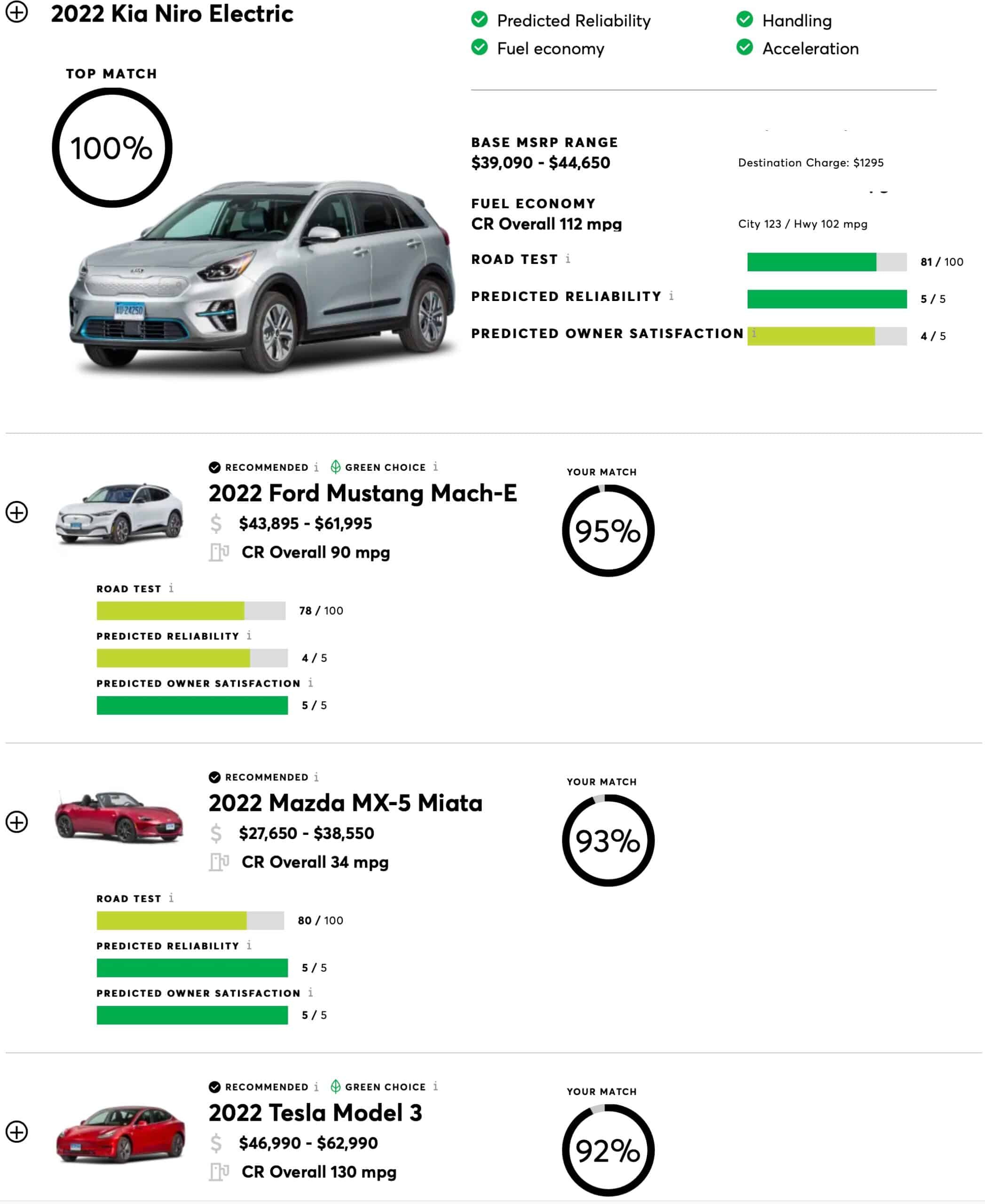
I spent an intense 24 hours researching the market. My criteria were simple but rigid:
- Size: Compact and lightweight.
- Experience: Engaging driving dynamics.
- Satisfaction: High owner approval ratings.
- Aesthetics: A design that sparks excitement.
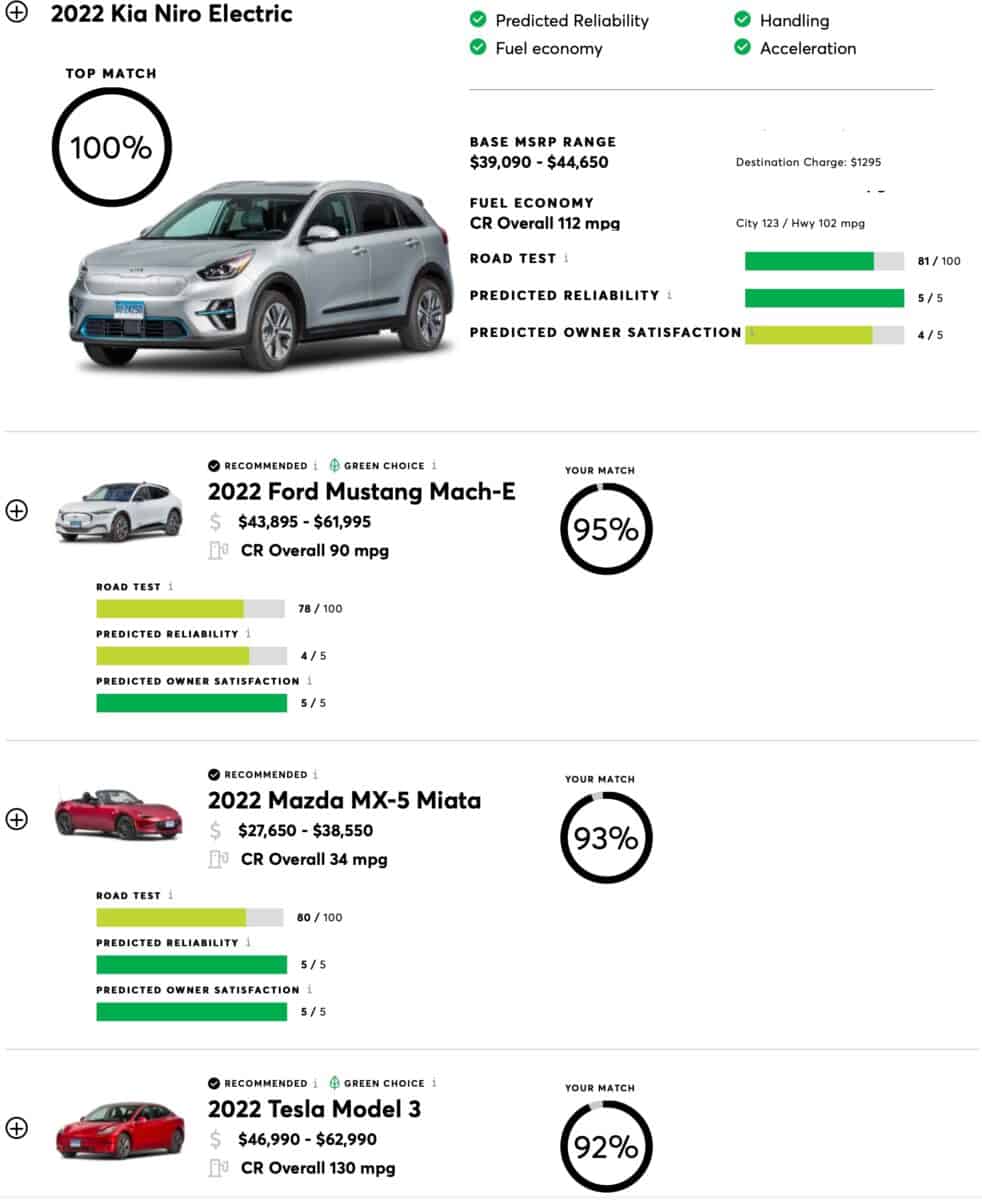
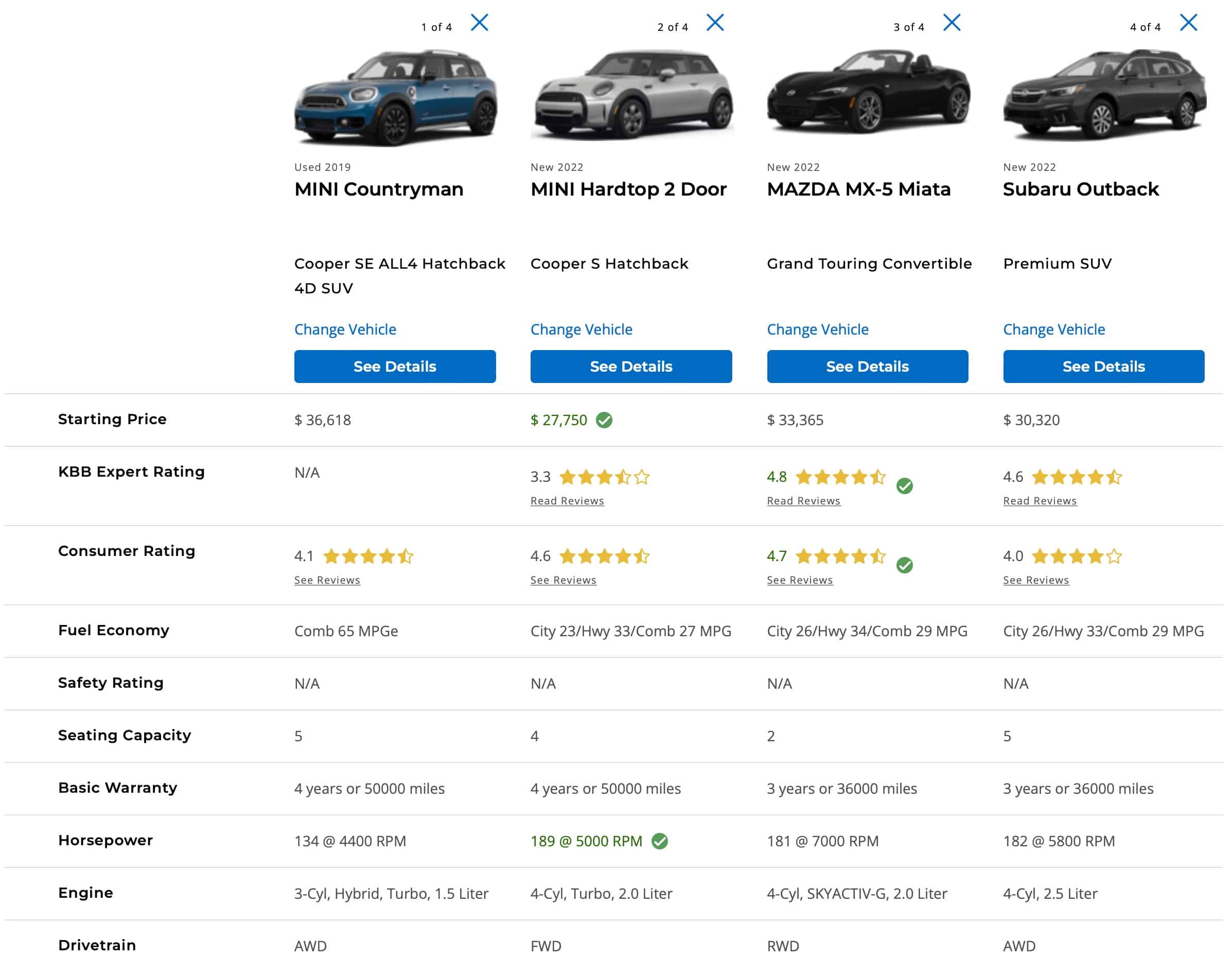
Using Consumer Reports’ car finder, I evaluated several contenders, including the Kia Niro Electric, the Ford Mustang Mach-E, the Mazda Miata, the Tesla Model 3, and the Hyundai Ioniq 5. I quickly eliminated the EVs due to concerns over reliability or excessive pricing. The Mustang Mach-E was disqualified for the same reason the Countryman failed: it was an SUV, not the agile sedan/coupe experience I craved.
The choice became clear: the Mazda MX-5 Miata.
The Case for the Miata
The Miata is, by almost any metric of modern "utility," an impractical machine. It seats only two, offers minimal cargo space, and provides a raw, loud, and unfiltered driving experience. However, the Consumer Reports review hit the nail on the head: "There isn’t a better fun-per-dollar performance car on the market that delivers the Miata’s magic."
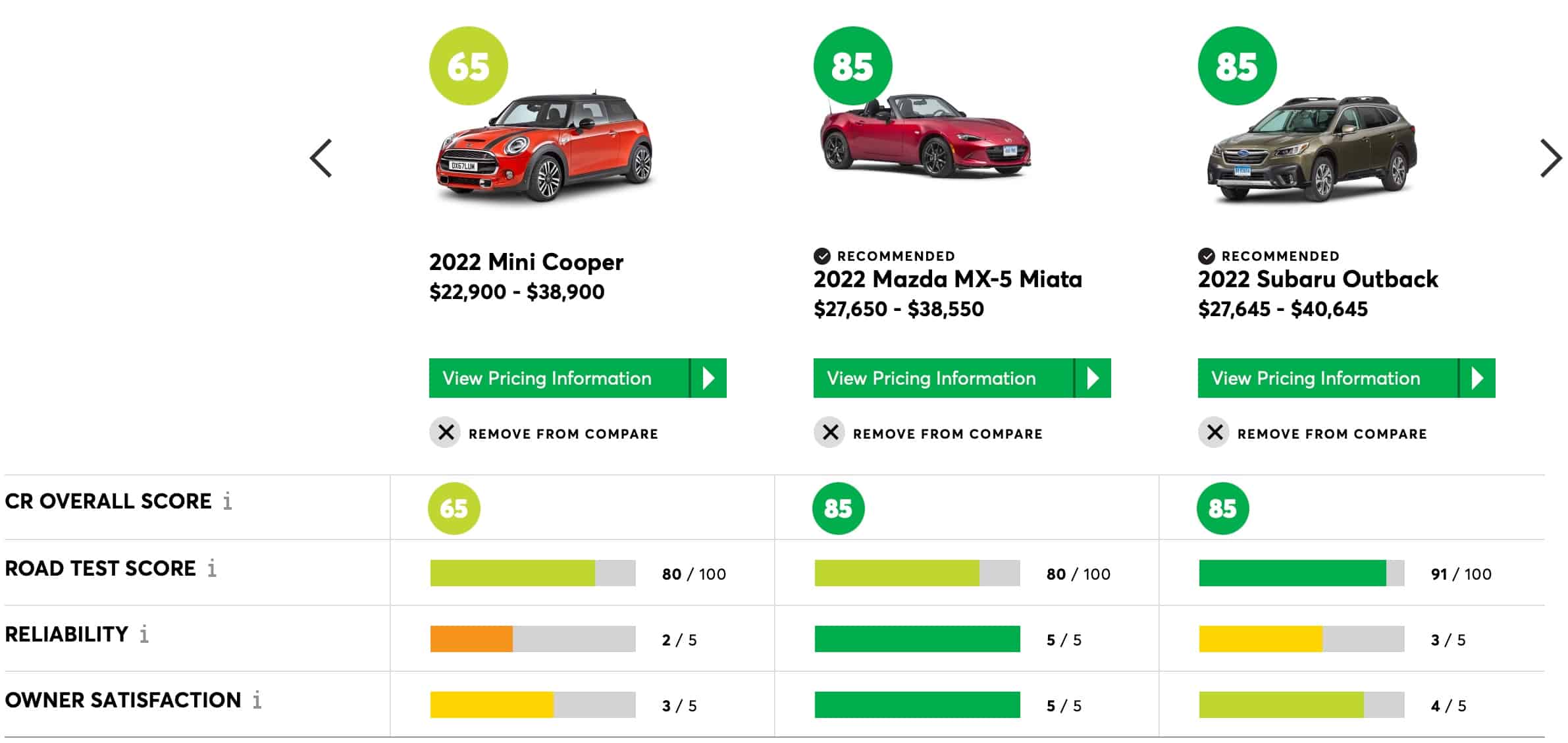
The car offers an intimate connection to the road that modern, bloated SUVs simply cannot replicate. As one automotive YouTuber aptly put it, "It’ll bring joy to your heart every time you drive it." For someone who had spent 53 years compromising on joy, that was the ultimate selling point.
The Dealership Experience: Standing My Ground
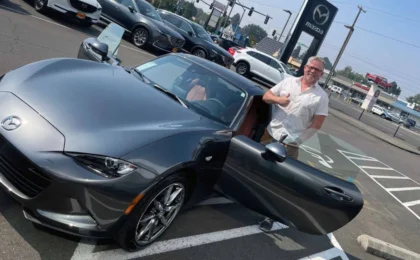
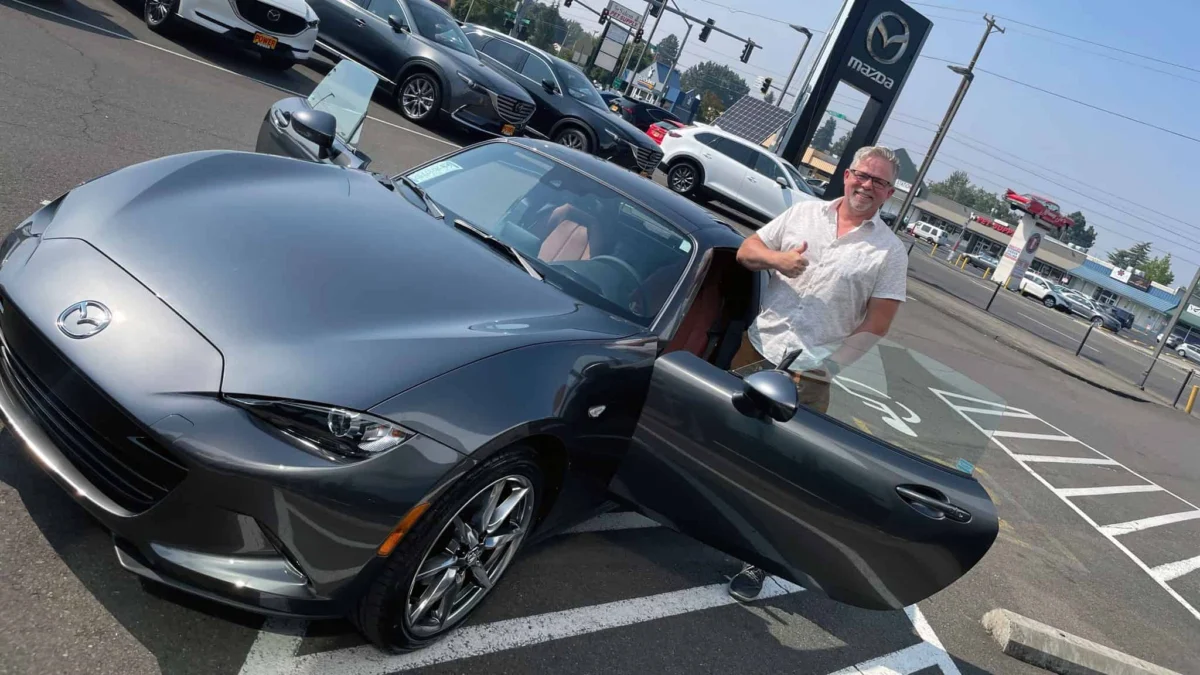
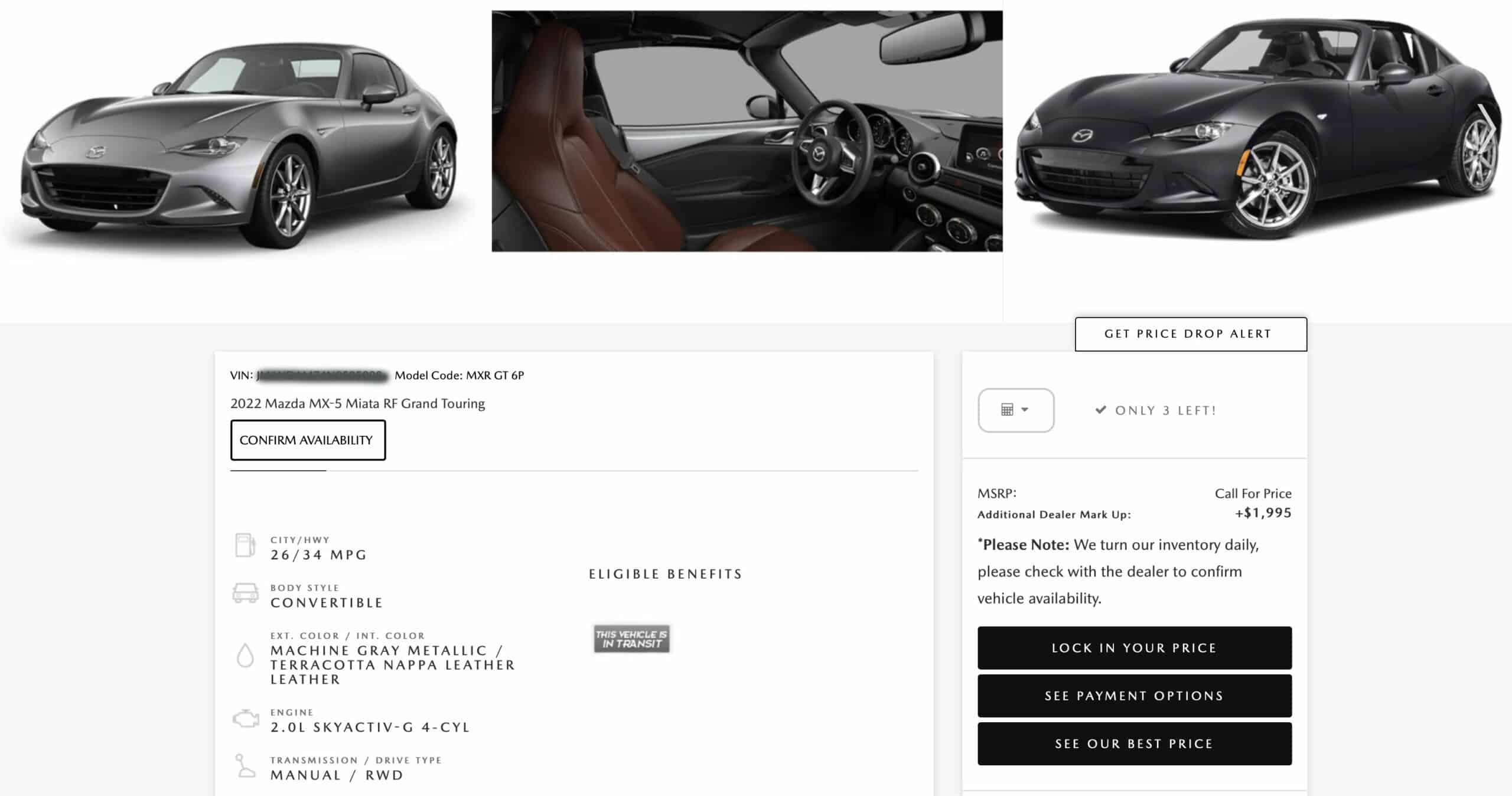
On a late August afternoon, I arrived at the dealership in Salem, Oregon. I had a specific configuration in mind: gray exterior, hardtop, manual transmission. When the salesman attempted to pivot me toward the five Miatas already on the lot—which were red, automatic, or soft-top—I stood firm.
"I’m not going home with a car today," I told him. "You don’t have a car that I want."
The dealer attempted the traditional "four-square" sales tactic, but I held my ground. We reached a tentative agreement on a car currently in transit. The price, including a $1,995 market adjustment, totaled $39,245. While $40,000 is a significant sum, I reframed the equation: Would I rather have the "Maxi Cooper" and $7,000, or a brand-new car that brings me genuine happiness every time I turn the key? The answer was immediate.
Implications: Building a Rich Life
When the car finally arrived, it had only five miles on the odometer. The finance manager remarked that it was the lowest number he had seen in his 30-year career.
Driving home, with the top down on the winding riverside roads of Oregon, I realized that this purchase was about more than just transportation. Growing up in a lower-income household often leaves a psychological scar—a feeling of guilt associated with buying "nice things." For years, I allowed that guilt to dictate my financial decisions, leading me to choose the safer, cheaper, or more "practical" route.
This purchase was a rejection of that scarcity mindset. As financial expert Ramit Sethi often preaches, the goal of managing money is to fund your "Rich Life"—not to hoard it for a future that may never arrive or to live in a perpetual state of compromise.
Conclusion
The Miata is an indulgence, yes. It is an emotional purchase, undeniably. But it is not a "stupid" one. It is a calculated investment in my own quality of life. By selling a car I disliked at a market-peak price and replacing it with a vehicle that aligns with my true preferences, I have managed to find a balance between financial responsibility and personal fulfillment.
I no longer feel guilty. I simply feel the wind in my hair, the precision of the gear shifter, and the joy of a decision well-made. At 53, I have finally learned that the most important thing you can buy with your money is the freedom to enjoy your life.