In an automotive landscape increasingly dominated by the silent, rapid acceleration of electric vehicles, the roar of a high-performance internal combustion engine has become a rare commodity. For enthusiasts, the news cycle surrounding BMW’s "Neue Klasse" project has been largely focused on the brand’s ambitious shift toward electrification. However, beneath the shroud of this electric transition lies a steadfast commitment to the combustion engine—specifically, a new generation of the legendary M3.
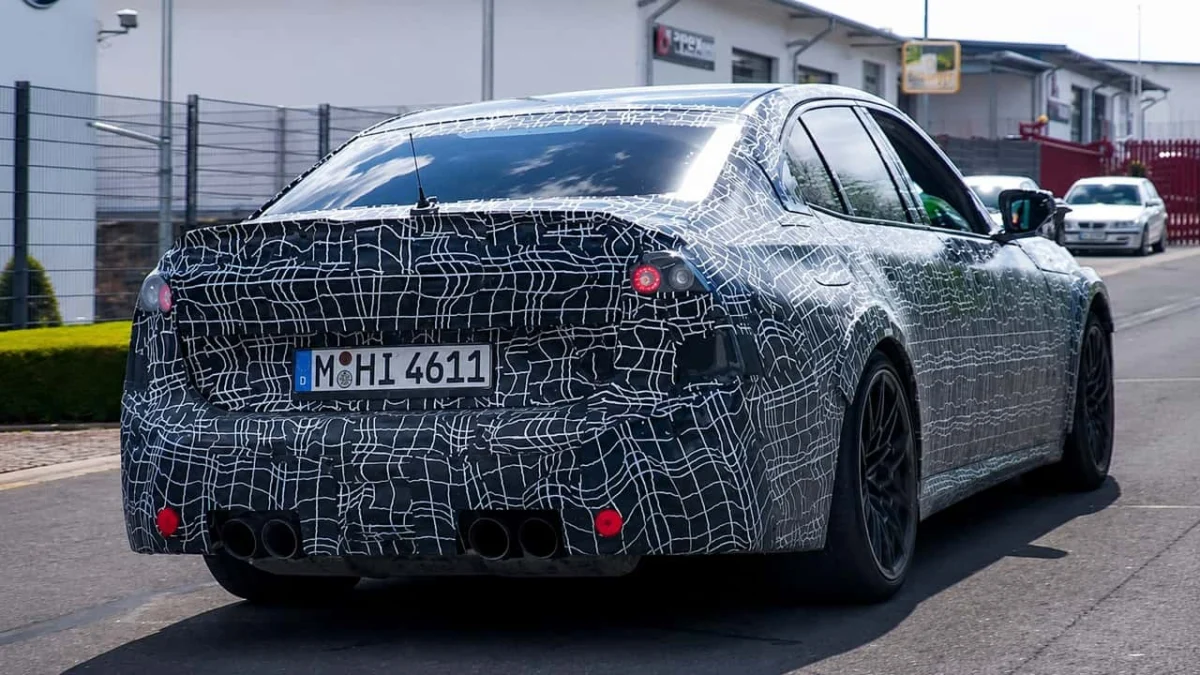
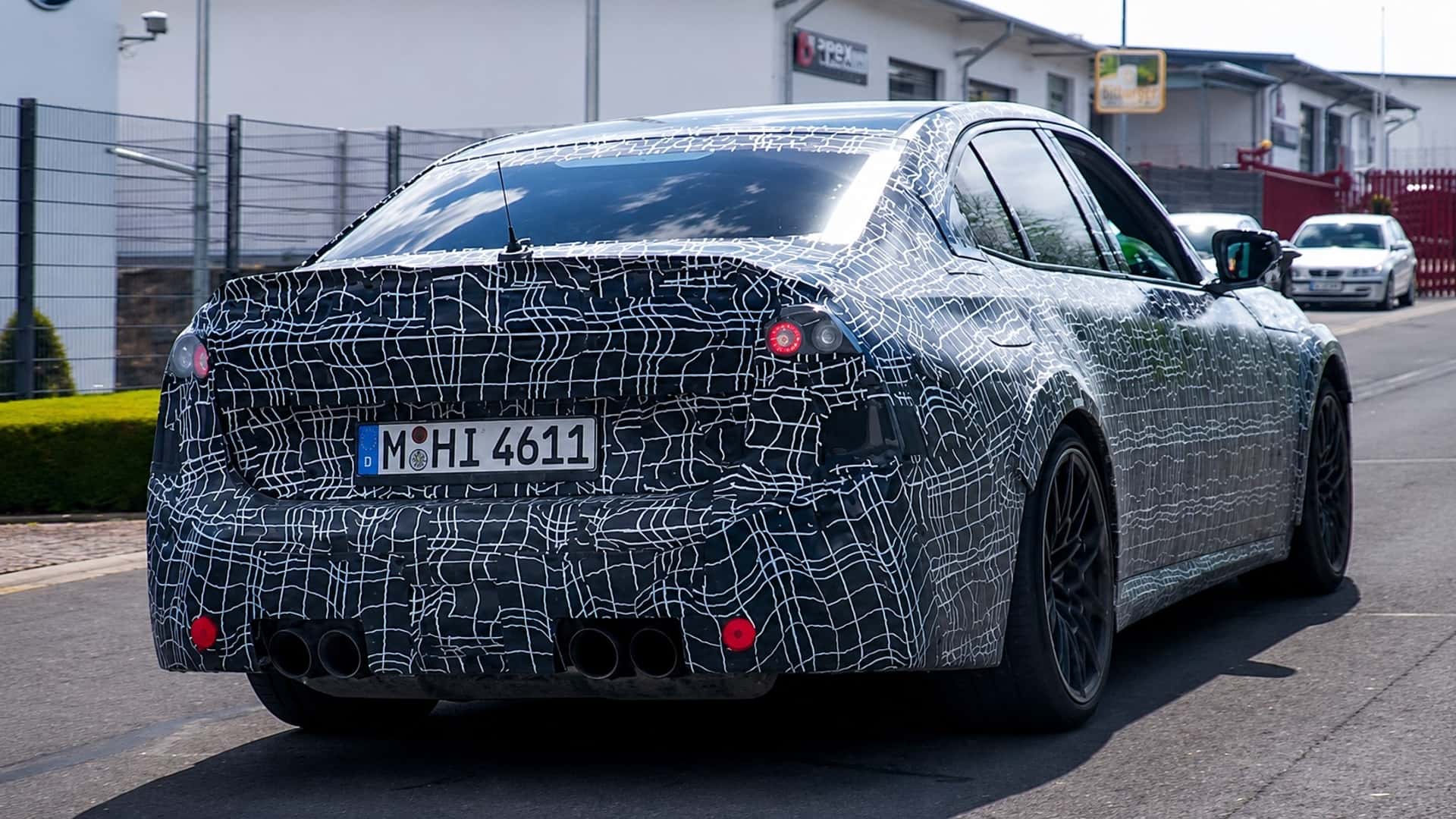
Fresh surveillance footage captured at the legendary Nürburgring by Carspotter Jeroen has provided the most detailed glimpse yet of a camouflaged prototype, confirming that BMW is deep in the development of a combustion-powered successor to the current M3. While the industry is pivoting toward battery-electric platforms, BMW is carving out a distinct path for its performance division, ensuring that the M3 remains a bridge between traditional driving dynamics and the future of performance engineering.
Main Facts: A Commitment to the Inline-Six
The most significant takeaway from the recent testing phase is the confirmation that the next-generation M3 (internally referred to as the "G84") will not follow the path of the M5 by adopting a heavy plug-in hybrid (PHEV) powertrain. Instead, BMW is doubling down on its signature architecture: the straight-six.
Mike Reichelt, Head of the Neue Klasse project, has confirmed that the vehicle will utilize a "new type of six-cylinder engine." While rumors had swirled about a potential shift to a V6 configuration—a design BMW has avoided in production cars for decades—M CEO Frank van Meel has explicitly dismissed these claims. The inline-six remains the heart and soul of the M3, and it is here to stay.
The engineering team is expected to further refine the 3.0-liter twin-turbocharged unit, likely integrating advanced pre-chamber ignition technology. Furthermore, to navigate the tightening net of global emissions regulations, the vehicle may adopt a 48-volt mild-hybrid system. This would allow the engine to remain compliant with Euro 7 standards without sacrificing the visceral engagement that the M3 is known for.
Chronology: From Concept to Reality
The development timeline for the next M3 is a multi-year effort that reflects the complexity of balancing performance with regulatory compliance.
- 2024-2025 (Testing Phase): BMW is currently subjecting early "G84" prototypes to rigorous testing on the Nürburgring, focusing on chassis balance, cooling efficiency, and the refinement of the new engine architecture.
- 2026-2027 (Transition Period): The current-generation M3 (G80/G81) will continue production, likely receiving final updates to maintain its competitive edge as the transition toward the Neue Klasse-based architecture gains momentum.
- 2028 (Anticipated Debut): While official dates remain guarded, industry experts do not expect the new generation to break cover before 2028. This allows BMW to maximize the lifespan of the current iteration while ensuring the new model meets the rigorous performance benchmarks set by its predecessors.
Supporting Data: Engineering for the Future
The decision to continue developing a combustion M3 is rooted in a data-driven understanding of the performance car market. Despite the rapid growth of EV market share, there remains a vocal and affluent segment of consumers who demand the acoustic and mechanical feedback provided by a traditional powertrain.
Technically, the "G84" will be a marvel of modern efficiency. By utilizing pre-chamber ignition—a technology traditionally reserved for high-end motorsport and Formula 1—BMW can extract more power from less fuel while simultaneously lowering tailpipe emissions.
Furthermore, the vehicle’s design language is becoming clearer through the integration of cues from the M Concept Neue Klasse. While the test mule retains provisional headlights and taillights, the aggressive flared fenders and widened track are unmistakable markers of a "full-fat" M car. BMW has confirmed that future M models will share a consistent design DNA, including the distinctive double-yellow headlights and stacked, cube-shaped bumper lighting, ensuring that whether the M3 is powered by electrons or fossil fuels, it will be instantly recognizable as a product of the M division.
Official Responses and Strategic Implications
The strategy behind the next M3 is one of "parallel development." BMW is not forcing a one-size-fits-all solution upon its customers. Instead, they are developing the electric i3 and the combustion-powered 3 Series/M3 on a unified platform structure.
Frank van Meel’s public statements have been consistent: the M division will offer both electric and combustion options for as long as it is viable to do so. This strategy mitigates the risk of alienating the purist demographic while simultaneously capturing early adopters of the electric revolution.
The inclusion of an all-glass panoramic roof on the prototype—alongside the expected availability of a lightweight flax-based natural fiber composite roof—demonstrates that BMW is prioritizing weight reduction and material innovation. This is critical, as even with a mild-hybrid setup, the next M3 must remain agile to justify its existence as the benchmark of the sports sedan segment.
The Potential for the Touring Model
Perhaps the most exciting implication of the new development cycle is the potential for the M3 Touring to expand its reach. With BMW developing a combustion-powered 3 Series Touring alongside the electric i3 Touring, the door is officially open for the M3 Touring to finally land on North American shores. While the company has yet to make a firm commitment, the infrastructure for a gas-powered long-roof M3 is being laid in the German factories, making the prospect of a U.S. launch more plausible than ever before.
Implications for the Industry
The endurance of the inline-six engine in the BMW lineup sends a powerful message to the automotive industry. It suggests that, despite the aggressive decarbonization mandates set by the European Union—which aim for a 90 percent reduction in CO2 emissions by 2035—there is still a pathway for high-performance combustion engines.
The M3’s future is not just about nostalgia; it is about the evolution of the internal combustion engine into a cleaner, more efficient, yet still highly capable power plant. By embracing hybrid assistance rather than full electrification for its performance flagships, BMW is betting that the "driving experience" remains the primary currency of the sports sedan market.
Final Analysis: The Last of its Kind?
As we look toward the middle of the next decade, the reality of the automotive market becomes clearer. The 2028 M3 may well be the final generation of the 3 Series to offer a six-cylinder engine. As emissions regulations tighten further, the economic feasibility of maintaining these complex, high-performance engines will inevitably wane.
However, for the next decade, enthusiasts can rest easy. The "G84" is not a placeholder; it is a declaration of intent. It is a car built for the driver who values the tactile connection to the machine, the symphony of an inline-six, and the heritage of one of the most successful performance nameplates in history. While the world shifts, BMW is ensuring that the M3 does not simply fade away—it is going out on a high note, redefined by the very technology that was once thought to be its end.
In the balance between the electric future and the combustion past, the next M3 stands as a testament to engineering persistence. It proves that with enough innovation, the thrill of the drive can survive even in an era of transition.