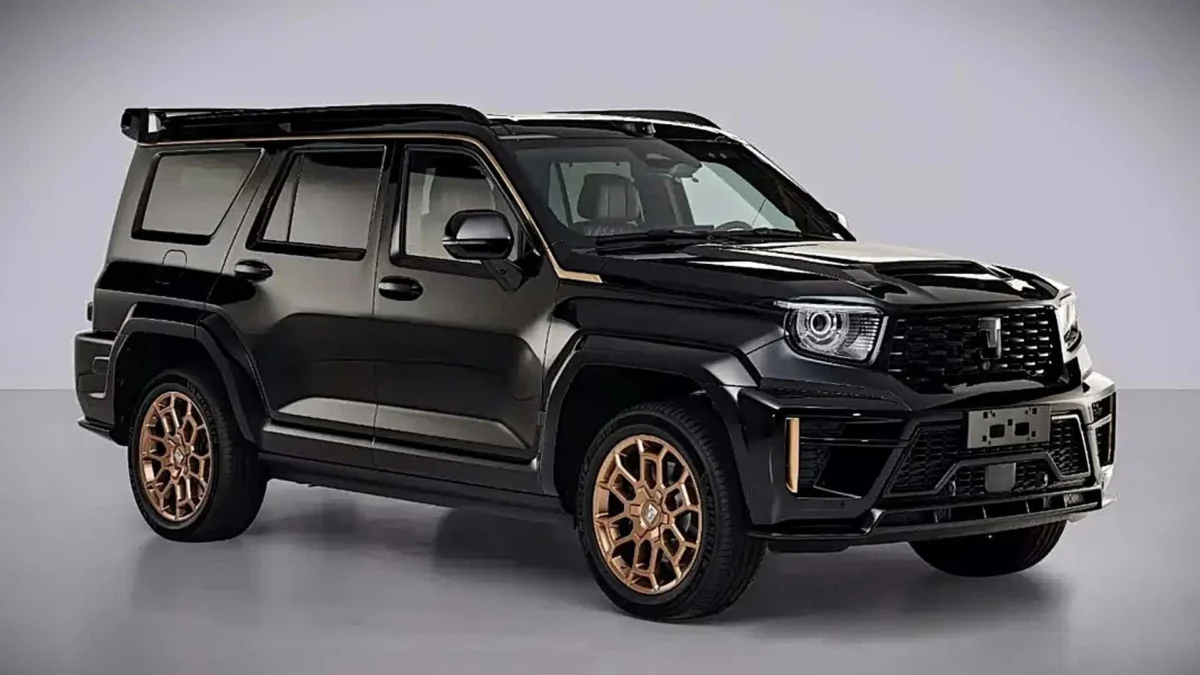
The landscape of China’s ultra-luxury SUV market is undergoing a significant transformation. Great Wall Motor (GWM), a titan of the Chinese automotive industry, has officially signaled its intent to challenge the upper echelons of the segment with the introduction of the Tank 700 Long-Wheelbase (LWB) Edition. Recently surfaced filings from China’s Ministry of Industry and Information Technology (MIIT) reveal a vehicle designed not just for performance, but for presence, offering a level of interior accommodation and road presence that aims to eclipse established rivals, most notably the BYD-backed Yangwang U8L.
The Physicality of Power: Defining the Tank 700 LWB
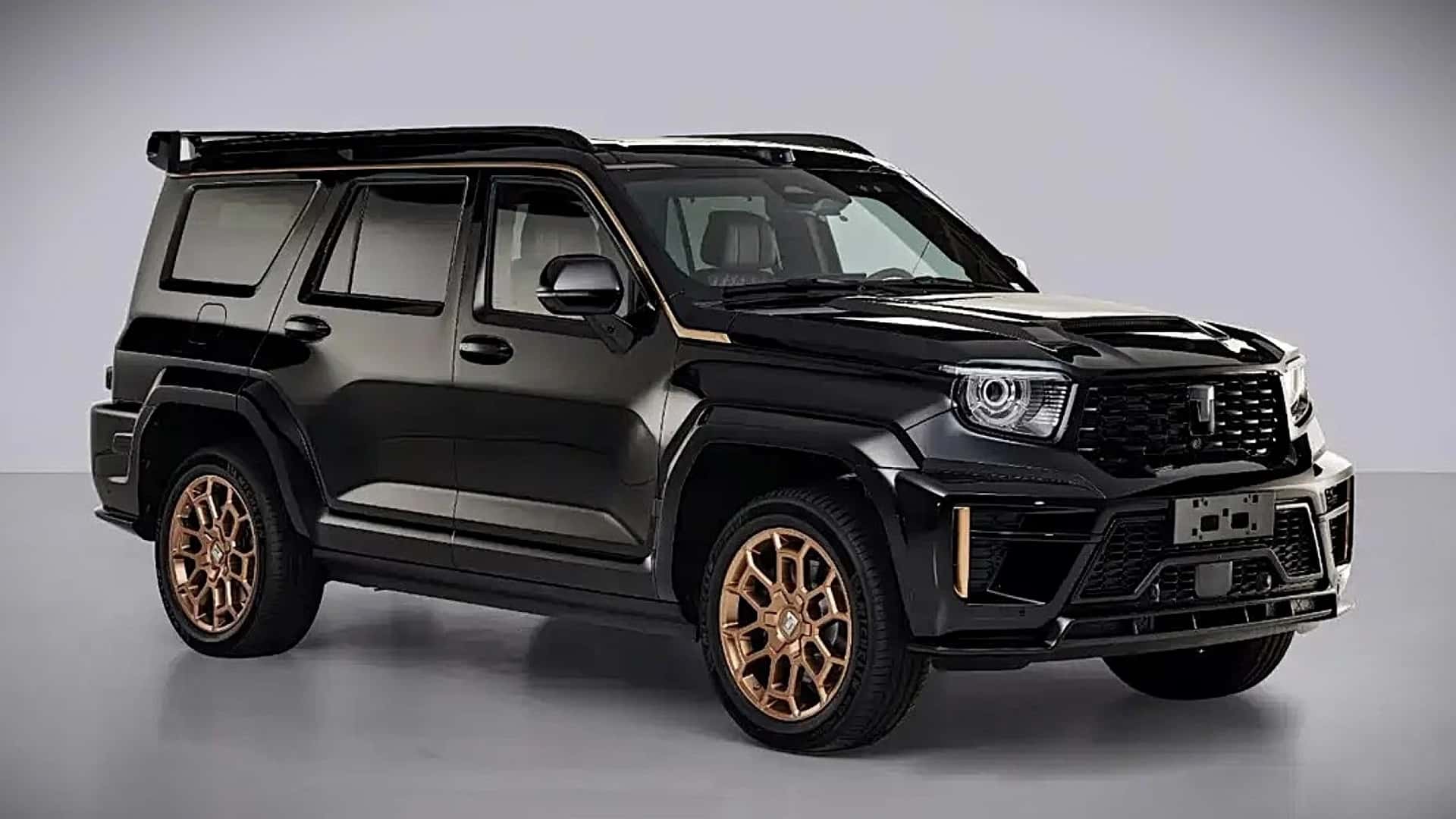
The most striking feature of the new Tank 700 LWB is its sheer scale. According to the MIIT database, the vehicle stretches to an impressive 214.4 inches in length, underpinned by a commanding 124.0-inch wheelbase. This configuration represents a substantial increase of 13.4 inches over the standard Tank 700, positioning it firmly in the "extra-large" category of luxury haulers.
While the standard Tank 700 has garnered a reputation for its rugged, military-inspired aesthetic and off-road capability, the LWB version pivots toward executive transport. For the first time in the nameplate’s history, GWM is introducing a six-seat configuration. By moving away from a traditional bench-heavy layout, the LWB version utilizes a 2+2+2 seating arrangement, featuring two plush captain’s chairs in the middle row. This design choice is clearly aimed at high-net-worth buyers who prioritize rear-seat comfort, mirroring the trend seen in the world’s most prestigious chauffeur-driven vehicles.
Competitive Context: The Battle for the Apex
The filing of the Tank 700 LWB places it in direct, intentional conflict with the Yangwang U8L, currently the flagship off-roader under the BYD umbrella. The Yangwang U8L, which measures 212.6 inches in length, has set the benchmark for size and excess in the Chinese market. By exceeding the U8L’s length by 1.8 inches, GWM is sending a clear message to competitors: the Tank brand is no longer just about utility; it is about luxury dominance.
However, the competition is defined by more than just exterior dimensions. The curb weight of the Tank 700 LWB—ranging from 7,487 to 7,672 pounds depending on the trim—creates a distinct contrast to the Yangwang U8L, which tips the scales between 7,926 and 8,023 pounds. This weight disparity is critical. A lighter frame, despite the increased length, suggests that GWM engineers have focused on maintaining driving dynamics and handling precision, factors that often suffer as vehicles grow in size. Whether this weight reduction translates into superior ride quality remains to be seen, but it provides a tangible point of differentiation for prospective buyers.
Chronology of the Tank Evolution
To understand the significance of this launch, one must look at the rapid ascent of the Tank sub-brand.
- 2021: GWM officially launches the Tank brand as an independent entity, focusing on premium off-road vehicles. The Tank 300 and 500 quickly establish the brand as a force to be reckoned with.
- 2023: The standard Tank 700 Hi4-T is unveiled, showcasing GWM’s ambitions to move into the six-figure price bracket and compete with international luxury icons.
- Early 2024: Market data indicates a cooling in sales for the standard Tank 700. Despite a strong start, domestic deliveries shifted from 2,628 units in May to 2,003 units by July.
- Late 2024 (Current): The MIIT filing for the Long-Wheelbase Edition emerges. This is widely interpreted as a tactical response to the softening sales figures and the aggressive expansion of rival manufacturers like BYD.
The urgency behind this release is palpable. By introducing a variant that offers unique seating and increased physical footprint, GWM is attempting to re-energize the Tank 700 nameplate before the segment becomes saturated by competitors.
Supporting Data: Powertrain and Performance
The Tank 700 LWB offers a bifurcated powertrain strategy designed to appeal to both the modern eco-conscious buyer and the traditionalist.
The Hybrid Frontier: The Hi4-Z System
At the heart of the hybrid variant lies the Hi4-Z system. This advanced plug-in hybrid architecture pairs a 2.0-liter turbocharged four-cylinder engine with a substantial 59-kilowatt-hour battery pack. While GWM has been cautious about releasing final, certified combined output figures, the industry buzz surrounding the Hi4-Z suggests a focus on extended electric-only range. Unconfirmed reports suggest a range of up to 118 miles on the WLTC test cycle, which, if accurate, would place it at the top of the hybrid off-road class.
The Traditionalist’s Choice: The V6
For those skeptical of battery-electric integration in heavy off-road vehicles, GWM continues to offer the twin-turbo 3.0-liter V6. Producing 355 horsepower and 413 pound-feet of torque, this engine is mated to a nine-speed automatic transmission. It remains a reliable, powerful workhorse for those who prioritize the tactile experience of internal combustion over the efficiency of a hybrid system.
A Point of Contention: Towing Capacity
Perhaps the most surprising aspect of the MIIT filing is the listed towing capacity. The Tank 700 LWB is rated for a braked towing capacity of 2,500 kilograms (5,512 pounds). For a vehicle of this size and stature, this figure is undeniably underwhelming. When compared to the smaller Tank 500, which boasts a towing capacity of 3,000 kilograms (6,614 pounds), the LWB version appears to sacrifice utility for its added length and luxury appointments. This could be a significant hurdle for customers who view these SUVs as true multipurpose adventure vehicles.
Implications for the Global Market
The critical question for enthusiasts outside of China is whether the Tank 700 LWB will ever grace international roads. As of now, GWM has remained silent on any global distribution plans.
If GWM chooses to export the vehicle, it will face a different set of challenges. In markets like the Middle East or Australia, where the Tank 500 has seen moderate success, the 700 LWB would need to compete with established giants like the Toyota Land Cruiser and the Range Rover. The "made in China" premium label is still in its infancy in these regions, and the success of the 700 LWB would depend heavily on GWM’s ability to prove its build quality, reliability, and service infrastructure at a global scale.
Strategic Analysis: The Path Forward
The move to launch an LWB version of the Tank 700 is a classic example of "niche filling." By identifying that customers in the ultra-luxury segment demand executive-level rear seating, GWM is essentially attempting to turn a rugged off-roader into a "land yacht."
The company’s ability to maintain its market share in China hinges on its pivot to luxury. With the Yangwang U8L capturing the imagination of tech-savvy, affluent Chinese consumers, the Tank 700 LWB must offer a compelling value proposition that transcends raw specs. If GWM can successfully market the vehicle’s refined interior, hybrid efficiency, and, most importantly, its perceived status as a luxury flagship, it may well stabilize the downward trend seen in the standard 700’s sales.
However, the towing capacity issue and the potential for a high price point may limit the vehicle’s appeal to a very specific demographic. The Tank 700 LWB is a gamble—a bet that size and seating configuration are more important to modern luxury buyers than raw towing power or traditional off-road heritage.
Final Thoughts
As the automotive industry continues to shift toward larger, more electrified platforms, Great Wall Motor’s Tank 700 LWB serves as a barometer for the Chinese market’s appetite for domestic luxury. It is a bold, uncompromising vehicle that attempts to bridge the gap between a workhorse and a limousine. Whether it succeeds in unseating the Yangwang U8L or simply carves out its own distinct niche will be determined in the coming months as the vehicle hits showrooms and begins to reach the hands of consumers. For now, it stands as a testament to GWM’s ambition: a manufacturer willing to push the physical and luxury boundaries of the SUV to ensure it remains a dominant force in the most competitive segment in the world.