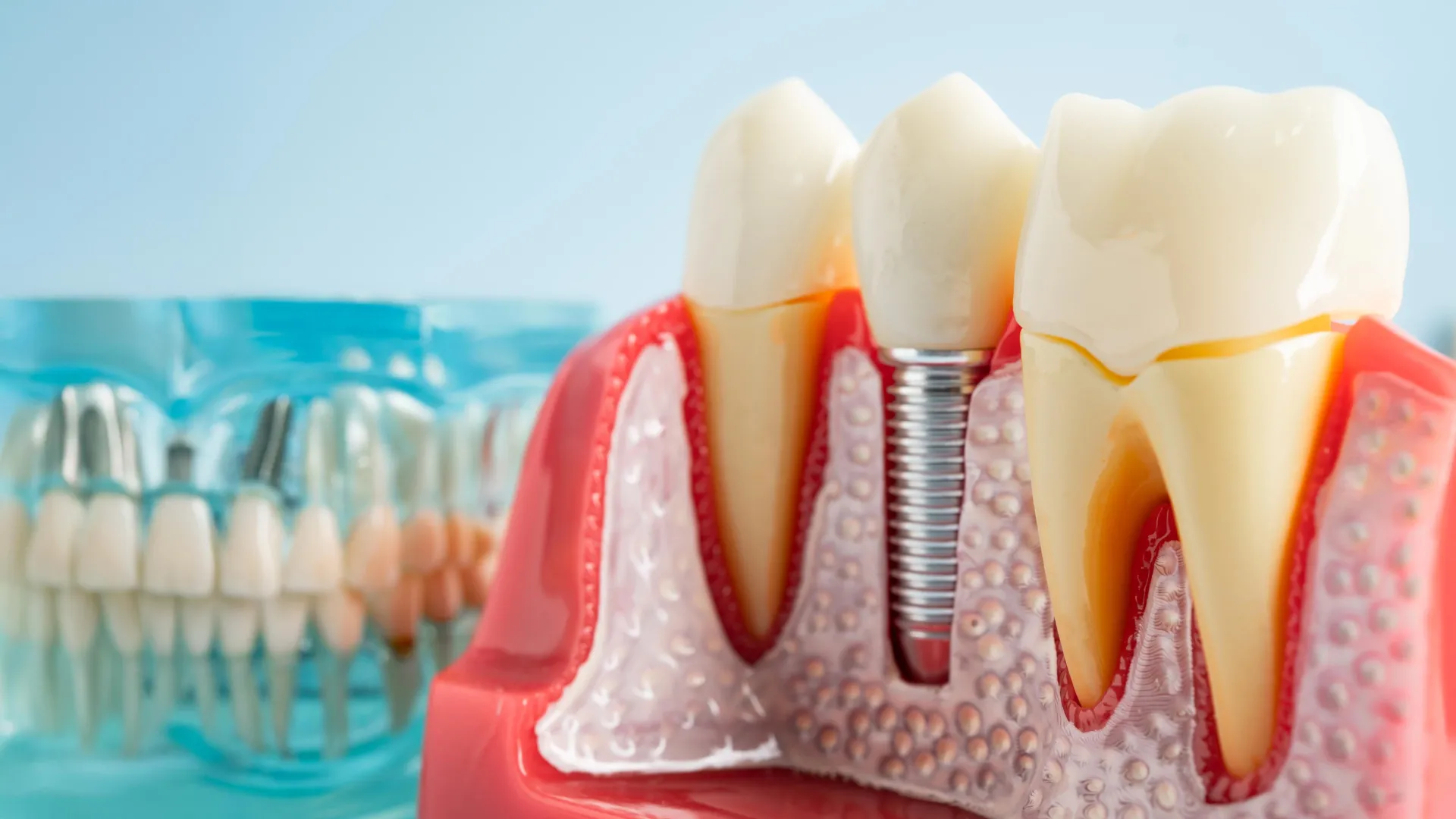
For tens of millions of people worldwide, dental implants have been a transformative medical miracle. By replacing missing teeth with fixed, functional titanium structures, they have restored the ability to eat, speak, and smile with confidence, effectively replacing the cumbersome reality of removable dentures. Yet, for an estimated 10% to 20% of these patients, the dream of a permanent solution can turn into a chronic, painful, and expensive ordeal known as peri-implantitis.
This serious infection, which targets the jawbone surrounding the implant, has long confounded the dental community. Conventional wisdom suggested it was a bacterial problem, yet antibiotics—the gold standard for treating oral infections—consistently fail to resolve the issue. Now, a groundbreaking study from the Rutgers School of Dental Medicine, published in PNAS Nexus, has finally pinpointed the elusive culprit. The issue, it seems, is not just the bacteria, but the implant itself.
The Main Facts: A Titanium Trojan Horse
The research, led by Dr. Georgios Kotsakis, suggests that peri-implantitis is not merely a bacterial infection, but a complex, material-induced immune failure. The study reveals that bacteria residing in the mouth create acidic biofilms on the surface of dental implants. Over time, these biofilms corrode the titanium, causing the release of microscopic metallic particles—some smaller than red blood cells—into the surrounding gum tissue.
Once these titanium particles are liberated, they attract bacterial toxins, specifically lipopolysaccharides. This creates a "Trojan horse" effect: the immune system identifies the titanium particles as massive, indestructible bacteria. Macrophages—the immune system’s primary "cleanup crew"—rush to engulf these particles. Because the cells cannot digest titanium, they become trapped in a state of chronic, hyper-active inflammation. This immune malfunction does two things: it triggers the production of inflammatory proteins that dissolve the jawbone, and it effectively distracts the immune system, preventing it from clearing the actual bacteria that caused the problem in the first place.
Chronological Evolution of the Crisis
For the past two decades, the scientific community has been largely locked in a "bacterial-centric" paradigm. Since peri-implantitis mirrors the symptoms of periodontitis (gum disease around natural teeth), researchers assumed the treatments should be identical.
- The Early 2000s: The dental industry focused heavily on bacterial biofilms. Periodontitis was successfully treated with scaling, root planing, and antibiotics. It was assumed that if an implant became infected, the same mechanical and chemical protocols would suffice.
- The Mid-2010s: Evidence began to mount that this assumption was flawed. Clinical outcomes for peri-implantitis showed a success rate of less than 50% for standard antibiotic therapies. Researchers began to notice that even when the bacteria were seemingly eradicated, the bone loss continued unabated.
- The 2020s (The Rutgers Breakthrough): Dr. Kotsakis and his team shifted the focus from the bacteria to the implant-tissue interface. By analyzing human tissue samples and utilizing genetically engineered mouse models, the team successfully traced the inflammatory response to a specific molecular pathway. This pivot from "killing bacteria" to "modulating the immune response" represents a paradigm shift in oral medicine.
Supporting Data and Molecular Mechanisms
The study provides a granular look at the biological sabotage occurring at the site of the implant. The key to the process is a calcium channel known as TRPC1, located within the membranes of macrophages.
The Mechanism of Action
When titanium particles, coated in bacterial toxins, interact with macrophages, they activate the TRPC1 calcium channel. This activation acts as a "switch," signaling the macrophage to release high levels of interleukin-1 beta (IL-1β). This specific protein is a notorious mediator of chronic inflammation, often implicated in systemic conditions such as rheumatoid arthritis and Alzheimer’s disease.
The data gathered from the laboratory experiments was stark:
- Reduced Efficacy: Macrophages exposed to titanium particles showed a 50% reduction in their ability to phagocytose (engulf) bacteria compared to healthy control cells.
- The "Magnet" Effect: The titanium acts as a scaffold for bacterial toxins, effectively shielding the bacteria while keeping the macrophage in a perpetual state of "frustrated" activation.
- Genetic Proof: When researchers utilized mice lacking the TRPC1 channel, the disease progression was effectively halted. These mice showed significantly smaller abscesses and were able to clear bacterial loads that would have otherwise caused massive bone destruction.
Official Responses and Clinical Perspectives
The medical community has greeted these findings with a mix of validation and optimism. For clinicians who have spent years watching patients struggle with failing implants, this study offers a long-awaited explanation.
"For the first time, we show why all the antibiotic treatments that work around teeth do not work around implants," said Dr. Georgios Kotsakis, senior author of the study and assistant dean for clinical research at Rutgers. "Now that we know the cause, we can start developing therapeutics."
The implications for the healthcare system are massive. With peri-implantitis affecting one in five recipients and costing global healthcare systems over $1 billion annually, the shift toward drug-based therapies that target the TRPC1 pathway could change the standard of care. By blocking the channel, clinicians might one day be able to "reset" the immune system’s response, allowing the body to heal the bone rather than destroying it.
Implications for Patients and Future Treatment
While the search for a new therapeutic drug continues—with the support of National Institutes of Health funding—the immediate implications of this study are twofold: improved preventive care and a new frontier for pharmacological intervention.
Rethinking Dental Hygiene
The study reinforces the critical importance of non-invasive, specialized cleaning. Historically, the use of metal scalers—designed for the hard enamel of natural teeth—on titanium implants was common practice. We now know that this practice can physically scratch and destabilize the titanium surface, inadvertently accelerating the release of the very particles that trigger the immune response.
Modern dentistry has largely transitioned to non-abrasive instruments, such as plastic or titanium-tipped scalers, and air-polishing systems. The Rutgers study serves as a scientific mandate for these practices: every scratch on an implant is not just a cosmetic concern, but a potential source of future chronic inflammation.
The Future of Therapy
The identification of the TRPC1 channel provides the first "druggable" target for this condition. If researchers can develop topical or localized treatments that modulate this calcium channel, they could potentially treat peri-implantitis without the systemic side effects of broad-spectrum antibiotics.
This research suggests a future where peri-implantitis is managed as a localized inflammatory disease rather than a standard infection. As Dr. Kotsakis notes, the goal is to stop the "perfect storm" that currently renders our best tools ineffective.
Conclusion
The discovery that our own immune systems are being "tricked" by the very materials meant to save our smiles is a humbling reminder of the complexity of the human body. As we move forward, the collaboration between materials science and immunology will be essential. Dental implants will remain a vital component of modern restorative dentistry, but thanks to this research, we are finally moving away from a one-size-fits-all approach to infection control and toward a more nuanced, biological understanding of how our bodies interact with the synthetic world.
For the millions of patients currently living with implants, this study provides more than just answers—it provides a roadmap for the next generation of treatments, promising a future where a dental implant is truly a lifetime investment, not a temporary fix.