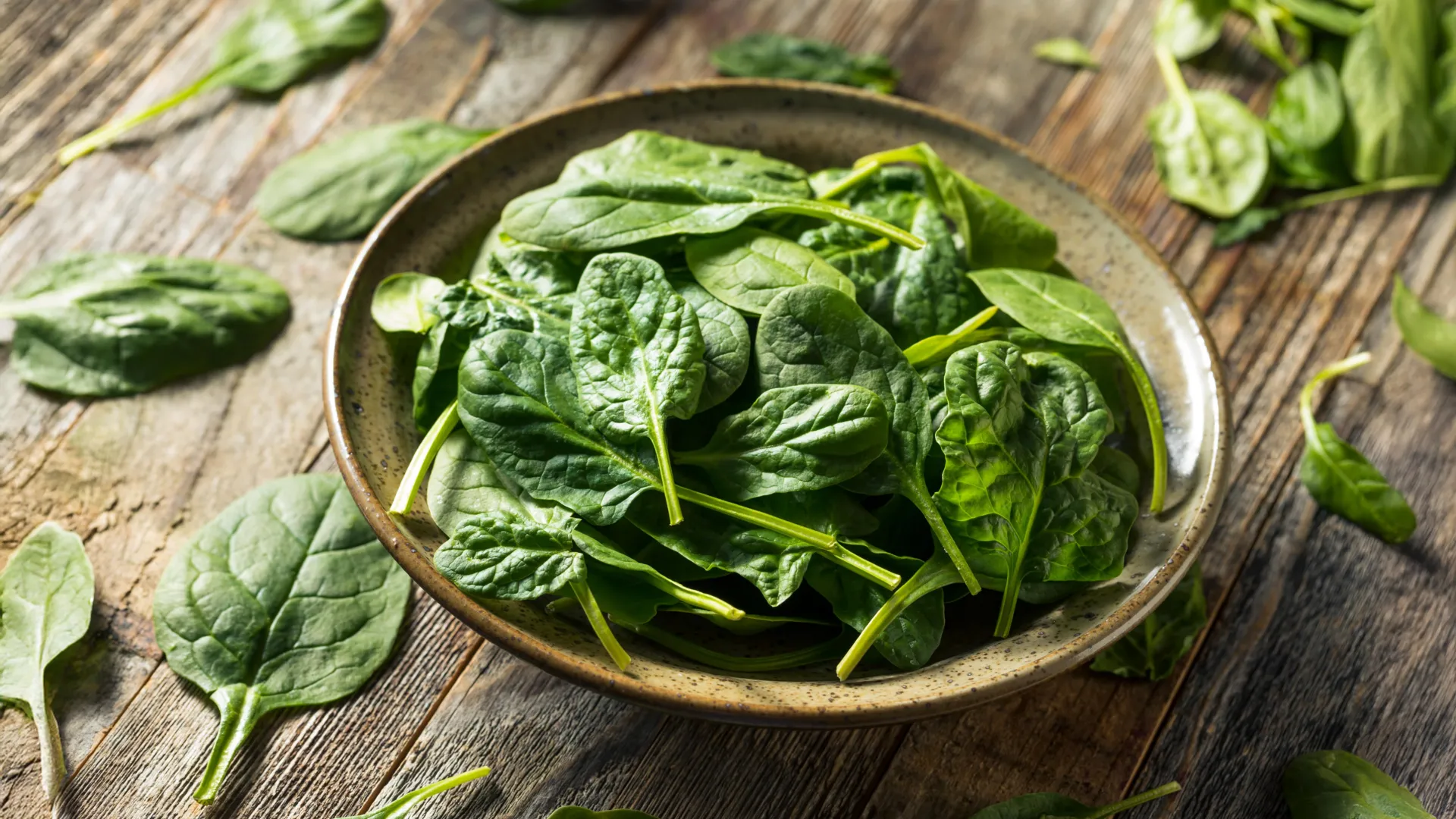
For millions living with Inflammatory Bowel Disease (IBD), the search for dietary triggers has long been a frustrating exercise in trial and error. Patients are often told that fiber-rich, nutrient-dense foods—spinach, almonds, and sweet potatoes—are the cornerstones of a healthy lifestyle. However, groundbreaking research from the University of North Carolina (UNC) School of Medicine suggests that for those with Crohn’s disease or ulcerative colitis, these "superfoods" may harbor a silent, inflammatory adversary: dietary oxalate.
A study published on August 13, 2026, in the journal Cellular and Molecular Gastroenterology and Hepatology (CMGH), has unveiled a potential paradigm shift in our understanding of IBD. By identifying a biological failure in how the gut processes naturally occurring plant compounds, researchers have opened a new frontier in personalized nutrition and molecular medicine.
The Core Discovery: A Breakdown in Biological Transit
Oxalate is a naturally occurring compound found in a wide variety of plant-based foods. In a typical, healthy digestive system, the vast majority of dietary oxalate is handled efficiently; it passes through the gut and is largely eliminated via stool without causing systemic distress.
The UNC team, led by postdoctoral scholar Anna Salvador, PhD, RD, LDN, and senior investigator Shehzad Z. Sheikh, MD, PhD, discovered that this "clearance" mechanism is significantly compromised in patients with IBD. Through an analysis of gene activity and intestinal tissue, the team found that two critical transporter proteins—SLC26A2 and SLC26A3—are consistently expressed at lower levels in the intestinal tissue of patients with both ulcerative colitis and Crohn’s disease.
These proteins are the "gatekeepers" responsible for moving oxalate out of the intestinal lining. When their expression is diminished, the body loses its ability to manage the oxalate load. Consequently, the compound lingers in the intestinal environment, where it may serve as an active driver of inflammation rather than a harmless byproduct of digestion.
A Chronology of Investigation
The path to this discovery was paved by a multi-pronged scientific approach that bridged the gap between human clinical data and fundamental biological mechanisms.
1. The Human Clinical Study
The research began by comparing dietary habits and stool samples between healthy individuals and those suffering from IBD. Using the validated "Diet History Questionnaire III," the researchers meticulously tracked plant-based intake. Simultaneously, they utilized DNA metabarcoding—a sophisticated molecular technique used for the first time in an IBD population—to identify the plant species present in stool samples.
The findings were striking: Crohn’s disease patients showed significantly higher levels of fecal oxalate compared to healthy controls, despite consuming nearly identical amounts of plant-based foods. This confirmed that the issue was not the quantity of plants consumed, but a fundamental biological disruption in the patient’s internal processing systems.
2. Genetic and Molecular Profiling
Following the clinical observations, the team shifted to the laboratory to observe gene expression. They found that the reduction of transporter proteins (SLC26A2 and SLC26A3) occurred across affected tissues, regardless of whether the patient was experiencing an active "flare" of inflammation. Notably, the researchers observed a correlation: the more inflamed the intestinal tissue became, the lower the expression of these vital transporters, suggesting a vicious cycle of damage and impaired clearance.
3. Animal and Cellular Validation
To confirm that oxalate was an active participant in inflammation rather than a bystander, the researchers utilized animal models. Mice fed an oxalate-supplemented diet in conjunction with a substance that induces colitis showed a 60 percent decrease in survival compared to a control group. In mice genetically predisposed to spontaneous colitis, the introduction of dietary oxalate accelerated the onset of the disease and intensified its severity.
Furthermore, in vitro cell culture experiments demonstrated that oxalate directly heightens the inflammatory response in macrophages and dendritic cells—the immune system’s first responders in the gut.
Supporting Data: The Case for Severity Markers
One of the most clinically significant aspects of the study involves the potential for prognostic medicine. In an exploratory analysis, the researchers looked at a third transporter, SLC26A6. They found that low expression of this gene was strongly associated with "stricturing" Crohn’s disease—a severe, aggressive form of the condition characterized by the buildup of scar tissue that narrows the intestine.
Approximately 75 percent of patients who exhibited low SLC26A6 expression also suffered from this stricturing disease. While the researchers caution that this finding requires validation in larger, longitudinal cohorts, it hints at a future where doctors might use a patient’s molecular profile to predict the risk of severe complications and tailor their care accordingly.
Official Perspectives: Shifting the Paradigm
Dr. Shehzad Z. Sheikh, a Professor of Medicine and Genetics at UNC, underscored the significance of Dr. Salvador’s vision. "She asked a question that hadn’t been asked before: What if a specific dietary molecule is an active driver of gut inflammation in IBD, not just a bystander?"
Dr. Salvador’s work effectively challenges the traditional view of diet in IBD, which has often focused on broad categories like "low fiber" or "anti-inflammatory" diets without accounting for the specific molecular interaction between compounds like oxalate and impaired gut transporters.
"For patients living with Crohn’s disease or ulcerative colitis, this research opens a genuinely new therapeutic angle," Dr. Sheikh stated. "Diet is one of the most powerful, modifiable levers we have in medicine, and this study gives us a molecular framework to start using it more precisely."
Implications for Patients and Future Treatment
It is crucial to emphasize that this study does not call for the blanket elimination of plant-based foods for IBD patients. Nutritious, plant-based diets are still vital, and the researchers stress that patients should not make drastic changes based on these preliminary findings alone.
Instead, the study highlights the necessity of precision nutrition. Because the gut microbiome plays a role in breaking down oxalate—specifically through bacteria such as Oxalobacter formigenes, which are often depleted in IBD patients—future treatments might focus on restoring these bacterial colonies. Rather than relying solely on restrictive diets, doctors may one day be able to prescribe "microbiome-based therapies" to help the gut process compounds more effectively.
Moving Forward: The Need for Clinical Caution
While the data is compelling, the researchers are careful to manage expectations. The current findings provide a robust foundation, but they are not yet sufficient to support formal clinical guidelines for changing dietary oxalate intake. Future studies must be larger, conducted over longer periods, and integrate longitudinal data on dietary intake, stool oxalate measurements, and microbiome composition.
Conclusion: A New Lens on IBD Management
The study from the UNC School of Medicine marks a turning point in gastroenterology. By identifying that the gut’s inability to transport oxalate contributes to intestinal inflammation, researchers have moved the conversation from "what" a patient eats to "how" the patient’s body interacts with those nutrients.
For the millions suffering from the unpredictable nature of IBD, this research provides a glimmer of hope. It suggests that with further investigation, diet may transition from a source of anxiety and mystery into a precise, scientifically-backed tool for managing disease progression and improving quality of life. As the medical community continues to peel back the layers of this condition, the "molecular framework" established by Dr. Salvador and her team may well become the blueprint for the next generation of IBD care.
The research was supported by the Helmsley Charitable Trust, the National Institute of Diabetes and Digestive and Kidney Diseases (NIDDK), the Chan Zuckerberg Initiative, Schmidt Sciences, the Burroughs Wellcome Fund, and additional National Institutes of Health sources. Co-authors included experts from UNC-Chapel Hill, Texas A&M University, and Duke University.